What Is the Most Beautiful Little Town in Texas You Must Visit?
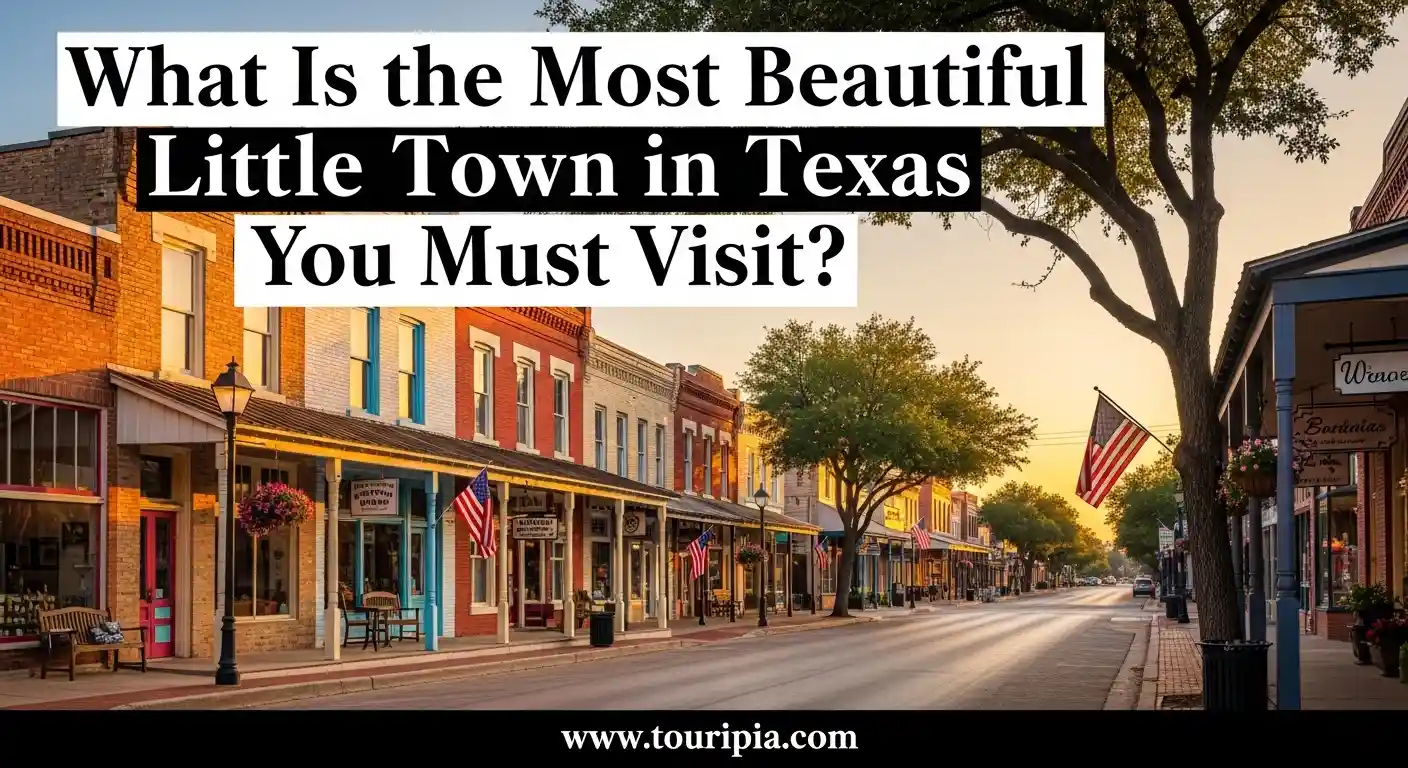
Texas surprised me long before it impressed me. After years of moving between continents, I kept circling back here, often on slow road trips stitched together by county highways, courthouse squares, and small towns that felt untouched by urgency.
Somewhere between East Texas pine forests and Hill Country limestone, the same question kept coming up from readers and fellow travelers alike.
What is the most beautiful little town in Texas?
That question sounds simple. It is not. Texas has hundreds of small towns that look good in a single photo. Fewer feel beautiful when you stay the night, wake early, and walk the streets before breakfast. Fewer still hold visual balance, calm, and character once the weekend crowds thin out.
When travelers ask what is the most beautiful little town in Texas, they usually mean more than scenery. They are asking for a place where the streets make sense, where buildings feel rooted, and where nature frames daily life instead of competing with it. They want historic downtowns that reward walking, scenic settings that change with the seasons, and architecture that looks preserved rather than staged.
Texas delivers that combination better than most states. Spanish missions, German settlements, cotton-era courthouses, cattle trails, rail towns, river crossings, and hill country farms all left their marks. The result is a rare concentration of picturesque Texas towns that still function as real places.
This article does not rank towns by population, Instagram tags, or weekend foot traffic. I am answering the question directly, based on years of repeat visits, extended stays, conversations with locals, and long walks taken with no agenda. Beauty here is measured by visual harmony, atmosphere, and setting, not hype.
By the end, you will have a clear answer to what is the most beautiful little town in Texas, along with the reasoning behind it. If you are planning a road trip, a quiet weekend, or a slow escape that feels genuine, this will save you time and disappointment.
Explore more on Which Part of Texas Is the Most Beautiful: 13 Stunning Regions
HOW WE DEFINE “THE MOST BEAUTIFUL LITTLE TOWN IN TEXAS”?
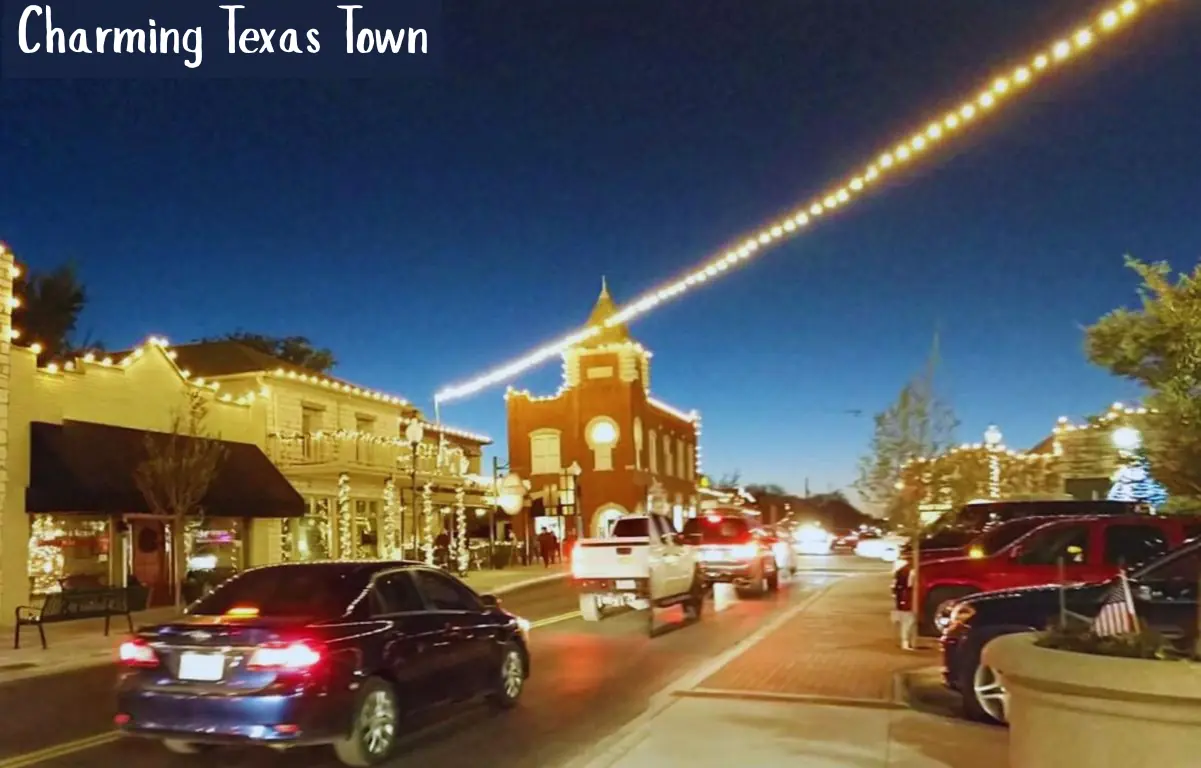
Beauty is subjective, but it leaves patterns. After visiting dozens of scenic small towns in Texas, certain qualities show up again and again in places that feel genuinely beautiful rather than temporarily charming.
Visual appeal and town layout come first. A beautiful little town in Texas must be walkable at its core. Streets should invite wandering without a map. Brick-lined streets, a central square or main street, and tree-lined sidewalks create rhythm and scale.
When a town can be explored comfortably on foot, details emerge. Storefronts, benches, porches, and public spaces start working together instead of competing.
Architecture and preservation matter more than size. Historic downtown buildings anchor a town visually. Victorian homes, Greek Revival homes, and early commercial storefronts give texture when they are preserved with restraint.
Restoration should feel quiet. Fresh paint is fine. Plastic signage and oversized branding break the spell. The most beautiful towns keep their bones visible.
Natural surroundings complete the frame. Rivers, creeks, or lakes should feel integrated rather than hidden. Gardens and seasonal blooms add softness. Pine forests, rolling hills, or open skies give context.
A town does not need dramatic scenery, but it needs scenery that belongs. State parks nearby and scenic drives that lead gently into town strengthen first impressions.
Atmosphere separates pretty from beautiful. A peaceful atmosphere matters. Slower mornings, unhurried afternoons, and evenings that settle instead of spike define the experience.
Romantic small town appeal often comes from silence, not events. Crowd-free moments reveal whether a town’s beauty is structural or cosmetic.
Accessibility and visitor experience round out the criteria. The most beautiful little town in Texas should work as a weekend escape without stress. It should welcome couples, solo travelers, and first-time visitors without bending itself to tourism. Overdevelopment erodes beauty quickly. Balance keeps it intact.
Using these standards filters out many popular names. What remains is smaller, quieter, and more visually consistent. That consistency is what allows one town to stand above the rest.
WHY MOST “PRETTIEST TOWNS” LISTS MISS THE MARK
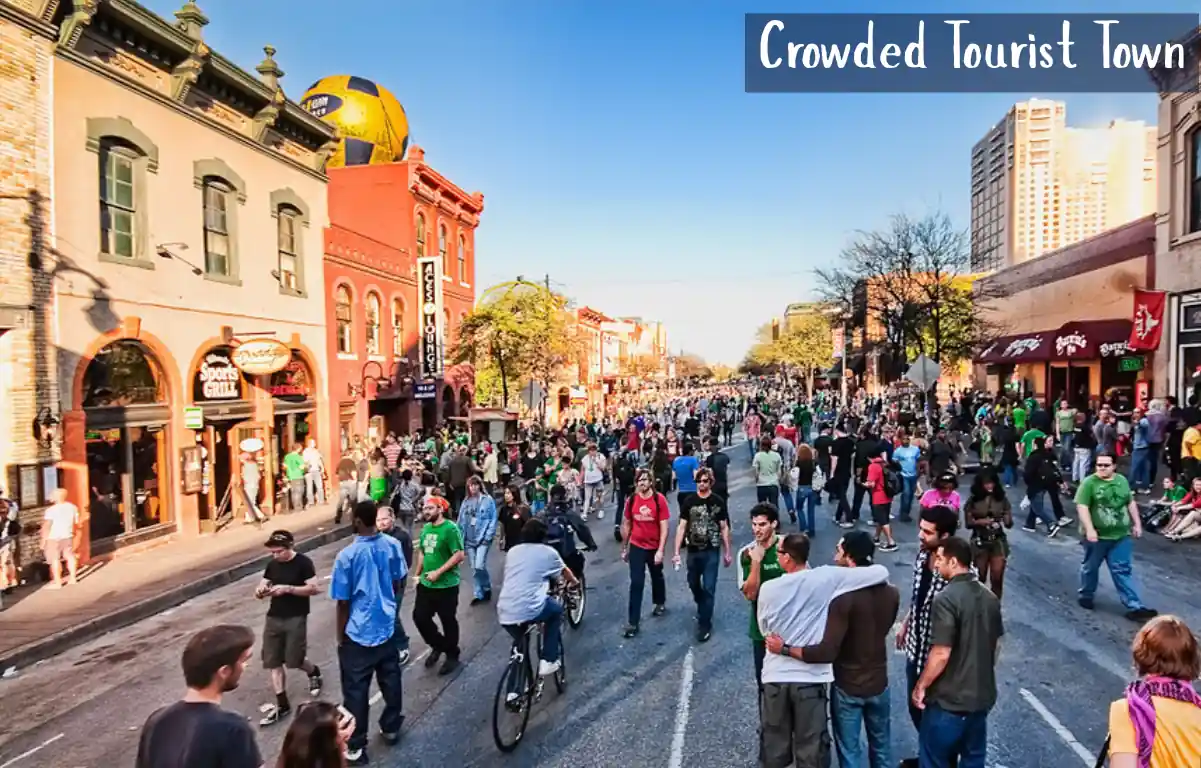
After reading dozens of articles claiming to name the prettiest small towns in Texas, a pattern becomes obvious. Most lists reward popularity, not beauty. They pull towns with strong tourism marketing, high weekend traffic, or a single standout attraction. That approach misses what travelers actually feel on the ground.
Many rankings lean on population size or visitor numbers. Bigger towns with more hotels rise to the top. That inflates places that look lively but feel cluttered. Beauty needs space. Streets need breathing room. Visual calm disappears fast when traffic, signage, and tour groups take over.
Another issue is confusing “popular” with “beautiful.” A town can be busy, fun, and well-known without being visually balanced. Some places photograph well from one angle but fall apart when you walk two blocks away. I have visited towns that looked perfect online and felt exhausting in person.
Social media makes this worse. A single well-lit street, a painted mural, or a seasonal festival can dominate perception. What those photos rarely show is what the town looks like on a quiet Tuesday morning. True beauty holds up when nothing special is happening.
Seasonality also gets ignored. Some towns peak for a few weeks each year and feel flat the rest of the time. Others change subtly with light, weather, and foliage. The most beautiful places feel right across seasons, not only during festivals or bloom windows.
This is why many towns frequently ranked among the prettiest fail to deliver long-term satisfaction. They impress quickly, then fade. The town that stands out for its beauty does so consistently, without needing a crowd to justify it.
THE MOST BEAUTIFUL LITTLE TOWN IN TEXAS YOU MUST VISIT
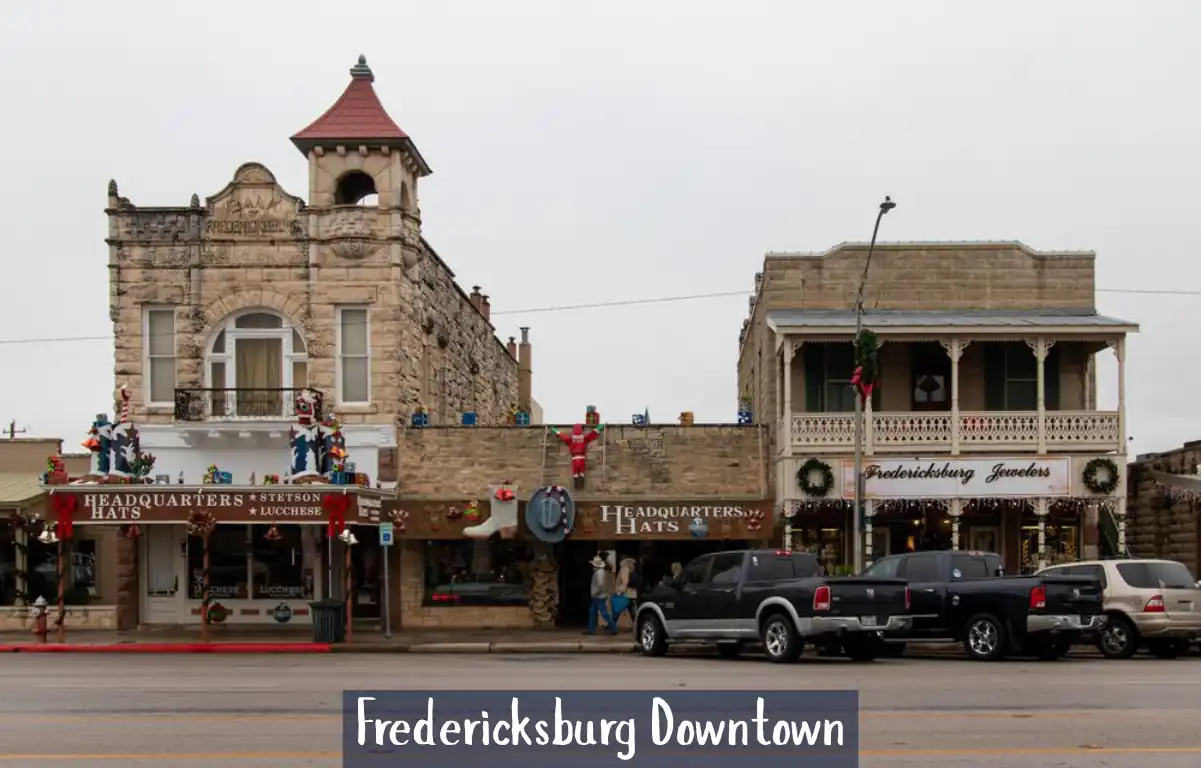
The most beautiful little town in Texas you must visit is Fredericksburg.
That answer surprises some people. Others expect it. The difference lies in how you experience the town. Fredericksburg rewards slow travel. It holds its beauty without effort, without noise, and without visual chaos.
What visitors notice first is scale. The downtown feels human. Main Street stretches wide but not overwhelming. Buildings sit low and grounded. Brick storefronts line the street with restraint. There is space between elements. Nothing feels rushed to fill a gap.
Fredericksburg’s German heritage shows in subtle ways. Rooflines, materials, and proportions stay consistent. The town avoided architectural confusion. New businesses fit the existing rhythm instead of breaking it. That visual discipline is rare among charming Texas towns.
Walking through downtown early in the morning tells the real story. Before shops open, before tasting rooms fill, the town feels calm and intentional. Streets look lived in, not staged. Details reveal themselves slowly. Window boxes. Courtyards. Shaded sidewalks.
Visual consistency is where Fredericksburg separates itself from other scenic small towns in Texas. Preservation here feels thoughtful. Buildings have been restored, not reinvented. Signage stays modest. Landscaping supports architecture instead of hiding it.
Emotionally, the town feels steady. Not sleepy. Not frantic. Couples linger without rushing. Solo travelers settle into cafes without pressure to move on. The atmosphere invites staying rather than consuming.
This is why Fredericksburg beats other beautiful small towns in Texas visually. It balances history, setting, and daily life without forcing any one element forward. The town does not try to impress. It simply remains itself.
When travelers ask what is the most beautiful little town in Texas, this is the place that holds up after repeat visits, long walks, and quiet mornings.
WHAT MAKES THIS TOWN VISUALLY DIFFERENT FROM OTHERS
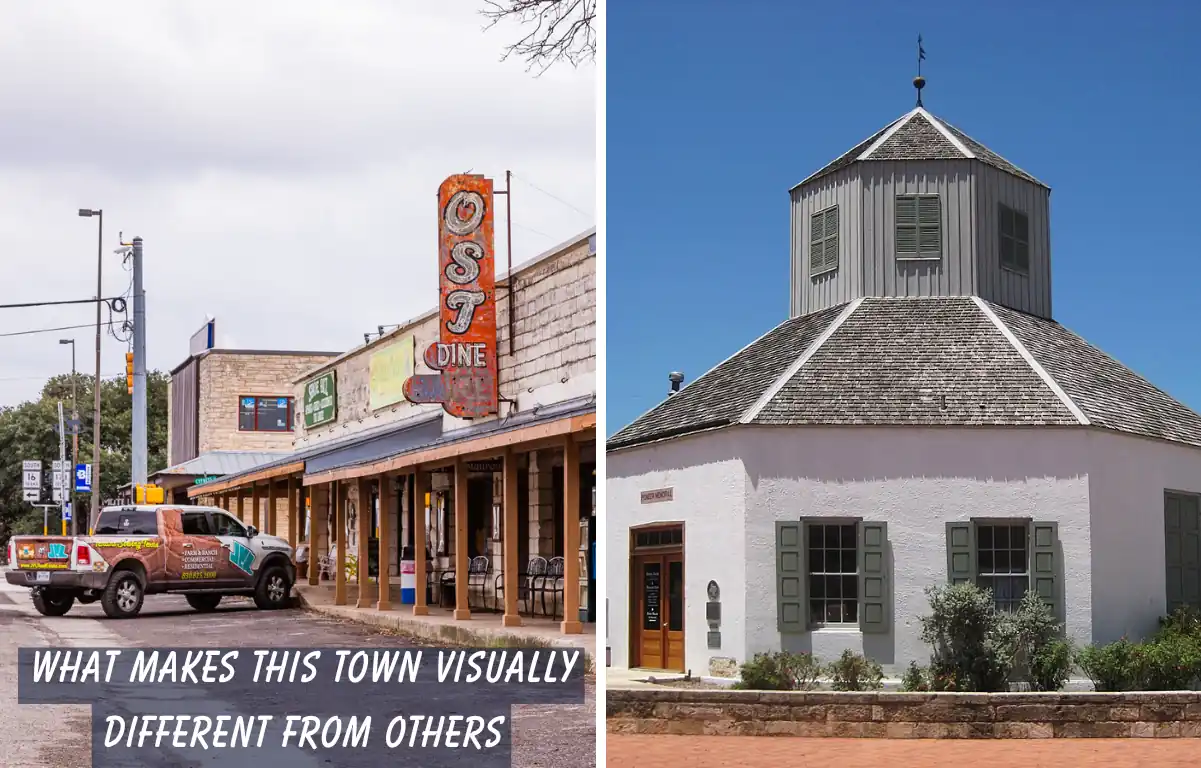
Fredericksburg looks different because it never tries to stand out. That sounds contradictory, but after visiting dozens of picturesque Texas towns, the pattern becomes clear. Towns chasing attention age fast. Towns protecting balance stay beautiful.
The downtown scale plays a major role. Buildings stay low and proportional. You do not see sudden jumps in height or style. Streets feel open without feeling empty. Sidewalks are wide enough to pause, not rush. That human scale makes the town comfortable to explore for hours.
Nature and buildings work together here. Fredericksburg does not hide its surroundings. Hill Country light, open skies, and distant ridgelines soften the edges of town. Landscaping stays simple. Native plants, shade trees, and small gardens add texture without distraction. Nothing feels overdesigned.
One detail that sets Fredericksburg apart is how lived-in it feels. Streets do not look polished for visitors. They look maintained for residents. Shops open gradually. Locals greet each other by name. That daily rhythm adds authenticity you cannot manufacture.
Overdevelopment never gained a foothold here. You will not find oversized hotels looming over downtown or strip malls bleeding into historic blocks. Growth stayed controlled. That restraint preserved visual clarity.
Seasonal changes enhance the town instead of overwhelming it. Spring brings soft color. Summer light sharpens details. Fall adds warmth. Winter quiet reveals structure. The town remains a postcard-worthy Texas town year-round because its beauty is structural, not decorative.
This is why Fredericksburg feels visually stunning without effort. It respects space. It respects history. It allows beauty to show up naturally.
HISTORIC DOWNTOWN AND ARCHITECTURAL BEAUTY
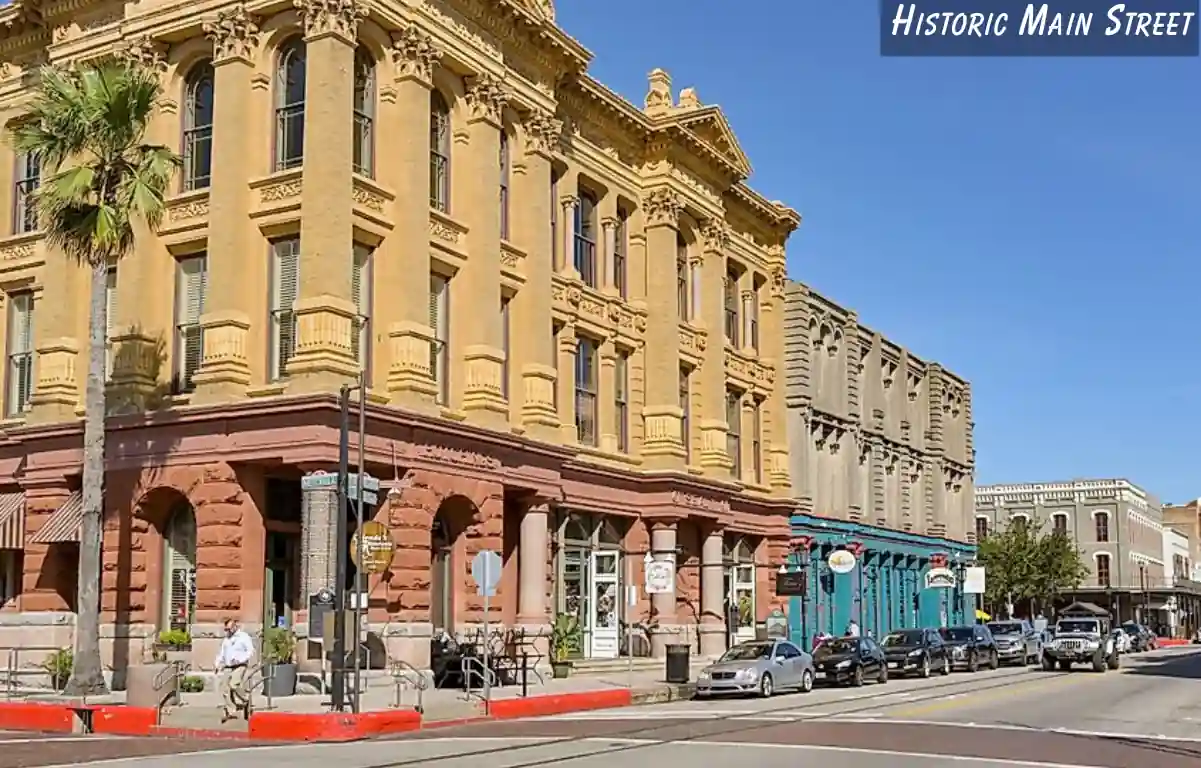
Fredericksburg’s historic downtown anchors its claim as the most beautiful little town in Texas. The town was founded in 1846, and that timeline still shows. You can read history in the buildings without needing a guide.
The heart of downtown centers around Main Street, where well-preserved architecture creates a continuous visual story. Brick and limestone storefronts sit shoulder to shoulder. Rooflines align. Materials repeat. Nothing competes for attention. This kind of consistency rarely survives modern development.
Walking the downtown area reveals layers. Early commercial buildings blend into later additions without conflict. Signs remain understated. Windows stay open and welcoming. Even modern businesses respect the scale and proportions of older structures.
Residential architecture adds depth just beyond the main corridor. Victorian homes and German-influenced cottages sit quietly on shaded streets. Many remain private residences. That matters. When historic homes stay lived in, they avoid museum stiffness.
The town square and civic buildings contribute without dominating. They feel like natural extensions of daily life. Courthouse structures and public spaces maintain dignity without spectacle.
What stands out most is restraint. Fredericksburg restored rather than replaced. Repairs followed original lines. Materials stayed honest. That approach kept the downtown walkable, cohesive, and visually calm.
Spending time here without an itinerary reveals why architecture drives beauty. You do not need attractions when streets themselves feel complete. This is the foundation that allows Fredericksburg to remain charming long after first impressions fade…
HOW THIS TOWN COMPARES TO OTHER BEAUTIFUL TEXAS TOWNS
Fredericksburg does not exist in isolation. Texas offers many lovely small towns, and several come close to earning the same title. The difference shows up when you compare consistency, not highlights.
Hill Country small towns often compete for attention. Places like Wimberley and Blanco deliver strong scenery and a relaxed pace, but their visual identity shifts block to block. You get beautiful moments, then visual noise. Fredericksburg stays steady. Its downtown, residential streets, and surrounding landscape speak the same language.
East Texas small towns offer charm through greenery and history. Jefferson, for example, carries deep nostalgia and gorgeous Greek Revival homes. Its beauty feels rooted in the past. Fredericksburg blends history with daily life more evenly. It feels lived in rather than preserved behind glass.
Tourist-heavy towns struggle the most in comparison. Popular destinations attract signage, parking pressure, oversized lodging, and traffic patterns that disrupt walkability. Even towns frequently named one of the most charming places in Texas lose visual calm under that weight. Fredericksburg avoided this by controlling growth early and sticking to its scale.
Another difference is rhythm. Many towns feel beautiful during events, festivals, or peak weekends. Outside those windows, they flatten. Fredericksburg holds interest on a random weekday morning. That matters more than any ranking.
This is why it remains consistently named a favorite by travelers who value atmosphere over activity. It does not try to be everything. It protects what already works.
BEST TIME TO VISIT FOR MAXIMUM BEAUTY
Timing shapes experience. Fredericksburg rewards visitors who plan with light, weather, and pace in mind.
Late March through early May offers the strongest balance. Wildflowers appear along back roads. Temperatures stay mild. Mornings feel crisp without cold. This is when the town looks effortless.
October comes close. Fall light warms stone and brick. Vineyards shift color. Crowds thin compared to spring. Evenings cool down enough for long walks.
Summer works if you adjust expectations. Early mornings and late afternoons matter. Midday heat pushes activity indoors. The town still looks good, but pace slows naturally.
Winter strips everything back. Fewer visitors. Clear sightlines. Quiet streets. This is when architecture stands out most. If you value calm over color, winter delivers.
Avoid peak festival weekends if visual calm matters to you. Fredericksburg handles crowds better than most, but beauty shows best when space remains intact.
A two to three day stay works well. It gives time to walk, pause, and explore without rushing.
WHO THIS TOWN IS PERFECT FOR
Fredericksburg fits travelers who value quality over volume.
Couples find it easy. The town supports slow mornings, long dinners, and unplanned walks. Romance here comes from quiet consistency.
Weekend travelers benefit from accessibility. Roads lead in gently. Parking stays manageable. You can arrive Friday evening and settle quickly.
Slow travel lovers thrive. The town rewards repetition. Walking the same streets at different times reveals new details.
Photographers appreciate restraint. You do not need dramatic angles. Light, texture, and composition work naturally.
First-time Texas visitors get context. Fredericksburg shows history, landscape, and culture without overwhelming scale. It feels representative without feeling staged.
QUICK VISITOR TIPS TO ENJOY THE TOWN FULLY
Walk whenever possible. Downtown reveals itself on foot.
Explore early. Morning light and quiet streets show the town at its best.
Spend time beyond Main Street. Residential blocks add depth.
Respect pace. This is not a checklist town.
Let meals stretch. Rushing breaks rhythm.
FINAL VERDICT
Fredericksburg earns its place as the most beautiful little town in Texas because it stays balanced. Architecture, landscape, and atmosphere align without effort. Beauty here is not a moment. It is a condition.
If you want a town that holds its appeal beyond first impressions, this is it.
Frequently Asked Questions
1. What is the most beautiful little town in Texas?
Fredericksburg is widely considered the most beautiful little town in Texas due to its historic downtown, consistent architecture, Hill Country setting, and calm atmosphere year-round.
2. What makes Fredericksburg the prettiest small town in Texas?
Its walkable Main Street, preserved German-era buildings, nearby natural scenery, and lack of overdevelopment give it strong visual balance.
3. Is Fredericksburg more beautiful than other Hill Country towns?
Yes. While towns like Wimberley and Blanco are scenic, Fredericksburg stands out for architectural consistency and visual calm across the entire town.
4. What is the best time to visit Fredericksburg for scenery?
Late March to early May and October offer the best light, mild weather, and natural color without extreme crowds.
5. Is Fredericksburg good for a quiet weekend getaway?
Yes. The town maintains a relaxed pace, especially on weekday mornings and evenings, making it ideal for a peaceful escape.
6. Does Fredericksburg still feel authentic or too touristy?
It still feels authentic due to controlled growth, local ownership, and residential neighborhoods close to downtown.
7. How walkable is Fredericksburg for visitors?
Very walkable. Most shops, cafes, historic sites, and residential streets are easily explored on foot.
8. Are there natural attractions near Fredericksburg?
Yes. Enchanted Rock, rolling Hill Country landscapes, scenic back roads, and nearby parks add strong natural appeal.
9. Is Fredericksburg good for couples?
Yes. Its calm evenings, charming streets, and unhurried dining scene make it especially popular with couples.
10. How many days do you need to explore Fredericksburg?
Two to three days is enough to enjoy downtown, nearby scenery, and the town’s slower rhythm without rushing.
11. Is Fredericksburg a good first stop for Texas visitors?
Yes. It offers history, scenery, and small-town character in a compact and accessible setting.
12. Why do travelers rank Fredericksburg so highly compared to other towns?
Because it looks good and feels good. Its beauty holds up beyond photos, crowds, and peak seasons.

Recent Posts
 Guided River Tours and Fishing Charters: From Fish to Rapids
- Texas Hill Country Wildflowers: Where & When to See Blooms (2026 Updated)
- 10 Hotels to Avoid in Las Vegas in 2026 (And Why Guests Keep Complaining)
- 25 Most Beautiful Places in Texas to Take Pictures
- The Ultimate Texas in Summer Travel Guide: Best Places to Visit in 2026