The Only Dog Travel Checklist You Need for Safe Adventures
The last thing you want before a trip is realizing you forgot your dog’s food, medication, or leash while your pup is already waiting excitedly by the door. Traveling with a dog is incredibly fun, but it can also feel stressful when you’re trying to remember everything at once.
That’s why this complete dog travel checklist covers exactly what you need. From packing essentials and vet prep to road trip safety, flights, hotels, and long-distance travel tips. If you’re planning a weekend getaway or a cross-country adventure, this guide helps you travel smarter and avoid common mistakes many dog owners make.
After traveling across multiple states with my dog and learning a few lessons the hard way, I’ve built a simple travel system that keeps trips smoother, safer, and far less stressful.
So, let’s get into the topic.
What to Discuss With Your Vet Before Traveling With Your Dog
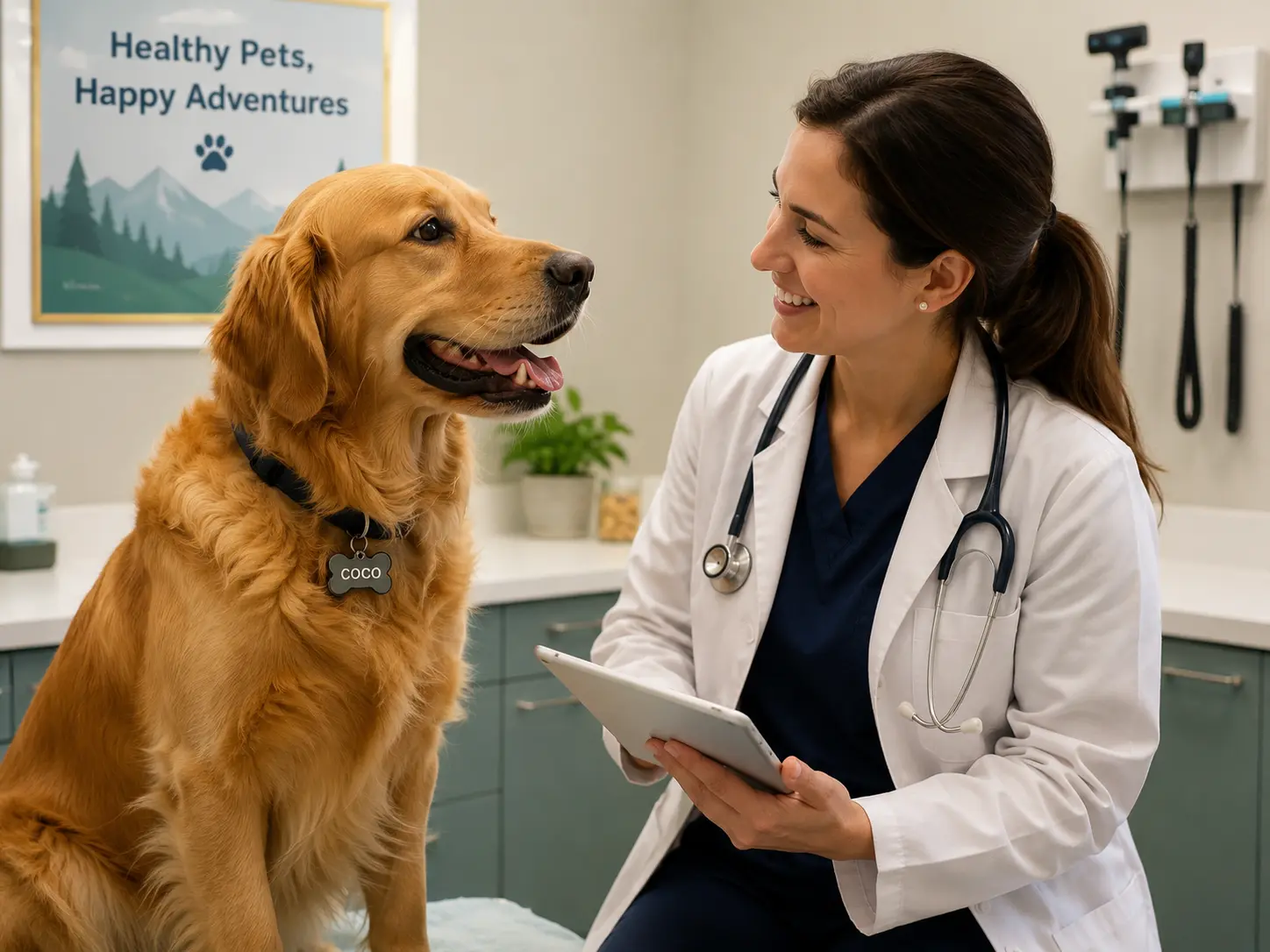
Before I ever pack a single item for Coco, my first stop is always the vet. And I don’t mean a quick five-minute checkup. I mean sitting down and going through everything where we’re going, how we’re getting there, how long the trip is, and what Coco might run into along the way.
Most dog owners skip this step and only realize they needed it when something goes wrong mid-trip. Don’t be that person. Here’s exactly what I cover every single time:
Health Certificate
If you’re flying with your dog or crossing state lines, most airlines and some travel destinations require a Certificate of Veterinary Inspection, also called a health certificate. This document confirms your dog is healthy and fit to travel. The important thing most people miss: it must be issued within 10 days of your travel date. If you get it too early, it expires before your trip even starts. I always book the vet appointment specifically around my flight date for this reason.
For international travel, requirements go further — some countries require a rabies titer test, an EU Pet Passport, or even a quarantine period on arrival. Always check the USDA APHIS website for destination-specific requirements well before your travel date, not the week before.
Vaccinations
Ask your vet specifically which vaccinations are recommended or required for your destination. The standard ones — rabies, distemper, parvovirus — are usually current if you’re keeping up with annual visits. But depending on where you’re taking Coco, your vet may recommend Bordetella (especially if you’re using boarding facilities or dog parks along the route), leptospirosis if you’re near rivers or lakes, or Lyme disease vaccination if you’re heading into tick-heavy terrain in Texas or beyond.
I always bring Coco’s vaccination booklet to this appointment and ask the vet to update it so everything is in one place when we travel.
Microchip Verification
This one catches people off guard. Your dog may already be microchipped, but when was the last time you confirmed the registration is current? If you’ve moved, changed your phone number, or changed your email since the chip was registered, your contact details in the database are outdated. A lost dog with a microchip linked to an old address is almost as hard to reunite as one with no chip at all.
I ask my vet to scan Coco’s chip at every pre-travel visit, confirm the chip number, and I log into the registry directly to verify my details are current. It takes five minutes and I’ve never regretted it.
Motion Sickness and Anxiety Medication
Here’s the thing about the “no sedatives” rule you hear everywhere — it’s not that simple. The flat “don’t give your dog sedatives” advice applies to over-the-counter antihistamines used without guidance, not to veterinarian-prescribed travel medication. There is a meaningful difference.
If Coco shows signs of motion sickness or travel anxiety, I talk to my vet about Cerenia, which is the FDA-approved prescription medication for motion sickness in dogs, and it works. There are also vet-approved options for anxiety that are different from sedatives and significantly safer. The point is: if your dog struggles with travel, ask your vet directly. Don’t guess, and don’t rely on generic advice that lumps all medication together as something to avoid.
Flea, Tick, and Parasite Prevention
If you’re traveling through Texas outdoors — hiking trails, state parks, riversides — your vet needs to know. Texas has heavy tick pressure in spring and fall, and heartworm risk is year-round. Ask whether your current prevention is adequate for the specific terrain and region you’re heading to. I travel with Coco’s parasite prevention updated before every outdoor trip, no exceptions.
One Last Thing: Keep Digital Copies of Everything
Before every trip, I photograph Coco’s vaccination booklet, his health certificate, his microchip number, and his prescription information and save them to my phone. If a bag gets lost, I still have everything. It has saved me at more than one hotel check-in where I needed to show proof of vaccinations on the spot.
How to Plan When Traveling with Your Dog
I have been traveling with Coco for the last 3 years, and with trial and error, I’ve learned A LOT about how to travel with my baby. Here’s a dog travel checklist and a few dog travel tips to remember when you’re planning to travel with your furry friend:
1. Make dog-friendly travel arrangements
You must be more careful while traveling with your dog. Because this little furry boy’s comfort is above everything else. So, you need to make dog-friendly travel arrangements like vacation rentals, hotels, and your itinerary. Besides this, decide beforehand if you’re going by air or by road depending upon the preferences of your pet.
2. Get your pet used to travel
I’d say this aloud: not every dog loves traveling. And you have to train your pet to travel by taking it on short routes. Once it gets used to it, then long trips won’t be a problem anymore.
3. Vaccinate your furry friend
Before heading out for your trip, make sure you thoroughly check if the area is safe for dogs. If the particular area is prone to certain diseases, get your dog vaccinated and prioritize their health. I always consult the vet to ensure whether any additional vaccinations are required or not.
4. Pack essential supplies
If you’re taking your dog on a trip, bring along all the essential supplies so your furry baby doesn’t get annoyed. Keep the food, water, medications, treats, bowl, toys, beddings, and all the necessary things in one bag. Besides this, make sure you keep the collar with the ID tag with yourself.
5. Plan stops and exercise breaks
According to the American Veterinary Medical Association (AVMA), you must stop after every two to three hours to let your fur-baby take some rest. So, make sure you plan your trip with breaks to allow your dog to stretch and relieve themselves.
Now that you know a brief overview of how to travel with your dog, let’s jump onto the travel packing list for your dog.
The Complete Dog Travel Checklist 2026 Updated
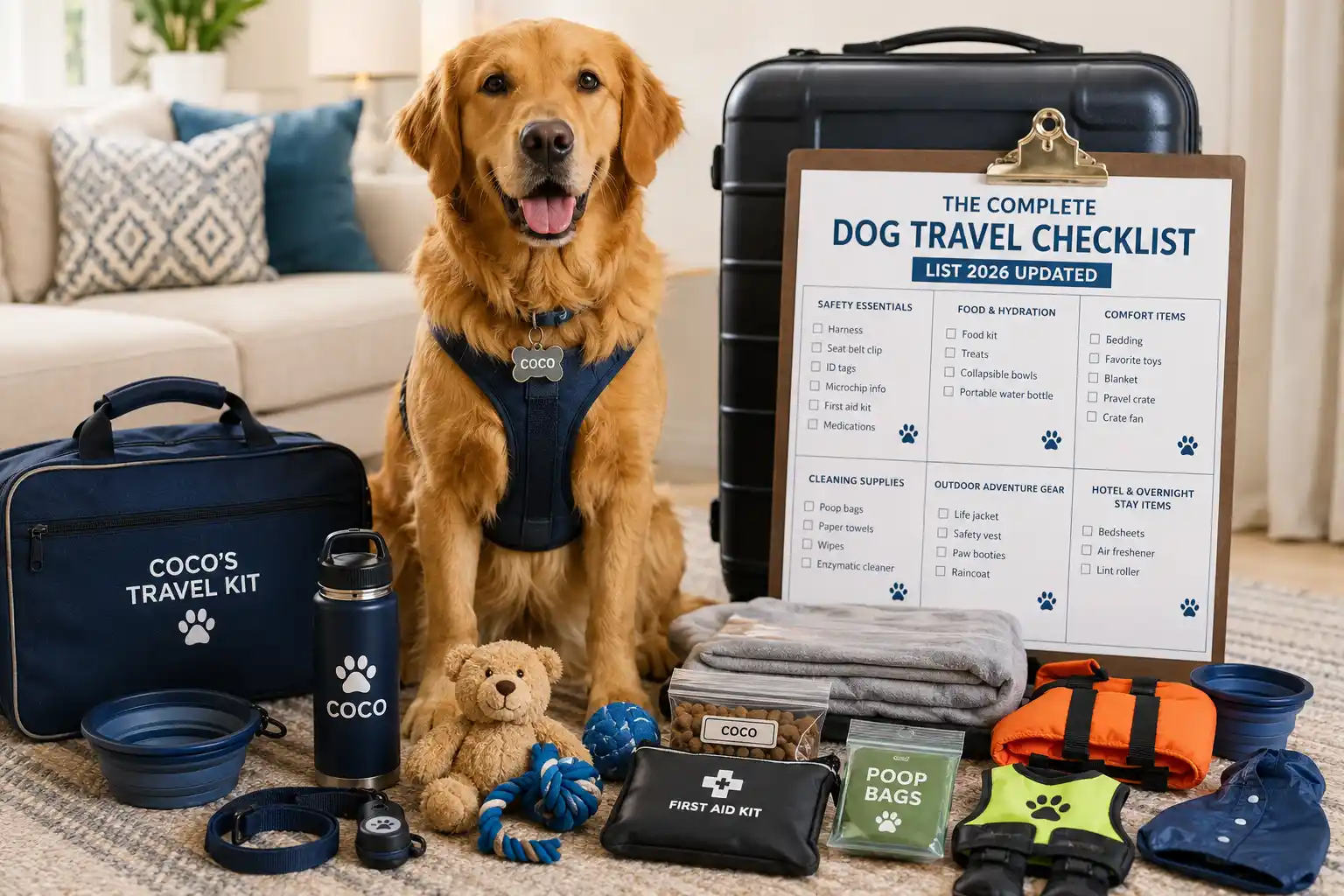
While traveling with my dog, I always make sure to pack the essentials so that I won’t get in trouble in foreign lands. No matter if you’re planning to spend just a day or your trip lasts for two, three, or even more days, packing these necessary items should be your utmost priority.
Here’s the list of dog travel items I always pack while traveling with Coco:
| Category | Items |
|---|---|
| Safety Essentials | Harness, Seat belt clip, ID tags, Microchip info, First aid kit, Medications |
| Food & Hydration | Food kit, Treats, Collapsible bowls, Portable water bottle |
| Comfort Items | Bedding, Favorite toys, Blanket, Travel crate, Crate fan |
| Cleaning Supplies | Poop bags, Paper towels, Wipes, Enzymatic cleaner |
| Outdoor Adventure Gear | Life jacket, Safety vest, Paw booties, Raincoat |
| Hotel & Overnight Stay Items | Bedsheets, Air freshener, Lint roller |
Here are some carry-ons you must keep:
- Meals for a few days
- Dog treats to instantly boost his mood
- Water bowl and bottles
- Leash and harness
- Health certification including rabies vaccination card
- Medicine prescription based on your dog’s past history
- A portable fan
- Picture of your dog
What to Pack for Air Travel With Your Dog
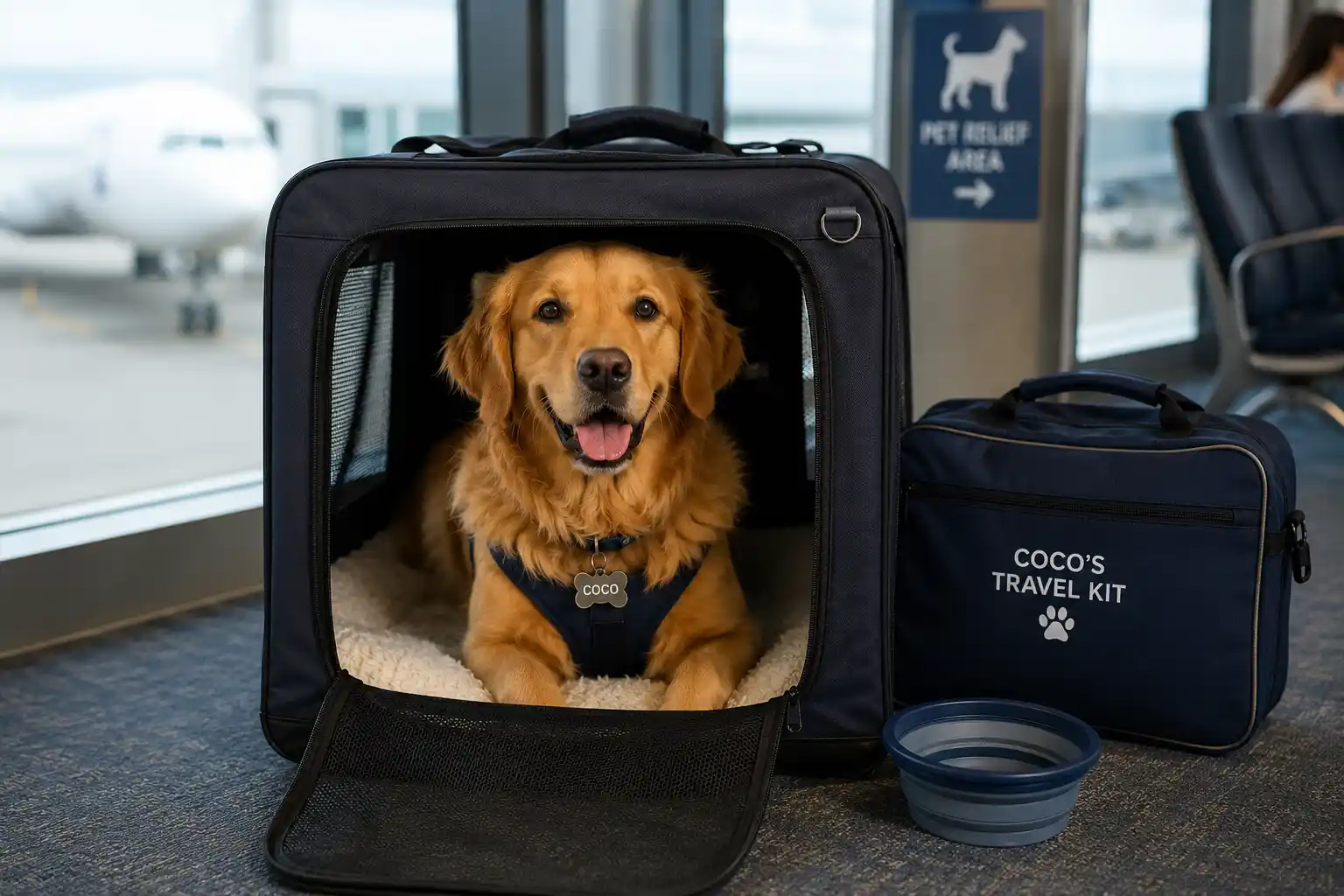
Traveling by air requires something more than just packing for your final destination. Over the years, I’ve learned that choosing the right carrier, organizing essentials in advance, and understanding airline requirements can make flying with a dog far less stressful for both you and your pup.
Small dogs that fit comfortably under the seat are usually allowed to travel in the cabin, and in most cases, a soft-sided airline-approved carrier works best. Larger dogs typically need to travel in the cargo hold inside a sturdy, airline-compliant crate designed for safety and ventilation. Before booking your flight, always review your airline’s latest pet travel policies and crate requirements carefully, as regulations can vary significantly between carriers.
I also recommend keeping your dog’s travel essentials easily accessible during airport security checks. Proper preparation not only speeds up the screening process but also helps keep your dog calm in a busy airport environment.
I made a separate checklist for what to pack for air travel with my dog. Because I am very proud to say that Coco is not a shy one. Instead, he literally demands what he wants. So, to make sure he’s comfortable throughout the trip, I keep a few things by my side. Here’s a list of all the stuff I carry every time Coco is with me:
- Secure food and water bowls (attached inside the crate for cargo travel)
- A soft blanket or familiar towels for comfort
- A favorite toy or comfort item
- Absorbent travel pads
- Identification tags, vaccination records, and health documents
- A leash and harness
One thing I never skip is helping my dog get comfortable with the crate well before the trip. Crate training ahead of travel can dramatically reduce anxiety during flights and help your dog feel safer in unfamiliar surroundings.
Scroll down to find what should be your dog travel checklist when traveling by road.
Road Travel Checklist for Your Dog
Road trips are ideal if your baby is grown up because you can’t travel with it in the same airplane in that case. You have to opt for cargo. However, road trips are my favorite one because I don’t have to keep Coco even or a second away from my eyes.
Other than that, I have the full authority to take breaks, stop by the road to let him stretch and walk, and poop as well.
So, if you’re also just like me who prefer road trips, here are some essential tips you should know before heading out:
- Schedule regular breaks every few hours for potty stops, hydration, and exercise
- Bring familiar toys or long-lasting chews to help ease travel anxiety
- Keep your dog secured in the back seat rather than roaming freely inside the vehicle
- Never leave your dog unattended in a parked car, even for a few minutes, as temperatures can rise dangerously fast and lead to fatal heatstroke
Another important mistake to avoid is feeding your dog a large meal immediately before departure. Many dogs experience motion sickness during long drives, especially on full stomachs. Instead, offer light snacks during the trip and keep hydration consistent. Ingredients like pumpkin and ginger are often recommended to help support digestion and reduce nausea during travel.
Does Your Dog Get Motion Sick? Here’s What Actually Helps
The first time I took Coco on a long drive, I had no idea he got motion sick until he threw up on the back seat somewhere between Austin and San Marcos. That was a fun hour. Since then, I’ve learned a lot about what actually helps versus what sounds helpful but does nothing.
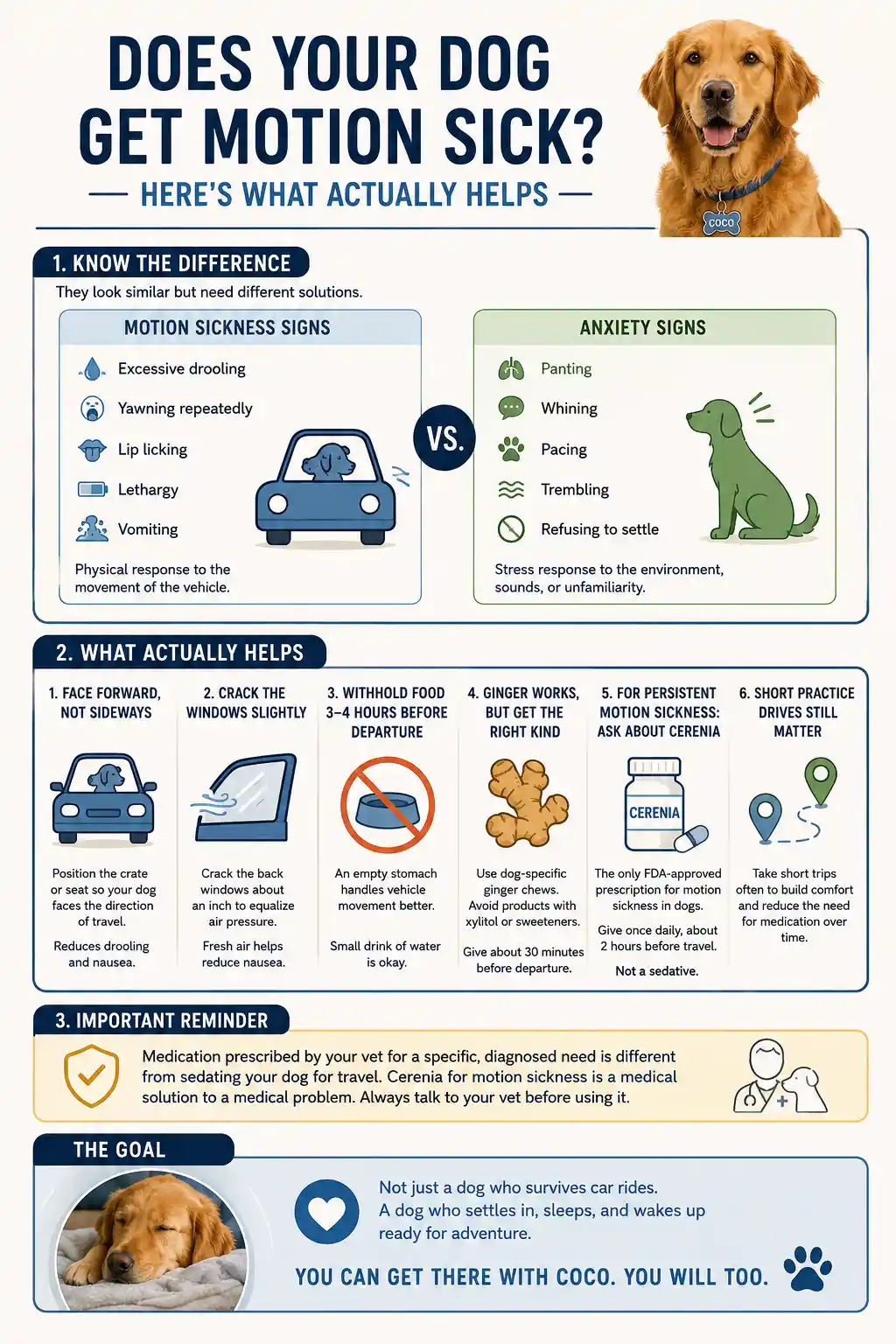
First, know the difference between motion sickness and anxiety because they look similar but need different solutions.
Motion sickness signs: excessive drooling, yawning repeatedly, lip licking, lethargy, vomiting. These are physical responses to the movement of the vehicle.
Anxiety signs: panting, whining, pacing, trembling, refusing to settle. These are stress responses to the environment, the sounds, or the unfamiliarity of the situation.
Coco had both the first few trips, which made it extra fun. Here is what actually made a difference for us:
Face forward, not sideways
Most dogs instinctively look out the side window, which makes motion sickness significantly worse — the same reason humans get sick reading in a moving car. If your dog is crated, position the crate so he faces the direction of travel. If he rides in a seat harness, sit him behind the front passenger seat so the forward view is more natural. This one change alone reduced Coco’s drooling noticeably on our next trip.
Crack the windows slightly
Equalizing the air pressure inside the car with outside reduces nausea in dogs the same way it does in humans. I keep the back windows cracked about an inch on every drive now. Not enough for Coco to stick his head out unsafely, just enough to let air move through.
Withhold food 3–4 hours before departure
I know it feels mean, but a dog on an empty stomach handles vehicle movement significantly better than one who just ate. I still give Coco a small drink of water before we leave, but no food within 3–4 hours of a long drive. I feed him properly once we’ve stopped and he’s had time to settle.
Ginger works, but get the right kind
Ginger is a legitimate nausea remedy for dogs, not just a folk remedy. The catch is most human ginger products contain xylitol or other sweeteners that are toxic to dogs. I use dog-specific ginger chews, which you can find at most pet stores, given about 30 minutes before departure. They won’t fix severe motion sickness but they help with mild cases and take the edge off.
For persistent motion sickness: ask about Cerenia
If your dog has genuine motion sickness that the above tips don’t resolve, talk to your vet about Cerenia. It is the only FDA-approved prescription medication specifically for motion sickness in dogs, and it works reliably. You give it once daily, about two hours before travel. I asked my vet about it after Coco’s third bad car ride, and it was the single most effective change we made. It is not a sedative — Coco was alert, calm, and comfortable the entire drive.
This is also why I want to be clear again: medication prescribed by your vet for a specific, diagnosed need is completely different from randomly sedating your dog for travel. Cerenia for motion sickness is a medical solution to a medical problem. Always discuss with your vet before using it, but do not rule it out just because someone online told you to avoid all medication.
Short practice drives still matter even with medication
Even after we started using Cerenia on longer trips, I kept doing short practice drives with Coco — to the park, to a friend’s place, around the block a few times. The physical desensitization to vehicle movement builds over time and reduces how much he needs medication as he gets older. It is a long game, but it is worth it.
The goal is not just a dog who survives car rides. It is a dog who genuinely settles in, goes to sleep, and wakes up at the destination ready to go. We got there with Coco and you will too.
What to Pack In My Dog’s First Aid Kit?
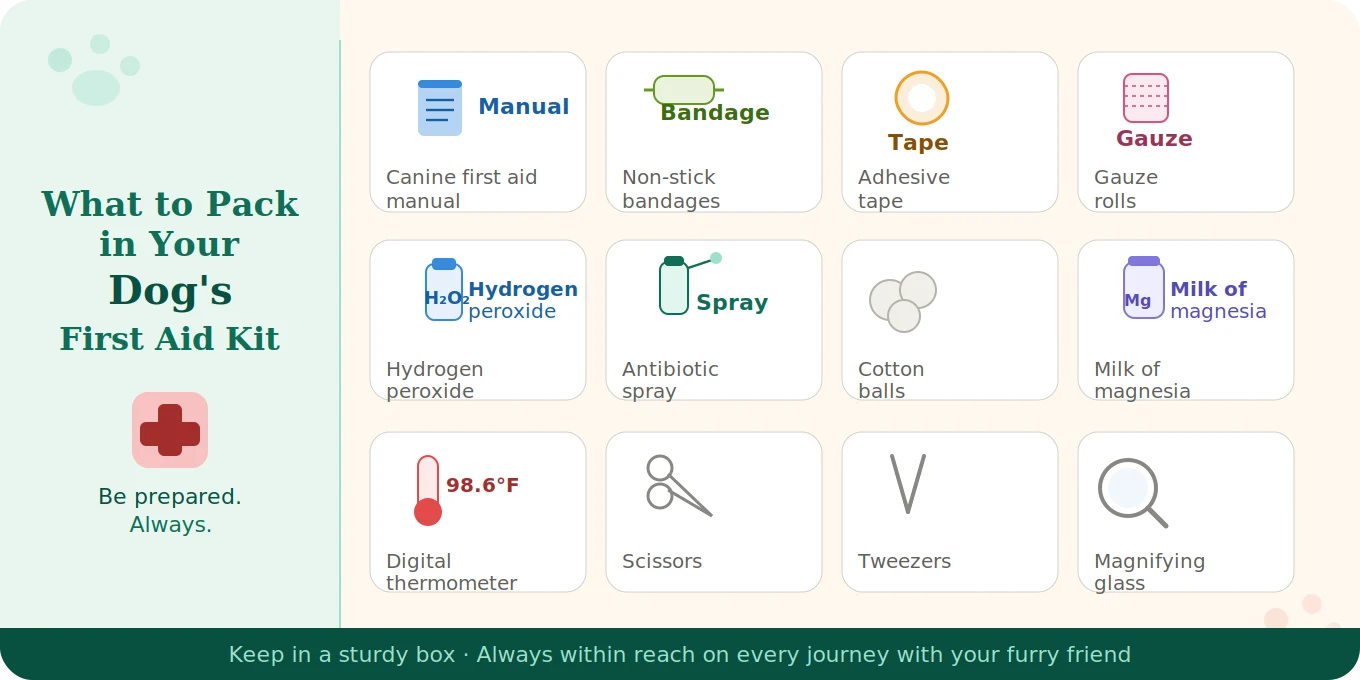
Everything else is secondary, but keeping your dog’s first aid kit. Because you don’t know what might happen in your journey, make sure you keep all the necessary things to give your furry baby some aid before going to the vet.
Here’s what I keep in a sturdy box along with all the medications:
- Canine first aid manual for your reference
- Non-stick bandages
- Adhesive tape
- Gauze
- Hydrogen peroxide
- Antibiotic spray
- Cotton balls
- Milk of magnesia
- Digital thermometer
- Scissors
- Tweezers
- Magnifying glass
What to Do in a Dog Emergency While Traveling
I’ll be honest with you. The first aid kit I described above handles minor cuts, splinters, and small wounds. But there have been two moments traveling with Coco where I needed more than a kit — I needed an emergency vet, fast, in a city I had never been to before.
The second time it happened, I was prepared. The first time, I was not. This section is so you skip straight to prepared.
Save This Number Before You Leave Home
ASPCA Animal Poison Control Center: 1 (888) 666-2279
This line is open 24 hours a day, 7 days a week, 365 days a year. If Coco eats something he should not have — a plant, a food, a chemical, anything — this is the first call you make before you even start driving to a vet. They will tell you whether what he consumed is actually dangerous, how dangerous, and exactly what to do next. There is a consultation fee, but it is worth every cent when you are panicking at 11pm in an unfamiliar city.
Save it in your phone right now before you finish reading this article. I am serious.
How to Find an Emergency Vet in an Unfamiliar City
When Coco needed emergency care on the road, I did what most people do, I panicked and started Googling. Here is a better system:
Before you leave, search “emergency veterinary clinic” for every major city on your route and save the top result in your phone with the address. It takes 10 minutes and removes the worst part of an emergency — trying to search while your dog is in distress next to you.
On the road, if something happens unexpectedly, these three methods work reliably:
- Search “emergency vet open now” in Google Maps — it filters by currently open locations and shows you the fastest route
- The AVMA veterinarian finder at avma.org lets you search by location and specialty including emergency care
- Ask the front desk of any hotel — they almost always have a local emergency vet on a quick reference card for pet-friendly rooms
The Information You Need Ready Before You Walk In
Walking into an emergency vet with a sick dog and no documentation wastes time you may not have. I keep all of this saved in a dedicated folder on my phone:
- Photo of Coco’s vaccination records
- His microchip number
- His current medications and dosages
- His vet’s name and direct phone number back home
- His weight — emergency medication dosing is weight-based and vets will ask immediately
- A photo of Coco’s face useful if he gets lost in an unfamiliar area during an emergency
Signs That Mean You Go to the Vet Immediately — No Waiting
I want to be specific here because the internet is full of vague “watch for unusual behavior” advice that tells you nothing. These are the signs that mean you stop what you are doing and find a vet right now:
- Bloated or distended abdomen — especially in large deep-chested breeds. This can be gastric dilatation-volvulus, which is fatal within hours without surgery
- Pale, white, or blue-tinged gums — normal dog gums are pink. Any other color is a circulation emergency
- Collapse or sudden inability to stand
- Seizure lasting more than two minutes, or two seizures within 24 hours
- Difficulty breathing — open-mouth breathing in a dog that is not panting from exercise or heat is a red flag
- Signs of heatstroke — excessive panting, drooling, bright red gums, staggering, vomiting. This is the most common travel emergency and the most preventable one
Heatstroke: The Emergency Most Likely to Happen on a Texas Road Trip
I am putting this separately because Texas heat is not a joke and heatstroke in dogs happens faster than most owners expect. A car parked in direct Texas sun with the windows up can reach 120°F in under 20 minutes even when the outside temperature is only 80°F.
If you suspect heatstroke:
- Move Coco to shade or air conditioning immediately
- Apply cool — not cold — water to his paw pads, armpits, and groin area. Cold water causes blood vessels to constrict and actually slows cooling
- Offer small sips of cool water if he is conscious and able to swallow
- Get to an emergency vet even if he seems to recover quickly — internal organ damage from heatstroke is not always visible immediately
The rule I follow without exception: if I cannot take Coco with me into a building, I do not leave him in the car. Not for five minutes. Not with the windows cracked. Not in the shade. Not in Texas.
One Last Thing: Pet Insurance for Travel
If you travel with your dog more than a couple of times a year, look into travel pet insurance. Emergency vet visits on the road can run anywhere from $500 for a minor issue to several thousand for surgery.
Some standard pet insurance plans cover emergency care while traveling — call your provider before the trip and ask specifically whether out-of-state or out-of-area emergency visits are covered under your current plan.
I carry Coco’s insurance card in the same phone folder as his vaccination records. It has never made a stressful moment less stressful, but it has made the bill at the end of it significantly more manageable.
Accommodation Checklist For Dog-friendly Travel
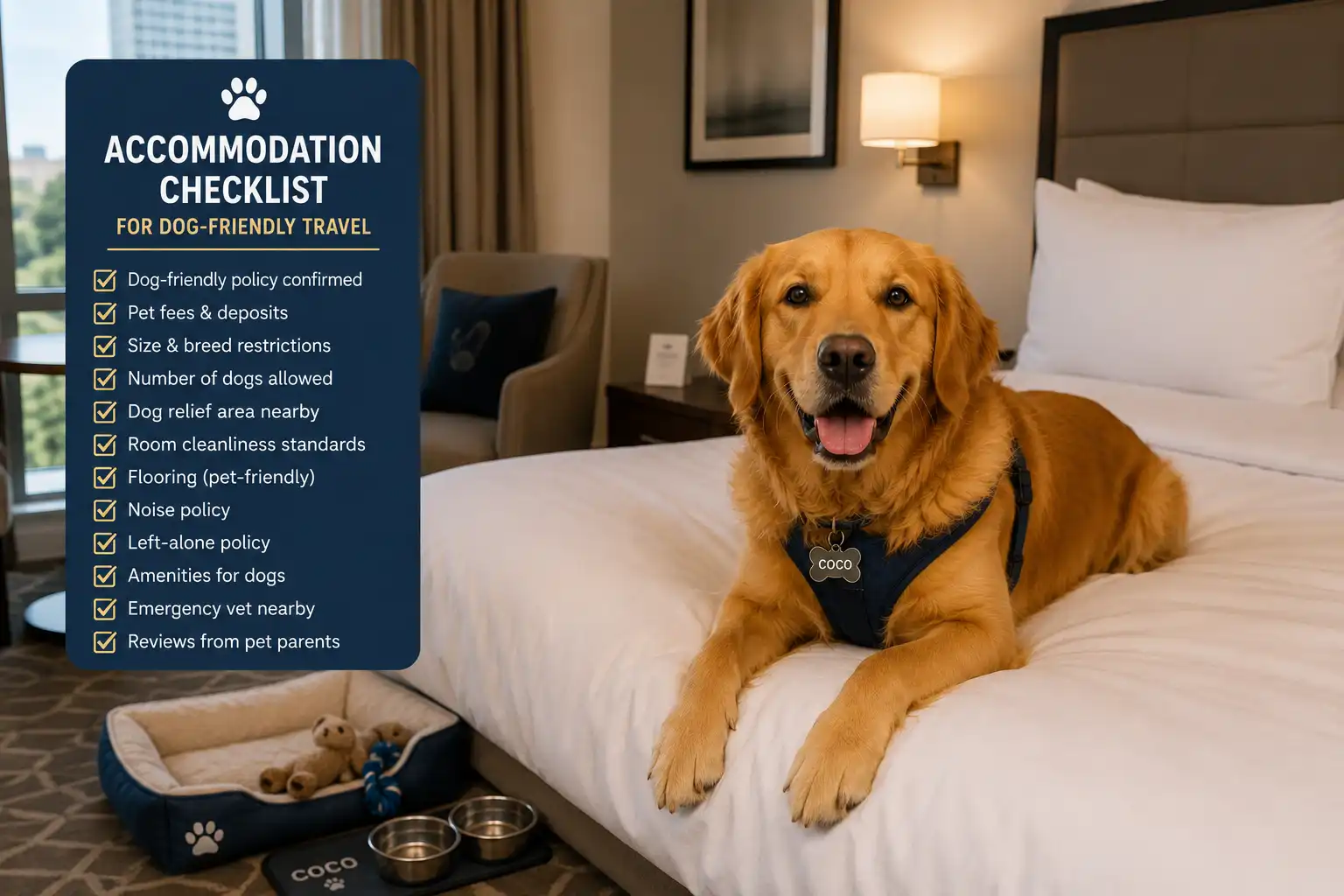
Booking a pet-friendly hotel sounds easy until you arrive and discover;
- The pet fee is higher than expected
- Dogs aren’t allowed in common areas
- Your dog-friendly room is three elevator rides away from the nearest patch of grass.
That’s why I never booked the hotels blindly. I ask ten different questions first before booking the accommodation place, so should you.
Before reserving your stay, confirm the hotel’s actual pet policy. Don’t just confine yourself to the label that pets are allowed. And when you go there, they have weight limits, breed restrictions, pet stay fees, or some other rules that can make or break your trip.
So, here are a few questions that you should ask before booking:
- Is the pet fee charged per night or per stay?
- Are there size or breed restrictions?
- Can dogs be left alone in the room?
- Are dogs allowed in outdoor or common areas?
- Is there a nearby walking or potty area?
- Are ground-floor rooms available for easier bathroom breaks?
One of the biggest mistakes dog owners make is assuming pet-friendly means designed for dogs. In reality, your dog’s comfort depends mostly on what you bring into the room.
As soon as I check in with Coco, here’s what I do:
- Make a calm and comfortable setup
- Lay down his favorite bedsheet to make him feel at home
- Keep his bowls, toys, and treats in the corner
- Set up his crate for relieving him
Once all these things are set up, I then do a quick tour to keep snacks, cords, and any harmful stuff out of reach. And once I’m done with it, I keep Coco outside for a walk to make him relax and enjoy nature a bit. I have compiled a list of Texas state parks that you can also visit with your dog.
This way, I make our accommodation feel nothing but like home.
Packing for Camping and Outdoor Adventures
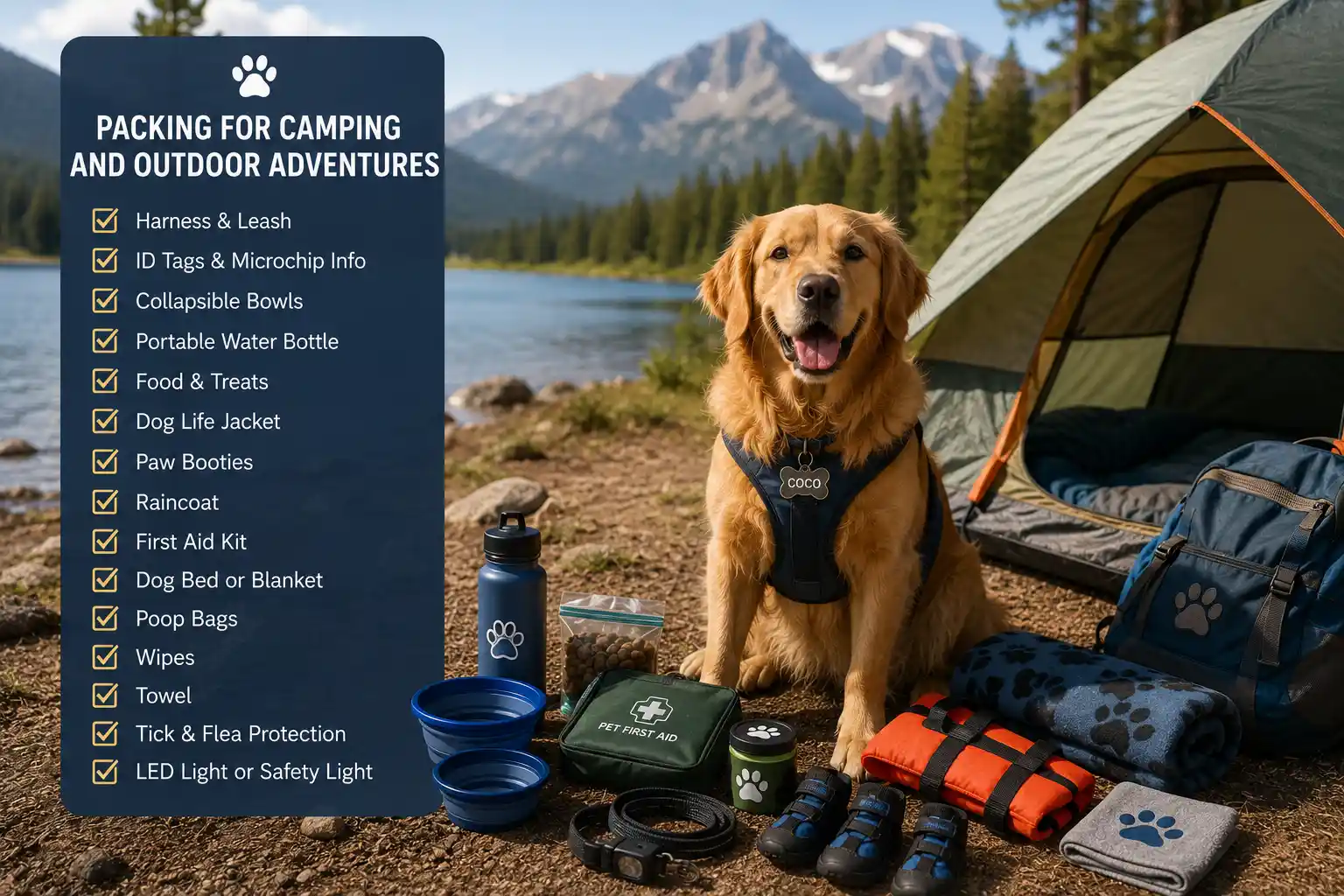
Whenever I camp with my dog, I focus on gear that improves comfort and protects him, and makes outdoor movement easier. When checking for hiking trails in Texas, these are the camping essentials I never leave behind:
- Comfortable towel or blanket to insulate my dog
- Lightweight bedding
- Protective dog boots for hiking and rough trails
- Weatherproof jacket
- An LED collar light
- Life jacket
- Hiking backpack for Coco
- A long leash
- Water bottles and treats
- First-aid kit and medications
Consider items like puppy pads or orthopedic beds, especially for smaller breeds like the Mini Bernedoodle, who may need a little extra support or comfort.
You don’t have to assume that everything will be fine once you’re out for adventure with your dog. Keep everything with you in case anything happens, and you don’t get panicked.
You’ve learned so much about what to bring; now you must also know what you should not bring when traveling with a dog.
Things Not to Bring When Traveling With a Dog
If you’re traveling by air or by road, make sure you don’t bring some stuff that might cause problems for you. Here’s a list of these things that you must avoid:
- Loose toys or treats because they can become choking hazards.
- Remove leashes and harnesses before check-in
- Bulky bedding or large dog beds
- Sedatives and tranquilizers
If you’ve come this far, scroll down to know how to choose the right luggage for traveling with your dog.
Choose the Right Luggage for Traveling With Your Dog
Choosing the right luggage for your dog’s travel essentials can make your entire journey safe and less stressful. While traveling, make sure you pack a separate luggage bag for your dog. It should include all the items from bedding to jackets and leashes to bowls. This way, you can access all the items without making a mess. You can also add food and treats in the same bag that you don’t need on your way.
Then, what I do is keep all the medications in one box and keep it within the same bag. And then, I make a backpack that includes a first-aid kit, food and treats, water bottles, and a leash. Besides this, I keep a squeezable bowl in that bag for feeding him on our way.
A separate bag for your dog can make airport and hotel check-in less chaotic and save you from the hassle of scattered items across multiple bags. Experts recommend choosing bags with durable materials, leak-resistant compartments, proper ventilation, and easy-to-clean interiors for long-term travel convenience.
If you’re flying, always confirm that your carrier or pet travel bag meets your airline’s current size and safety requirements before departure.
How to Travel With a Dog Long Distance: Practical Tips From Experienced Pet Travelers
Long-distance travel with a dog sounds exciting, but honestly it might be a hassle if it’s your first time traveling with a dog. Your pup might get restless, spill water on seats, or not eat anything at all during the commute. All these things can be stressful. So, here are some practical tips on how to travel with your dog:
The first thing you should do when taking ownership of your dog is to make him familiar with travel. Go for short trips more often with them so they get familiar with this idea of traveling. It’ll be helpful in ways you can’t imagine. You will be slowly reducing their anxiety, motion sickness, and overstimulation.
Start training them to sit comfortably on the back seat.
Then, make sure you understand what they are demanding. Make them feel heard and secure by giving all the things they enjoy at home.
Next, keep them secured during the trip using a crash-tested harness, travel crate, or dog seat belt. A loose dog inside a moving vehicle might lead to accidents.
One underrated travel tip is to keep your dog’s routine as normal as possible. Feed them at familiar times, bring their favorite blanket or toy, and avoid introducing new foods during travel. Familiar smells and routines can make unfamiliar environments feel much safer for dogs.
And finally, pack everything smartly. Keep essentials like water, treats, medication, poop bags, cleaning wipes, and vaccination records within easy reach, not buried at the bottom of your luggage.
The smoother you make the experience for your dog, the smoother the trip becomes for everyone.
Final Thoughts
That’s all you need to know about the dog travel checklist you must have while traveling with your baby. Make sure you plan the commute beforehand and keep all the essentials with you so you don’t make your dog uncomfortable. Besides this, keep them vaccinated and consult the vet beforehand to prepare all the medications.
You need to choose the hotel that is dog-friendly and do your proper research before heading out.
Frequently Asked Questions
1. What is the safest way to travel long-distance with a dog?
Probably by car, if you can swing it. Just make sure they’re secured with a harness or in a crate.
2. How do I find pet-friendly accommodations?
Use filters on hotel sites and double-check the property’s actual pet policy. Read reviews from other pet parents.
3. Can I fly with my dog in the cabin?
Yes, if they’re small enough. Most airlines allow dogs under a certain weight in approved carriers.
4. What documents do I need for international dog travel?
Usually a health certificate, vaccination records, and sometimes a pet passport. Every country’s different.
5. How can I calm my anxious dog while traveling?
Try anxiety jackets, calming treats, or even pheromone collars. Bring familiar items—they help.
6. What should I pack for my dog’s first trip?
Start with the basics: food, water bowls, leash, bed, ID tags, medical records, and waste bags.
7. Are there apps to help plan dog-friendly trips?
Yep! Try BringFido or AllTrails for dog-friendly parks, hotels, and more.
8. What if my dog gets sick on vacation?
Find the nearest vet or emergency clinic. Always pack their health info just in case.
9. Can I bring my dog on public transportation?
Sometimes. It depends on the system—some allow small pets in carriers, others don’t at all.
10. What’s one thing most people forget to pack?
Probably extra water or their favorite toy. Oh, and waste bags. Always bring more of those.

Recent Posts
 Guided River Tours and Fishing Charters: From Fish to Rapids
- Texas Hill Country Wildflowers: Where & When to See Blooms (2026 Updated)
- 10 Hotels to Avoid in Las Vegas in 2026 (And Why Guests Keep Complaining)
- 25 Most Beautiful Places in Texas to Take Pictures
- The Ultimate Texas in Summer Travel Guide: Best Places to Visit in 2026