11 Secret Old West Towns in Colorado That Still Feel Wild & Historic
Visiting old west towns in Colorado takes you back to the Wild West in ways modern cities cannot. These small places, tucked into valleys or perched on mountain passes, still hold the scars of mining rushes, saloon days, and rough frontier living.
Unlike the more famous stops, the 11 old west towns in Colorado in this guide remain quieter, less crowded, and surprisingly intact.
Here you’ll learn how to find them, the best time to go, and what to expect when you arrive. From ghostly main streets to historic buildings that have stood for more than a century, each town carries stories of gold discoveries, silver dreams, and the communities that tried to last in unforgiving landscapes.
Travelers will gain more than history lessons here. You’ll pick up practical trip ideas, safety tips for backcountry roads, and photography advice for capturing the character of these rugged places.
Whether you plan a short day trip or a loop across the mountains, this guide will help you see a side of the Old West that most visitors miss.
How to Explore Old West Towns in Colorado (Before You Pick One)
Before setting off, a little planning makes the experience much smoother. Many of these towns sit at high elevation, with access limited to certain seasons.
Summer and early fall are the best times since roads are clear and passes remain open. In winter, snow closes many routes. Shoulder seasons like late May or early October can work, but always check conditions first.
Road quality varies widely. Some ghost towns require 4WD to reach, especially after storms. Popular towns closer to Denver or Colorado Springs may have paved access, but places hidden deep in the San Juans or Pikes Peak region often sit at the end of rocky, unpaved tracks.
Keep in mind:
- Carry water, snacks, and layers. Weather shifts quickly.
- Cell coverage is spotty. Have offline maps or GPS.
- Bring cash for museums, small shops, or entry fees.
- Check museum schedules in advance. Some open only from Memorial Day to Labor Day.
Trip lengths differ. A few towns work well as quick roadside stops, while others deserve half a day with hikes or mine tours. Grouping towns by region helps maximize your trip.
For example, you can explore Silver Plume, Central City, and Idaho Springs in one sweep along the I-70 corridor. Or spend a long weekend tackling Ophir and nearby mining districts in the San Juans.
The 11 Secret & Historic Old West Towns in Colorado
1. St. Elmo (Chaffee County)
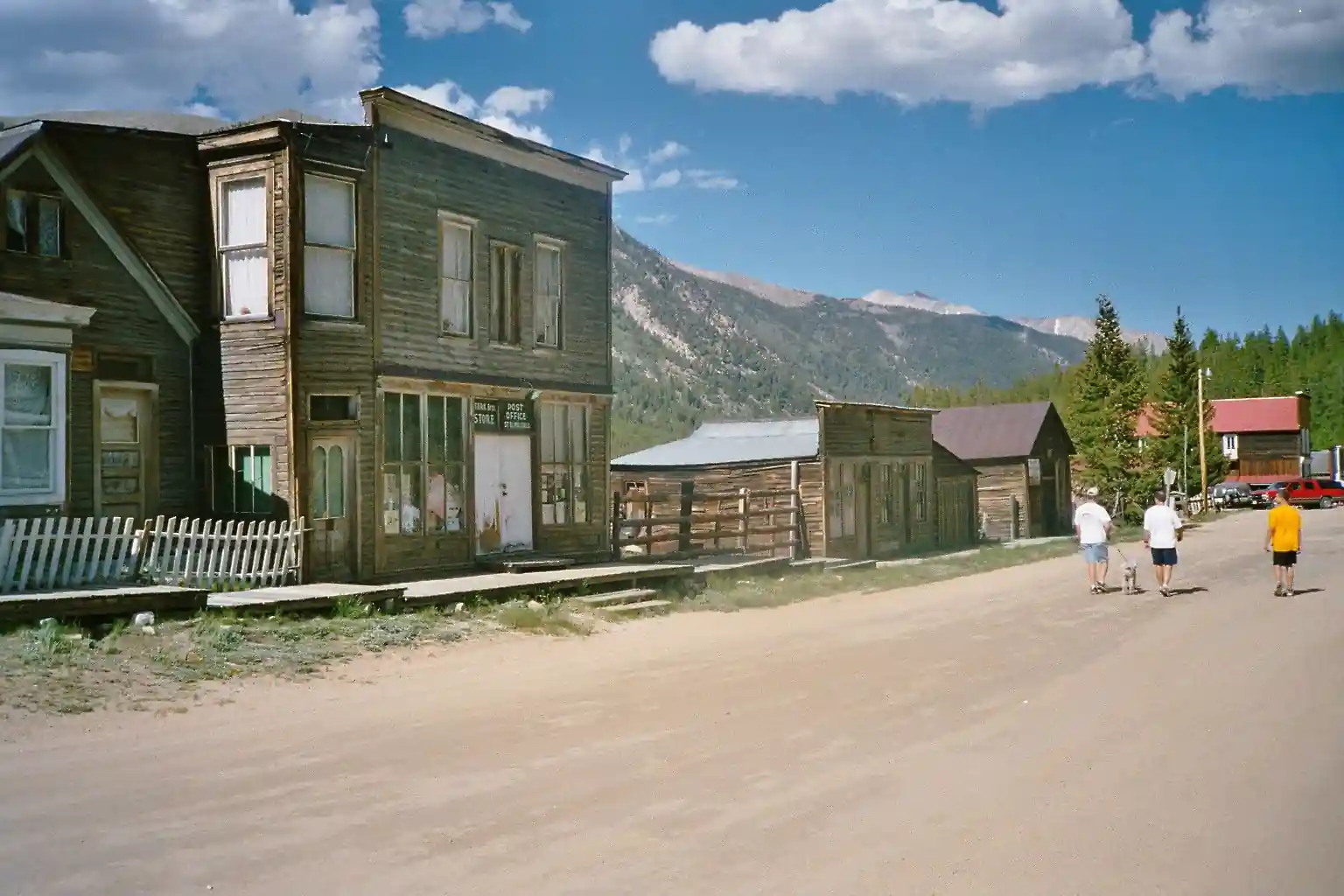
St. Elmo is often called one of the best-preserved ghost towns in the state. Wooden sidewalks, a general store, and rows of old cabins remain standing.
The town once thrived during Colorado’s gold mining boom but now feels frozen in time. To reach it, take Chalk Creek Road west from Nathrop. A 4WD is useful in wet conditions, but most of the way is manageable for regular vehicles in summer.
The best time for photography is late afternoon when sunlight filters through the valley, lighting up weathered storefronts. Visit in June or September for fewer crowds.
2. Ashcroft (Pitkin County, near Aspen)
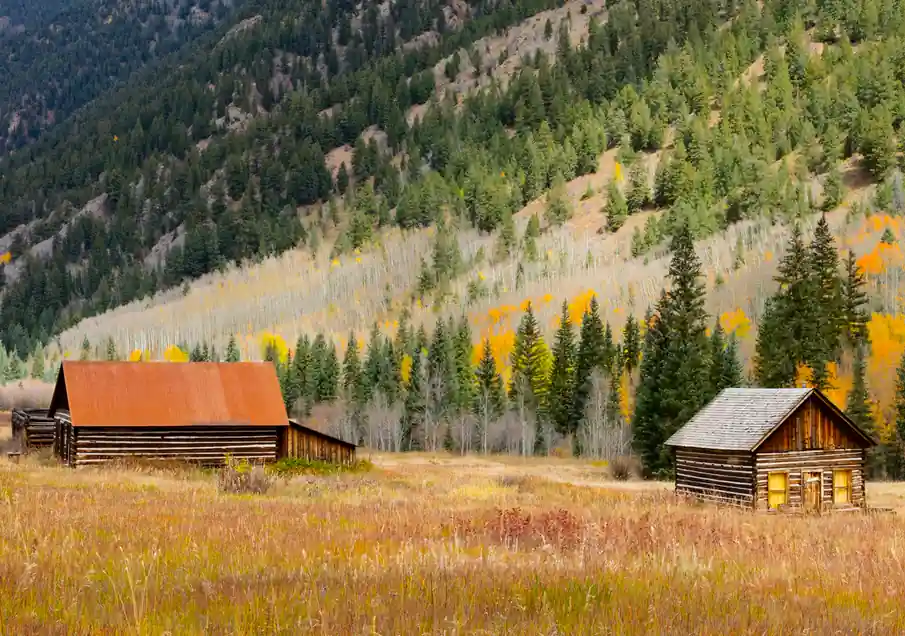
Hidden south of Aspen, Ashcroft was once a booming mining town. By the 1880s, it supported dozens of saloons and hotels. Today, visitors see only a handful of preserved structures backed by mountain views. Its ruins give a quieter feel compared to more commercialized sites.
You can reach Ashcroft via Castle Creek Road, a scenic drive that takes about 30 minutes from Aspen. Pair it with a hike on nearby trails or continue over Independence Pass for one of the most photogenic drives in the American West.
3. Garnet / Walden Area Mining Sites
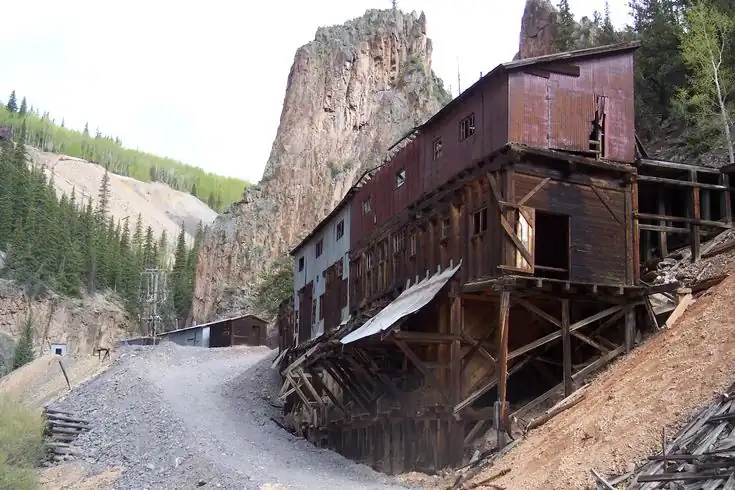
Small and scattered, the mining camps near Walden often go unnoticed. What sets them apart is their raw state. You’ll find collapsed cabins, mining remnants, and forest roads with little signage. These sites are best suited to travelers comfortable with navigation and self-guided exploration.
If you go, download Forest Service maps or apps like Gaia GPS in advance. Carry supplies, as services are non-existent here. For those who enjoy uncovering little-known places, Garnet and its neighboring sites offer authentic traces of Colorado’s mining history without the crowds.
4. Ophir (San Juan Mountains)
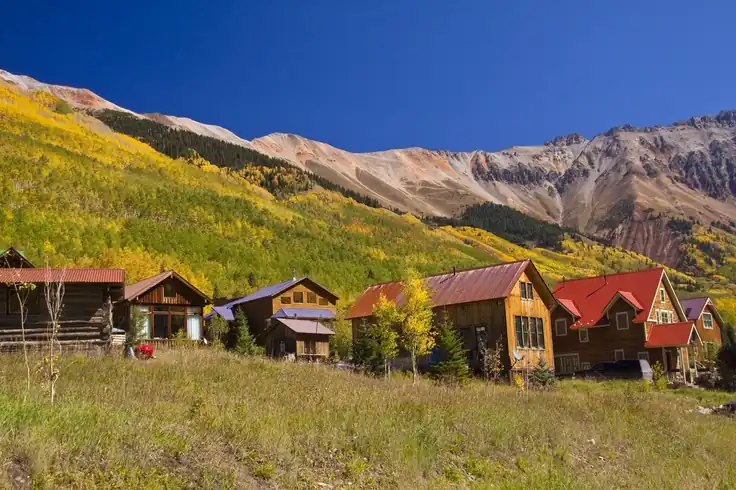
Ophir sits high in the San Juan Mountains, far from major highways. It started as a mining town, supplying ore during early gold discoveries and later silver booms. Today, fewer than 200 people live here, giving it a mix of active community and historic landmarks. The surrounding peaks and passes make the drive alone worth it.
To get here, take Highway 145 between Telluride and Silverton. The town sits at over 9,500 feet, so be prepared for thinner air and sudden storms.
Summer is best for visits, as winter closes most backroads. Hiking trails nearby lead deeper into old mining districts that once defined this corner of the Wild West.
5. Silver Plume and the Front Range Corridor
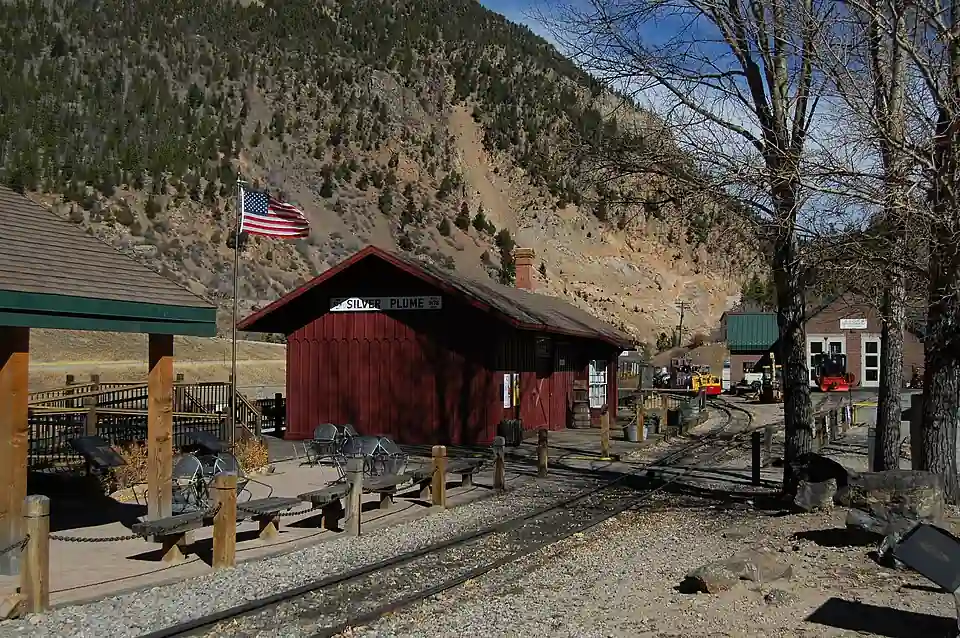
Tucked between Georgetown and the Eisenhower Tunnel, Silver Plume looks quiet at first glance. Yet it holds some of the most atmospheric streets in Colorado. The old post office, weathered storefronts, and the remnants of railroad yards showcase the town’s strong connection to the state’s mining industry.
Silver Plume is part of a cluster that includes Rollinsville and Lawson, all tied to Colorado’s earliest gold towns. Many visitors skip them while heading to bigger names like Central City. That makes this trio perfect for travelers seeking authentic Western history without crowds.
A stop here also connects well with historic trains that run along the Georgetown Loop Railroad.
6. Gold Camp Road Ruins & Railroad Camps (Pikes Peak Region)
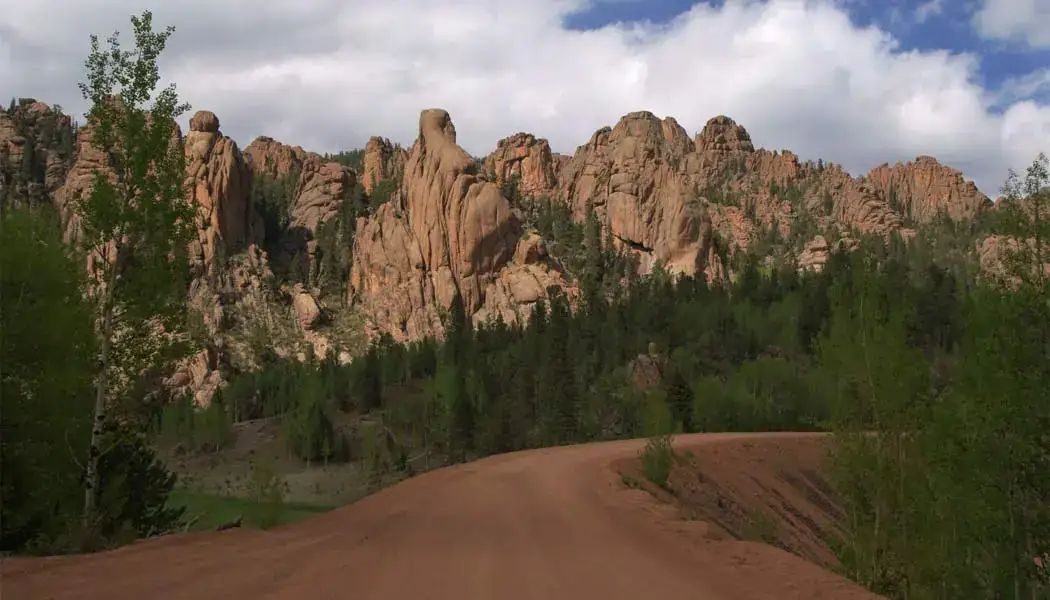
The Pikes Peak region hides one of the most fascinating drives for history lovers. Gold Camp Road follows an old railroad grade that once linked mining towns around Colorado Springs.
Along the way, you’ll find collapsed tunnels, faint building outlines, and rusted mining relics. These are subtle sites, more ruins than towns, but they carry powerful stories of the gold rush era.
Access begins near Old Stage Road above Colorado Springs. Some segments require high-clearance vehicles, and a few tunnels remain closed due to collapses. Still, hikers and photographers can capture dramatic red rock canyons and sweeping views.
Take caution here: stay on marked paths, and remember that parts of this route fall under Forest Service management.
7. Old Roach (Larimer County)
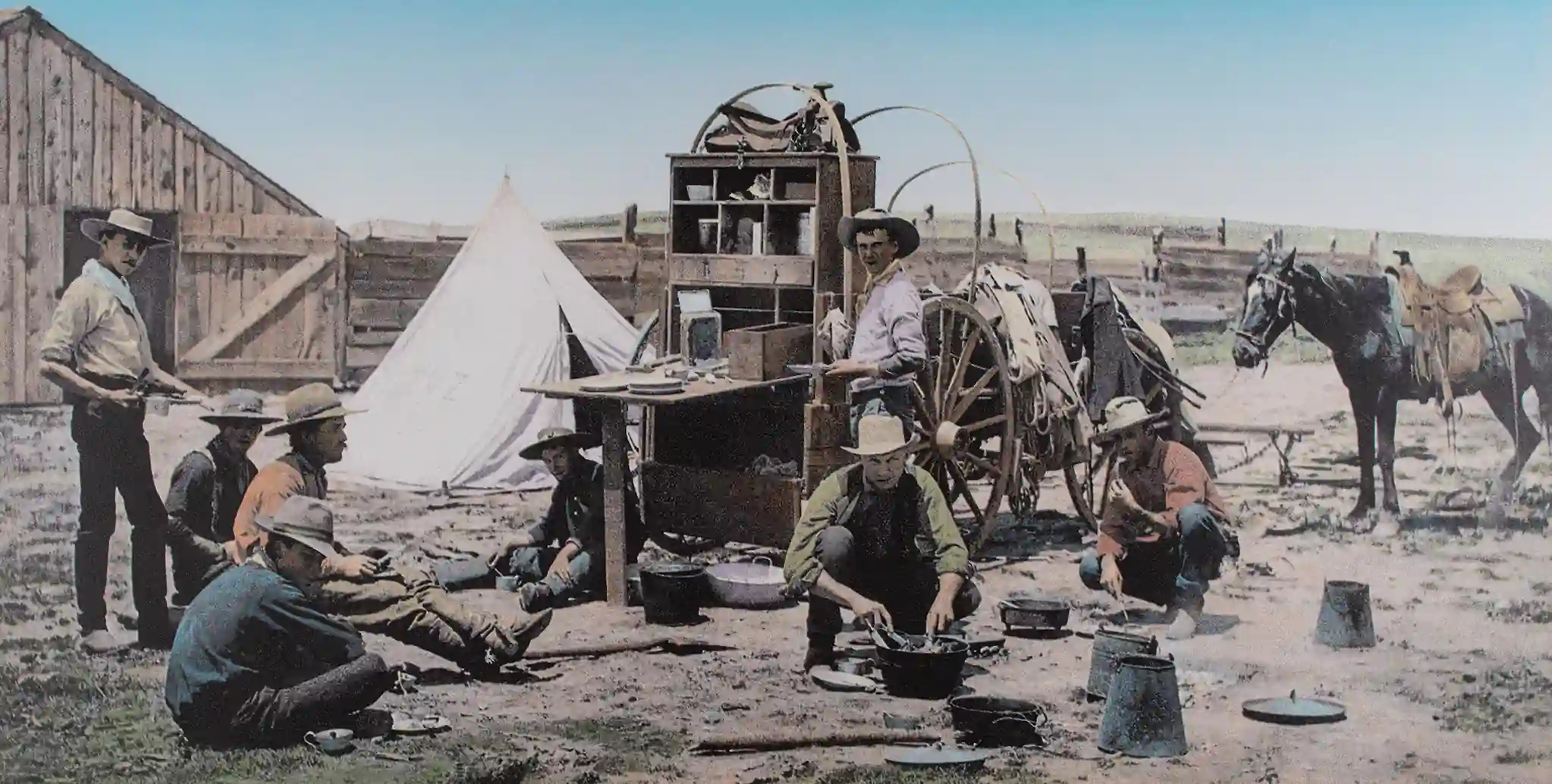
Most people think of gold mining when they picture old cowboy towns in Colorado, but Old Roach tells a different story. This settlement supported the railroad industry by cutting timber for railroad ties. Built in the early 1900s, it thrived briefly before vanishing almost overnight.
Today, the forest has reclaimed much of the site, leaving only stone foundations, logging flumes, and traces of splash dams.
Reaching Old Roach requires GPS coordinates or detailed maps, since signage is minimal. Visitors should pack essentials and plan for a remote experience with no services. The trip rewards those who enjoy Western history beyond gold mining, showing how the mining industry depended on timber towns like this one.
8. Boggsville (Bent County)
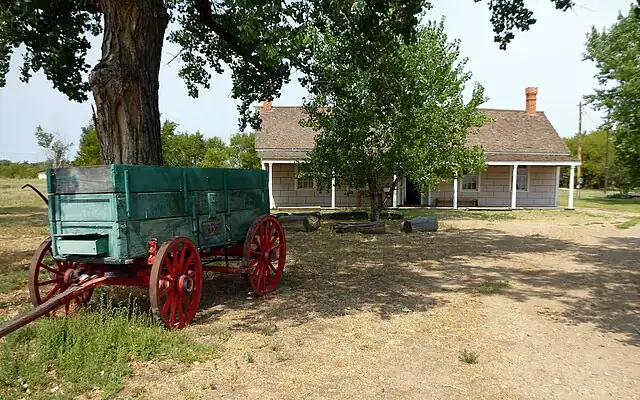
Boggsville is far from the mountains, located on the open plains of southeastern Colorado. Its history is tied to early settlement, stagecoaches, and even Kit Carson, who spent his final days here. What makes it unique is the territorial-style architecture, with adobe houses like the Boggs House and Prowers House still standing.
The site lies near Las Animas and can be reached by paved highways, making it easier to access than many ghost towns. It is small but well preserved, with plaques and displays detailing its role in the American West.
Boggsville also connects to stories of American Indian tribes and the transition from frontier outposts to structured towns. For anyone asking, “are there any old west towns in Colorado on the plains?” this is one of the best examples.
9. Berwind and Tabasco (Southern Colorado)
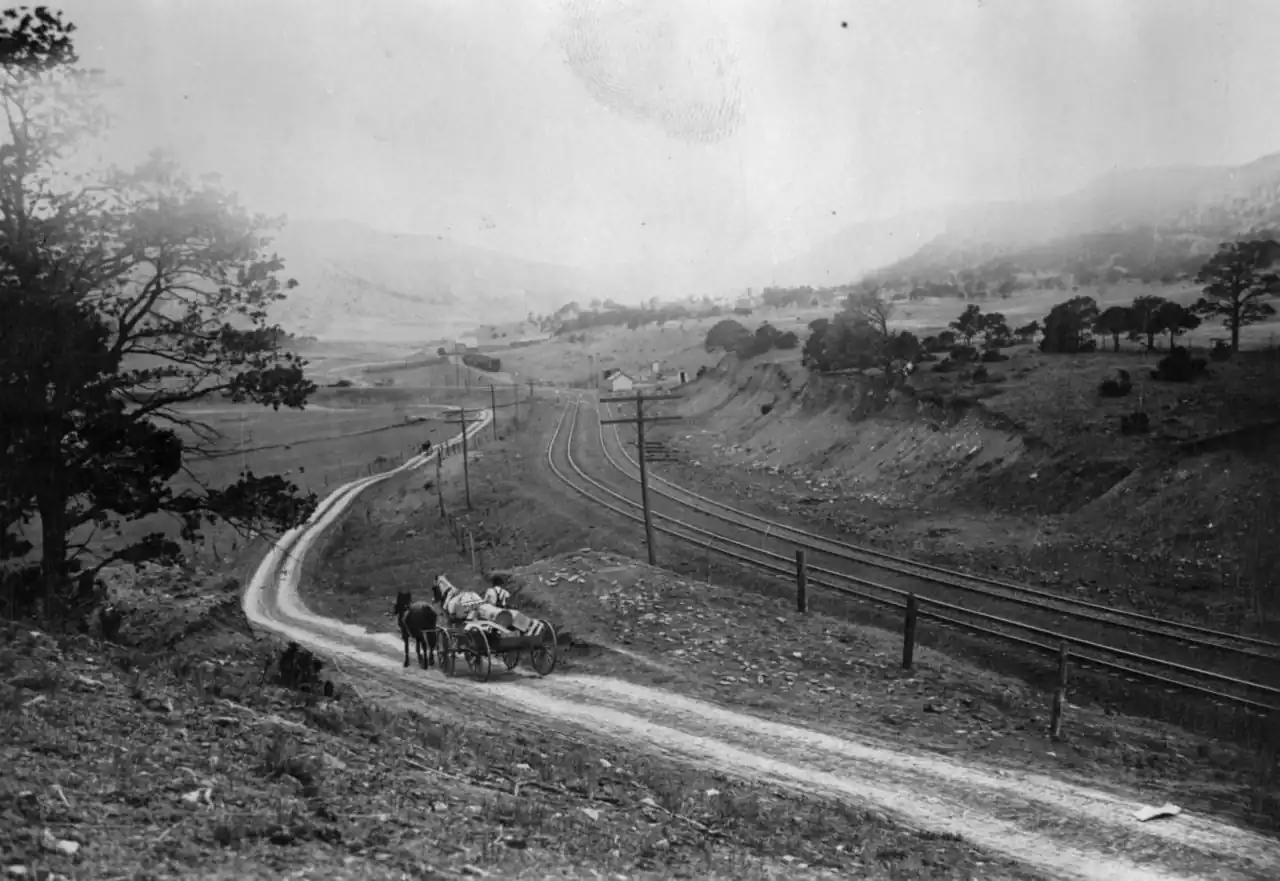
Unlike the famous gold camps, Berwind and Tabasco were coal company towns. Built during the early 20th century, they housed workers in the coalfields near Trinidad.
Their story is tied to labor conflict, including the Colorado Coalfield War and the Ludlow Massacre of 1914. Visiting these ruins gives you a sense of how difficult life was for immigrant families who worked in harsh conditions.
Foundations, scattered relics, and railroad traces remain. Access is limited, so visitors should check local directions or heritage sites connected to the coalfield region. These towns offer a different side of Colorado’s old western towns, focusing not only on mining rushes but also on the struggles that shaped worker rights in the U.S.
10. Eldora (Boulder County)
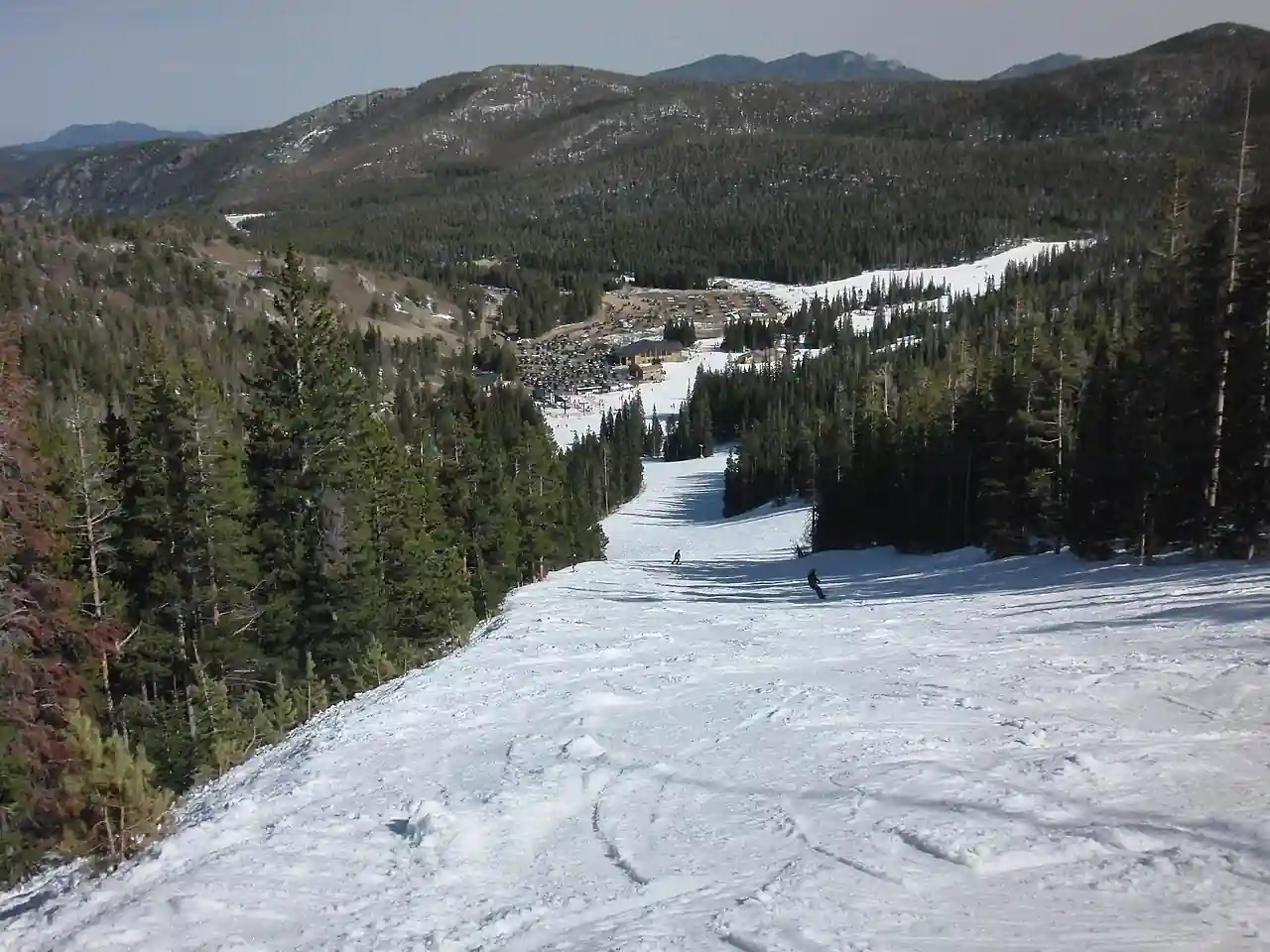
Eldora sits deep in the Roosevelt National Forest, not far from Nederland. While small, it remains one of the more famous old west ghost towns in Colorado because parts of its historic district are still intact. The town grew during silver and gold mining booms, then shifted toward tourism as nearby ski slopes developed.
You can stroll past preserved cabins and historic preservation sites while also hiking into surrounding trails. Access is fairly easy from Boulder, but winter weather can cut off the area quickly.
Eldora offers a mix of natural beauty and historic landmarks that remind visitors how quickly fortunes rose and fell during Colorado’s mining rushes.
11. Georgetown–Silver Plume Back Alleys
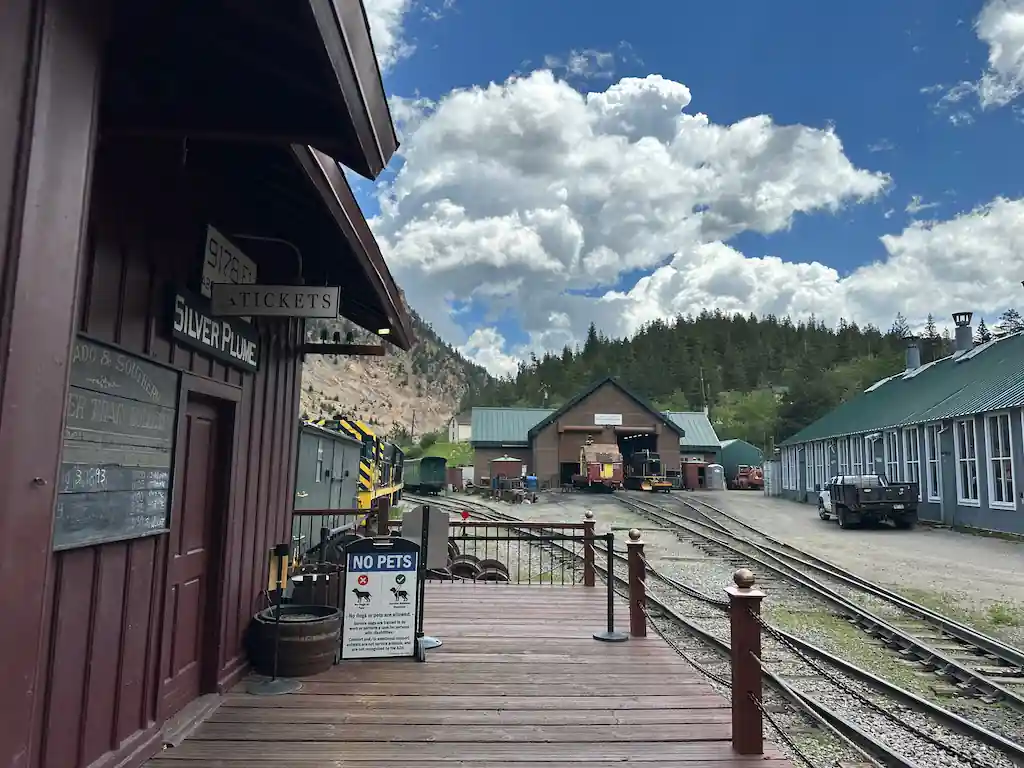
Most travelers stop in Georgetown for the well-known railroad and museums, but the quieter back alleys and side streets reveal another layer. Here, faded signage, forgotten storefronts, and overlooked relics tell stories beyond the main drag.
Linking Georgetown with Silver Plume, the historic trains of the Georgetown Loop Railroad still rumble through the valley, echoing the sounds of the Old West.
Take time to wander off the central square. You’ll find glimpses of Colorado’s earliest gold towns preserved in corners where tourists rarely go. Paired with a ride on the railroad, it’s a perfect way to close a loop through some of the best old west towns in Colorado to visit.
Suggested Day Trips & Mini Circuits
Not every traveler has time to see all 11 towns in one journey. Grouping them into short circuits helps maximize your visit. These loops work well for weekend trips or even long day drives.
Front Range Corridor
- Start in Idaho Springs, known for its gold mining roots and small-town charm.
- Continue to Central City, once nicknamed the “Richest Square Mile on Earth.” The casinos draw attention today, but the historic landmarks and museums give a glimpse into its past.
- Finish in Silver Plume with a quiet walk along its streets before hopping on the Georgetown Loop’s historic trains.
San Juan Mountains Route
- Drive through the dramatic passes to reach Ophir, then loop through Silverton and Ouray.
- If you continue north, stop in Crested Butte, a former mining district that turned into a mountain paradise. Its mix of Victorian storefronts and alpine scenery makes it one of the best old west towns in Colorado to visit.
Southern Plains and Coalfields
- Start with Boggsville, then travel south to Trinidad to see the ruins of Berwind and Tabasco.
- This circuit covers early settlement history, coal mining, and the struggles of immigrant families.
Grand Lake and Beyond
- North of Denver, head to Grand Lake. Its wooden boardwalks and lakefront views combine history with recreation. Visit the Kauffman House Museum to see how settlers lived near Rocky Mountain National Park.
- Nearby, stop at Hot Sulphur Springs to soak in mineral-rich waters before looping back.
These itineraries balance access, history, and scenery. A rental car is essential, and four-wheel drive helps for towns like St. Elmo.
Local Stories, Legends & Lore
The Wild West wasn’t only about mines and saloons. Every town carries its own stories. In Cripple Creek, once part of the Cripple Creek Mining District, prospectors struck one of Colorado’s richest gold veins. Today you can still take the Mollie Kathleen Gold Mine tour to descend 1,000 feet underground.
Some towns became linked to outlaws. Stories of Butch Cassidy passing through southern Colorado remain popular with locals, though historians debate the details. In contrast, entertainers like Buffalo Bill shaped how the Old West was remembered worldwide. His shows toured the globe, and today you can visit the Buffalo Bill Museum and Grave near Golden.
Theaters and opera houses also played roles. Aspen’s Wheeler Opera House opened in 1889 and still hosts performances. In Telluride, mining wealth supported grand venues that later fell silent as booms faded. Now, they serve as heritage sites that keep Western history alive.
Not all tales are glamorous. The Waldo Canyon Fire in 2012 burned parts of the Pikes Peak region, reminding travelers that nature still shapes this landscape. Old cowboy towns in Colorado were always vulnerable to both human struggles and natural disasters.
When & How Much: Timing, Seasons & Costs
Planning the right season makes or breaks a trip to these towns. Most old west towns in Colorado sit above 8,000 feet. Snow blocks roads from late fall through spring, so summer and early autumn give the best access.
- Best months: June through September.
- Shoulder months: May and October (good if you don’t mind unpredictable weather).
- Winter: Limited to lower-elevation towns or those near ski resorts like Crested Butte.
Entry costs vary. Some sites are free ghost towns, while others charge museum fees. Here’s a general idea:
- Museums: $5–$15 per adult.
- Mollie Kathleen Gold Mine tour: Around $30 per person.
- Soaking at Hot Sulphur Springs: $25–$30.
- Local Heritage Museum passes: usually under $10.
Other costs to budget for:
- Fuel: Distances add up quickly; fill up before leaving main highways.
- Lodging: $80–$150 for motels in nearby towns, or $150+ for cabins.
- Camping: Many National Forest campgrounds run $20–$35 per night.
- 4WD rental upgrades: Expect $70–$100 extra daily if your rental requires it.
Hidden costs can include road repair fees on backcountry routes, seasonal parking charges, or higher food prices in remote towns. Carry cash since some historic landmarks don’t take cards.
Photography & Exploration Tips
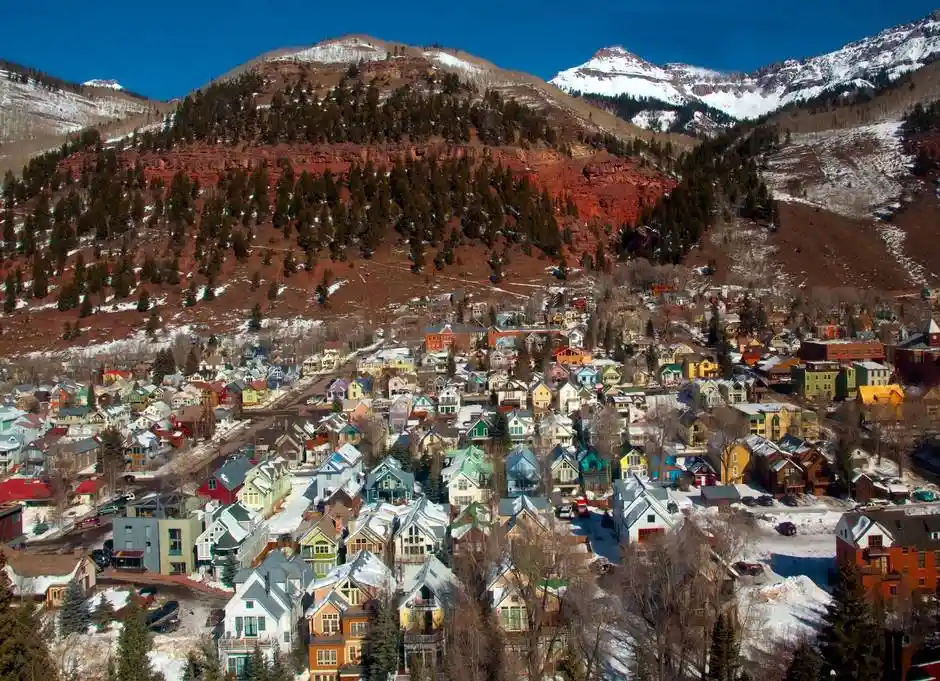
Ghost towns offer some of the most dramatic backdrops in the state. To make the most of your shots, timing and angles matter.
Best times for photos:
- Golden hour: Early morning or late evening light adds texture to wooden storefronts.
- Blue hour: Just after sunset, ghost towns glow with eerie atmosphere.
- Winter snow: Creates stark contrast against weathered cabins.
Framing tips:
- Shoot through broken windows to capture interiors.
- Use leading lines from old rail tracks or fences.
- Highlight rusted tools, signage, or mining relics for detail shots.
Safety advice while exploring ruins:
- Avoid climbing unstable floors or leaning on walls.
- Wear boots with grip to prevent slips on debris.
- Watch for exposed nails and metal.
Drone photography:
- Allowed on most public lands, but avoid flying over private property.
- National Parks like Rocky Mountain National Park prohibit drones.
- Check Forest Service rules before launching.
Explorers who prefer walking tours can also try the Vindicator Valley Trail, where interpretive signs explain mining history alongside photogenic remains. For a cultural angle, capture stalls selling native American jewelry in Central City or Silverton — small details that connect modern life to Western history.
Access, Maps & Navigation Tools
Many old western towns in Colorado are tucked into remote valleys or at the end of rugged mountain roads. Having the right navigation tools makes all the difference.
Recommended tools:
- Offline apps: Gaia GPS, AllTrails, and Avenza Maps let you download Forest Service and BLM layers.
- Paper maps: Always carry a Colorado Atlas & Gazetteer in case batteries die.
- GPS coordinates: Many ghost towns like Old Roach or Garnet camps don’t appear on Google Maps. Use GPS points provided by historical societies.
Road classifications:
- Paved highways: Central City, Idaho Springs, Georgetown.
- Gravel roads: Ashcroft, St. Elmo (passable in summer for most cars).
- 4WD tracks: Ophir, Gold Camp Road, and routes near Crested Butte.
If you plan to connect towns in clusters, mark your loop in advance. For example, a Trail Ridge Road drive through Rocky Mountain National Park links Grand Lake, Hot Sulphur Springs, and smaller sites like the Lulu City Trail. Scenic but seasonal, this road typically opens only from late May to October.
What to Bring & Travel Safety
Exploring ghost towns feels adventurous, but you’ll need to prepare like you’re heading into the backcountry.
Essentials:
- 2–3 liters of water per person.
- Snacks or energy bars (services are rare).
- First aid kit, flashlight, and extra batteries.
- Compass or backup GPS unit.
Clothing:
- Layered gear — weather changes quickly at altitude.
- Hiking boots with ankle support.
- Gloves and hats, even in summer at higher passes.
Communication:
- Carry a satellite messenger or emergency beacon if traveling alone.
- Tell someone your route and estimated return.
Respect the sites:
- Don’t remove artifacts, no matter how small.
- Avoid climbing fragile structures.
- Follow signs at heritage sites like the Outlaws & Law Men Jail Museum or Rock Ledge Ranch Historic Site.
Cowboy potlucks and community events sometimes pop up in towns like Cripple Creek or Victor. If you stumble onto one, join respectfully — they’re a chance to meet locals who keep Western history alive today.
My Final Thoughts
Traveling through old west towns in Colorado is like stepping into a living museum of the frontier. From quiet ghost towns like St. Elmo to coal camps such as Berwind, each site shows a different piece of Colorado’s story. You’ll see the scars of gold mining, the struggles of immigrant workers, and the resilience of communities that held on against harsh conditions.
These towns aren’t polished attractions. Many remain fragile, preserved through historic preservation efforts and community care. That’s what makes them powerful. They connect you directly with the Wild West spirit while offering real lessons about survival, ambition, and change.
Whether you choose a quick circuit near Idaho Springs and Central City or a week-long loop through Crested Butte, Grand Lake, and beyond, you’ll discover that the best old west towns in Colorado reveal more than ruins. They give you a sense of place, linking today’s highways with the rough trails carved by pioneers.
Pick one, plan carefully, and go see it for yourself.
Frequently Asked Questions
1. Are there any old west towns in Colorado still inhabited?
Yes. Places like Ophir and Crested Butte still have small populations while keeping their old west character alive. Others, like Ashcroft or St. Elmo, are preserved as ghost towns with no residents.
2. Which are the best old west towns in Colorado for first-time visitors?
Central City, Cripple Creek, and Silver Plume are easy to reach from Denver. They combine history with attractions like casinos, museums, and scenic train rides.
3. Can you visit an old west town near Colorado Springs?
Yes. The Gold Camp Road ruins, Ghost Town Museum, and Rock Ledge Ranch Historic Site make good options. These are all within an hour’s drive of downtown.
4. What season is best for exploring old cowboy towns in Colorado?
Summer and early fall are ideal. Roads are clear, museums are open, and weather is more predictable. Winter access is limited unless you’re visiting ski towns like Crested Butte.
5. Are guided tours available?
Yes. Popular towns like Cripple Creek offer guided mine tours such as the Mollie Kathleen Gold Mine. Others, like Glenwood Springs, connect history with modern attractions like hot springs and walking tours.
6. What safety issues should I expect?
Most risks come from altitude, sudden storms, or unstable structures in ghost towns. Wear proper shoes, bring extra water, and don’t explore crumbling buildings.
7. Can you find old wild west towns in Colorado that feel authentic?
Absolutely. Towns like Silver Plume, Georgetown’s side alleys, and Old Roach keep much of their raw atmosphere without heavy tourism.
8. Are these towns family-friendly?
Yes. Museums like the Colorado Railroad Museum and the ProRodeo Hall of Fame in Colorado Springs provide hands-on exhibits that kids enjoy.

Recent Posts
 Guided River Tours and Fishing Charters: From Fish to Rapids
- Texas Hill Country Wildflowers: Where & When to See Blooms (2026 Updated)
- 10 Hotels to Avoid in Las Vegas in 2026 (And Why Guests Keep Complaining)
- 25 Most Beautiful Places in Texas to Take Pictures
- The Ultimate Texas in Summer Travel Guide: Best Places to Visit in 2026