How to Reach Yukevalo Island: Complete Route Guide 2026
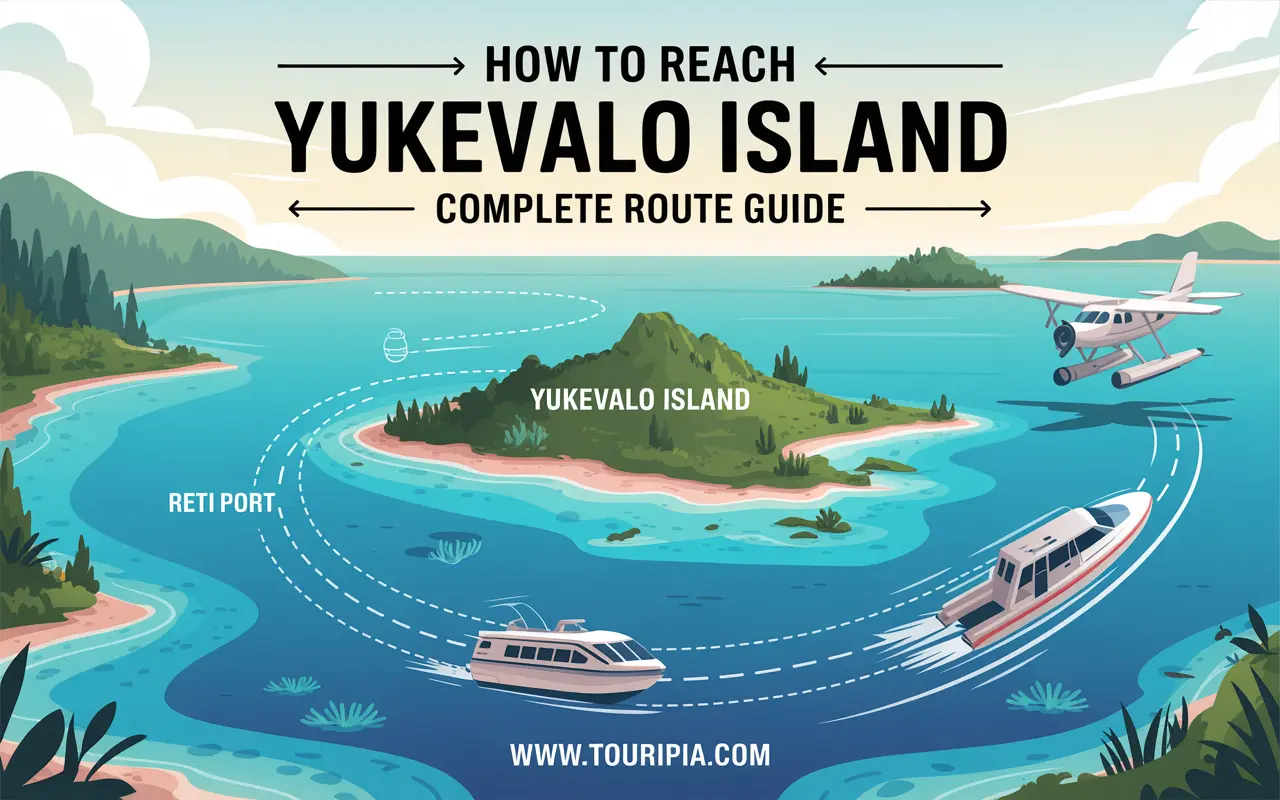
Yukevalo Island sits deep in the South Pacific, surrounded by crystal-clear waters, coral reefs, and stretches of untouched coastline that still feel genuinely remote. Even after decades of travel across islands in Polynesia and Melanesia, this place stood out for its quiet intensity and cultural depth.
Reaching Yukevalo Island is not difficult, but it does require planning. Flights, ferry routes, and boat transfers all play a role. Miss one connection, and you wait. Time moves slower here, and logistics reward patience.
This Complete Guide focuses on how to reach Yukevalo Island in 2026, step by step. It covers international hubs, regional flights, seaplane services, and the final ferry journey into Reti Port. I also address seasonal conditions, average transport costs, and the small details most guides overlook.
Understanding Yukevalo Island’s Location and Accessibility
Yukevalo Island lies in a remote Pacific region, part of a small volcanic island chain off the southeastern coast of the South Pacific.
The island measures roughly 5 kilometers at its widest point, edged by reefs, mangroves, and steep coastal cliffs.

There is no international airport on Yukevalo Island. All arrivals involve multiple legs, combining small aircraft, ferry routes, or seaplane services across the Pacific Ocean. This natural barrier is exactly why the island remains uncrowded.
Infrastructure here is intentionally limited. No highways, no large ports, and only a few designated docks near Reti Port. Local villages depend on fishing revenue, small-scale food production, and eco-friendly travel practices and sustainable tourism rather than mass tourism.
Weather plays a role in accessibility. From October to March, tropical cyclones and storm waves can disrupt sea travel. Events like Cyclone Bebe and El Niño patterns still shape seasonal planning, especially with rising sea levels and storm surge risks.
In 2026, regional travel is improving. Nearby airports are upgrading runways for small planes, and low-emission ferry services are expanding as part of conservation efforts. Compared to Fiji or Vanuatu, Yukevalo Island enforces stricter environmental policies to protect its flora and fauna.
Preparing To Visit Yukevalo Island: Entry Requirements and Essentials
Most travelers can enter Yukevalo Island with a visa on arrival. Your passport must remain valid for at least six months, and immigration officers will ask for proof of onward travel and confirmed accommodation.
Digital processing has improved in 2026. Arrival forms can now be completed online before departure, which reduces delays at regional hubs like Nuvania International Airport. I always keep printed copies as backup after losing mobile access once at Reti Port.
Travel insurance is essential. Princess Margaret Hospital provides basic care only, and medical evacuation relies on air charters and the Iridium satellite network. I recommend coverage that includes remote evacuation and weather-related delays.
Budgeting matters. Expect international flights to range from $500 to $1,500 round-trip. Regional transfers cost $100 to $300, while the Yukevalo Island ferry or boat transfer adds another $50 to $100 depending on season.
Pack light but smart. Breathable clothing, reef-safe sunscreen, bug repellent, waterproof bags, and a power bank are non-negotiable. Cash is critical. The Tuvaluan dollar circulates locally, and card access remains unreliable outside resorts.
Sustainable travel starts before arrival. Avoid single-use plastics, carry refillable bottles, and choose eco-friendly accommodations that support local conservation programs.
Major International Entry Points and Flight Options To Reach Yukevalo Island
Most journeys to Yukevalo Island begin at a major Pacific hub. Over multiple trips, I’ve consistently found Nuvania International Airport (NVA) to be the most reliable gateway in terms of connections and scheduling.
Primary international hubs used by travelers in 2026:
• Nuvania International Airport (NVA)
• Rivertown International
• Pacific City International
NVA handles the highest volume of regional transfers and small aircraft connections into the island chain. Flights arrive here from London, Tokyo, Dubai, and Sydney, often with one long-haul stop depending on origin.
Common flight routes I recommend:
• Europe or North America → Sydney or Tokyo → NVA
• Asia or Middle East → Direct or one-stop flight to NVA
• Oceania → Direct regional flight to NVA
From NVA, travelers continue via propeller planes operated by carriers like Island Air or Coastal Wings. These small planes fly low over the Pacific Ocean, giving clear views of coral reefs and native plants along the archipelago.
Typical flight timing and costs:
• Long-haul international flights: 8 to 20 hours total
• Regional flights to coastal hubs: 1 hour
• Average regional fare: $100 to $200
Booking early matters here. Seats on small aircraft sell out quickly, especially during the dry season from April to October. I book regional legs at least two months ahead.
Sea Travel Options To Reach Yukevalo Island: Ferries, Boats, and Seaplanes
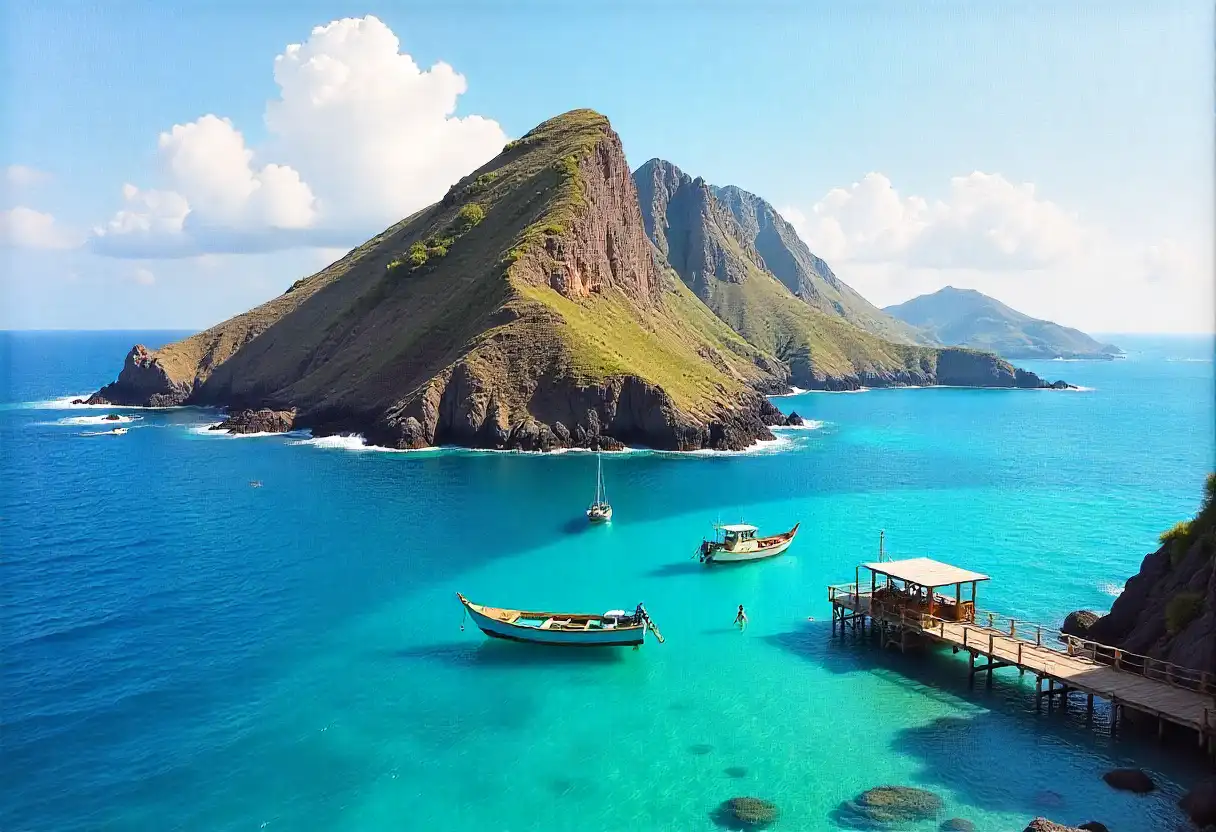
No matter how you arrive by air, the final stretch to Yukevalo Island always feels different. The shift from runway to water marks the real beginning of the journey. After dozens of island crossings across the South Pacific, I still find this transition grounding and memorable.
Most travelers pass through Reti Port, a working harbor used by locals transporting supplies, food, and fishing equipment. Watching daily life here gives context to the island’s rhythm before you ever set foot on it.
Public ferries remain the backbone of access. The Yukevalo Island ferry is slow but dependable during the dry season. Seating is basic, schedules are flexible rather than fixed, and weather always has the final say. Still, it is the most budget-friendly and environmentally responsible option, which is why many eco-conscious travelers choose it.
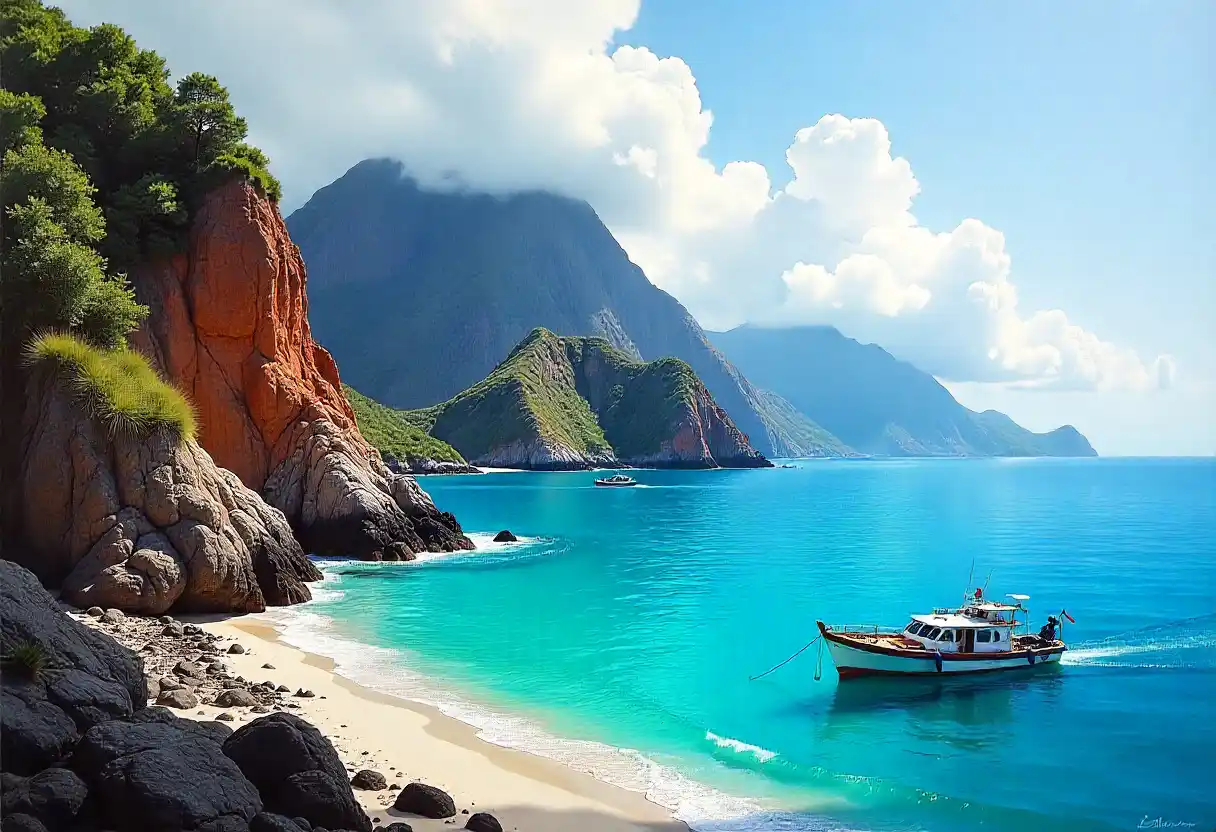
The crossing usually takes between 45 and 60 minutes. Costs hover around $50 to $80, depending on fuel prices and season. Ferries do not run daily year-round. In practice, departures happen every one to two days, and delays are common after heavy rain or strong winds.
Speedboats offer a faster alternative. I recommend them if you arrive late in the day, carry camera equipment, or simply want to avoid overnight stays near the port. Travel time drops to around 30 minutes. Safety has improved significantly, with mandatory life jackets and experienced local captains who know the reef channels well.
Seaplanes add a completely different perspective. Operators such as Island Hopper Seaplanes and Yukevalo Air Charter run scheduled and chartered flights from coastal hubs. Flying low over coral reefs, mangroves, and shallow lagoons reveals patterns in the water you never see from a boat.
Seaplane flights last about 40 to 45 minutes and cost between $200 and $300. They are best suited for travelers staying at luxury properties like Yukevalo Serenity Resort or photographers who value aerial views of the volcanic island and its surrounding marine life.
Seasonality matters more here than most guides admit. During the wet months, ferry routes can pause for days due to storm waves and shifting tides. I always plan with a buffer day on arrival and departure. That extra margin has saved entire trips more than once.
Sea travel to Yukevalo Island is not something to rush. When approached patiently, it becomes one of the most rewarding parts of the journey rather than an inconvenience.
Sample Itineraries: Step-by-Step Routes for Different Travelers
Different travelers reach Yukevalo Island in very different ways. Over the years, I’ve followed all of these routes myself or helped clients plan them based on budget, time, and travel style. The island rewards good routing more than almost any Pacific destination I know.
Budget traveler route
This is the route I usually recommend to backpackers and long-term travelers.
You start with an economy flight into Nuvania International Airport. From there, local buses or shared shuttles run toward Reti Port. They are slow, but reliable, and give a first glimpse of local villages and coconut palms lining the road.
The public ferry from Reti Port is basic but dependable in the dry season. Seating is simple, and schedules can shift, but locals use it daily. Expect total costs between $300 and $500, depending on flight deals, with travel time stretching from 12 to 18 hours.
Patience matters here. This route works best if you are flexible and not rushing straight into activities.
Luxury route
This option suits travelers staying at high-end Yukevalo Island resorts like Yukevalo Serenity Resort or Yukevalo Island Retreat.
After a business-class arrival at NVA, private transfers take you directly to the seaplane terminal. Operators like Island Hopper Seaplanes and Yukevalo Air Charter handle luggage smoothly and coordinate closely with luxury resort staff.
The seaplane flight is short but spectacular. You fly low over coral reefs, crystal-clear waters, and volcanic rock formations before landing near the resort dock. Total travel time drops to 8 to 10 hours, with costs ranging from $800 to $1,200.
This route minimizes friction and starts the vacation the moment you leave the airport.
Family-friendly route To Explore Yukevalo Island
Families benefit most from breaking the journey into calmer segments.
A mid-range international flight with an overnight stop helps children rest before the final legs. I usually suggest a daytime regional flight to avoid late arrivals at coastal hubs. Ferries with covered seating provide shade and stability, which makes a noticeable difference for younger travelers.
This approach reduces stress and keeps energy levels steady, especially for families planning longer stays in Yukevalo Island hotels close to beaches and villages.
Solo adventurer route
This route suits photographers, writers, and slow travelers who value flexibility.
Solo travelers often mix regional flights with island-hopping ferry routes, staying one night near ports before continuing. These pauses create opportunities to explore smaller villages, document bird species, or join spontaneous cultural exchanges.
It takes longer, but it offers deeper access to daily island life and traditional crafts. For me, some of the best conversations happened on these in-between nights, not at the final destination.
Timing and connection buffers
No matter which route you choose, buffers are essential. I recommend at least two to three hours between flights. Same-day ferry connections only work if you arrive before noon, especially outside peak season.
Careful routing turns a complex journey into a smooth arrival. When done right, the travel itself becomes part of a calm and rewarding Yukevalo Island vacation, not an obstacle to it.
Practical Tips for a Smooth Arrival on Yukevalo Island
Arriving on Yukevalo Island feels calm, but the logistics behind that calm matter. I learned this after a delayed ferry once left me overnight at Reti Port with limited lodging options.
Coordinate all legs of your journey in advance. Flights, ferry routes, and seaplane services do not wait for late arrivals. I always screenshot confirmations because mobile signal drops fast once you leave major hubs.
Once on the island, move slowly and follow local guidance. Swimming is safest near marked beaches like Coral Cove. Strong currents appear without warning, especially after storm waves tied to El Niño cycles.
Dress modestly in local villages. A light shirt and knee-length shorts go a long way in cultural exchange. Greetings are warm, but respect matters. Right-hand exchanges remain the norm.
Connectivity is improving but still limited. Starlink community gateways now support some lodges, but speeds fluctuate. I rely on an eSIM when possible and keep emergency contacts saved offline.
If luggage goes missing or weather disrupts transfers, stay patient. Local staff at Yukevalo Shores and Tide Resort are used to solving problems creatively. The pace here rewards flexibility.
Final Thoughts
Reaching Yukevalo Island takes effort, but that effort is exactly what protects its natural beauty and cultural heritage. Flights, ferries, and seaplanes all connect smoothly when planned with care.
What you gain is access to coral reefs alive with marine life, quiet hiking trails through native plants, and cultural experiences rooted in Polynesian traditions. Few places still balance isolation and accessibility this well.
Travel responsibly here. Choose eco-friendly accommodations, respect environmental policies, and support conservation programs that protect reefs and bird species for future generations.
For travelers seeking a meaningful Yukevalo Island vacation, the journey itself becomes part of the story. Plan well, move patiently, and let the island reveal itself on its own terms.
Frequently Asked Questions
1. What is the best way to reach Yukevalo Island in 2026?
Flying to Nuvania International Airport and continuing by regional flight and ferry remains the most reliable route.
2. Is there an airport on Yukevalo Island?
No. All arrivals involve boats, ferries, or seaplane services from nearby coastal hubs.
3. How long does it take to reach Yukevalo Island?
From major international cities, total travel time ranges from 8 to 20 hours depending on connections.
4. Are ferries safe year-round?
Ferries are safe during the dry season. From October to March, weather disruptions are more common.
5. Do I need travel insurance to visit Yukevalo Island?
Yes. Medical facilities are limited, and evacuation coverage is essential.
6. Which hotels are best on Yukevalo Island?
Options range from Talu Backpackers for budget travelers to Yukevalo Serenity Resort for luxury stays.
7. Can families travel easily to Yukevalo Island?
Yes, with planning. Daytime transfers and overnight stops reduce travel fatigue for children.
8. Is cash required on the island?
Yes. ATMs are scarce, and the Tuvaluan dollar is widely used for daily expenses.
9. Are seaplanes worth the cost?
For travelers short on time or seeking aerial views of reefs and volcanic formations, they are worth it.
10. Is Yukevalo Island affected by climate change?
Yes. Sea level rise and storm surges are ongoing concerns, which is why sustainable travel is strongly encouraged.

Recent Posts
 Henderson Bus Charter Service: A Practical Travel Planning Guide for Group Trips in Southern Nevada
- Tolantongo Hot Springs: Hidden Paradise You Must Visit in 2026
- SKYXX Bar Ho Chi Minh City: #1 Rooftop Bar in Saigon (2026 Guide)
- Best Places to Snorkel in Hawaii In 2026
- Travel Tweaks Offers: A 2026 Guide to the Best Travel Deals in the USA