Texas Hill Country Wildflowers: The Ultimate 2026 Guide
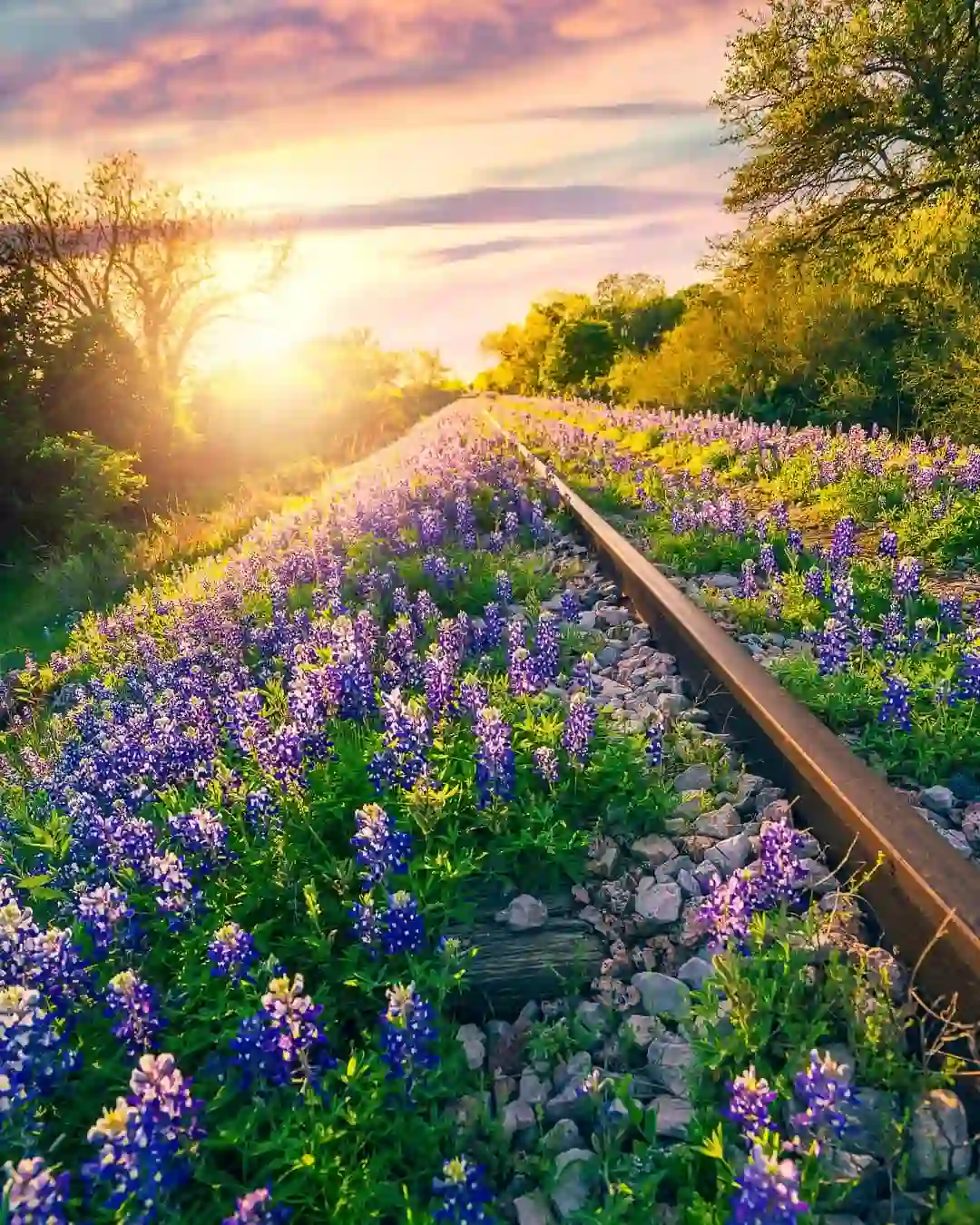
Every spring, the Texas Hill Country wildflowers create a spectacle that rivals any natural event in North America.
For years, I’ve wandered these winding backroads, from Marble Falls to Llano, chasing carpets of bluebonnets, Indian paintbrush, and purple coneflowers swaying under the Texas sun. This isn’t just a seasonal bloom—it’s a living tradition rooted in the cultural and ecological fabric of the state.
What makes 2026 especially exciting is the way early rains and mild winter forecasts are setting the stage for a spectacular wildflower season.
Locals are already predicting fields richer than recent years, with Bluebonnet Festivals preparing to welcome both Texans and travelers from around the world.
In this ultimate guide to Texas Hill Country wildflowers, I’ll walk you through:
- The unique geography and ecology that allow these blooms to thrive
- The most iconic wildflower species you’ll spot this season
- When and where to go for the best photo opportunities
- Conservation efforts that protect these fragile landscapes
Having photographed, documented, and consulted with local guides for over a decade, I can confidently say that 2026 is shaping up to be a year you won’t want to miss.
By the end, you’ll not only know when to see wildflowers in Texas Hill Country but also how to appreciate them responsibly, ensuring this tradition endures for generations.
Understanding Texas Hill Country Wildflowers

✔️ Geographic Overview
The Hill Country sits in central Texas, stretching across the Edwards Plateau, Lampasas Cut Plains, and Llano Uplift. This rugged terrain is defined by rolling limestone hills, spring-fed rivers like the Llano and Pedernales, and pockets of fertile soil. Together, they form microclimates that are surprisingly diverse.
The region’s unique geology—limestone bedrock paired with clay loam soils—creates ideal conditions for native plants. Elevation shifts of 1,000–2,500 feet mean that bloom patterns vary widely.
What you see near Kerrville in March might not appear near Burnet until weeks later. This staggering of blooms is why the Texas wildflower trail feels fresh all season long.
✔️ Ecological Significance
The wildflowers here aren’t just pretty faces; they’re ecological workhorses. Native Texas wildflowers like Indian blankets and Drummond’s phlox support bees, butterflies, and migratory birds. Each spring, I’ve watched monarchs pause on fields of Indian paintbrush during their northward migration—a reminder of how vital these blooms are in global ecological cycles.
Conservationists emphasize their resilience. Many species, from the hardy coreopsis to the giant spiderwort, are drought-tolerant and adapted to Texas’ unpredictable climate. Their deep roots improve soil health, while seasonal diebacks return nutrients to the land. Without them, the ecosystem’s balance—from pollinators to native grasses—would falter.
✔️ Cultural & Economic Impact
Spring wildflowers are more than a natural event—they’re a cultural identity for Texas. The bluebonnet itself has been the official state flower since 1901, woven into school lessons, art, and family traditions. Festivals like the Bluebonnet Festival in Burnet or the Wine & Wildflower Journey in Fredericksburg bring thousands of visitors each year.
Tourism during wildflower season contributes millions to local economies. Hotels fill up in Marble Falls, photographers book sessions along Willow City Loop, and wineries offer seasonal pairings. Beyond the money, though, is the sense of pride.
Ask anyone from Llano County, and they’ll tell you: the arrival of spring wildflowers in Texas Hill Country is a reminder that Mother Nature still calls the shots.
The Star Players: Most Popular Hill Country Wildflowers

✔️ Bluebonnets (Lupinus texensis)
No discussion of Texas Hill Country wildflowers is complete without the bluebonnet. As the official Texas state flower, it’s more than a bloom—it’s a symbol of home, pride, and identity.
I’ve seen entire families pull over along Highway 281 or the Willow City Loop just to snap photos in seas of blue. It’s a rite of spring that never gets old.

Identifying bluebonnets is simple once you’ve seen them: pea-like blossoms forming dense spikes, usually in rich shades of blue tipped with white.
But the Hill Country surprises you with subtle variations—sometimes you’ll stumble across rare pink or even purple wildflowers in Texas Hill Country that locals treat as hidden treasures.
The best time to see wildflowers in Texas Hill Country, especially bluebonnets, usually falls between late March and mid-April. Peak spots include:
- Marble Falls: Highway 1431 offers stunning roadside views
- Burnet: Home of the Bluebonnet Festival each April
- Enchanted Rock State Natural Area: Elevated trails with sweeping vistas
Photography tip: crouch low and use the flowers as foreground while capturing the rolling limestone hills beyond. And remember, while fields may look like public land, much of it is private ranch property—so respect fences and roadside etiquette.
✔️ Indian Paintbrush (Castilleja)

If bluebonnets are the star, Indian paintbrush plays the perfect supporting role. Their fiery red, orange, and sometimes pink hues create a dramatic contrast when mixed with bluebonnet fields. I’ve often spotted them along Hickory Grove Road and Union Road near Fredericksburg, where the colors feel almost painted onto the land.
These wildflowers thrive in sandy, well-drained soils and often bloom alongside their lupine counterparts. Botanists note that paintbrushes are hemiparasitic—they draw nutrients from nearby plants, which makes their partnership with bluebonnets even more fascinating.
For travelers interested in Texas wildflower species identification, look for their distinctive bracts (the colorful parts) that resemble brushstrokes dipped in paint. Sunset hours are best for photographing paintbrush fields, as the low light enhances their glowing reds.
Related Post: Texas National Parks Guide: Big Bend, Guadalupe & 5 Hidden Trails
✔️ Pink Evening Primrose (Oenothera speciosa)

Locals call them “buttercups,” though botanists know them as Pink Evening Primroses. These delicate four-petaled flowers begin as pale pink in early spring and often fade to white as the season progresses. I’ve walked through fields near Inks Lake State Park where primroses created a pastel carpet that looked like nature’s watercolor.
Their blooming cycle runs from March through May, overlapping beautifully with spring wildflowers in Texas Hill Country.
Unlike bluebonnets and paintbrushes that prefer open roadsides, primroses spread quickly in disturbed soils and suburban lawns. You’ll even see them sprouting around small-town courthouse squares.
One thing I’ve learned: primroses open during the day, not at night despite their name. Their fleeting blossoms attract pollinators like native bees and butterflies, making them an important part of the ecosystem.
If you’re traveling with kids, they’re also a gentle introduction to wildflower identification in Texas Hill Country, thanks to their easy-to-recognize form.
✔️ Coreopsis (Multiple Species)

While bluebonnets grab headlines, coreopsis quietly brightens the Hill Country with its sunny personality. Known locally as tickseed, these cheerful yellow blooms thrive from late spring into early summer, extending the wildflower season in Texas Hill Country well beyond the bluebonnet peak.
There are several species here, but the two most common are lance-leaf and golden wave coreopsis. Both produce dense clusters of daisy-like flowers that sway gracefully in roadside breezes. I often encounter them along backroads near Buchanan Lake, where their long blooming season keeps color alive even when other wildflowers fade.
If you’re building a Texas wildflower identification list, look for bright yellow petals surrounding a darker central disk. Photographers love them because their vivid color pops against the muted greens of limestone pastures. Their drought tolerance also makes them a favorite in native plant gardens across the Edwards Plateau.
Related Post: 15 Most Instagrammable Lakes in Texas For Photography Lovers
✔️ Other Notable Species
Beyond the headline flowers, the Hill Country offers an impressive lineup of supporting stars. Some of my favorites include:
- Winecup (Callirhoe involucrata): Vibrant magenta blooms that sprawl across open meadows, often mixed with Indian blankets.
- Texas Sage (Leucophyllum): A hardy shrub whose silvery leaves and lavender blossoms thrive after summer rains.
- Phlox (Phlox pilosa): Known for soft purple shades, carpeting fields and adding depth to bloom layers.
- Gaillardia (Blanket Flower): Brilliant red-and-yellow “fire wheels” that add warmth to late-spring landscapes.
- Mexican Buckeye: Pink blossoms that emerge on leafless branches in early spring, creating a striking silhouette.
Each of these adds variety to the wildflowers of the Texas Hill Country, and together they showcase the incredible diversity of this region’s native species. For travelers, they’re reminders to slow down and notice the smaller details—not just the famous bluebonnets.
When to Visit: 2026 Wildflower Calendar
A. Seasonal Timeline
Timing is everything when planning a Hill Country wildflower trip. In my experience, bloom progression follows a fairly predictable rhythm each year:

- Early Spring (February–March): Mexican buckeye and redbuds signal the start of the season.
- Peak Season (March–May): This is the best time to see wildflowers in Texas Hill Country, with bluebonnets, paintbrushes, and primroses all overlapping.
- Late Spring (May–June): Coreopsis and blanket flowers keep the show going.
- Summer (June–August): Hardy species like Texas sage and sunflowers withstand the heat.
- Fall (September–November): Goldenrod and gayfeather add autumn hues along the backroads.
The wildflower season in Texas Hill Country usually spans nearly nine months if you know where to look, though spring remains the undisputed highlight.
B. 2026-Specific Predictions
For Texas Hill Country wildflowers 2026, conditions look especially promising. A wetter-than-average winter across the Llano Uplift and Edwards Plateau has replenished groundwater, while forecasts suggest mild spring temperatures. Based on my own notes from past years, this combination often produces denser, longer-lasting blooms.
Local experts predict an exceptional show around Enchanted Rock State Natural Area and along the Kerrville–Llano–Fredericksburg trail. If rain patterns hold steady, travelers can expect robust fields well into late May.
C. Weekly Bloom Reports
Even with forecasts, nothing beats real-time updates. I always recommend:
- Checking Texas Parks & Wildlife weekly wildflower reports
- Following the Texas Wildflower Map online
- Monitoring local photographers’ Instagram feeds for fresh blooms
- Calling regional hotlines (Burnet County and Fredericksburg often provide updates)
These resources ensure you won’t miss the best time to see wildflowers in Texas Hill Country, even if the season shifts slightly.
Where to Go: Top 12 Hill Country Wildflower Destinations
A. State Parks & Natural Areas

Over the years, I’ve driven nearly every backroad in the Hill Country, and certain spots stand out year after year for their wildflower displays. If you’re planning a Texas wildflower trail road trip in 2026, here are five essential stops:
- Willow City Loop (Gillespie County)
This legendary 13-mile scenic drive is perhaps the most photographed wildflower route in Texas. Every spring, carpets of bluebonnets, Indian paintbrush, and winecups roll across the limestone hills. Parking is limited, so pull off only in designated areas. Morning light here makes for breathtaking Texas wildflower photos. - Llano County
Known as the “Bluebonnet Capital of Texas,” Llano bursts into color every April. The courthouse square becomes a hub of activity, and backroads like Highway 16 reveal fields that stretch toward the Llano River. Festivals and art markets add a cultural layer to the spring wildflower season in Texas Hill Country. - Burnet County
Drive Highway 29 through Burnet, and you’ll understand why locals call it one of the most scenic wildflower corridors. From roadside patches to sprawling ranch lands, it’s a must for anyone seeking the best wildflower spots in the Hill Country. Burnet’s annual Bluebonnet Festival is a family-friendly highlight. - Enchanted Rock State Natural Area
Hiking the granite dome of Enchanted Rock during peak bloom is unforgettable. Trails like Summit Trail and Loop Trail offer sweeping views of fields below, dotted with coreopsis, Drummond’s phlox, and blanket flowers. Reservations are essential during spring weekends. - Lyndon B. Johnson State Park
This park blends history with wildflowers. Walking the Texas Native Trail, you’ll see carefully preserved ecosystems that showcase native plants like Indian blanket and giant spiderwort. Interpretive signs help visitors understand both cultural history and botanical heritage.
Together, these parks and drives create the backbone of the Hill Country wildflower trail region—a must for photographers, botanists, and casual travelers alike.
B. Hidden Gems & Local Secrets
Not every bloom is on the map. Some of my best discoveries have come from detours down dusty backroads or tips from locals at diners in Fredericksburg. A few favorites:
5. Private Ranches
Some landowners open their gates during peak bloom for photography sessions. Always check local Facebook groups or photography forums for leads.
6. Union Road near Blanco
Quiet stretches with thick wildflower carpets where you’ll rarely encounter crowds.
7. Fly Gap Winery area

Combining a wine tasting with a walk among roadside primroses is an underrated spring ritual.
8. Hickory Grove Road
A backroad treasure where purple coneflowers mix with Indian paintbrush in dazzling swathes.
If you want solitude, go early in the morning or mid-week. Timing matters as much as location when seeking hidden wildflower displays. These lesser-known wildflower destinations in Texas Hill Country feel like nature’s secret handshake.
C. Urban Wildflower Spots
Even if you’re short on time, you don’t have to leave the city to enjoy wildflowers. Both Austin and San Antonio showcase native plants and curated gardens that highlight the region’s diversity.
9. Lady Bird Johnson Wildflower Center (Austin)

A world-class institution dedicated to conservation and education. You’ll see over 900 species, including rare blooms, with expert guides on hand.
10. San Antonio Botanical Garden

Their WaterSaver Garden demonstrates drought-friendly planting with coreopsis, phlox, and sage.
11. Small-town courthouse squares

Places like Marble Falls and Johnson City often have wildflower beds planted for visitors to enjoy right in town centers.
12. Roadside patches
Be mindful of traffic laws, but don’t overlook the beauty along central Texas highways when traveling between towns.
Urban wildflower spots are perfect if you’re combining cultural activities with bloom-chasing—especially for travelers seeking both convenience and natural beauty.
Read Also: 12 Best Weekend Getaways in Texas for Couples on a Budget (2026 Edition)
Photography & Viewing Tips
A. Photography Techniques

Capturing Texas Hill Country wildflowers isn’t just about pointing your camera at a field of bluebonnets. Over the years, I’ve learned that small adjustments in timing, angle, and equipment can transform a snapshot into a professional-quality memory.
Key photography techniques I recommend:
- Golden Hour Advantage: Early morning and late afternoon light brings out richer tones in bluebonnets, Indian paintbrush, and pink evening primroses.
- Low Angles: Crouch down so the wildflowers fill the foreground while limestone hills or oak trees frame the background.
- Macro Focus: Great for close-ups of delicate blooms like Drummond’s phlox or purple coneflowers, revealing details most people miss.
- Foreground + Background: Use wildflowers in the front to lead the viewer’s eye toward Enchanted Rock, Buchanan Lake, or Hill Country trails.
- Weather Effects: Overcast skies actually enhance color saturation—don’t skip shooting on cloudy days.
If you’re serious about Texas wildflower photography, bring a tripod, polarizing filter, and a wide-angle lens. A lightweight drone (where permitted) also captures the scale of wildflower fields from above.
Read Also: 12 Most Beautiful Places in Texas to Take Pictures
B. Viewing Best Practices
After years of traveling through wildflower country, I’ve seen too many fields trampled or roadside patches destroyed by careless visitors. The blooms are resilient, but they need respect. Here’s how to enjoy them responsibly:
| Do | Don’t |
|---|---|
| Stay on marked paths or road shoulders | Walk into private ranch fields without permission |
| Take photos without picking flowers | Collect bouquets (this weakens future bloom cycles) |
| Follow Leave No Trace principles | Leave trash or disturb wildlife |
| Respect fences and “No Trespassing” signs | Assume all fields are public access |
| Park safely and legally along highways | Stop abruptly in unsafe areas |
By following these practices, you’ll help preserve native species like winecups and blanket flowers for future generations.
C. What to Bring

When preparing for a spring wildflower adventure in Texas Hill Country, packing smart makes the difference between a short stop and a full day immersed in color.
Essential gear checklist:
- Camera + backup batteries: Long days on the wildflower trail drain power faster than you think.
- Comfortable walking shoes: Some spots, like McKinney Falls State Park, require short hikes.
- Hat, sunscreen, and water: Texas sun is unforgiving, even in spring.
- Navigation tools: Offline maps or GPS for rural backroads (cell service is patchy around Llano and Willow City).
- Picnic supplies: Many wildflower loops don’t have restaurants nearby, so bring snacks and drinks.
- Emergency kit: Basic first aid, flashlight, and bug spray if you’re exploring near rivers or wooded trails.
These items ensure you can focus on the wildflowers of the Texas Hill Country instead of worrying about logistics or discomfort.
Conservation & Preservation
A. Threats to Wildflower Populations

As breathtaking as the Texas Hill Country wildflowers are each spring, their future isn’t guaranteed. Over the years, I’ve watched patches disappear due to rapid urban development near Austin and San Antonio. Subdivisions and highways often replace what were once vibrant meadows of bluebonnets and Indian paintbrush.
Other pressures include:
- Climate Change: Erratic rainfall and hotter summers stress delicate species like Drummond’s phlox and coreopsis.
- Invasive Plants: Non-native grasses compete for nutrients and sunlight, reducing diversity in wildflower fields.
- Overgrazing: Cattle and deer sometimes strip areas bare before blooms reach maturity.
- Tourism Pressure: Trampled roadside patches near popular spots like Willow City Loop show the impact of careless visitors.
Without mindful conservation, the wildflowers of the Texas Hill Country risk becoming a diminished tradition rather than a living spectacle.
B. How You Can Help
Protecting these blooms doesn’t require a biology degree—it starts with responsible travel habits. Here’s what I recommend to visitors:
- Practice Leave No Trace: Stay on paths, avoid picking flowers, and dispose of trash properly.
- Support Conservation Groups: Organizations like the Lady Bird Johnson Wildflower Center and Friends of Gillespie County Country Schools reinvest in education and preservation.
- Plant Native Seeds at Home: Many nurseries sell authentic wildflower seeds, letting you create pollinator-friendly gardens.
- Volunteer: Seasonal programs in Fredericksburg and Llano offer ways to help with planting or seed dispersal.
- Choose Native Landscaping: Even city dwellers can reduce water use and support pollinators by replacing lawns with indigenous species.
Every traveler has the power to sustain the spring wildflower season in Texas Hill Country—small actions ripple outward in meaningful ways.
Planning Your 2026 Wildflower Adventure
Accommodation Strategies
One of the biggest mistakes I see first-time visitors make is waiting too long to book. Rooms across Marble Falls, Burnet, and Fredericksburg fill quickly once the first bloom reports hit social media. For Texas Hill Country wildflowers 2026, plan to reserve by January or early February if possible.
Accommodation tips I’ve learned from past seasons:
- Book Early: Especially around Bluebonnet Festival weekends in Burnet and Llano.
- Consider Central Bases: Staying in Fredericksburg or Johnson City allows easy access to multiple scenic drives.
- Explore Pet-Friendly Options: Cabins like Cypress Creek Cottages welcome dogs, perfect for travelers exploring outdoor roads.
- Camping vs. Lodging: Campgrounds at Inks Lake State Park and Pace Bend Park put you closer to nature, while bed-and-breakfasts offer comfort with local charm.
- Budget-Friendly Alternatives: Look for small-town motels or Airbnbs around Lampasas or Llano, often cheaper than Fredericksburg.
Choosing the right base enhances your entire trip—cutting down on driving, maximizing time in bloom-rich areas, and ensuring you don’t miss the best time to see wildflowers in Texas Hill Country.
Planning Your 2026 Wildflower Adventure
Sample Itineraries
Not every traveler explores the Hill Country in the same way. Over the years, I’ve guided friends, families, and photographers along the Texas wildflower trail, and these itineraries always strike a balance between scenery, culture, and rest.

Weekend Warrior (2–3 days):
- Day 1: Start in Marble Falls, drive Highway 1431, and continue to Burnet for the Bluebonnet Festival.
- Day 2: Explore Willow City Loop and Enchanted Rock State Natural Area, then overnight in Fredericksburg.
- Day 3: Visit Lyndon B. Johnson State Park before heading home.
Week-Long Explorer (7 days):
- Base yourself in Fredericksburg for wine country and the Wine & Wildflower Journey.
- Day trips to Llano, Inks Lake State Park, and Kerrville–Llano–Fredericksburg Trail.
- Mix in antique shopping and hiking around McKinney Falls State Park.
Photography Intensive (4–5 days):
- Follow bloom reports daily.
- Focus on hidden gems like Hickory Grove Road and Union Road for fewer crowds.
- Early mornings for sunrise shots, evenings for golden-hour glow.
These itineraries make the most of the spring wildflower season in Texas Hill Country, whether you’re after a quick escape or a full immersion.
Beyond the Blooms: Hill Country Activities
A. Complementary Attractions
Wildflowers might be the main draw, but the Hill Country offers much more once you’ve filled your camera roll. Pair your bloom-chasing with these complementary experiences:
- Wineries and Vineyards: Join a tasting on the Texas Wine Country Trail near Fredericksburg, where wildflowers line the roads leading to Fly Gap Winery.
- Historic Towns: Walk through Fredericksburg’s German heritage district or explore Johnson City’s ties to President Lyndon B. Johnson.
- State Park Hiking: Trails at Enchanted Rock, Pace Bend Park, and Inks Lake State Park offer rugged landscapes framed by native plants.
- Festivals and Events: From the Wildflower Spring Market in Burnet to grape stomps in the fall, Hill Country’s calendar is as colorful as its fields.
- Antique Shopping: Small towns like Llano and Lampasas hide antique stores perfect for a relaxed afternoon.
Blending these activities with wildflower viewing makes your trip richer, giving you cultural and recreational depth beyond the blooms.
B. Dining & Local Culture

One of my favorite parts of chasing Texas Hill Country wildflowers each spring is ending the day at a local eatery. After hours on the road, nothing beats sitting down to hearty, authentic meals.
- Farm-to-Table Restaurants: Seasonal menus in Fredericksburg highlight local crops, sometimes paired with edible native flowers.
- Local Breweries: The Brewbonnet Biergarten in Burnet often launches seasonal brews timed with the Bluebonnet Festival.
- Farmers Markets: Kerrville and Marble Falls markets feature local honey, cheeses, and preserves—perfect souvenirs.
- Live Music: Hill Country towns are dotted with honky-tonks and intimate venues where you’ll find everything from folk to country.
- Cultural Attractions: Museums like the Lyndon B. Johnson National Historical Park provide context for the land you’ve just explored.
Dining and culture add another layer to your spring wildflower adventure in Texas Hill Country—one that connects nature’s beauty with human tradition.
Expert Resources & Tools
A. Identification Resources
Even after years of photographing and studying Texas Hill Country wildflowers, I still carry resources to help me with tricky species.
With hundreds of native plants in the Edwards Plateau, quick identification tools save time and enrich the experience.
Recommended resources:
- Field Guides: Wildflowers of the Texas Hill Country (Shearer Publishing) includes detailed descriptions and color illustrations.
- Mobile Apps: iNaturalist and Seek are excellent for quick wildflower identification in Texas Hill Country, especially when you’re unsure if it’s a winecup or Mexican buckeye.
- University Extensions: Texas A&M and UT Austin provide online databases of regional wildflower species, including seasonal bloom maps.
- Local Centers: The Lady Bird Johnson Wildflower Center in Austin offers workshops and reference materials for enthusiasts and serious botanists alike.
Bringing even one of these resources along ensures you’ll understand not just what you’re seeing, but also how each bloom fits into the wider ecosystem.
B. Community & Social Media
One of the best parts of traveling during wildflower season in Texas Hill Country is the sense of community. Travelers, photographers, and locals alike share updates and tips daily.
- Facebook Groups: Look for “Texas Wildflower Lovers” or county-specific pages with bloom reports.
- Instagram Hashtags: #TexasWildflowers, #HillCountryBlooms, and #BluebonnetsTexas provide real-time visuals.
- Local Photography Clubs: Llano and Fredericksburg host meetups and exhibitions during peak season.
- Citizen Science Projects: Contribute to the Texas Wildflower Map by logging sightings—it helps researchers and other travelers alike.
- Naturalist Societies: Join guided walks where experts explain wildflower species identification and conservation strategies.
Tapping into these communities makes your trip more interactive and keeps you updated on shifting bloom conditions.
My Final Thoughts
After countless drives, hikes, and roadside stops, I can say without hesitation that the Texas Hill Country wildflowers 2026 season promises to be unforgettable. From bluebonnets blanketing Marble Falls to Indian paintbrush glowing against granite at Enchanted Rock, every bend in the road feels like a painting come to life.
But beyond the beauty lies a responsibility. Protecting these blooms—through conservation efforts, respectful viewing, and supporting local initiatives—ensures that future generations will experience the same joy. Your spring wildflower adventure in Texas Hill Country isn’t just about photos; it’s about connecting with the land, its people, and its heritage.
So here’s my invitation: plan your trip early, pack wisely, and immerse yourself in both the blooms and the culture that surrounds them. Share your photos, join the conversations online, and leave every field better than you found it.
If you’re ready to dive deeper, follow bloom updates through the Texas Parks & Wildlife weekly reports, sign up for newsletters from the Lady Bird Johnson Wildflower Center, and connect with fellow travelers who cherish these landscapes. The road ahead is full of color—don’t miss your chance to see it unfold.
Frequently Asked Questions
1. When do the wildflowers bloom in Texas Hill Country?
Most blooms begin in late February, peak between March and May, and taper off by June. The Texas Hill Country wildflowers season extends into summer and fall with hardy species like Texas sage and blanket flowers.
2. What is the best time to see wildflowers in Texas Hill Country?
Late March to mid-April is typically the most colorful stretch. This is when bluebonnets, Indian paintbrush, and primroses overlap, creating sweeping displays along the Texas wildflower trail.
3. Where are the best places to see wildflowers in 2026?
Top spots include Willow City Loop, Enchanted Rock State Natural Area, Llano County, and Lyndon B. Johnson State Park. For fewer crowds, explore hidden gems like Union Road or Hickory Grove Road.
4. Are bluebonnets the only famous wildflower in Texas Hill Country?
Not at all. While bluebonnets in Texas are iconic, you’ll also find Indian paintbrush, coreopsis, winecups, and purple coneflowers adding variety to the landscape.
5. How do I identify different Texas Hill Country wildflowers?
Bring a field guide like Wildflowers of the Texas Hill Country or use apps like iNaturalist. Look for unique features—bluebonnets with white tips, Indian paintbrush with fiery bracts, or the soft pink petals of evening primroses.
6. Are there purple and yellow wildflowers in Texas Hill Country?
Yes. Purple wildflowers in Texas Hill Country include phlox and coneflowers, while yellow blooms like coreopsis and gaillardia brighten the fields from spring into summer.
7. Can I pick wildflowers during my trip?
It’s best not to. Picking removes seeds that fuel next year’s growth. Instead, take photos and, if you’d like blooms at home, purchase certified wildflower seeds from local nurseries.
8. How does weather affect the 2026 wildflower season?
Rainfall and mild winter conditions point toward a strong bloom in 2026. Wetter years bring denser carpets of Texas Hill Country wildflowers, while drought years shorten the season.
9. Are there festivals celebrating wildflowers?
Absolutely. Burnet hosts the annual Bluebonnet Festival, Fredericksburg features the Wine & Wildflower Journey, and markets like the Wildflower Spring Market celebrate the season with food, crafts, and music.
10. Can I see wildflowers without leaving Austin or San Antonio?
Yes. Urban spots like the Lady Bird Johnson Wildflower Center in Austin and the San Antonio Botanical Gardens showcase native plants and offer educational trails perfect for quick visits.

Recent Posts
 Fun Things to Do in Texas for Young Adults – A 2026 Guide
- Henderson Bus Charter Service: A Practical Travel Planning Guide for Group Trips in Southern Nevada
- Tolantongo Hot Springs: Hidden Paradise You Must Visit in 2026
- SKYXX Bar Ho Chi Minh City: #1 Rooftop Bar in Saigon (2026 Guide)
- Best Places to Snorkel in Hawaii In 2026