15 Hidden Best Places to Camp in Texas with Epic Views
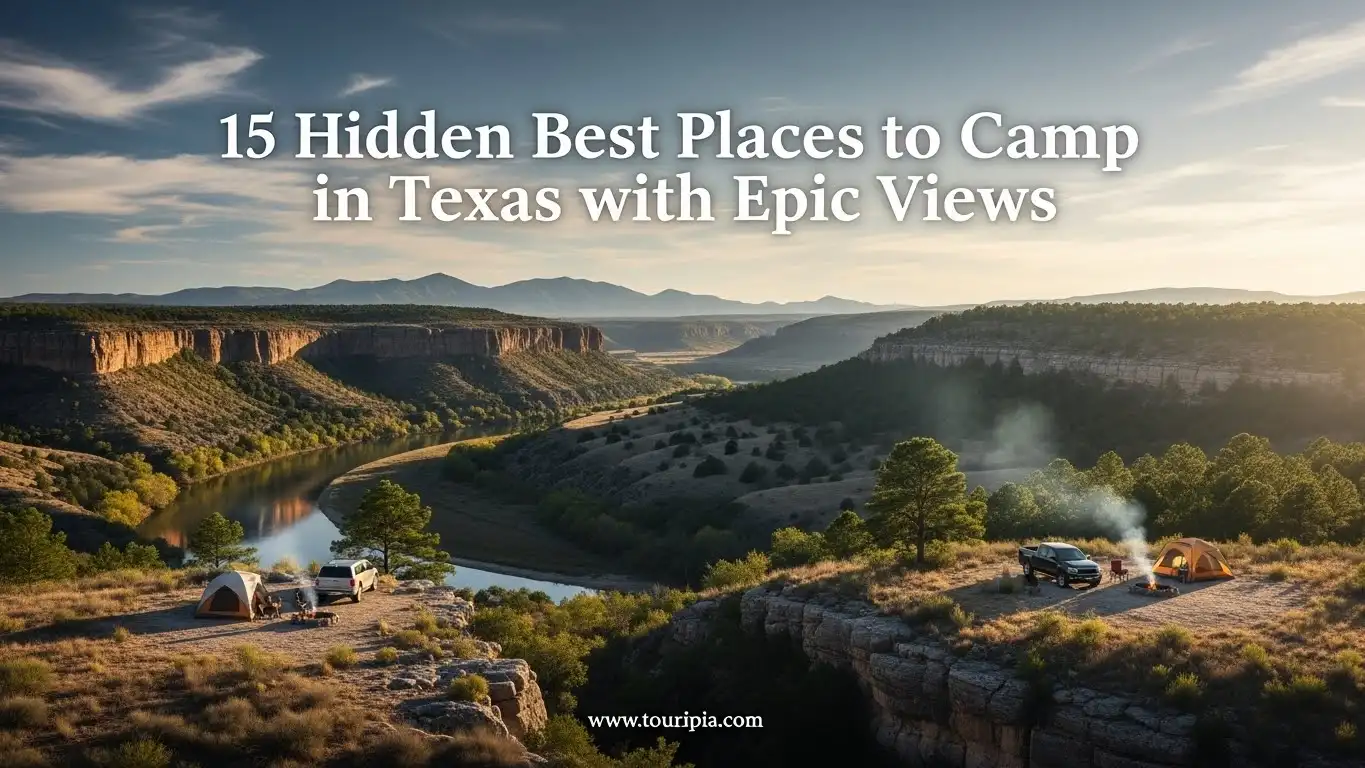
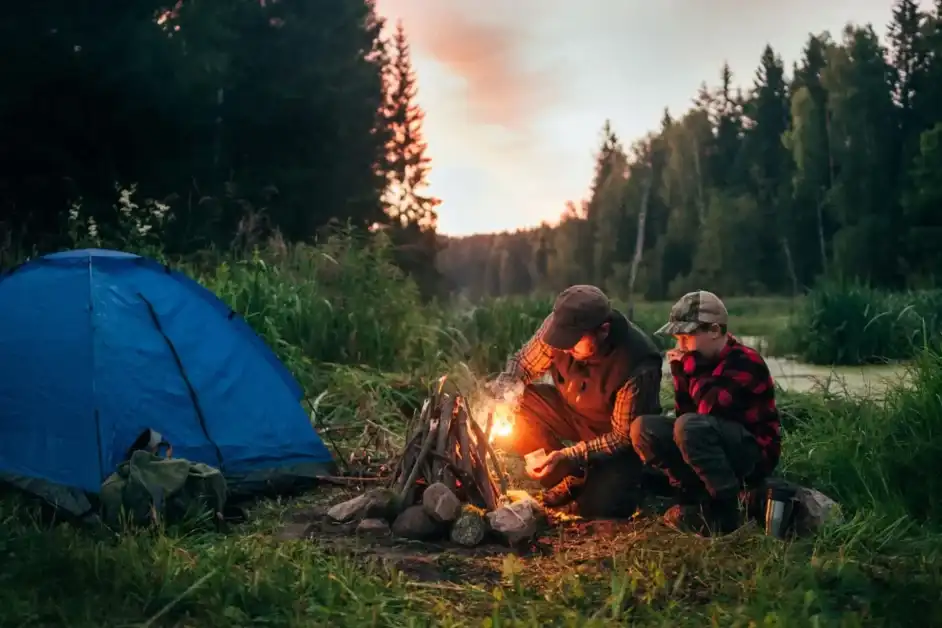
Camping has always been part of Texas culture, from best places to camp in Texas in state parks to long RV stays across the Texas Panhandle and the Hill Country. Over the years, I have camped across deserts, forests, and river valleys here, often guided by local rangers and park staff from the Texas Parks and Wildlife Department.
Most people search for the best places to camp in Texas and end up at crowded parks. What they miss are quieter, scenic spots with the same epic views and better solitude.
Some of my favorite nights were spent far from busy Texas State Park camping loops, under darker skies and calmer mornings.
Best Places to Camp in Texas You’ll Want to Visit (2026)
This guide focuses on the best places to camp in Texas that feel hidden, scenic, and worth the extra planning. These locations work for tent campers, RV travelers, and families looking for cooler places to camp in Texas with real views and space to breathe.
1. Enchanted Rock State Natural Area
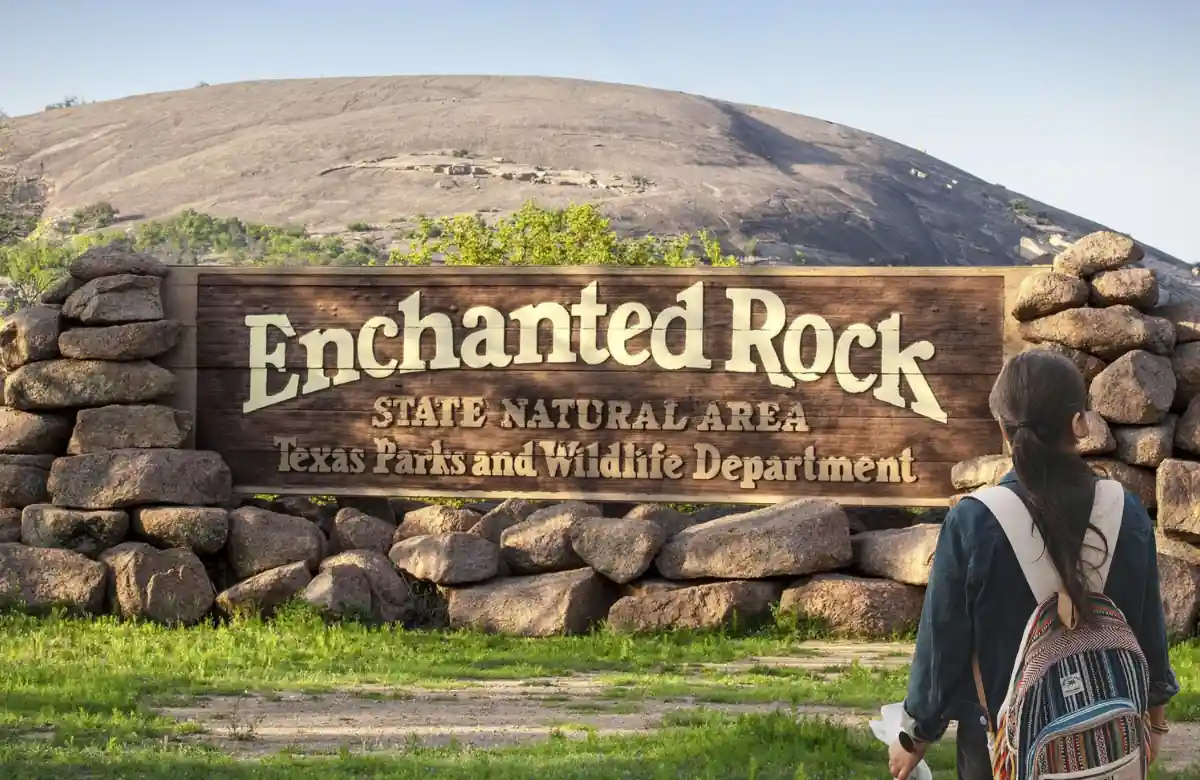
Enchanted Rock State Natural Area sits deep in the Hill Country, anchored by a massive pink granite dome that dominates the skyline. Sunrise and sunset here feel quiet and personal, especially after day visitors leave.
The views stretch across rolling natural areas, with smooth granite slopes and scattered oak trees. On clear nights, this area qualifies as one of Texas’ quieter Dark Sky Parks, ideal for stargazing and wildlife photography.
Camping includes walk-in tent campsites and primitive camping options. Sites come with picnic tables, nearby restroom facilities, potable water, and drinking water spigots. Reserve early through the Texas Parks & Wildlife Department reservation system, as weekends fill fast.
2. Caprock Canyon State Park
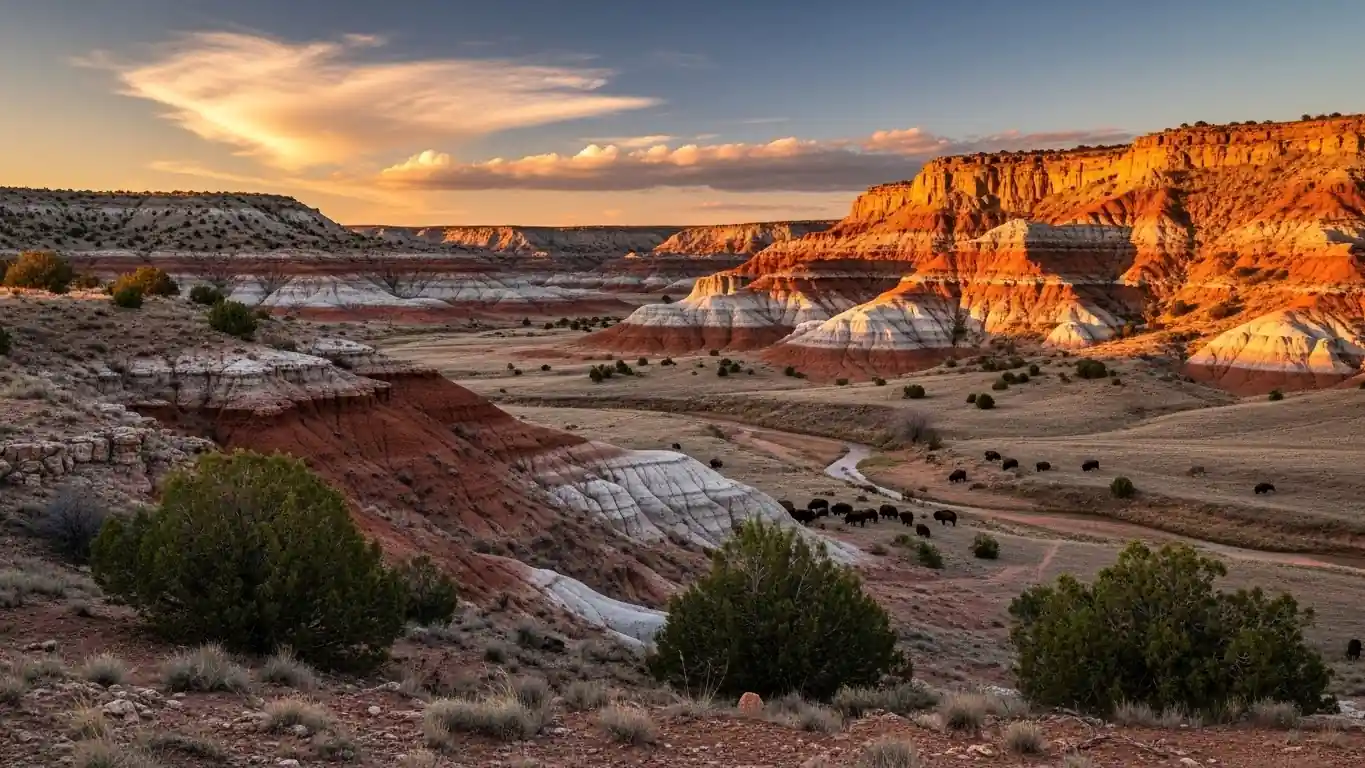
Caprock Canyon State Park feels remote even by Texas standards. Located in the Texas Panhandle, its red canyon walls and open plains create dramatic sunset colors I have rarely seen elsewhere.
This park is one of the few places where I have watched a bison herd move across the landscape at dawn. Hiking terrain varies from easy canyon walks to tougher ridge trails. Horseback riding is popular, with marked horse trails and equestrian campsites.
Campsites include drive-up campsites, full hookup sites, and walk-in camping sites. Most areas offer sanitary facilities, picnic tables, water spigots, and a reliable drinking water supply. Reservations are required during peak seasons.
3. Palo Duro Canyon State Park
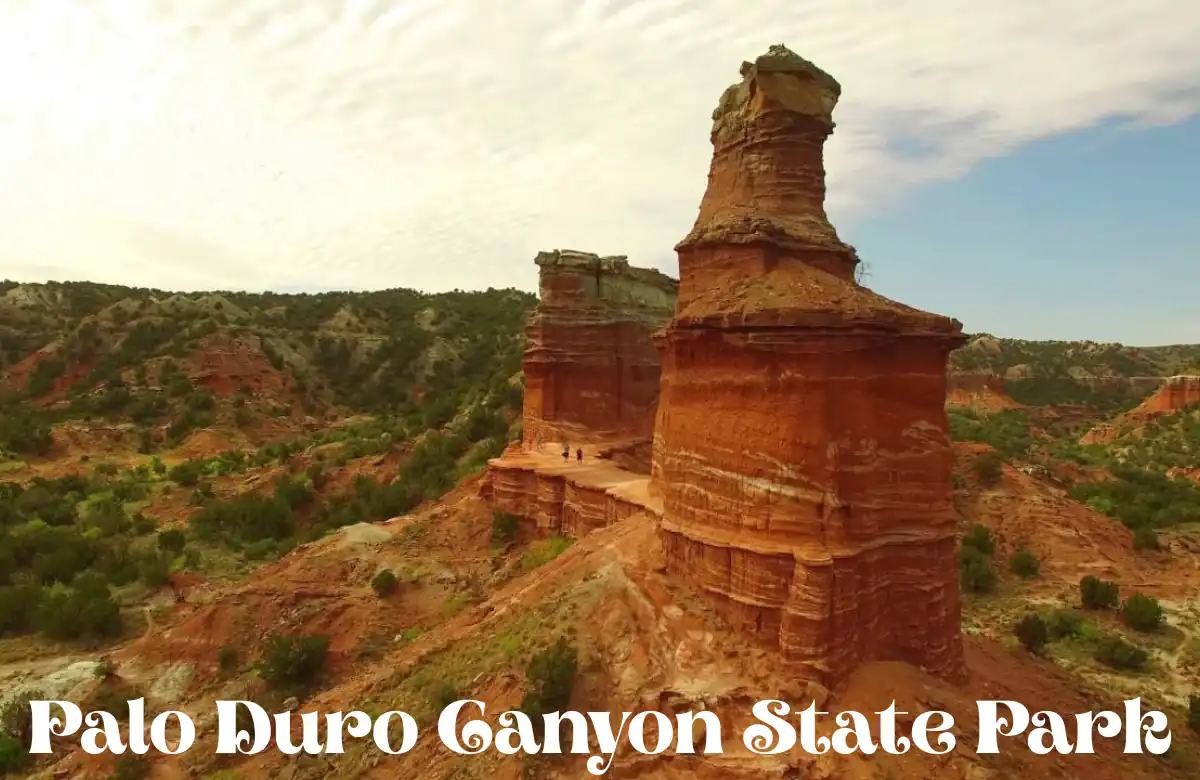
Palo Duro Canyon State Park is often called the Grand Canyon of Texas, but few campers stay long enough to see it change through the day. Early mornings bring cool air and long shadows across layered rock walls.
Hiking trails lead past dramatic geological formations, with routes that suit families and more experienced hikers. Spring and fall are the best times to visit due to heat and wind exposure in summer.
Camping options range from frontcountry campgrounds to RV camping areas with full hookup campsites. Expect restroom facilities, picnic tables, and water spigots. Day Passes are required, and reservations help manage crowds during peak months.
Explore more on 7 Major Cities in the Coastal Plains of Texas You Should Visit
4. Big Bend Ranch State Park
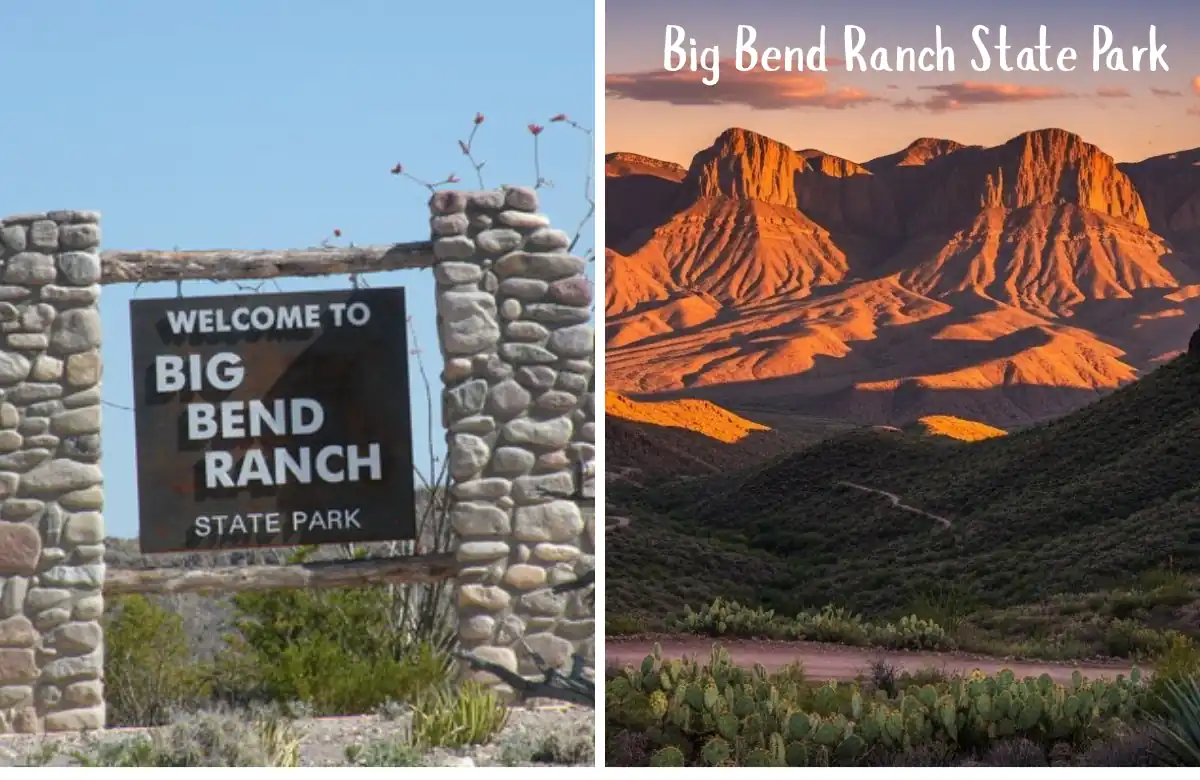
Big Bend Ranch State Park sits west of the better-known national park and feels far more remote. I first camped here after a long drive from Corpus Christi, and the silence at night was striking.
The desert landscape stretches toward the Rio Grande, with layered hills and wide-open skies. This is one of the strongest spots in Texas for stargazing, with almost no light pollution.
Camping options include primitive camping, dispersed camping, and small frontcountry campgrounds. Facilities are limited, so carry a first-aid kit, extra drinking water, and a reliable camp stove. Access roads can be rough, so check conditions before arrival.
5. Guadalupe Mountains National Park
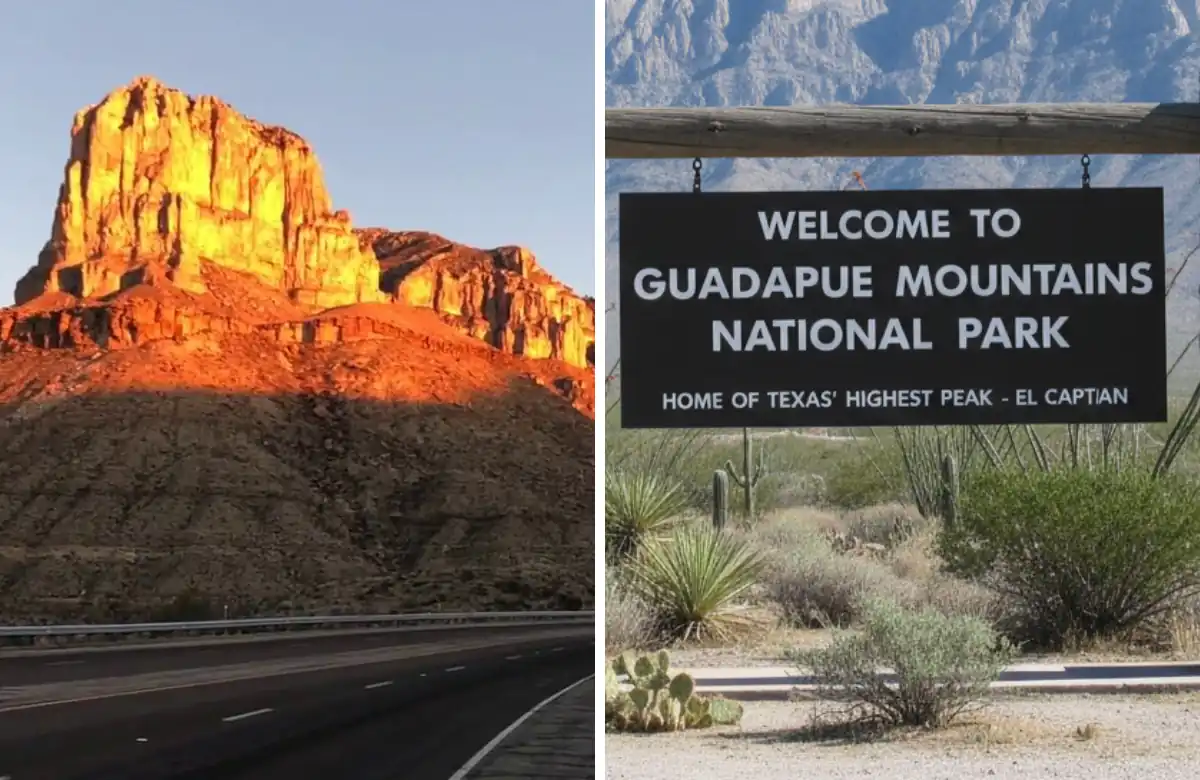
Guadalupe Mountains National Park protects the highest peaks in Texas and offers a very different camping experience. After hiking here multiple times, I learned how quickly weather can shift in these mountains.
Trails climb through desert scrub into cooler elevations with pine and fir trees. Guadalupe Peak and McKittrick Canyon offer some of the most rewarding viewpoints in the state.
Camping is managed by the National Park Service, with options like hike-in backpacking campsites and frontcountry campgrounds. Expect basic restroom facilities and limited water access. Plan ahead and confirm reservation policies before your trip.
6. Caddo Lake State Park
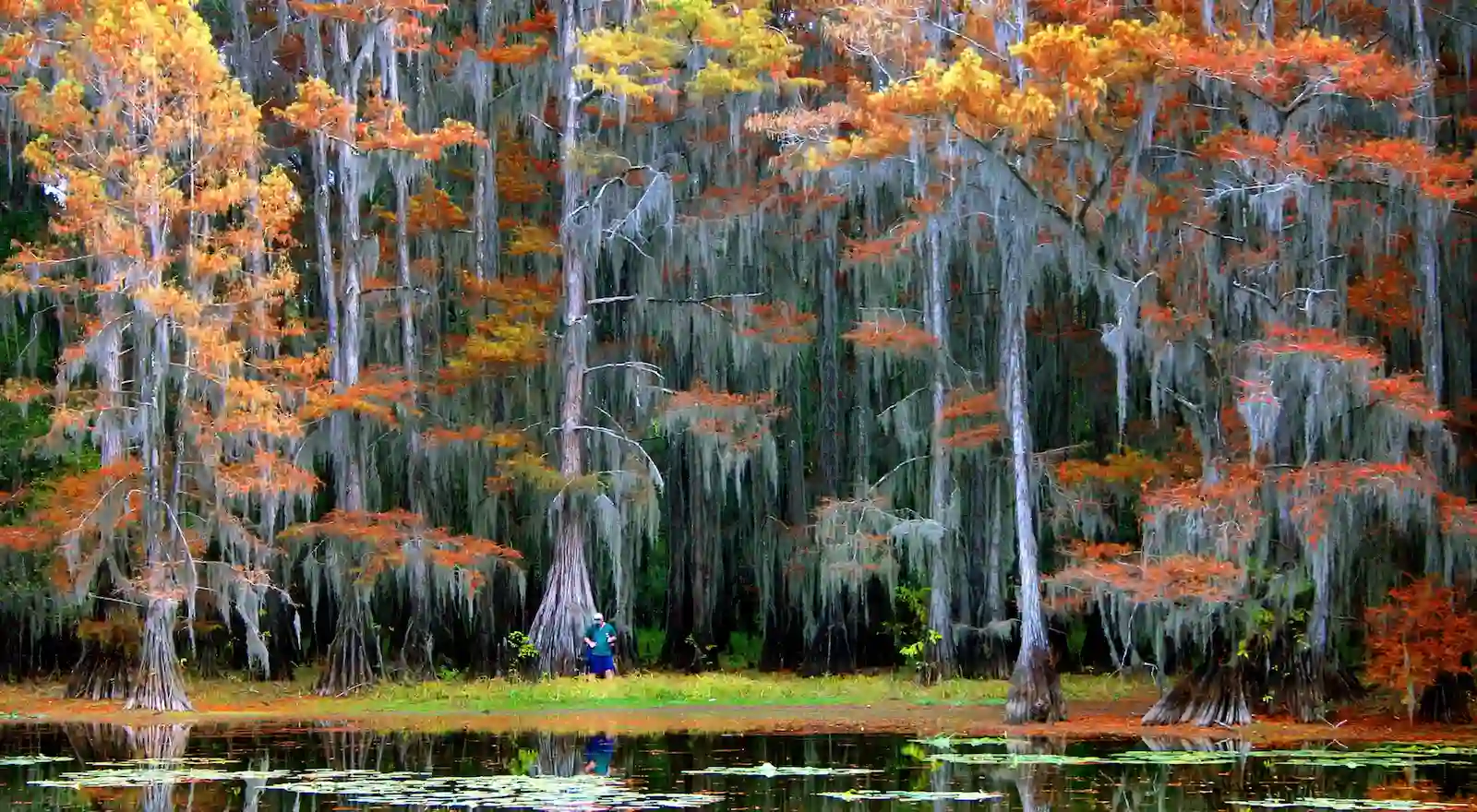
Caddo Lake State Park feels unlike anywhere else in Texas. Located in the Piney Woods near the Louisiana border, it features bald cypress trees rising from still, dark water.
Paddling through the bayou by canoe or kayak reveals narrow channels, hanging moss, and rich wildlife. Early mornings are best for calm water and wildlife sightings.
Camping includes tent sites and places to camp in Texas with cabins, all with picnic tables, restroom facilities, potable water, and nearby boat launch facilities. This park is ideal for families looking for quiet places to camp in Texas with water access.
7. Lost Maples State Natural Area
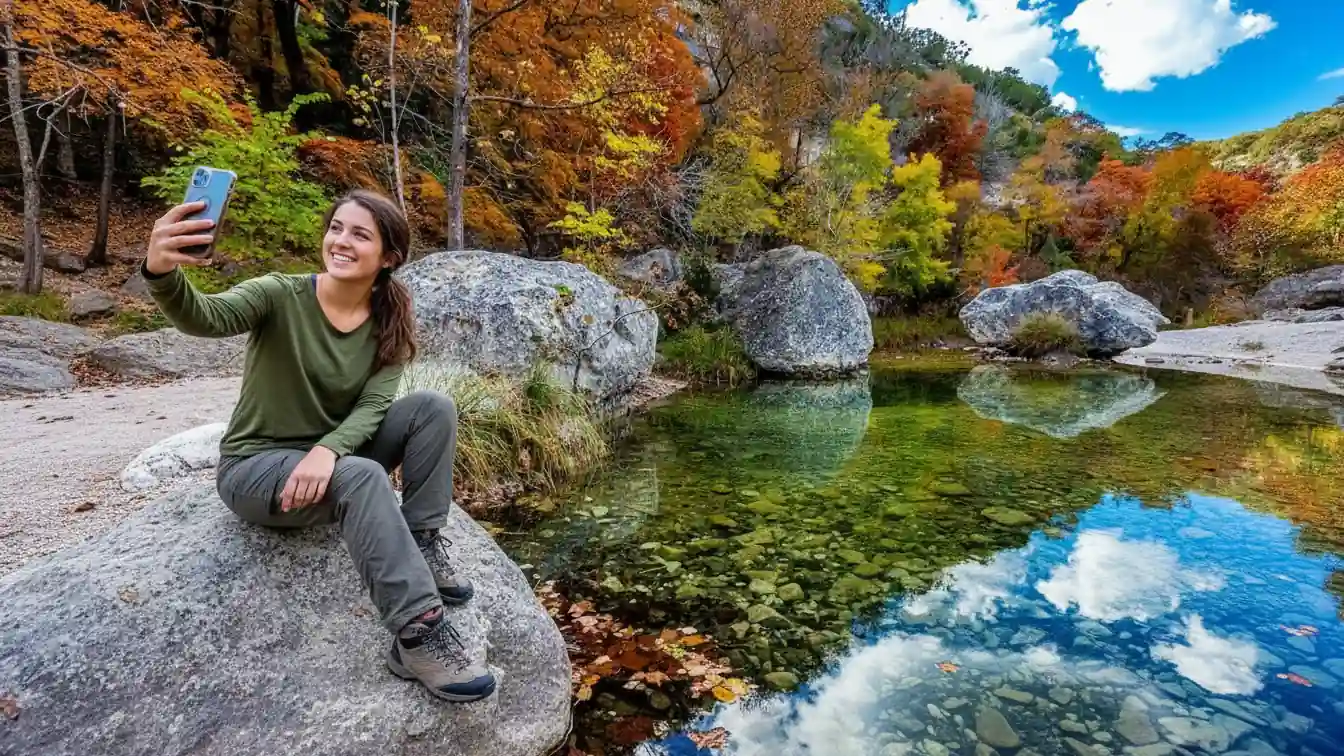
Lost Maples State Natural Area sits tucked into the western Hill Country, and it surprises many first-time visitors. I planned one autumn trip here on a ranger’s advice and ended up extending my stay.
In late October and early November, the maple trees turn red and gold, creating rare fall color in Texas. Trails climb into limestone hills, offering overlooks that work well for wildlife photography.
Camping includes drive-up campsites and walk-in tent campsites with picnic tables, restroom facilities, and drinking water supply. Reservations open months ahead due to limited site numbers and high seasonal demand.
8. Lake Livingston State Park
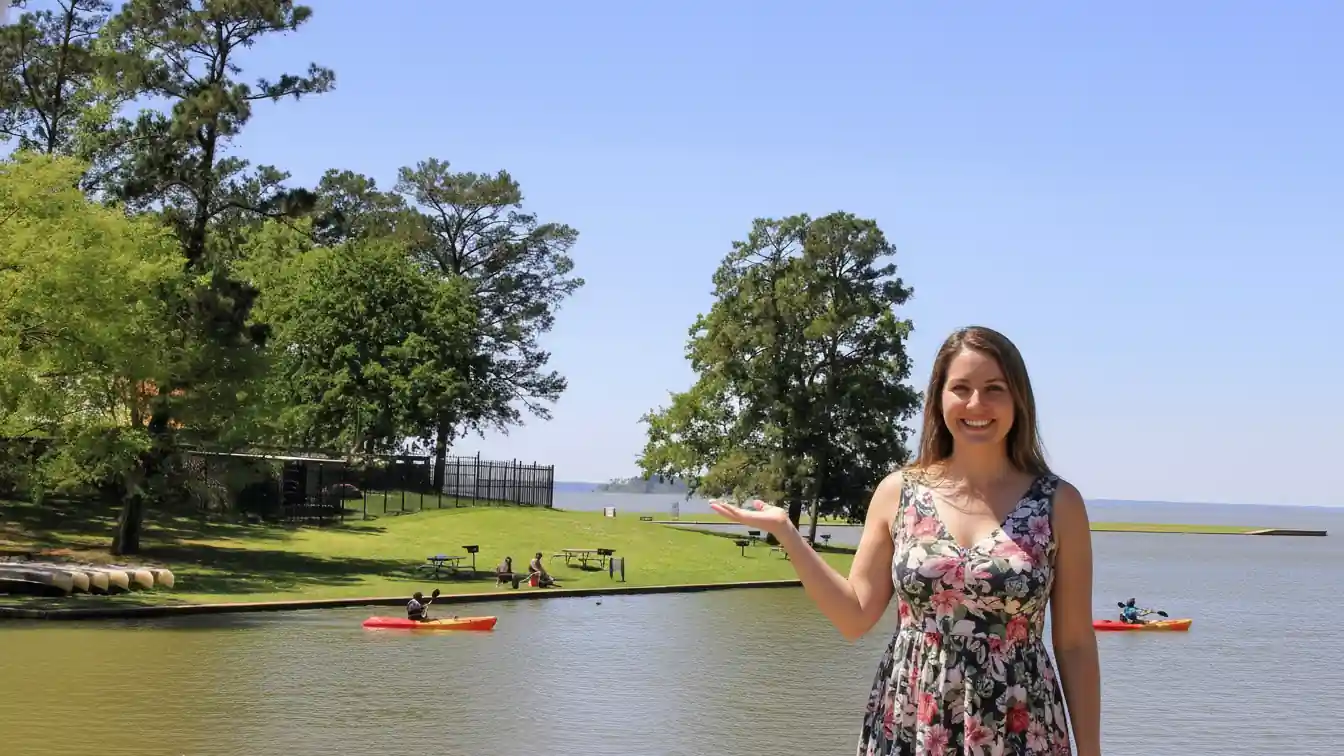
Lake Livingston State Park lies north of Houston and feels calmer than its location suggests. The lake stretches wide, with quiet coves and shaded forest edges.
Fishing, swimming, and kayaking are popular here. I found early mornings best, before boat traffic picks up and wind hits the open water.
Camping options include RV camping areas, full hookup sites, and tent sites. Campgrounds provide water spigots, picnic tables, sanitary facilities, and easy access to the shoreline. This is one of the best camping spots in Texas for families who want comfort and space.
Explore more on 19 Spine-Chilling Haunted Places to Tour in Texas This Year
9. Franklin Mountains State Park
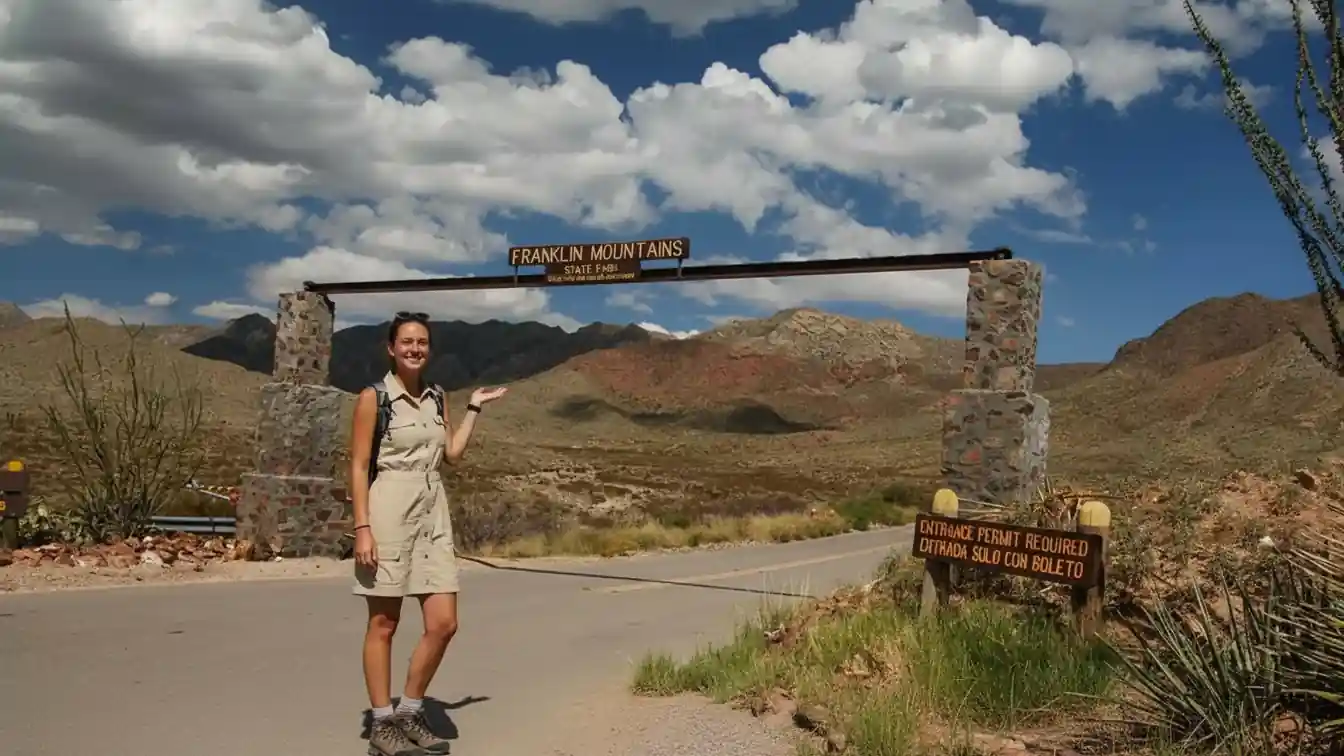
Franklin Mountains State Park rises sharply above El Paso and feels almost unreal when you first see it. The rugged mountain skyline dominates the city edge.
Hiking trails climb fast into rocky terrain, with scenic overlooks that stretch across Texas, New Mexico, and Mexico. Sunset hikes here are memorable, especially in cooler months.
Camping includes designated tent areas and group sites. Facilities are basic, so pack camping gear carefully and follow fire safety rules. This park suits experienced campers who enjoy elevation, quiet, and strong desert views.
10. Government Canyon State Natural Area
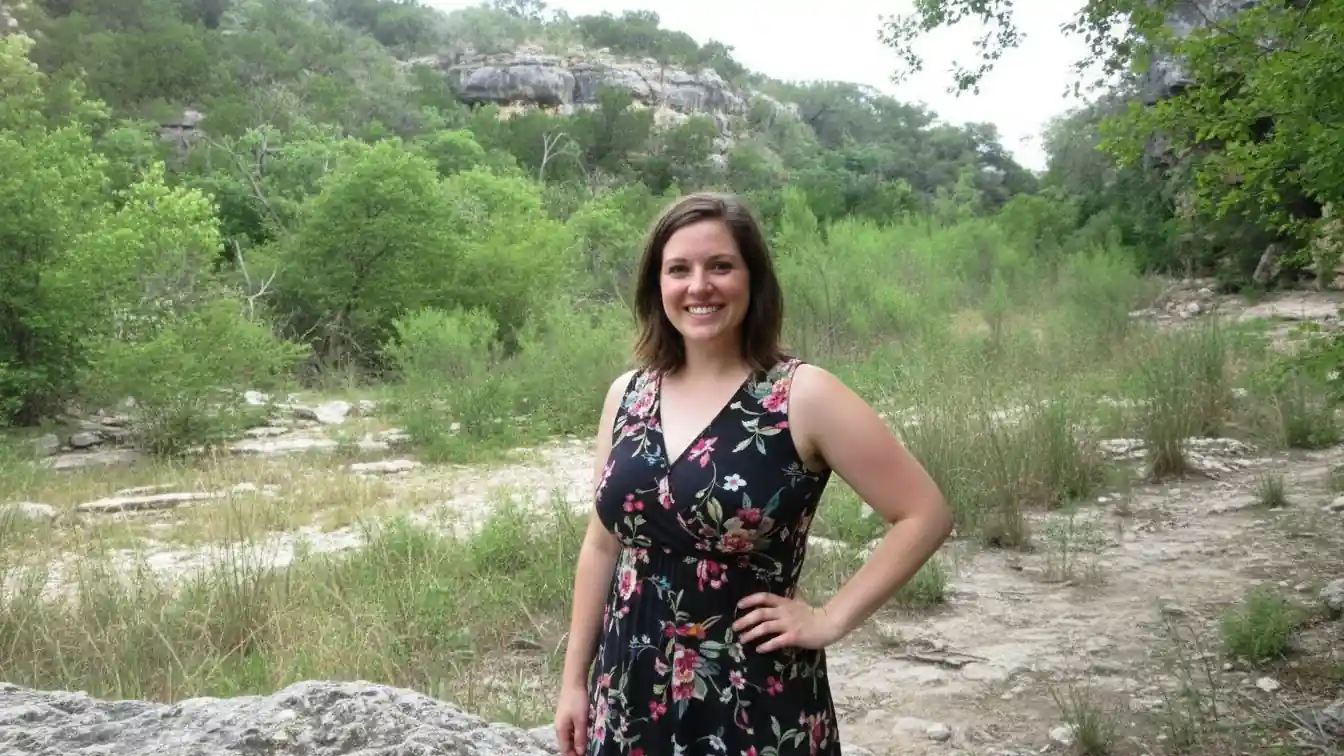
Government Canyon State Natural Area sits northwest of San Antonio and stays quiet due to limited access. On one visit, a ranger pointed out dinosaur tracks hidden along a dry creek bed.
The landscape features limestone hills, wide canyons, and long views across protected natural areas. Trails range from flat loops to longer backcountry routes with steady climbs.
Camping is primitive and hike-in only. There are no hookups, so plan for liquid-fuel stoves, packed water, and strict fire safety rules. Permits and Day Passes are required before entry.
11. Kerrville-Schreiner Park
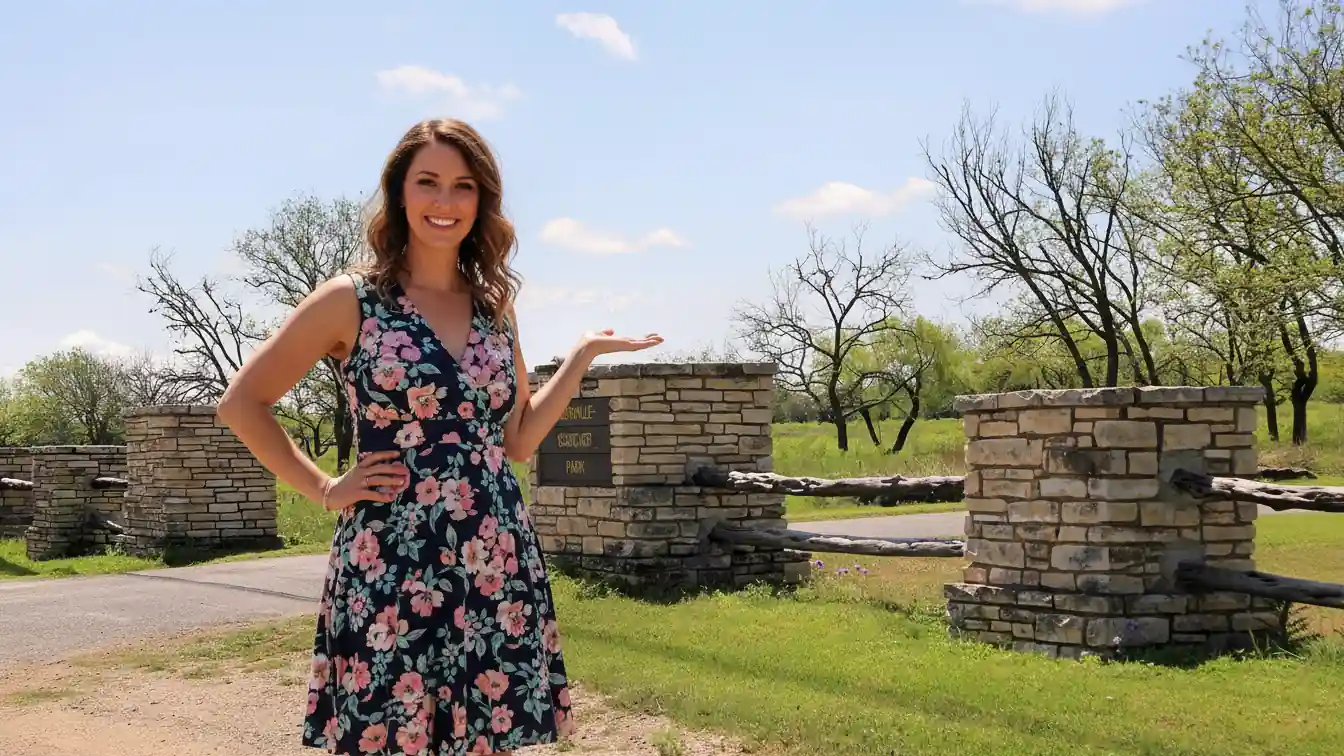
Kerrville-Schreiner Park runs along the Guadalupe River and blends comfort with scenery. I often recommend it to travelers easing into Texas camping for the first time.
River access allows fishing, tubing, and quiet morning walks along shaded banks. Biking trails run through oak groves and open grassland.
Camping includes RV sites, tent areas, picnic tables, restroom facilities, and reliable drinking water. Its layout makes it a strong option for places to camp in Texas with family while staying close to town services.
Explore more on
12. South Llano River State Park
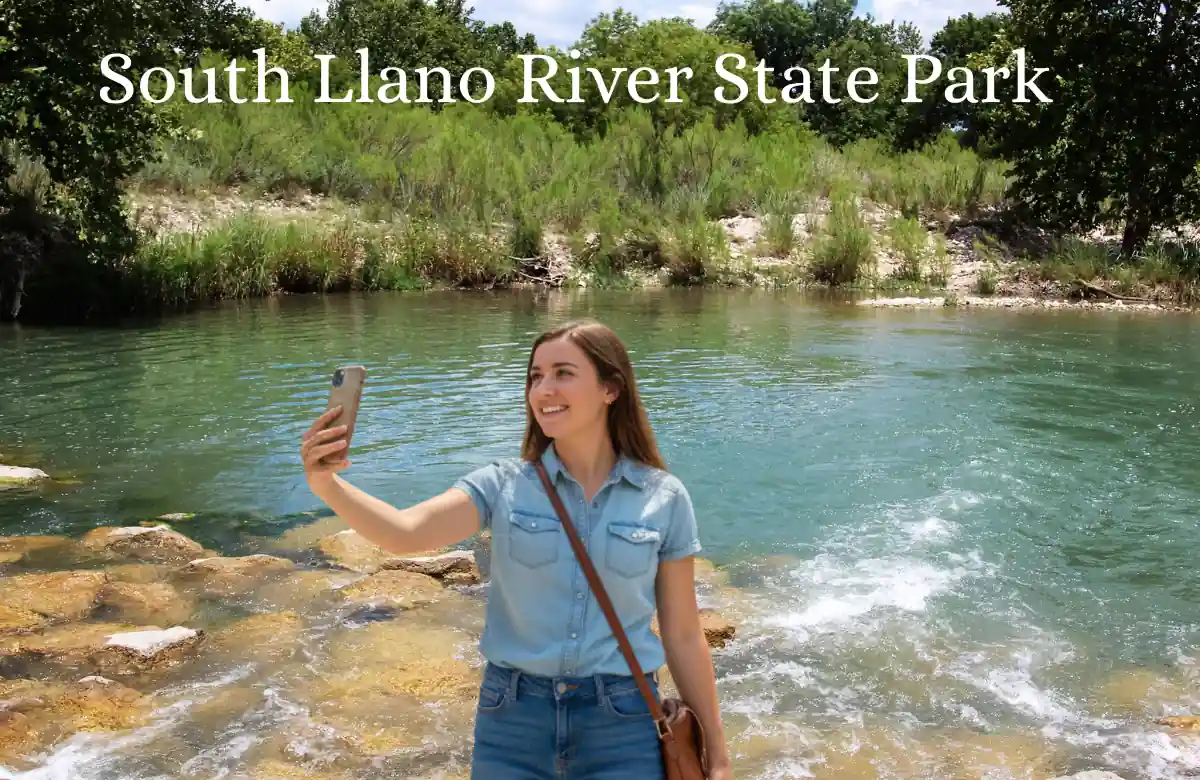
South Llano River State Park sits in the western Hill Country and quickly became one of my favorite repeat stops. The river stays clear year-round, even during hot summers.
Birdwatchers flock here for migratory species, while others enjoy swimming and tubing in shallow channels. Early mornings bring mist over the water and quiet trails.
Camping options include drive-up campsites, walk-in tent sites, and equestrian campsites. Facilities include picnic tables, restroom facilities, potable water, and horse washing areas near designated trails.
13. Brazos Bend State Park
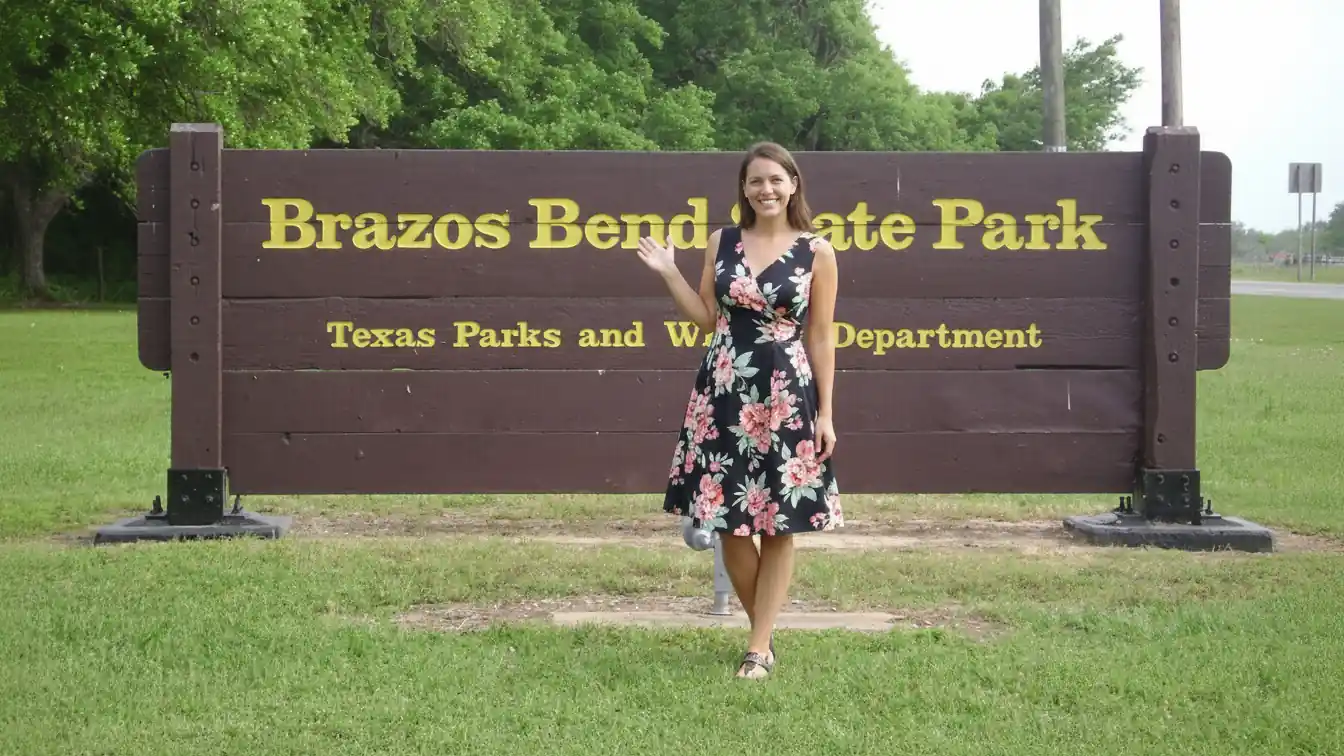
Brazos Bend State Park sits southwest of Houston and feels far removed from city life. I learned quickly to respect the wildlife here after spotting alligators sunning near the trails.
The park’s wetlands and open skies make it one of the better spots for stargazing close to the city. Clear nights work well for astrophotography, especially near the quieter lakes.
Camping includes drive-up campsites with picnic tables, restroom facilities, potable water, and nearby trails. Follow posted safety guidance and keep distance from wildlife at all times.
14. Monroe Lake
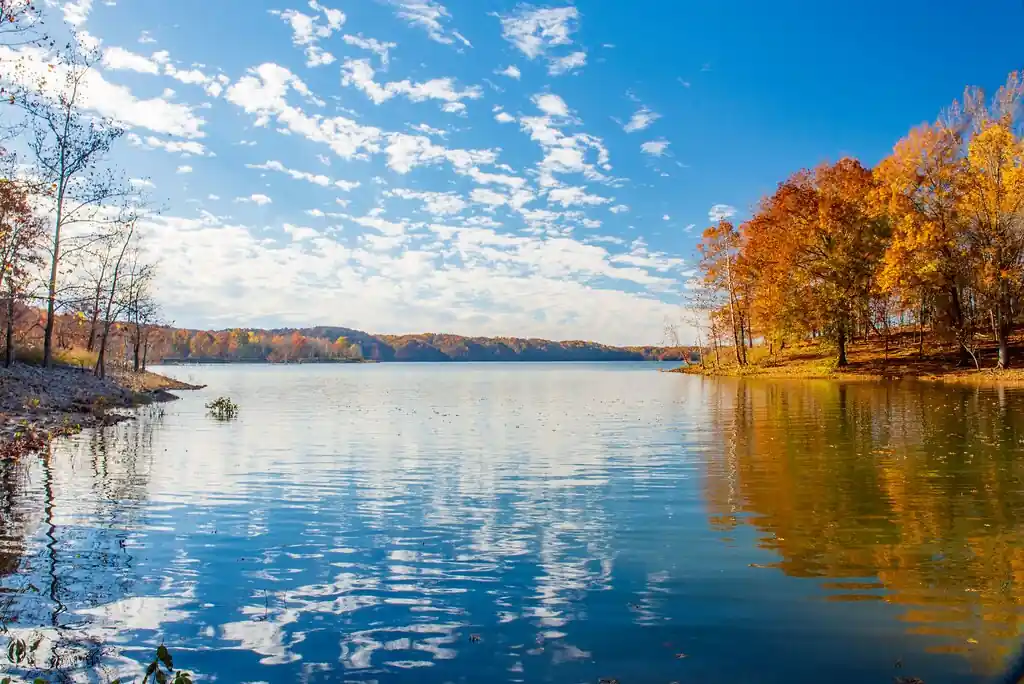
Monroe Lake remains low-profile compared to larger Texas lakes. I stopped here on a slow loop through East Texas and stayed longer than planned.
The calm water attracts anglers and paddlers who prefer quiet over crowds. Sunrise brings still reflections and soft light across the shoreline.
Camping is simple and lightly developed. Expect basic sites, limited amenities, and local rules posted at entry points. Bring your own drinking water, camping gear, and a compact camp stove.
15. Sabine River Bottom
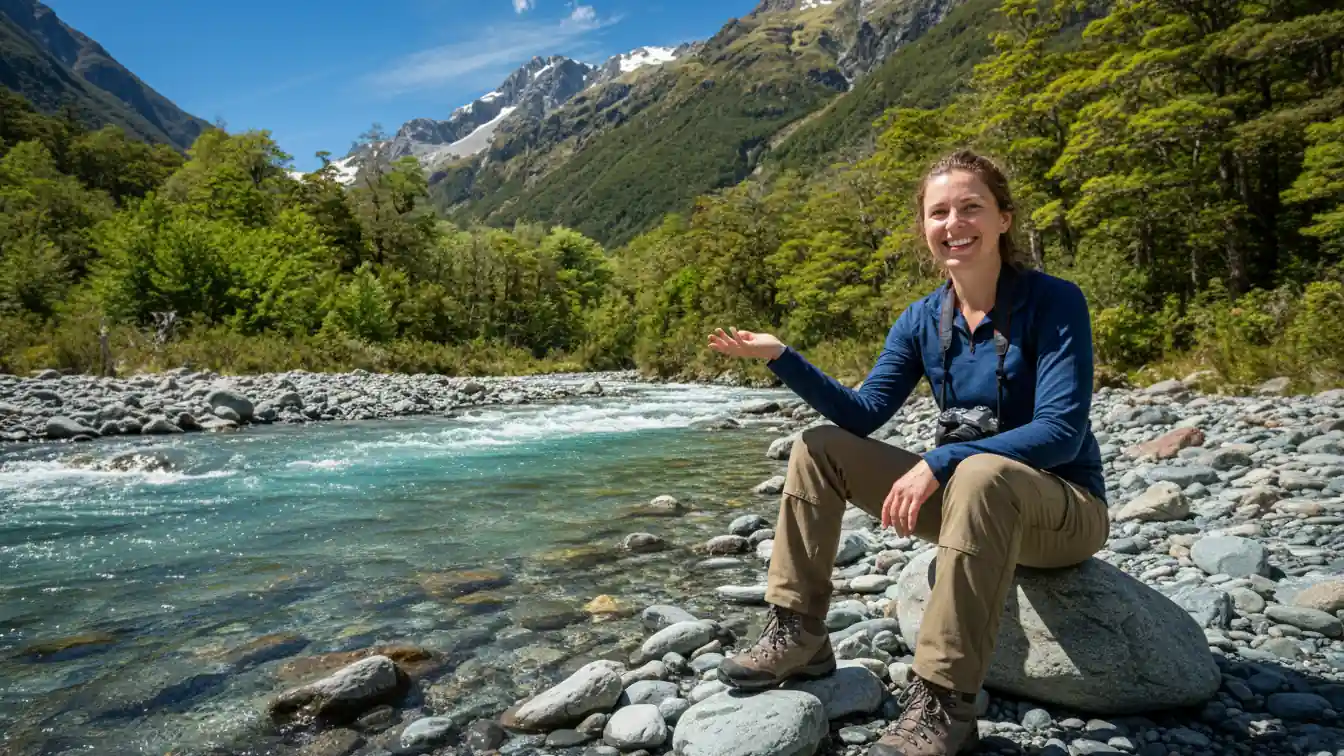
Sabine River Bottom offers one of the most secluded camping experiences in the state. This stretch of river bottomland feels wild and unchanged.
Wildlife encounters are common, especially birds and small mammals. Evenings bring deep quiet, broken only by river sounds and insects.
Camping here is informal and often dispersed, usually outside developed parks. Check access points, respect private land boundaries, and pack out everything you bring. A first-aid kit and clear navigation plan are essential.
Explore more on:
12 Best Weekend Getaways in Texas for Couples on a Budget (2026 Edition)
15 Most Instagrammable Lakes in Texas For Photography Lovers
8 Best Ghost Tours in Fredericksburg Texas
Final Thoughts
Texas rewards campers who look beyond the obvious. Over years of traveling its state parks, deserts, forests, and river bottoms, I learned that the real magic often sits a little farther down the road or at the end of a quieter trail.
From granite domes in the Hill Country to bayous in the Piney Woods, the best places to camp in Texas offer variety, space, and views that never feel repetitive. These locations work for solo travelers, families, RV campers, and anyone willing to plan ahead.
Before you go, check reservation policies, pack for changing weather, and respect local rules. Texas parks stay beautiful because visitors treat them carefully. With the right preparation, these hidden camping spots deliver nights you will remember for years.
Explore more on:
10 Best Ghost Towns in Texas to Visit in 2026
12 Stunning Road Trip Routes in Texas for Adventure Lovers
20+ Unique Things to Do in Texas for Families
12 Must-Visit Regions in Texas for Every Type of Traveler
How to Plan the Perfect Texas Vacation: Tips, Seasons & Budget Hacks
The Ultimate Texas Travel Guide: Best Places, Road Trips & Vacation Tips
12 Most Beautiful Places in Texas to Take Pictures
Top 12 Most Beautiful Places in Texas You Need to Visit
Frequently Asked Questions
1. Where are the best places to camp in Texas?
The best places to camp in Texas include Big Bend Ranch State Park, Palo Duro Canyon State Park, Enchanted Rock State Natural Area, and Caddo Lake State Park. These locations offer strong scenery, varied terrain, and reliable camping facilities.
2. Which Texas state park is best for camping?
It depends on your travel style. Palo Duro Canyon State Park works well for dramatic views, while South Llano River State Park suits river camping and wildlife watching. Families often prefer parks with full hookup campsites.
3. What are the best camping places anywhere in Texas according to locals?
Local campers often recommend quieter areas like Lost Maples State Natural Area, Caprock Canyon State Park, and Big Bend Ranch State Park. These spots stay less crowded and offer stronger natural settings.
4. What is considered the best camping in Texas overall?
The best camping in Texas combines scenery, space, and access to water or trails. Guadalupe Mountains National Park and Palo Duro Canyon consistently rank high for hiking-focused campers.
5. What are the best places to camp in Texas for first-time campers?
State parks with developed campgrounds are ideal. Lake Livingston State Park and Kerrville-Schreiner Park offer restroom facilities, drinking water, picnic tables, and easier access to help if needed.
6. Where can I find places to camp in Texas with family?
Families should look for places to camp in Texas with cabins or full amenities. Caddo Lake State Park, South Llano River State Park, and Lake Livingston State Park are strong options.
7. Are there cool places to camp in Texas during summer?
Higher elevation areas like the Guadalupe Mountains and shaded river parks stay cooler. Camping near water also helps manage summer heat.
8. When is the best time of year to go camping in Texas?
Spring and fall are best for most regions. March to May and October to November bring milder temperatures and fewer weather extremes.
9. What safety tips should I follow when camping in remote areas of Texas?
Carry extra drinking water, a first-aid kit, and reliable navigation. Check weather forecasts, follow fire safety rules, and inform someone of your travel plans.
10. Do Texas state parks require reservations for camping?
Most Texas State Parks require reservations, especially on weekends. Use the official reservation system and confirm arrival date flexibility before booking.
11. Are there places to camp in Texas with cabins available?
Yes. Several state parks offer cabins, including Caddo Lake State Park and Lake Livingston State Park. These suit travelers who want comfort without full RV setups.
12. Can I camp outside developed parks in Texas?
Some areas allow dispersed camping, especially outside park boundaries or in national forests. Always verify land ownership, follow local rules, and practice Leave No Trace principles.

Recent Posts
 SKYXX Bar Ho Chi Minh City: #1 Rooftop Bar in Saigon (2026 Guide)
- Best Places to Snorkel in Hawaii In 2026
- Travel Tweaks Offers: A 2026 Guide to the Best Travel Deals in the USA
- Top Vehicle Choices in Maryland: Selecting the Ideal Bus for Every Trip
- Residence Villa Clara San Vincenzo: Top Features for Travelers