Gondola Rides in Venice: Costs, Best Routes, How to Book, and What to Expect (2026 Guide)
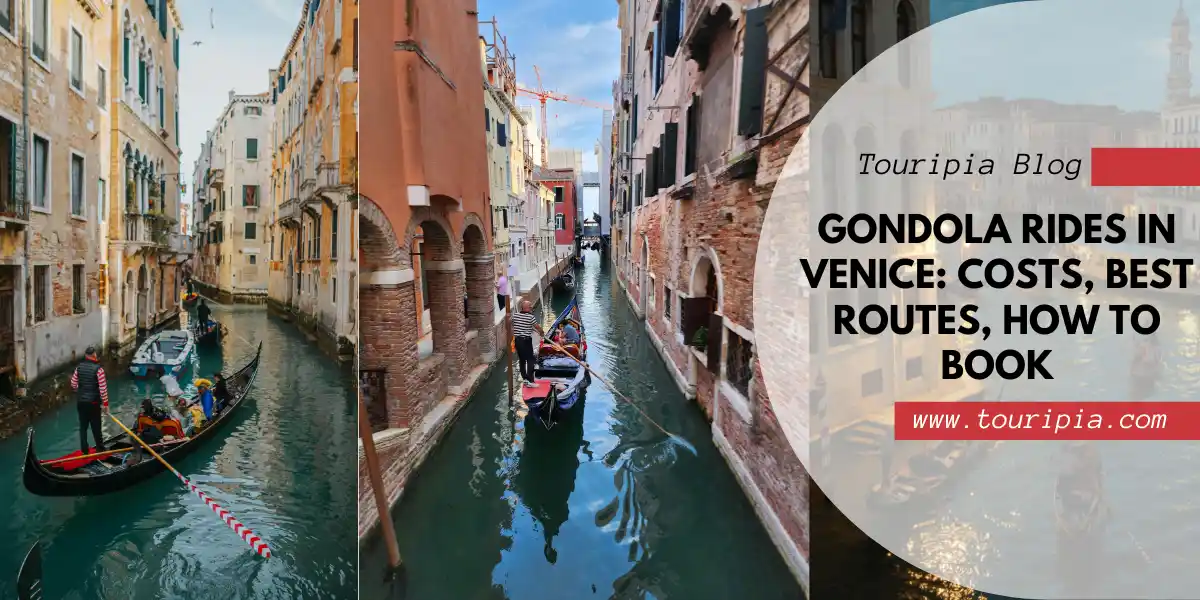
A gondola ride in Venice is more than just a boat trip; it’s a slow, gliding immersion into the city’s very soul. I’ve taken these rides in every season, at odd hours, and from stations most travelers never notice. Each time, the view from water level offers a new perspective.
You move slowly, suspended between ancient stone, open sky, and shimmering water, and the city feels older, quieter, and more human than it does from any crowded bridge.
You notice details you’d otherwise miss: faded tide marks on doorways, iron rings where boats tied up centuries ago, the echo of an oar tapping stone as a gondolier warns another around a corner.
Most visitors should try it once because nothing replaces that feeling of drifting through living history.
This guide distills years of experience to help you plan the perfect ride, from understanding the costs and choosing the right route to appreciating the centuries of craftsmanship beneath you.
How Much Does a Gondola Ride Cost in Venice? (Official Prices)

Standard Day Rates
The city of Venice sets the official fare for a gondola ride, ensuring consistency across all licensed operators. During daytime hours (typically until 7 pm), a standard private ride costs €80 for 30 minutes. This price covers the entire boat, not each person. You can bring up to five people, making it a cost-effective option for families or small groups.
If you wish to extend your time on the water, you can negotiate this with your gondolier before stepping into the boat. The official rate for each additional 20 minutes is €40. Most gondoliers adhere to this pricing, especially for routes that include navigating the busier stretches of the Grand Canal.
Evening Rates
As dusk settles over the Venetian Lagoon, the atmosphere changes, and so does the price. After 7 pm, the rate for a 30-minute ride increases to €100. This change is immediate and applies even if the sun hasn’t fully set. The evening rate reflects the heightened demand for the magical experience of seeing Venice illuminated by lamplight.
The higher cost is due to two factors: the unparalleled romantic ambiance of the canals at night and the reduced number of gondoliers working late hours, which tightens availability. For many, the quieter, more intimate experience is well worth the premium.
What Affects the Price
While the base rates are official, several factors can influence the final cost of your gondola ride. The location of the gondola stations is a primary factor; those near major landmarks like the Rialto Bridge or St. Mark’s Square tend to be stricter with the official tariff due to high demand. In contrast, smaller stations in quieter districts like Dorsoduro or San Polo may offer more flexibility, particularly on a slow day.
Your desired route also matters. A request to combine tranquil back canals with a journey along the busy Grand Canal may require a longer duration, which your gondolier will price accordingly. Finally, add-ons will significantly increase the cost.
A serenade with a singer and musician, professional photography from a separate boat, or a bottle of prosecco are premium services that can add €100–€200 or more to the final bill.
Price for Shared Gondola Rides

For solo travelers or couples on a budget, a shared gondola tour is an excellent alternative. These rides typically cost between €30 and €40 per person and follow a predetermined route that often includes highlights like La Fenice opera house or a glimpse of the Grand Canal. You’ll be grouped with up to four other travelers.
While listings might advertise a “40-50 minute experience,” be aware that this often includes time for meeting, walking to the dock, and boarding. The actual on-water time is usually around 25-30 minutes.
A shared ride is a great way to experience the magic without the cost of a private booking, but if your group consists of three or more people, hiring a Private Gondola Ride is almost always more economical.
Price for Premium Night Experiences
For truly special occasions like proposals or anniversaries, premium evening packages offer a curated romantic experience. These often start around €140–€160 for a private night ride and can be customized with luxurious extras:
- With Prosecco: Approximately €200–€220
- With a Serenade: Approximately €350–€380
- With Prosecco and Serenade: €400+
These packages handle all the arrangements, ensuring a perfectly staged, memorable moment. The experience of gliding across St. Mark’s Basin at blue hour while music echoes over the water can be incredibly powerful.
However, for those simply seeking a beautiful night on the canals, a standard €100 evening ride from a quiet station offers much of the same magic without the added expense.
Private vs Shared Gondola Ride: Which One Should You Choose?

Many travelers ask me which option feels better: a Private Gondola Ride or a shared gondola tour.
After riding dozens of Venetian gondolas over the years, I can tell you the difference comes down to mood, timing, and the part of the city you want to see. Your choice will shape whether your experience is an intimate journey or an efficient sightseeing trip.
When a Private Gondola Ride Is Worth It

A private gondola is ideal when you want complete control and an intimate atmosphere. You choose the gondola stations, you help define the route, and you set the pace. This is your chance to have a personalized private tour of the city’s hidden waterways.
On one trip, I boarded near the Accademia Bridge and asked the gondolier to explore the smaller canals of Venice before entering the majestic Grand Canal. He skillfully navigated us through narrow passages where the sound of Venetian rowing was the only thing breaking the silence.
A private ride is worth it if:
- You are a couple seeking one of the classic romantic gondola rides Venice is famous for.
- You are celebrating a special occasion and want a personalized, memorable experience.
- You prefer a quiet departure from a local neighborhood like the Dorsoduro district.
- You are a photographer who needs the flexibility to pause for the perfect shot.
- Your group has three or more people, making it more affordable than individual shared tickets.
When a Shared Gondola Ride Makes Sense

A shared gondola tour works well if your primary goal is to experience a classic gondola ride at a lower price.
These organized boat rides follow curated routes that guarantee you’ll see popular landmarks like the Teatro La Fenice and parts of the Grand Canal. The experience feels structured, predictable, and efficient.
This option is ideal for:
- Solo travelers looking for a budget-friendly option.
- Couples who want the experience without the higher cost.
- Anyone who doesn’t mind sharing gondola space with other tourists.
- Visitors during peak season who want to avoid long lines at popular boarding points.
Some shared tours offer an audio guide via a smartphone app, providing commentary on Venetian heritage and the history of the landmarks you pass, including the famous 17th century gondola regulations.
Honest Advice Before You Choose
From my experience, both types of gondola rides feel physically similar once you are moving through the Venetian canals. The boat glides with the same grace, the oar taps the same rhythm, and the water laps against the hull in the same soothing way. The true difference lies in the atmosphere.
A Private Gondola Ride in Venice offers quiet moments of discovery. You hear music echoes from distant bridges and notice small details, like flowerpots in ancient window frames. You have the freedom to direct your journey.
Shared rides provide convenience. You avoid haggling, bypass timing issues, and skip long queues at busy gondola stations near St Mark’s Basilica, St. Mark’s Basin, or the Palazzo Ducale.
If flexibility, privacy, or romance is your priority, choose a private ride. If your goal is simply to check this bucket list experience off your list efficiently and affordably, a shared ride is a perfectly sensible choice.
Best Time to Take a Gondola Ride (By Season and Time of Day)

Choosing the right moment can completely change how your gondola ride feels. I’ve gone out at sunrise, in the intense heat of the afternoon, and deep into the night when Venice feels almost timeless.
Each hour has its own rhythm, and understanding that rhythm helps you avoid crowds and capture the atmosphere you desire.
Morning
Mornings in Venice are calm. The canals of Venice look softer, and the water is typically at its smoothest. I often start from a quiet station around 9 am, when gondoliers are ready but the tourist rush hasn’t yet begun.
For photographers, this is when the morning light bathes the historic facades along the Grand Canal in a clean, warm glow. Keep in mind that some gondola stations open slowly; before 9:30 am, you might find only a few gondoliers preparing their Venetian boat for the day.
Afternoon
This is the busiest time for gondola rides. Venice fills with day-trippers, and popular areas around the Rialto Bridge and St. Mark’s Square become crowded. An afternoon ride often means more water traffic, longer waits, and more noise bouncing off the stone walls.
If this is your only available time, I recommend choosing a smaller, shaded canal in a quieter area like the Dorsoduro district to find a more pleasant atmosphere away from the heavy clusters of boats.
Sunset
Sunset is arguably the most beautiful and sought-after time of day for a gondola ride. Watching the golden light spill across the Venetian palaces lining the Grand Canal is an unforgettable experience. This is also when evening rates begin and availability shrinks rapidly.
For couples, this is the prime time for truly romantic gondola rides. To capture the famous soft colors reflecting on the water, try boarding near the Accademia Bridge with a view toward San Giorgio Island. Booking in advance is highly recommended between April and October.
Night
Night rides are a different experience entirely—quieter, darker, and far more intimate. The sound of the oar is clearer, and narrow back canals feel timeless and mysterious. A ride near landmarks like the Palazzo del Bovolo or under the Bridge of Sighs after dark feels like stepping into a different century.
While night brings premium pricing, the opportunity to see the city without the crowds is unmatched. Some routes may also change depending on water levels and clearance under low bridges.
Best Months
Venice transforms with the seasons, and so does the experience on its canals.
- April–June & September–October: These months offer the best combination of pleasant weather, beautiful light, and manageable crowds. The water levels are generally stable, making for a predictable and comfortable ride.
- July–August: Expect heat, humidity, and peak-season crowds. The canals, especially around major Venice attractions, can feel chaotic.
- Winter (November–March): This season is quiet and beautifully atmospheric, but be prepared for cold, rain, and potential fog that can affect visibility.
For the ideal gondola ride in Venice, aim for spring or early autumn. The air is crisp, and the experience along the waterways is more serene.
Best Gondola Routes in Venice (Choose the One That Fits You)

Over the years, I’ve learned that the magic of a gondola ride depends heavily on the route. Venice is a labyrinth of hundreds of waterways, but only a handful deliver the perfect balance of iconic beauty, serene calm, and historical depth that travelers hope for.
These are the routes I recommend most, each offering a different window into the Venetian canals and the city’s rich culture.
Grand Canal + Accademia Route

This is the classic postcard route. You glide out of a narrow side canal and suddenly emerge onto the wide, majestic sweep of the Grand Canal, surrounded by stunning Gothic and Renaissance Venetian palaces.
On one of my trips, my gondolier pointed out the Peggy Guggenheim Collection, sharing stories of the trading family who built the palazzo centuries before it became a museum.
Ideal for first-time visitors, this route offers views of:
- Palazzo Barbarigo
- The charming Accademia neighborhood
- The iconic curve near the Accademia Bridge
- The magnificent facades leading toward the Grassi Palace
Bridge of Sighs Route
This route, typically starting near St. Mark’s Basin, is steeped in history and drama. It loops past the imposing outer walls of the Doge’s Palace (Palazzo Ducale) and under the legendary Bridge of Sighs.
The name comes from the belief that condemned prisoners in the 17th century would sigh as they caught their last glimpse of Venice through its windows. Gliding beneath it is a uniquely poignant moment.
You also get cinematic views of:
- The exterior of the Palazzo Ducale
- Hidden back canals behind the city’s political heart
- The edges of the St Mark’s basilica complex
La Fenice + Back Canal Route
For those who prefer quieter, more introspective moments, a route starting near the Teatro La Fenice is perfect. It deliberately avoids heavy traffic, staying within the tight network of serene waterways that crisscross older neighborhoods.
Here, you’ll see a more authentic side of Venetian life—locals chatting from windows, laundry lines strung between buildings, and a peacefulness you won’t find on the main thoroughfares.
Highlights include:
- The beautiful facade of La Fenice
- Narrow, silent water corridors
- Quiet residential areas and glimpses of local life
- Occasional views toward Marco Polo’s House
Rialto + Market Route
This route is lively, energetic, and rich with the history of Venetian commerce. The Rialto Bridge is one of the busiest and most iconic spots on the Grand Canal.
This trip route is perfect for those who enjoy the vibrant pulse of the city, with the sounds of the market and the constant movement of boats creating a dynamic backdrop.
You’ll see:
- The bustling Rialto Market from the water
- The area around Casanova’s Palace
- Busy waterways filled with water taxis, vaporetti, and merchant boats
- Rows of waterfront restaurants and shops
Night Route Highlights

Night completely transforms the gondola experience. The city’s noise fades, and buildings cast long, shimmering reflections on the water.
A night route often feels more mysterious and romantic, with gondoliers sometimes sharing ghost stories or historical anecdotes in the quiet darkness.
A typical night route might pass:
- Mozart’s House
- The illuminated spiral staircase of Palazzo del Bovolo
- The grand silhouette of the Basilica di Santa Maria della Salute
- The distant lights of San Giorgio Island
- The quiet corridors of the Dorsoduro district
What Affects Route Changes
Gondola routes are not set in stone; gondoliers must adapt to the city’s changing conditions.
- Water Levels: During “acqua alta” (high tide), some low bridges become impassable. The MOSE Flood Barrier System helps manage extreme events, but daily tidal shifts still require route adjustments. Conversely, low tide can make smaller canals too shallow.
- Bridge Clearance: Even without high tide, certain narrow arches require expert maneuvering.
- Canal Closures: Canals may be temporarily closed for maintenance or blocked by delivery boats and Venetian water taxis.
Always communicate your desired sights—whether it’s the Rialto Bridge, Doge’s Palace, or a quiet corner—to your gondolier before you start. They will create the best possible route based on the day’s conditions.
Where to Board a Gondola in Venice (And Where to Avoid)

Over the years, I’ve boarded gondolas from almost every corner of the city. Some gondola stations offer quiet, intimate moments with only the sound of Venetian rowing, while others feel more like waiting for a ride at The Venetian Resort in Las Vegas. Your starting point shapes your whole experience, so choosing well matters.
Best Quiet Stations
If you want calm water, fewer crowds, and a route that feels more authentic, seek out smaller stations away from the main tourist arteries.
- San Tomà: Located in the Dorsoduro district, this is one of my favorite spots to begin a gondola ride in Venice. The canals here are tight and shaded, perfect for slow glides and peaceful reflections.
- Santa Sofia: Situated across from the Rialto Market but surprisingly peaceful, this station offers access to tiny back canals where only gondolas are permitted. It’s an excellent starting point for seeing everyday Venetian life.
- Jewish Ghetto (Ghetto Novo): Boarding here guarantees a journey through one of Venice’s most historic and tranquil neighborhoods, far from the crowds of St. Mark’s.
Where to Board for the Best Views

For iconic scenery and dramatic photo opportunities, these boarding points are your best bet.
- Accademia Bridge: Starting here provides a stunning, sweeping view of the Grand Canal as it curves. You’ll float past the Palace of Count Marcello, elegant palazzi, and the Peggy Guggenheim Collection.
- Rialto (Market Side): While busy, starting on the market side of the Rialto Bridge offers a vibrant, colorful ride. Gondoliers here often share stories about the historic Venetian trade network that once thrived on these waters.
- Danieli Hotel (Riva degli Schiavoni): This station offers breathtaking views across St. Mark’s Basin toward San Giorgio Island and includes a pass under the famous Bridge of Sighs.
Stations to Avoid
Some stations, despite their convenient locations, often lead to a loud, chaotic gondola ride surrounded by other boats and tourists.
- St. Mark’s Basin (Main Pier): While the views are spectacular, the water here is often choppy from constant boat traffic, and the rides can feel rushed and impersonal, following rigid, assembly-line routes.
- Bacino Orseolo (Behind St. Mark’s Square): This is the largest and busiest station. It can feel like a parking lot for gondolas, and your ride will likely be part of a flotilla, diminishing the intimate experience.
- Hard Rock Café Station: This area is a major tourist hub. Expect long queues at the ticket booth and a ride that feels more like a spectacle than a serene journey. These stations also adhere strictly to official Gondola Rates with no room for flexibility.
How to Pick a Gondolier
Choosing a gondolier is like choosing a storyteller for your journey. Take a moment to observe before you commit.
- Check their demeanor: Some gondoliers are natural storytellers who love sharing details about Venetian heritage, while others are quiet and reserved, letting the city speak for itself. Pick one whose style matches your own.
- Confirm the details: Ask about the exact duration (confirming 30 minutes on the water) and the proposed route. A professional will gladly explain where you’ll go, whether that includes the Grand Canal or the Bridge of Sighs.
- Look for engagement: Avoid gondoliers who seem distracted or are on their phones. The best rides come from those who are present and passionate about their craft.
- Discuss conditions: A simple question about the tide and bridge clearance shows you’re an informed traveler and opens a dialogue.
A brief conversation is all it takes to find a private gondolier who can make your ride truly special.
How to Book a Gondola Ride (Online vs On the Spot)

Travelers often assume they must pre-book a gondola ride in Venice, but after years of visiting, I can tell you this: the gondola culture still runs on personal exchanges, not online reservations.
Booking the right way saves money, avoids common pitfalls, and gives you more control over your experience.
Booking on the Spot (The Best Option for Most Travelers)
Booking directly at the gondola stations is the traditional, most authentic, and often best approach. You simply walk up, talk to a private gondolier, agree on the details, and begin your ride.
When booking on the spot, always confirm:
- The exact duration (the standard is 30 minutes).
- The trip route, specifying if you want to see the Grand Canal, quiet back canals, or landmarks like the Doge’s Palace or the Bridge of Sighs.
- The price (€80 during the day, €100 after 7 pm).
Since pricing is regulated, aggressive negotiation isn’t necessary. Instead, focus your energy on choosing a gondolier and a starting point that aligns with the experience you want. This method offers the most flexibility and is perfect for travelers who prefer a spontaneous, organic journey.
Booking Online
There are times when booking a gondola ride online makes sense, particularly during peak season or for specific experiences.
Platforms like Venice City Tours offer shared gondola tour options with fixed schedules, which can be a great way to save money.
Booking online is useful if:
- You want a shared gondola tour to reduce costs.
- You need to secure a coveted sunset or evening time slot.
- You’re on a tight schedule and can’t spend time searching for the right boarding point.
- You want a tour that includes commentary via an app or headset.
Be aware that online bookings may include service fees. Always read the fine print to understand if the ride is private or shared, if the advertised time includes waiting, and the exact departure point.
Booking Through Hotels
Many hotels, from boutique properties to luxury establishments like the Hotel Canaletto, can arrange a gondola ride for you.
This service offers maximum convenience, as the concierge handles all the details with trusted partner gondoliers. However, this convenience almost always comes with a significant markup.
Use hotel booking if:
- You want a seamless, pre-arranged surprise for a special occasion.
- You prefer the reliability of partners vetted by your hotel.
- You don’t mind paying a premium for the convenience.
This is an excellent option for arranging elaborate romantic gondola rides with prosecco or other special requests.
Common Booking Mistakes to Avoid
Even seasoned travelers can make mistakes with Venice’s unique system. Keep these tips in mind:
- Don’t pay per person for a private ride; the price is always per boat.
- Don’t assume a “tour-included” gondola ride is private. Most large tour groups will fill all five seats.
- Don’t forget to confirm the on-water duration. Some operators count walking and waiting time.
- Don’t board without discussing the route. If seeing the Grand Canal is important to you, state it upfront.
- Don’t feel pressured into extras like photo packages unless you truly want them.
Getting these details right ensures your gondola ride in Venice will be smooth, personal, and genuinely memorable.
What to Expect on Your Ride
Even after dozens of gondola rides over the years, I still find the experience slightly unpredictable in the best way. Venice has its own rhythm.
The canals shift with the light, the tide, and the movement of the city around them. Understanding what actually happens during a gondola ride helps you enjoy it more and avoid common surprises.
Movement and Comfort
A gondola moves with a gentle sway, especially in the narrow canals of Venice. In quieter areas, the motion feels smooth and calming. Once you enter the Grand Canal, the water becomes more active due to passing vaporetti and water taxis, giving the gondola a mild rocking motion.
Seating also matters. The main bench near the back is the most stable. The small chairs up front offer better views but are less balanced. If you have mobility issues, tell the private gondolier so he can seat you comfortably before setting off.
The ride is unhurried and designed to feel intimate. Even simple moments like gliding under a stone arch or passing a fading Venetian facade feel cinematic at water level.
Water Conditions
The Venetian canals aren’t uniform. Some are calm and glassy, while others near the Rialto Bridge and St. Mark’s Basin can be busier. In smaller canals, the gondola slides with near-silent elegance. On the Grand Canal, expect more motion and the occasional wave from passing boats.
Water levels change throughout the day. During high tide, bridges may sit lower than usual. Your gondolier might ask you to duck or avoid certain canals altogether. These tidal shifts are normal and part of navigating a living lagoon city shaped by centuries of maritime changes.
If the wind picks up, especially in the open spaces near San Giorgio Island, the gondola may rock slightly. It’s nothing alarming, but it shows why gondoliers need years of Venetian rowing training to master the craft.
Photography Tips
You’ll want to capture everything, but keep this in mind: the gondola sits very low on the water. Your angle changes constantly as the boat shifts. For sharp photos:
• Keep elbows tucked and brace your arms on the side of the gondola.
• Use your phone’s wide-angle mode to capture tight canals.
• Take more photos in narrow canals where the water is calmer.
• Avoid taking too many during night rides unless your camera gear handles low light well.
Night photography is challenging because the gondola never stops moving. Street lamps reflect beautifully on the water, but you’ll need steady hands or a camera with good stabilization.
Some gondoliers pass famous landmarks such as Doge’s Palace, Marco Polo’s House, or Palazzo del Bovolo, giving you ideal moments for landscape shots. But always balance photography with being present. Some of my clearest memories were captured long before I thought about picking up the camera.
What Gondoliers Usually Do
Hollywood created the myth that gondoliers always sing. In reality, most don’t. The gondoliers who do sing usually work on Gondola Cruises with musicians or charge extra for romantic songs.
A typical gondolier will:
• Navigate quietly
• Offer light narration only if he feels comfortable
• Share historical details when asked
• Talk about local life, tides, or the Voga alla Veneta technique
Some are chatty, others calm and reserved. Both styles are part of Venetian culture. If you want stories or conversation, choose a gondolier who seems approachable before you board.
Expect moments of peaceful stillness broken by the soft splash of the oar, a distant echo in the alleyways, or a call from another gondolier turning a corner. That’s the charm of genuine Venice boat rides, a world preserved despite the pace of modern tourism.
What Makes Gondolas Unique (History + Craft + Symbolism)
Even after years of navigating the Venetian Lagoon and speaking with local artisans, gondolas still fascinate me. They look simple when you see them lined up near gondola stations, but every curve, every metal detail, and every stroke of the oar reflects centuries of craftsmanship and Venetian heritage.
Understanding what makes these boats so special changes how you experience a gondola ride in Venice.
A Short History of Venetian Gondolas
The gondola’s story stretches back nearly a thousand years. The first written mention appeared in 1094, long before Venice became a global maritime force. At their peak in the 17th century, between 8,000 and 10,000 gondolas moved through the canals of Venice, serving nobles, merchants, and families.
Today, only about 400 Venetian gondolas remain, most used for tourism and a few reserved for Venetian weddings and ceremonial events. Their sleek black paint dates back to a 17th-century law meant to eliminate competition among nobles who tried to outshine each other with extravagant designs.
Walking through the Dorsoduro district or near the Accademia neighborhood, you’ll still see centuries-old squero workshops where gondolas get repaired. The tradition survives, but only through a handful of families who have devoted their lives to the craft.
How Venetian Gondolas Are Built
A gondola is far more complex than it looks. Traditional builders use:
• Around 280 handcrafted wooden pieces
• Eight different types of wood, including oak, larch, fir, cherry, walnut, mahogany, and lime
• Months of careful shaping and balancing
The hull is famously asymmetrical, built slightly longer on one side. This allows a gondolier to row with a single oar and maintain a straight line. The technique—known as Voga alla Veneta—takes years to master, and every gondolier spends months practicing balance, turning, and emergency maneuvers before earning a gondolier license from the Gondoliers Guild.
The oarlock, called the forcola, is its own masterpiece. I’ve watched artisans like Paolo Brandolisio work in his small wood-carving shop behind St. Mark’s. The curves aren’t decorative. They control direction, resistance, and speed. Other masters, like Saverio Pastor, create forcole that are both functional and museum-worthy.
Each gondola lasts roughly 15 years before needing major restoration. Some can be refinished once, but the salty winds from the Adriatic Sea eventually claim every vessel.
Symbolism of the Ferro
One of the gondola’s most striking features is the fero da prorà, the gleaming iron blade on the bow. Its symbolism is deeply woven into Venetian culture, even if some interpretations evolved over time. The elements represent:
• Six teeth for the six districts of Venice
• A single curved blade on the back for Giudecca Island
• The arch for the Rialto Bridge
• The upper curve for the Doge’s cap
• Three subtle friezes for Murano, Burano, and Torcello
Even if the symbolism came later, it gives visitors a deeper sense of Venice’s identity. When you glide past Palazzo Ducale or the narrow turn near Casanova’s Palace, that polished metal feels like a quiet tribute to the city’s past.
Why Gondolas Are Not Poles Like a Punt
Many travelers assume gondoliers use poles. They don’t. The Venetian canals are far too deep. Instead, the gondolier stands on the stern and rows using a long wooden oar, adjusting the stroke depending on tight corners, choppy waves, or shallow turns.
Watching a gondolier navigate inches away from another boat feels like choreography. During one ride near the Accademia Bridge, I watched my gondolier pivot the boat sideways with a single controlled movement. It was one of the clearest reminders of how much skill goes into what looks effortless.
Why This History Matters for Your Ride
When you know how much craftsmanship and symbolism sits beneath you, a private gondola ride or even a shared gondola tour becomes more meaningful. You’re not just sitting in a boat. You’re riding in a vessel shaped by artisans, protected by guilds, and preserved through centuries of Venetian trade network traditions.
Important Realities Nobody Tells You
Most travelers picture a gondola ride as a perfectly smooth, quiet glide under ancient bridges. And yes, there are moments that feel exactly like that. But Venice is a living, breathing lagoon city, and the experience shifts with tides, tourists, and the natural rhythm of the Venetian canals.
These are the things I’ve learned after years of doing gondola rides in different seasons, times, and neighborhoods.
Water Level Issues
The tide can change everything. High water can raise the canals enough that certain bridges become too low for safe passage. When that happens, gondoliers will adjust the route on the spot. It isn’t a scam. It’s simply life in a city built on water.
I’ve had rides where the gondolier paused, studied the clearance, and told me we needed to duck. Other times, he turned the gondola around because even a private gondolier couldn’t pass under the tight arch.
The MOSE Flood Barrier System helps control extreme tides, but day-to-day water changes still matter.
Low water brings its own challenges. Some of the smaller canals near the Dorsoduro district become too shallow, and gondoliers avoid scraping the bottom. When this happens, you may stick to wider canals or head toward the open area near St. Mark’s Basin.
Traffic Jams in the Canals
Yes, traffic jams exist on water. In peak season, especially around the Rialto Bridge, dozens of gondolas converge at once. Smaller canals often have sharp turns and tight corners. Gondoliers shout single-word cues to each other — part tradition, part necessity — to avoid collisions.
You’ll see gondolas glide within inches of each other. Sometimes they pause completely. Sometimes your gondolier will angle the boat sideways in a move so smooth you’d swear he’s done it ten thousand times… because he has.
These bottlenecks aren’t flaws. They’re part of the living choreography of Venice. And often, the best photos come from these pauses when the canal suddenly becomes still.
Crowds Watching From Above
If you pass under Bridge of Sighs, Doge’s Palace, or the route near the ticket booth at St. Mark’s, expect people photographing you from the bridges. It’s not personal. Gondolas are part of the city’s scenery, just like a vaporetti or Venetian water taxis.
If you want a quieter ride without an audience, choose a back-canal route near La Fenice, San Tomà, or the canals behind Palace of Count Marcello.
Rain and Wind
Rain doesn’t cancel a gondola ride, but it definitely changes it. I’ve ridden in the rain more than once, and it becomes a strangely peaceful moment — unless you forgot an umbrella. Gondoliers don’t provide covers, so bring one or keep a poncho ready.
Wind is more noticeable near the Adriatic Sea side of Venice or anywhere the canals open wide. Night rides near San Giorgio Island often feel cooler than expected, so bring a light jacket even in summer.
Some of the most atmospheric rides I’ve taken were in drizzly weather, gliding past Venetian palaces with reflections shimmering in the water.
Alternatives to Gondola Rides (Budget-Friendly Options)

Not everyone wants to spend €80–€100 on a traditional gondola ride. And honestly, after years of exploring the canals of Venice, I’ve found several alternatives that still give you incredible views without the higher price tag. These aren’t “lesser” experiences. They’re simply different ways to see Venice from the water.
Traghetto (€2 Gondola Crossing)
If you’ve ever wondered how Venetians themselves cross the Grand Canal, this is the answer. A traghetto is essentially a stripped-down Venetian rowing boat, operated by two gondoliers. Locals use it the way people in other cities use a crosswalk.
For travelers, it’s the cheapest way to feel the sway of a gondola for just €2 per person.
You stand for the short crossing unless you prefer grabbing the small bench. The route lasts less than a minute, but you get the authentic feel of Venetian life. It’s not romantic, and it’s not designed for photos, but it gives you a glimpse into everyday movement on the water.
Traghetto points often appear near:
• Rialto Market
• Santa Sofia
• Ca’ d’Oro
• Punta della Dogana
Look for the small signs and clusters of locals waiting quietly.
Vaporetto Line 1
If you want stunning Grand Canal views without paying gondola prices, the vaporetto is one of the best values in the city. Line 1 runs right along the Grand Canal, stopping at most major Venice attractions.
It’s slower than Line 2, which gives you time to photograph palaces like Grassi Palace, Ca’ Rezzonico, and Palazzo Barbarigo.
You won’t have the quiet of a gondola, but you will have:
• A comfortable seat
• A long route
• Some of the best views in Venice
If you’re staying near Hotel Canaletto, the stop at San Marco Vallaresso puts you close to the main boarding point.
Row Venice (Hands-On Experience)
This is one of the most meaningful water experiences in Venice. Instead of being a passenger, you learn how to row using the traditional Voga alla Veneta technique.
For about the price of a shared gondola tour, you get:
• One-on-one instruction
• A quiet route through back canals
• A deeper appreciation of Venetian rowing skills
Many travelers say this was more memorable than a traditional gondola ride. And after trying it myself, I agree. Feeling the weight of the oar, adjusting your stance, learning to balance… it gives you new respect for every gondolier navigating the lagoon.
Which Alternative Should You Choose?
• Tight budget? Traghetto
• Want the best canal views? Vaporetto Line 1
• Want something unique and hands-on? Row Venice
• Want romance and tradition? Stick with a gondola
Each option reveals a different side of Venice, but all help you experience the city at water level, where it truly comes alive.
Best Gondola Ride for Every Traveler Type

After more than a decade of wandering through the Venetian canals, revisiting classic routes, and trying different gondola rides with friends, family, and even photography clients, I’ve learned one thing: the “best” ride depends entirely on who you are and what you want from the experience.
Here’s how to choose the right one for your travel style.
For Couples
A Private Gondola Ride is the clear winner. You control the mood, the route, and the pace. Back canals near the Dorsoduro district offer the quietest views, especially around sunset. These are perfect for proposals, anniversaries, or anyone who wants romance without crowds yelling from bridges near the Rialto Bridge.
For added atmosphere, consider a night gondola ride through the St. Mark’s Basin, where the water reflects the lights of St Mark’s Basilica and the sound carries softly across the lagoon.
For Solo Travelers
A shared gondola tour makes sense. You save money, skip lines, and still enjoy iconic views like the Grand Canal and Doge’s Palace. Most solo travelers I’ve met in Venice choose shared seats to keep the cost low while still checking this classic bucket list experience.
If you want something more hands-on, Row Venice is a rewarding option and gives you a story far richer than a standard ride.
For Families
Go private. A full boat allows parents to sit together, kids to move comfortably, and everyone to enjoy the ride without strangers. Choose a quiet route around Accademia Bridge, where the movement of the water is calmer and easier for children.
Many families prefer the shorter 20–30 minute circuits through the back canals, where you can see local life at water level.
For Cruise Passengers
Time is limited, so efficiency matters. Choose any gondola stations near St. Mark’s or Rialto, but avoid the largest clusters where queues can run long. Booking a combination package, such as a Venice Classic Gondola Ride paired with St. Mark’s entry, saves precious hours.
If you disembark early, morning rides near the Accademia neighborhood are usually quieter.
For First-Time Visitors
Go for the Grand Canal + Accademia Route.
This route gives you the signature views you’ve seen in movies and travel magazines. You’ll glide past palaces, old merchant houses, and waterfront facades that reflect the true spirit of Venetian culture and Venetian heritage.
It’s one of the most complete introductions to the canals of Venice.
For Budget Travelers
A shared gondola ride or traghetto works best.
Shared rides start around €30–€40, and traghetti cost only €2, giving you a short taste of traditional Venetian rowing. These two are the most affordable ways to experience the city on water without paying full gondola rates.
For Photography Lovers
Choose sunset on a private route. Soft light, fewer crowds, and the reflections on the Venetian Lagoon give you plenty to work with. The canals near Teatro La Fenice are excellent for portraits because the backdrops are uncluttered and filled with warm tones.
Bring the right camera gear, because night shots on moving water are much harder than you expect.
For Older Travelers or Those With Mobility Issues
Private rides are more comfortable. Bench seating is easier to access than the smaller front chairs. Pick stations with flat boarding platforms, such as San Tomà or Santa Sofia. Also, avoid choppy areas along the wider Grand Canal, especially on windy days.
Final Advice for the Best Experience
After years of returning to Venice in different seasons, one pattern remains the same. The quality of your gondola ride depends far more on where you start, when you go, and who rows you… not the price printed at the ticket booth. A few small decisions shape the entire experience.
Pick your gondola station with intention. If you want quieter canals and fewer cameras pointed at you from every bridge, walk a few minutes away from the crowds. Stations near San Tomà, Santa Sofia, or the edges of the Dorsoduro district give you a calmer trip, often with softer light reflecting off the old brick walls.
And if you prefer iconic views of the Grand Canal, choose something near the Accademia Bridge or Rialto’s market side. These routes offer the classic postcard scenes of Venetian gondolas gliding between palaces.
Before you step in, confirm the basics. I always ask the gondolier how much of the timing is actual rowing time and whether water levels will affect the trip route. This avoids surprises when a low bridge near the Bridge of Sighs or Palazzo Ducale forces a detour.
If the gondolier seems distracted, impatient, or glued to his phone, walk away. A good private gondolier makes a huge difference, especially on narrow stretches where traffic from water taxis and other boat rides can get tight.
Bring cash. Gondoliers don’t use card machines, and the nearest ATM may be farther than you expect. Cash also helps if you want to extend your ride or adjust the route for something specific, like gliding past Teatro La Fenice, Peggy Guggenheim Collection, or even quieter canals behind Marco Polo’s House.
Once you’re on board, give yourself permission to slow down. Venice reveals a different personality at water level. The faint sound of Voga alla Veneta strokes, the soft creak of the oarlock, and the echo between centuries-old walls make this more than a bucket list activity. It becomes a glimpse into Venetian culture and the city’s long maritime past.
And yes, take a couple of photos, but don’t let the camera steal the moment. Some of my best memories of Venice came when I set my phone aside and watched how the last light slid across the Venetian palaces or how the current shifted as we entered the wide opening of St. Mark’s Basin.
If you plan well, choose your moment, and trust the rhythm of the city, a gondola ride becomes one of those small, unforgettable pieces of travel you carry with you long after leaving the Venetian Lagoon.
FAQs About Gondola Rides Venice
1. How long does a standard gondola ride last?
Most gondola rides last 30 minutes.
If you negotiate directly with a gondolier, you can often extend the ride in 20-minute increments for an additional fee. Just confirm the on-water time, because walking from the ticket booth to the boat is not included.
2. What is the best time of day for a gondola ride?
Sunset offers the most dramatic light, especially on the Grand Canal.
Mornings are calmer, afternoons are busiest, and evenings are the most romantic. Night rides near St. Mark’s Basilica feel calmer but can be very dark in the back canals.
3. Is tipping expected?
Tipping isn’t required, but it’s appreciated. A couple of euros is enough if your private gondolier went out of his way to explain history or adjust the trip route for better views of landmarks like the Bridge of Sighs or Doge’s Palace.
4. What happens if it rains?
Light rain doesn’t stop rides. Gondoliers operate year-round unless the weather becomes unsafe. Bring a small umbrella. Venetian rain tends to blow sideways between the buildings, especially close to the Adriatic Sea.
5. Are gondolas safe?
Yes, gondolas are extremely stable. They’re designed for the narrow waterways of Venice and handled by professionals who must pass strict licensing requirements before earning a gondolier license. Only about 400 licensed gondoliers work today.
6. Are gondola rides wheelchair accessible?
Unfortunately, traditional gondolas are not. The steps and uneven boarding platforms make access difficult. Instead, consider a vaporetto or one of the Venetian water taxis, which provide easier boarding.
7. Can I choose my route?
Most of the time, yes. If you book a private tour, you can request specific views such as the Rialto Bridge, La Fenice, or San Giorgio Island. Water levels may force last-minute changes. High tide often blocks low-clearance bridges.
8. Can I negotiate the price?
Not the base price. The cost of gondola ride is regulated: €80 before 7 pm, €100 after 7 pm. What you can negotiate is the duration or whether the gondolier includes a quieter route away from heavy boat rides and water taxis.
9. How many people fit in a gondola?
Up to 5 passengers, not including the gondolier. If you’re hiring a gondola with a serenade or musicians, they may require an additional boat. This is especially common around iconic spots like St. Mark’s Square.