15 Unique Places in Pakistan That Don’t Look Real
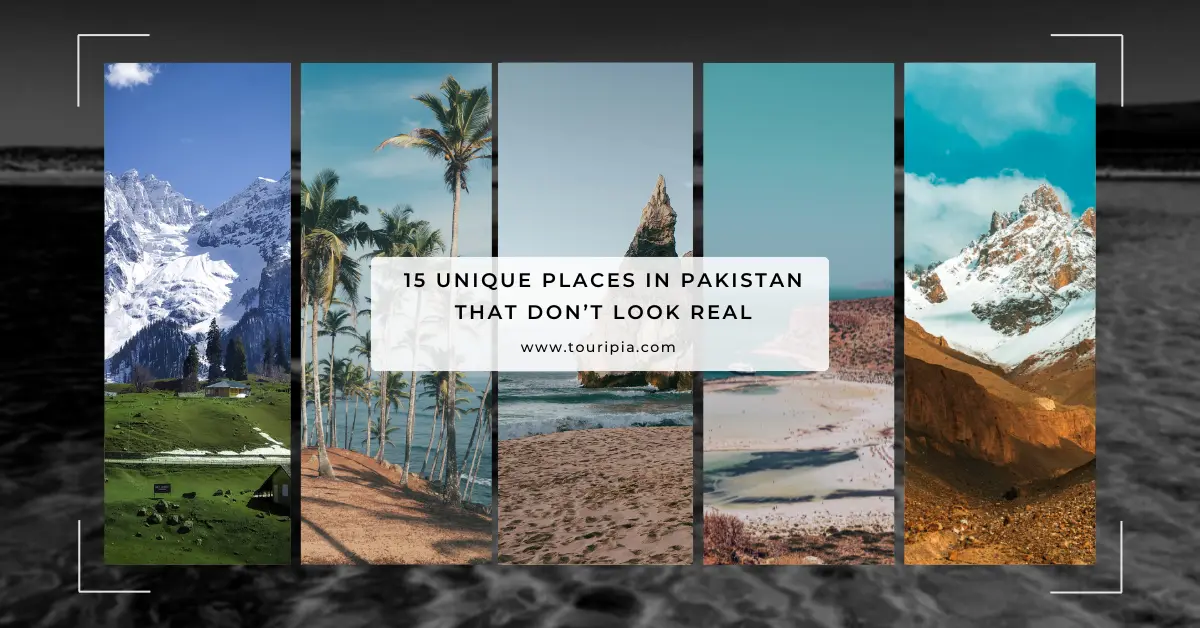
Pakistan is one of those countries that surprises you fast. Snow-covered peaks rise next to turquoise lakes, ancient forts sit above green valleys, and deserts stretch into the horizon.
Many travelers search for places in Pakistan that don’t look real, and the reason is simple. The landscapes feel unreal even when we visit in person.
From the northern areas to historic cities, Pakistan offers some of the most beautiful natural places in Asian Region. These unusual places look edited, filtered, or imagined, yet they exist exactly as they are.
Places in Pakistan That Don’t Look Real – 2026 Updated Edition
This guide covers 15 unique places in Pakistan that don’t seem real, from dramatic mountain valleys to cultural landmarks shaped by centuries of history.
If you want Pakistan’s most beautiful places for tourists, family trips, or photography, you will find them here.
1. Skardu Valley
Find Skardu Vallery on Google Maps.
Distance from Islamabad Capital: 14h 14m (727 km)
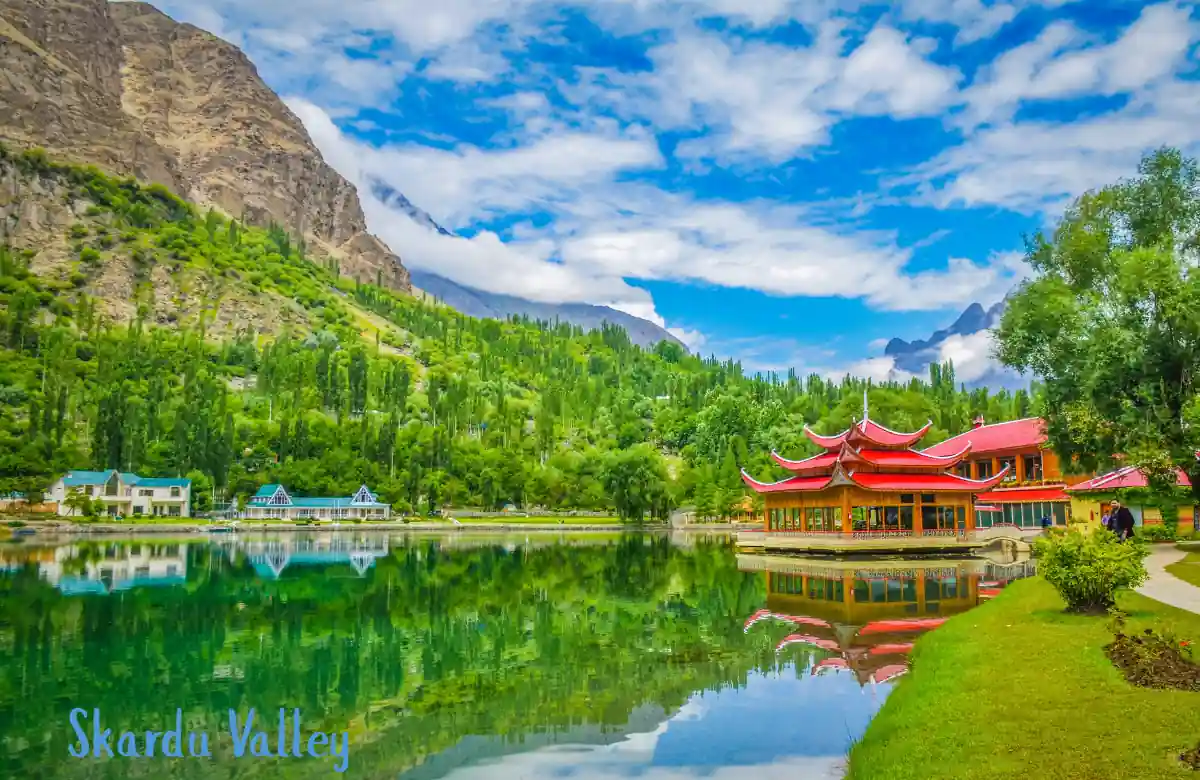
Skardu Valley is one of the most beautiful places in Pakistan, and it feels like a storybook land. Tall mountains surround the valley, and clear lakes shine under the sunlight.
The air feels fresh, and the views look unreal, even without photos. Many people visit Shangrila Resort, which sits next to a bright blue lake with small wooden huts.
Sheosar Lake nearby looks like a giant mirror because it reflects the sky and clouds.
In summer, green fields and colorful flowers cover the land.
In winter, everything turns white with snow.
Skardu is also the starting point for trips to very high mountains. Families enjoy calm walks, gentle weather, and peaceful views. This valley shows why Pakistan’s northern areas are famous for natural beauty.
2. Fairy Meadows
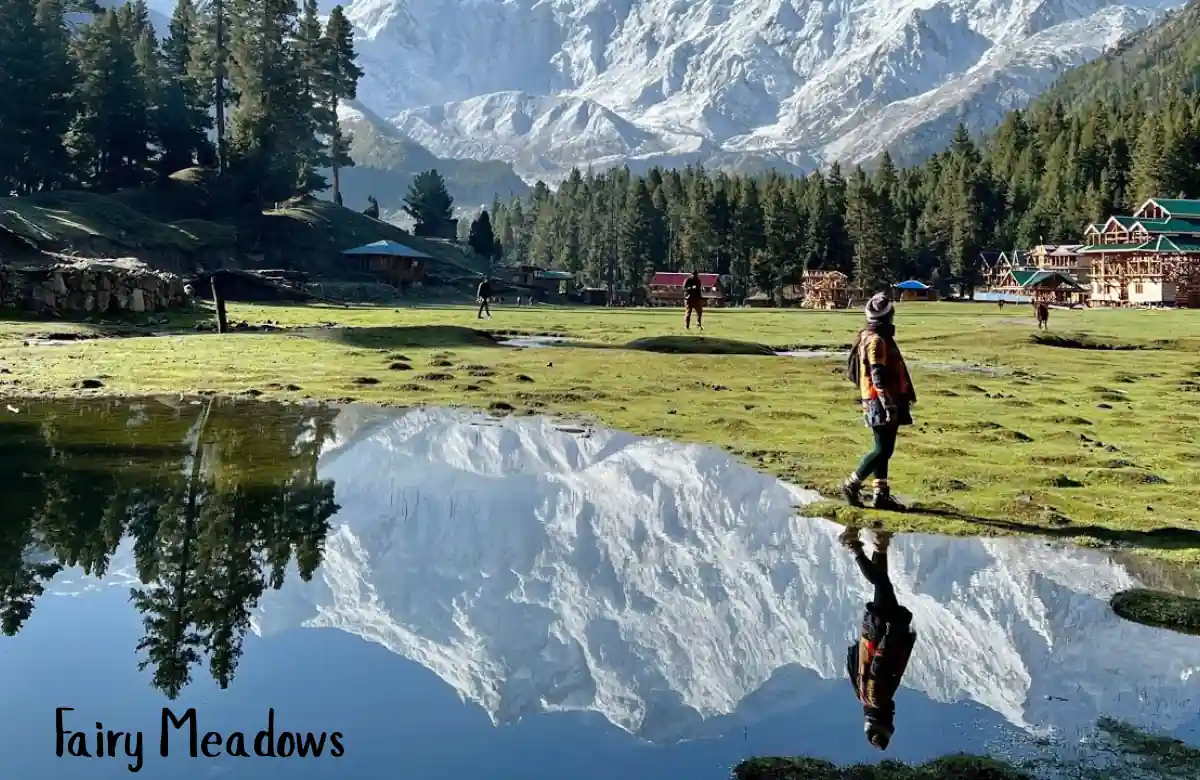
Find Fairy Meadows on Google Maps.
Distance from Islamabad Capital: 11h 26m (542 km)
Fairy Meadows is a wide green field high up in the mountains. It looks like a place from a fairy tale.
Soft grass grows everywhere, and tall trees surround the area. From here, you can see Nanga Parbat, one of the tallest mountains in the world. The mountain stays covered in snow all year. There are no big roads or noisy cities nearby. People stay in small huts or tents.
At night, the sky fills with bright stars. During the day, visitors walk around, relax, and enjoy nature.
Fairy Meadows feels quiet, safe, and peaceful. That is why many people say it is one of the places in Pakistan that does not look real.
3. Hunza Valley
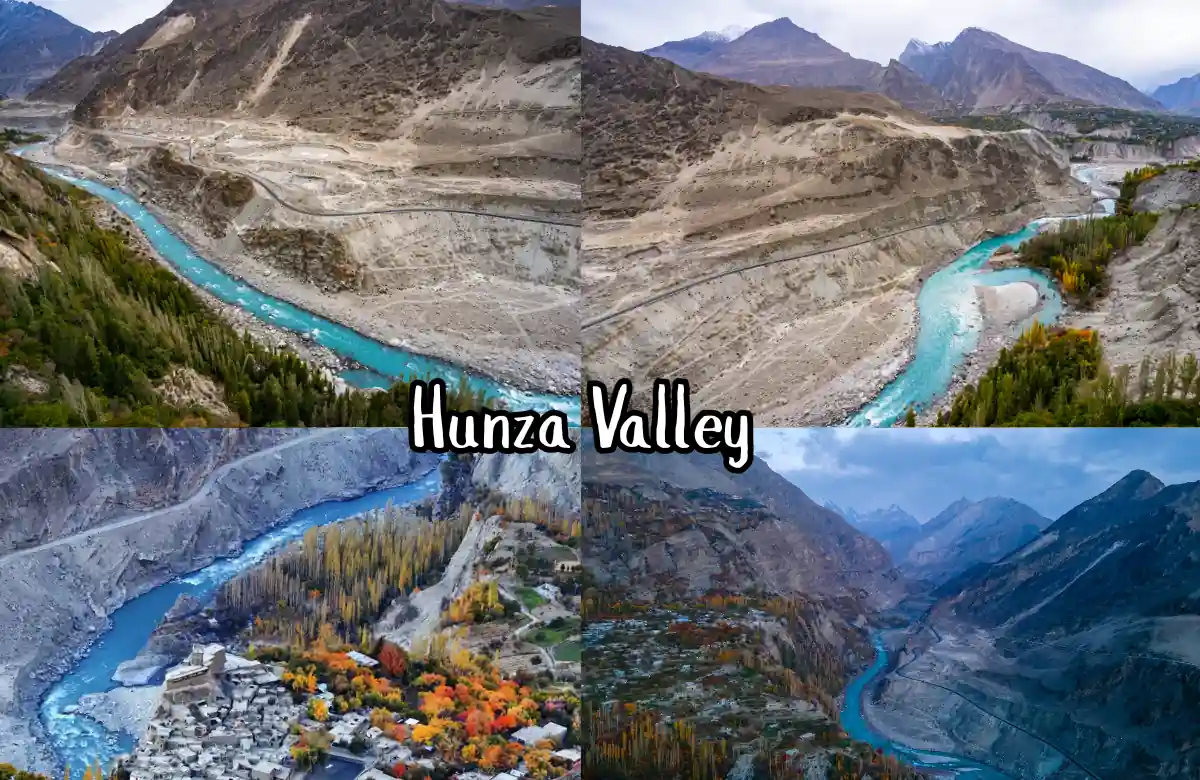
Find Hunza Valley on Google Maps.
Distance from Islamabad Capital: 13h 42m (687 km)
Hunza Valley is famous for its clean air, tall mountains, and friendly people. The valley stays green for most of the year, with fruit trees growing everywhere. Snowy peaks rise behind small villages, making the view look magical.
Many tourists visit Karimabad, a small town with local shops and cafés. Above the town stands Baltit Fort, an old building made of stone and wood.
From the fort, you can see the whole valley below. Life in Hunza Valley feels slow and peaceful. Families smile, children play outside, and visitors feel welcome. Valley of Hunza truly looks like a place from another world.
4. Ratti Gali Lake
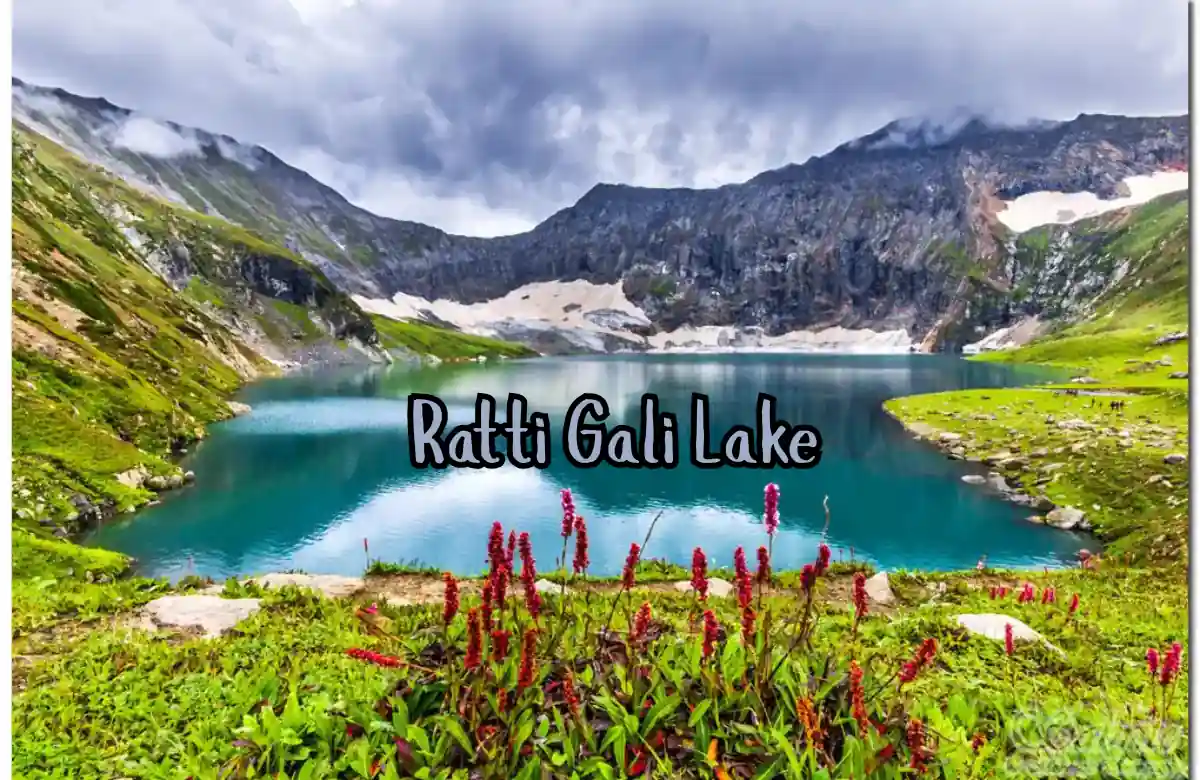
Find Ratti Gali Lake on Google Maps.
Distance from Islamabad Capital: 8h-10h (Around 250 km)
Ratti Gali Lake is a beautiful glacial lake hidden high in the mountains. The water looks bright blue and feels very cold because it comes from melting ice.
Tall green mountains stand all around the lake, making it look unreal.
In summer, the snow melts and colorful flowers grow near the water. The lake becomes easy to reach, and the views look fresh and lively.
In winter, heavy snow covers the area, and the lake freezes completely. This lake is important for nature because it stores clean water and helps nearby plants and animals survive.
Birds, insects, and small animals depend on this lake. Ratti Gali Lake shows how beautiful and important Pakistan’s natural places can be.
5. Neelum Valley
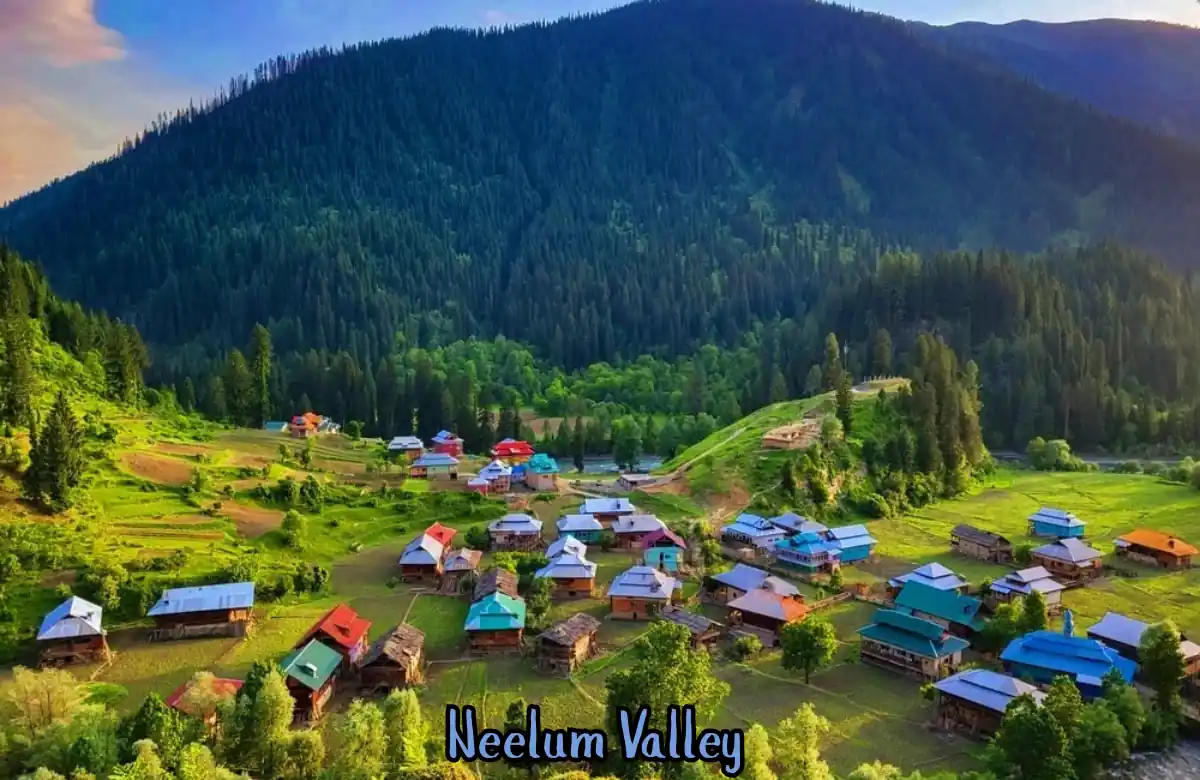
Find Neelum Valley on Google Maps.
Distance from Islamabad Capital: 5h 31m (216 km)
Neelum Valley is a long green valley with rivers flowing through the middle. The water looks clear and blue, and forests cover the hills on both sides.
The valley feels calm and fresh, which makes it perfect for families. Many people visit Keran and Sharda, two well-known towns in the valley. Keran sits next to a river, while Sharda is famous for its old buildings and peaceful views.
Neelum Valley has many plants, flowers, and tall trees. Birds and small animals live freely in the forests. In summer, everything looks bright and colorful.
In winter, snow turns the valley white. Neelum Valley feels quiet, beautiful, and far away from city noise.
6. Khunjerab Pass
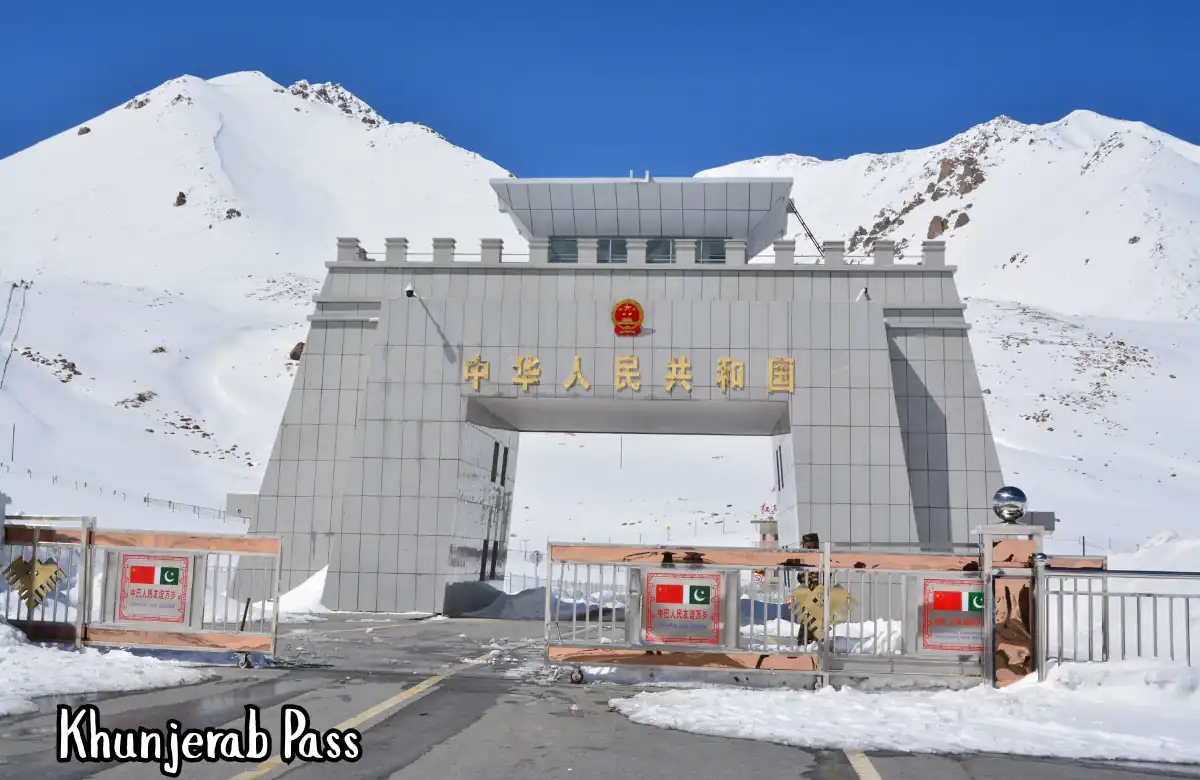
Find Khunjerab Pass on Google Maps.
Distance from Islamabad Capital: 10h-12h (~470 km or 435 km)
Khunjerab Pass is the highest paved border crossing in the world. It connects Pakistan with China and sits very high in the mountains.
The road looks small compared to the huge peaks around it. Snow-covered mountains stretch as far as the eye can see. The area feels cold even in summer because of its height.
This pass is part of the Karakoram Highway and is important for trade between countries. Trucks carry goods across this route every day.
Animals like yaks and mountain goats can be seen nearby. Because of the cold climate, very few trees grow here.
Khunjerab Pass looks wild, quiet, and unreal, making it one of the most unique places in Pakistan.
7. Naltar Valley
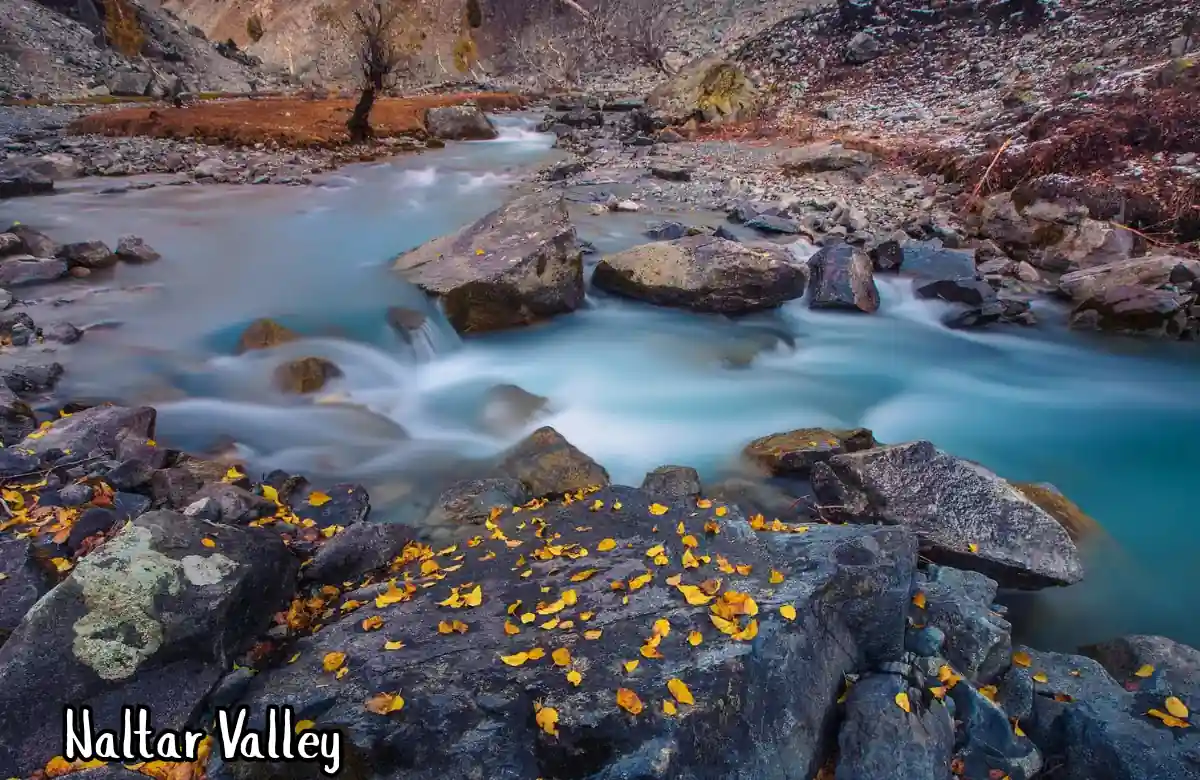
Find Naltar Valley on Google Maps.
Distance from Islamabad Capital: 12h 55m (638 km)
Naltar Valley is famous for its clean air, green forests, and crystal-clear lakes. The valley is surrounded by tall pine trees and snow-covered mountains.
What makes Naltar special is the color of its lakes. Some look bright blue, while others appear green or turquoise, depending on sunlight and season. These colors make the valley look unreal.
In summer, the grass turns bright green and flowers bloom everywhere. In winter, heavy snow covers the valley, and people visit for skiing and snow games.
Naltar Valley has a ski resort where winter sports take place. Tourism helps local families earn income, but the area still feels quiet and peaceful. Naltar Valley is a perfect example of Pakistan’s natural beauty.
8. Mohenjo-Daro
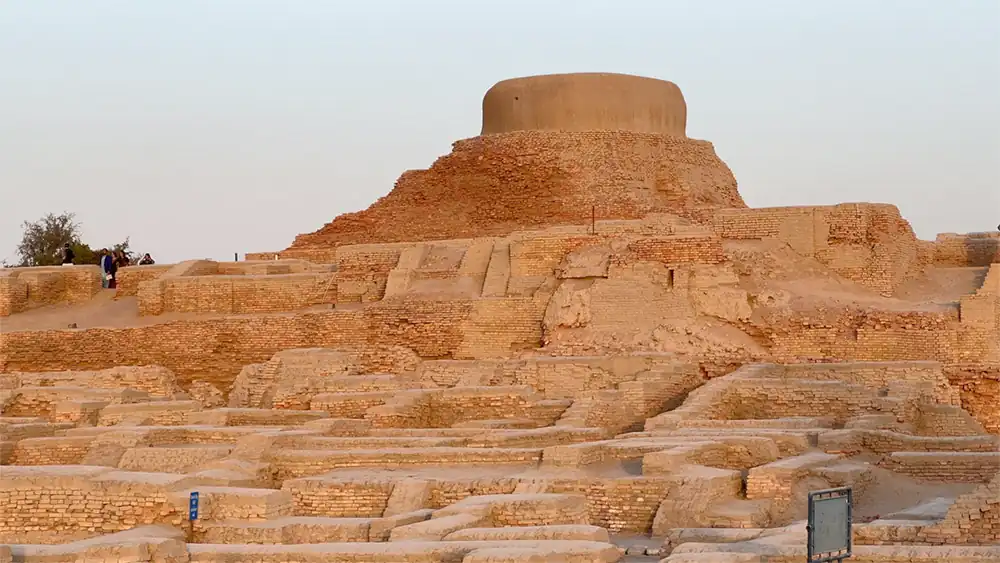
Find Mohenjo-Daro on Google Maps.
Distance from Islamabad Capital: 11h 48m (1,048 km)
Mohenjo-Daro is one of the oldest cities in the world and is located near Larkana. It was built more than 4,000 years ago by the Indus Valley civilization.
Long ago, people here lived in well-planned houses with straight streets and water systems. This makes the city very special and different from other ancient places.
Today, only brick ruins remain, but they tell strong stories about early human life.
Mohenjo-Daro is a UNESCO World Heritage Site because of its historical value. The site is protected so future generations can learn from it.
This ancient city helps us understand how people lived, worked, and stayed clean thousands of years ago. It looks simple, but its history is powerful and important.
9. Siachen Glacier
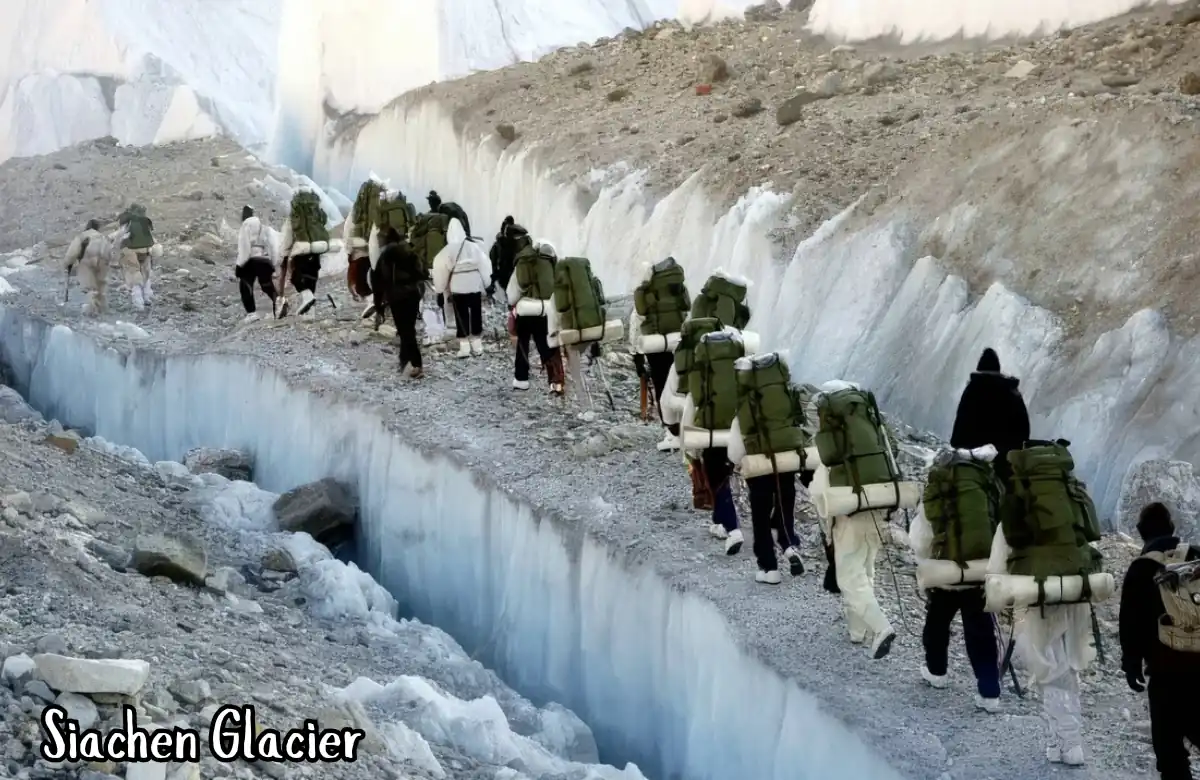
Find Siachen Glacier on Google Maps.
Distance from Islamabad Capital: 1 to 2 days (900-1100+ km)
Siachen Glacier is the highest battlefield in the world and one of the coldest places on Earth.
It is covered with thick ice and snow all year. The weather here is very harsh, with strong winds and freezing temperatures. Even breathing feels hard because of the height.
Despite this, some wildlife like snow leopards and mountain birds live nearby. Very few plants can survive here.
Scientists study Siachen Glacier to learn about ice melting and climate change. The glacier stores a large amount of fresh water, which is important for rivers below.
Siachen Glacier looks white, silent, and endless. It feels unreal because almost no humans live there, yet it plays a big role in nature and science.
10. Kalash Valley
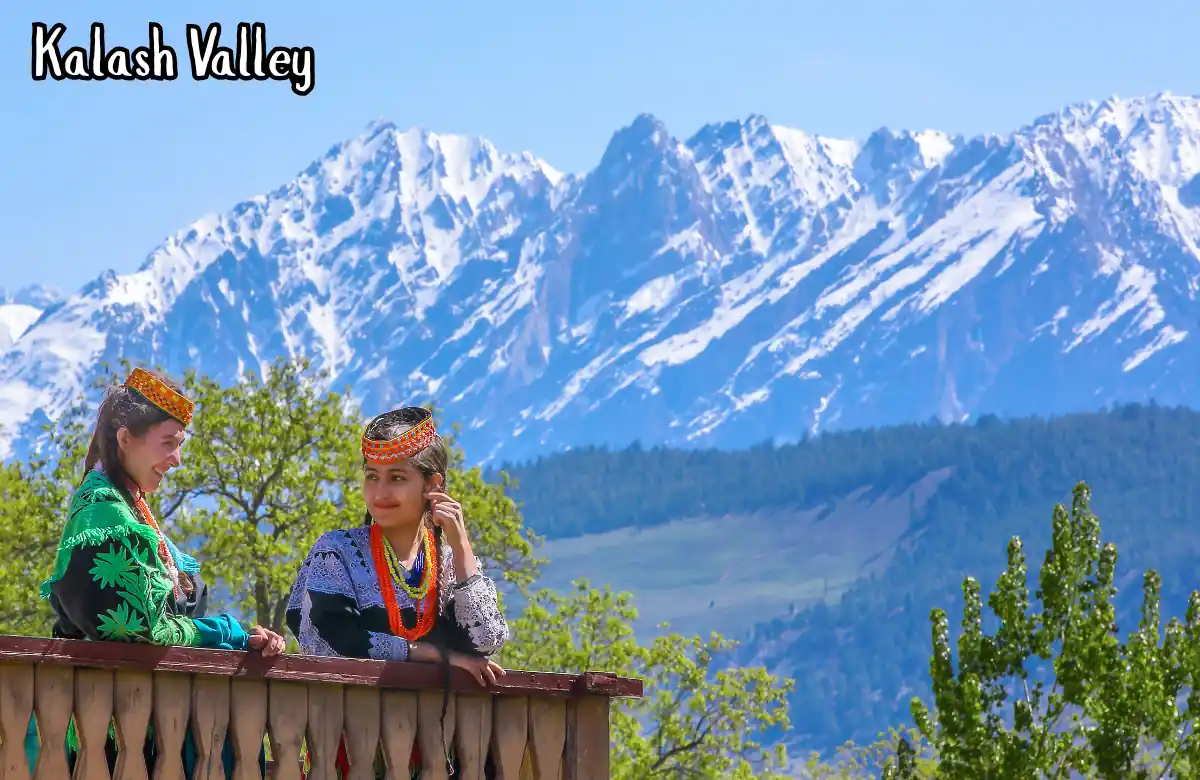
Find Kalash Valley on Google Maps.
Distance from Islamabad Capital: 8h (407 km)
Kalash Valley is famous for its unique people and culture. The Kalash people follow old traditions that are different from the rest of Pakistan.
They wear colorful clothes, special hats, and handmade jewelry. The houses are made from wood and stone and are built on mountain slopes.
The Kalash people celebrate happy festivals with music, dancing, and local food. These festivals happen several times a year and bring the whole community together.
The valley itself is very beautiful, with green fields, rivers, and tall mountains around it.
In spring and summer, flowers bloom everywhere. The mix of culture and nature makes Kalash Valley feel magical and unreal, especially for visitors seeing it for the first time.
11. Kaghan Valley
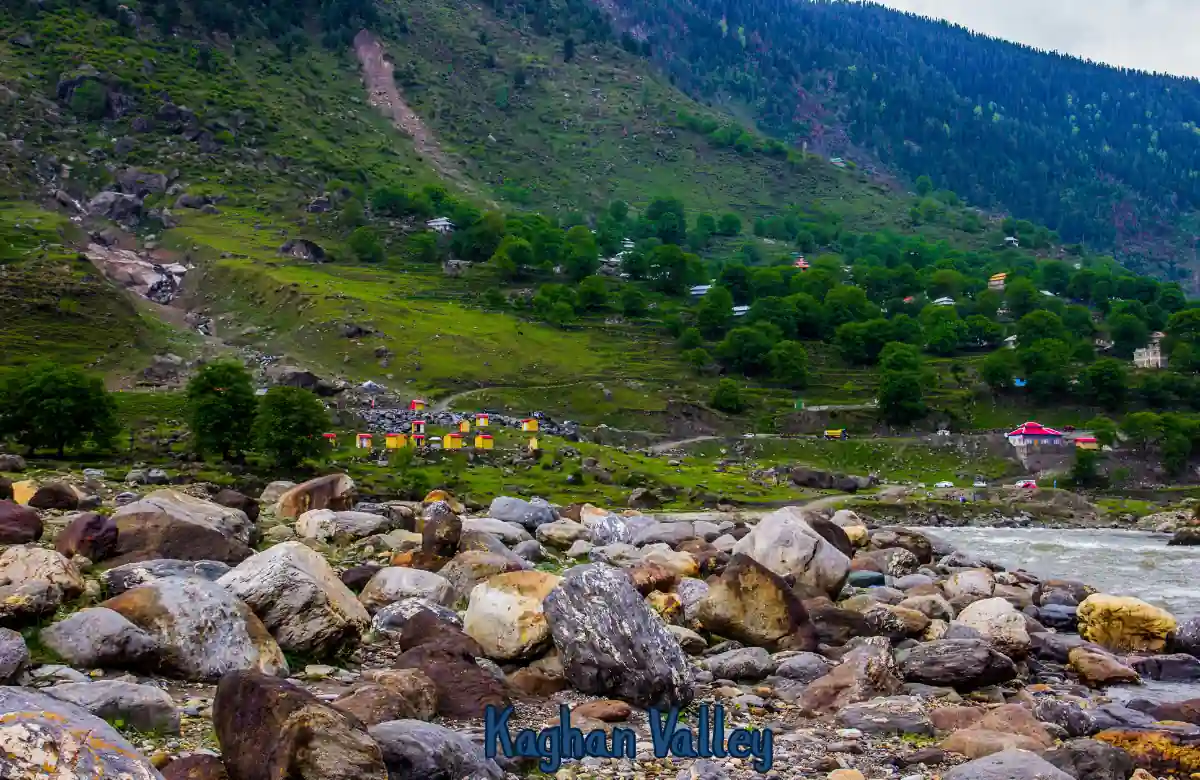
Find Kaghan Valley on Google Maps.
Distance from Islamabad Capital: 3h 15m (202 km)
Kaghan Valley is known for its tall mountains, green fields, and fresh air. The valley feels wide and open, with rivers flowing beside the roads.
One of the most famous spots here is Lake Saif-ul-Malook, a clear blue lake surrounded by snowy peaks.
Another popular place is Babusar Pass, which offers wide views of the mountains from above and good place for hikers.
In summer, the valley turns green and lively. In winter, heavy snow covers the area, and many roads close.
Each season changes the valley’s look completely. Kaghan Valley feels peaceful, colorful, and unreal at the same time.
12. Indus River
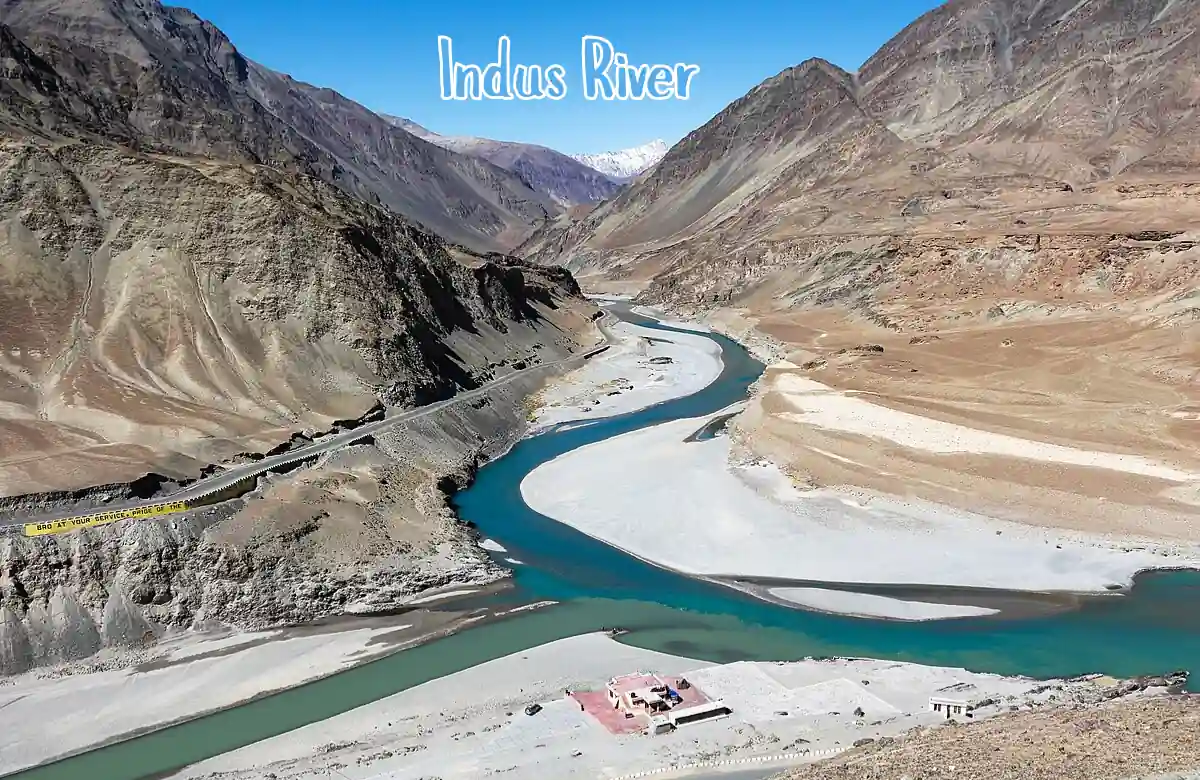
Find the Indus River on Google Maps.
Distance from Islamabad Capital: 7 h 10m (623 Km)
The Indus River is one of the longest and most important rivers in Pakistan. It flows through mountains, plains, and villages. The river looks wide and powerful, especially during summer.
Long ago, the Indus River helped ancient civilizations grow. Even today, it supports farming and daily life in Punjab and Sindh. Many tourists enjoy rafting, fishing, and river walks.
Millions of people depend on this river for water and food. Towns and farms grow along its banks. The Indus River is not only beautiful, but also a lifeline for Pakistan.
13. Fairy Meadows Pine Village
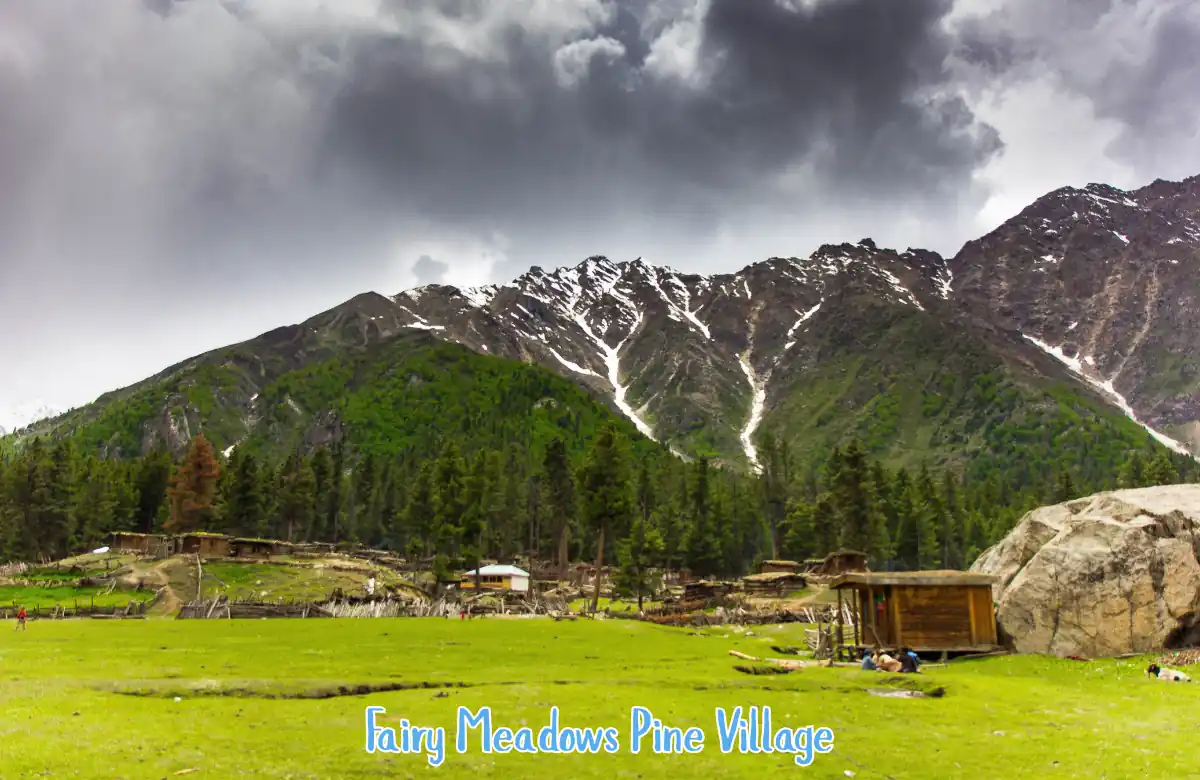
Find Fairy Meadows Pine Village on Google Maps.
Distance from Islamabad Capital: 52m (37.1 km)
Fairy Meadows’ Pine Village is a small settlement surrounded by tall pine trees. The village sits near open meadows and snowy mountains. Everything feels quiet and fresh.
The locals live simple lives. They use wood houses and grow small crops. Tourism helps them earn money through huts, food, and guiding visitors.
The village looks special because of its natural setting and calm lifestyle. At night, stars fill the sky. During the day, green land and mountains surround the homes. It feels peaceful, safe, and unreal at the same time. It’s one of the best places in Pakistan for hiking and camping.
14. Attabad Lake
Find Attabad Lake on Google Maps.
Distance from Islamabad Capital: 14h 21m (711 km)
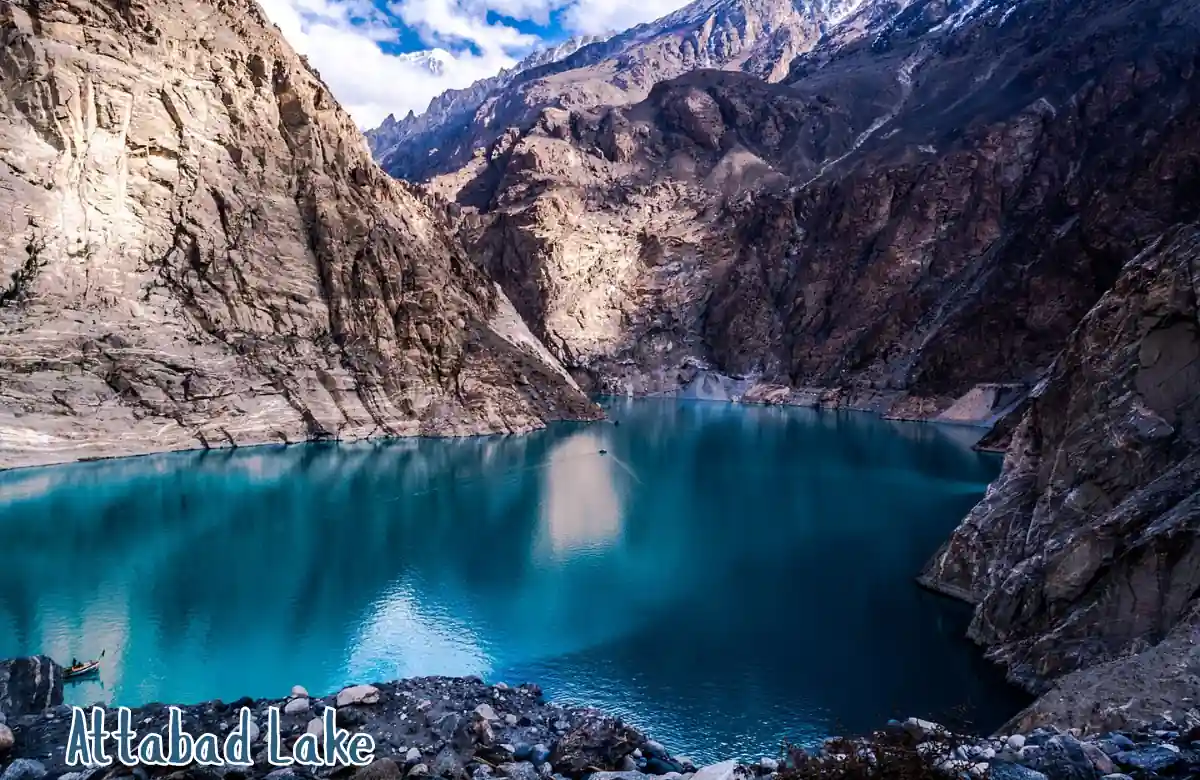
Attabad Lake was formed in 2010 after a huge landslide blocked a river. The water slowly filled the valley and created a new lake.
The lake is famous for its bright turquoise color. The water looks clean and shiny, almost unreal. People enjoy boating, jet skiing, and taking photos along the shore.
Attabad Lake also changed life for nearby villages. Some roads were blocked, but tourism increased. The lake reminds us how nature can change land quickly and why caring for the environment is important.
15. Khewra Salt Mine
Find Khewra Salt Mine on Google Maps.
Distance from Islamabad Capital: 2h 41m (188 km)
Khewra Salt Mine is the oldest and largest salt mine in Pakistan. It has been used for over 2,000 years.
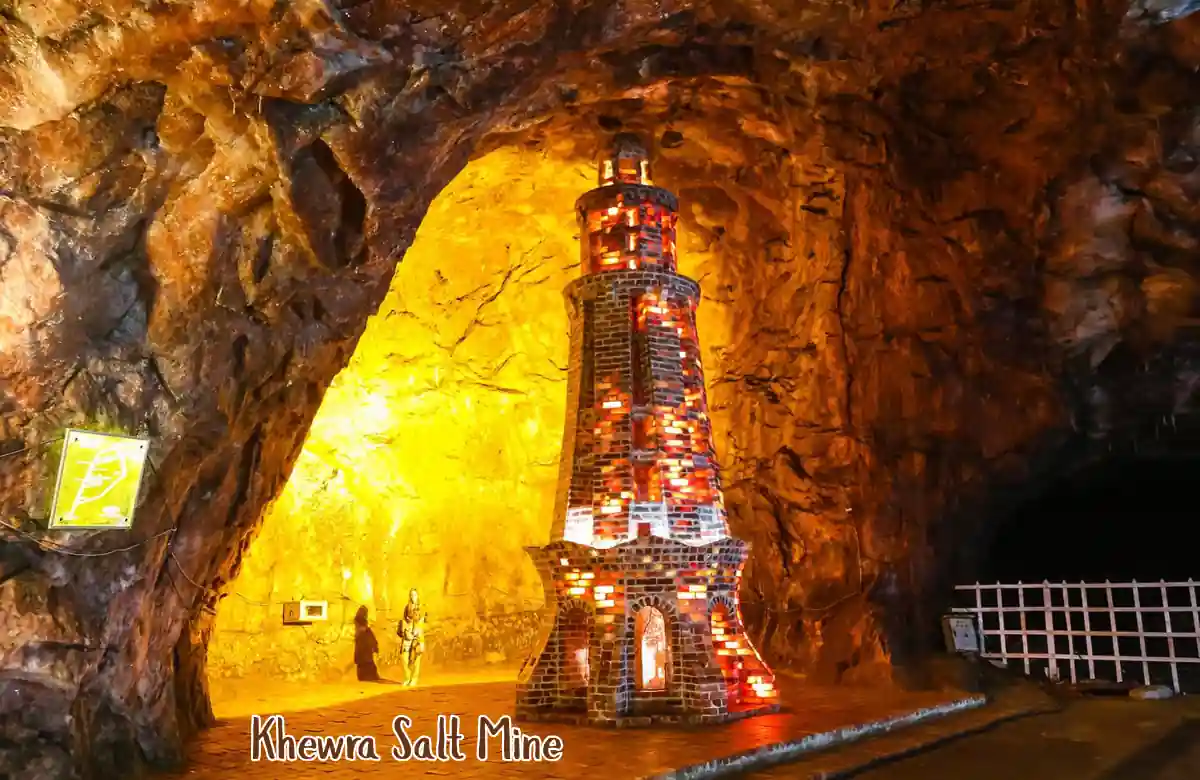
Inside the mine, walls and tunnels are made of pink salt. There are small rooms, bridges, and even a mosque carved from salt. The lights make the salt glow.
The mine is important for jobs and trade. It also attracts tourists from around the world. Khewra Salt Mine shows how natural resources shape culture and daily life.
Conclusion
Pakistan is full of places that look unreal. Snowy mountains, blue lakes, green valleys, deserts, rivers, and ancient cities all exist in one country.
Each place has its own beauty, history, and story. From quiet villages to famous landmarks, there are places in Pakistan that don’t look real.
Exploring these unique places helps people understand nature and culture better. Protecting them is important so future generations can enjoy the same beauty.
I do hope you like my blog post, share it with your friends and comment below to share your travel experience in Pakistan.
Frequently Asked Questions
1. What are the hidden spots in Pakistan?
Pakistan has many lesser-known spots like Shimshal Valley, Kund Malir Beach, Gorakh Hills, and Bumburet Valley. These places stay quiet due to remote access and limited tourism promotion.
2. What are some unworldly places to visit in Pakistan?
Places like Fairy Meadows, Deosai Plains, Hingol National Park, and Attabad Lake feel unreal due to extreme landscapes, vast open spaces, and dramatic natural colors.
3. What are the most surreal or unreal-looking places in Pakistan?
Surreal places include Hunza Valley, Passu Cones, Naltar Valley, and Skardu’s cold desert. Sharp peaks, bright lakes, and unusual terrain create a dreamlike look.
4. Which places in Pakistan look like they don’t exist in real life?
Fairy Meadows, Deosai Plains, Shah Allah Ditta caves, and the white sand beaches of Gwadar often feel unreal because of their isolation and untouched scenery.
5. Where can I find natural or man-made sites in Pakistan that appear otherworldly or unreal?
Natural sites include Attabad Lake and Hingol National Park. Man-made wonders include Rohtas Fort, Badshahi Mosque, and Wazir Khan Mosque with detailed design and scale.
6. What are some famous places in Pakistan known for their unreal or magical appearance?
Hunza Valley, Swat Valley, Neelum Valley, and Skardu are famous for scenery that feels unreal due to rivers, mountains, glaciers, and seasonal color shifts.
7. Why do some places in Pakistan appear to look unreal or otherworldly?
Extreme altitude, rare geology, glacial activity, and minimal human development make many areas look untouched and visually striking.
8. How has natural geography shaped these unreal-looking places in Pakistan?
Tectonic plate movement, glacial melt, river erosion, and desert formation shaped sharp peaks, turquoise lakes, wide plateaus, and deep valleys.
9. What cultural or historical factors contribute to the unique appearance of certain places in Pakistan?
Mughal architecture, ancient forts, Sufi shrines, and preserved tribal cultures add visual depth and historical character to many locations.
10. Are these unreal-looking places in Pakistan suitable for tourists and families?
Many are safe for tourists, especially Hunza, Swat, and Neelum Valley. Remote areas need planning, local guides, and weather awareness before visiting.

Recent Posts
 SKYXX Bar Ho Chi Minh City: #1 Rooftop Bar in Saigon (2026 Guide)
- Best Places to Snorkel in Hawaii In 2026
- Travel Tweaks Offers: A 2026 Guide to the Best Travel Deals in the USA
- Top Vehicle Choices in Maryland: Selecting the Ideal Bus for Every Trip
- Residence Villa Clara San Vincenzo: Top Features for Travelers