How to Visit Victoria Falls the Smoke That Thunders in 5 Days (No-Stress Guide)
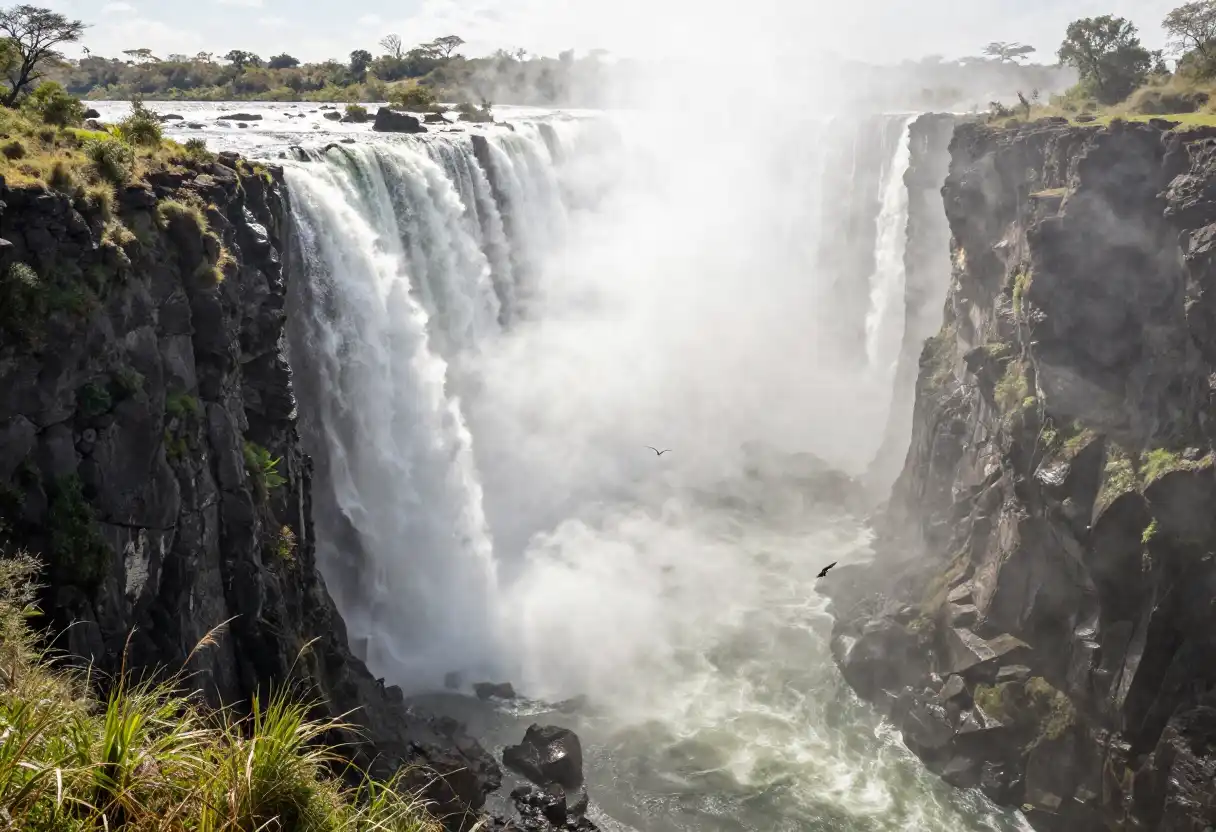
Standing near Victoria Falls the Smoke That Thunders feels like stepping into another world. The roar from Batoka Gorge, the rising spray, and the constant shift of light make it one of the most powerful landscapes on the continent. But planning the perfect visit to Victoria Falls takes more than booking a flight.
This five-day guide breaks everything down so you can explore confidently, see both sides, choose the right season, and enjoy the falls the way experienced travelers do.
Read on. Your journey starts here.
What Makes Victoria Falls the Smoke That Thunders
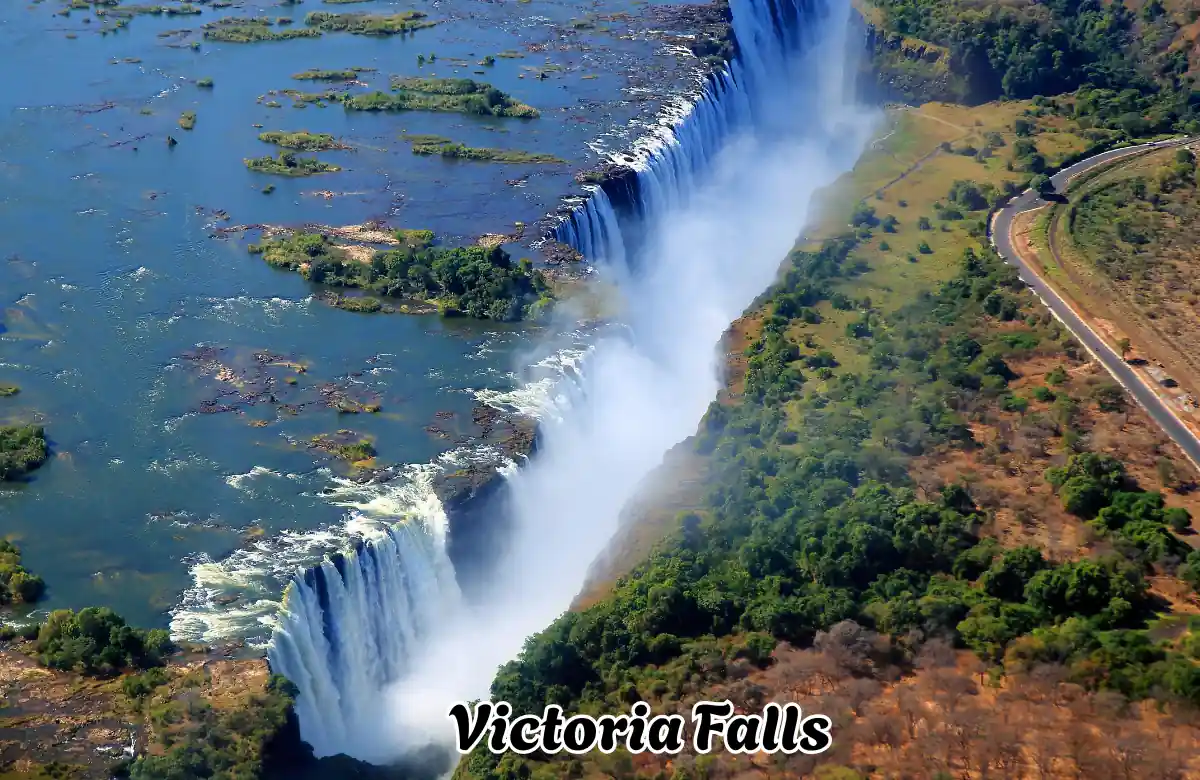
Victoria Falls the Smoke That Thunders hits you long before you see it. The vibration under your feet, the rising mist that hangs over the Zambezi River, the steady rumble that locals say you can feel in your chest… it all builds into an experience that stays with you.
After years of traveling through Africa, few places have matched this mix of raw power and cultural depth.
The falls stretch about 1,708 meters across the border of Zimbabwe and Zambia, dropping roughly 108 meters into the First Gorge. Every time I stand near Main Falls or Devil’s Cataract, I think about how this place forms its own microclimate. The mist feeds a thick belt of rainforest that feels worlds apart from the dry savanna around it.
UNESCO lists this as a World Heritage treasure, and it earns that title. The scale, the sound, the constant shift of light over the gorge, it all makes the site feel alive. Whether you walk through Victoria Falls National Park on the Zimbabwe side or cross into Mosi-oa-Tunya National Park in Zambia, the sense of connection to nature is instant.
Both sides offer different personalities. Zimbabwe gives wide views of the entire curtain of water. Zambia places you closer to the raw force of the Zambezi River, especially at the Knife-Edge bridge where the spray can soak you within seconds.
This dramatic setting is the reason travelers continue to search for the meaning of Victoria Falls the Smoke That Thunders.
Essential Facts for First-Time Visitors
Victoria Falls rises to its fullest between March and May when the Zambezi River pushes millions of cubic meters over the edge each minute. During this period, the mist can rise over 400 meters, and it becomes tough to stay dry even with a poncho.
By late October, the flow drops enough that you can see deeper into the Batoka Gorge and even spot rock formations hidden earlier in the year.
Entry fees vary depending on which side you visit. Zimbabwe usually charges around 50 USD per person, while Zambia has a slightly lower fee. If you plan to cross the Victoria Falls Bridge between both countries, the KAZA UniVisa often saves time and money.
Most travelers need at least two days to see both sides with ease. The Zimbabwe side has more accessible viewpoints, so you move at a calm pace. The Zambia side is more physical, with trails that demand shoes with grip, especially when approaching Knife-Edge or the Boiling Pot trail.
Weather shifts quickly here. I have walked into the rainforest dry and come out drenched within minutes. Bring a waterproof cover for cameras and phones because the mist near Rainbow Falls and Eastern Cataract can be stronger than expected.
Safety is straightforward. Stay on marked paths, listen to ranger instructions, and avoid leaning close to wet rocks. The Zambezi River is powerful, and respecting its force makes the entire visit smoother.
Understanding the Name: Why It Is Called Victoria Falls the Smoke That Thunders
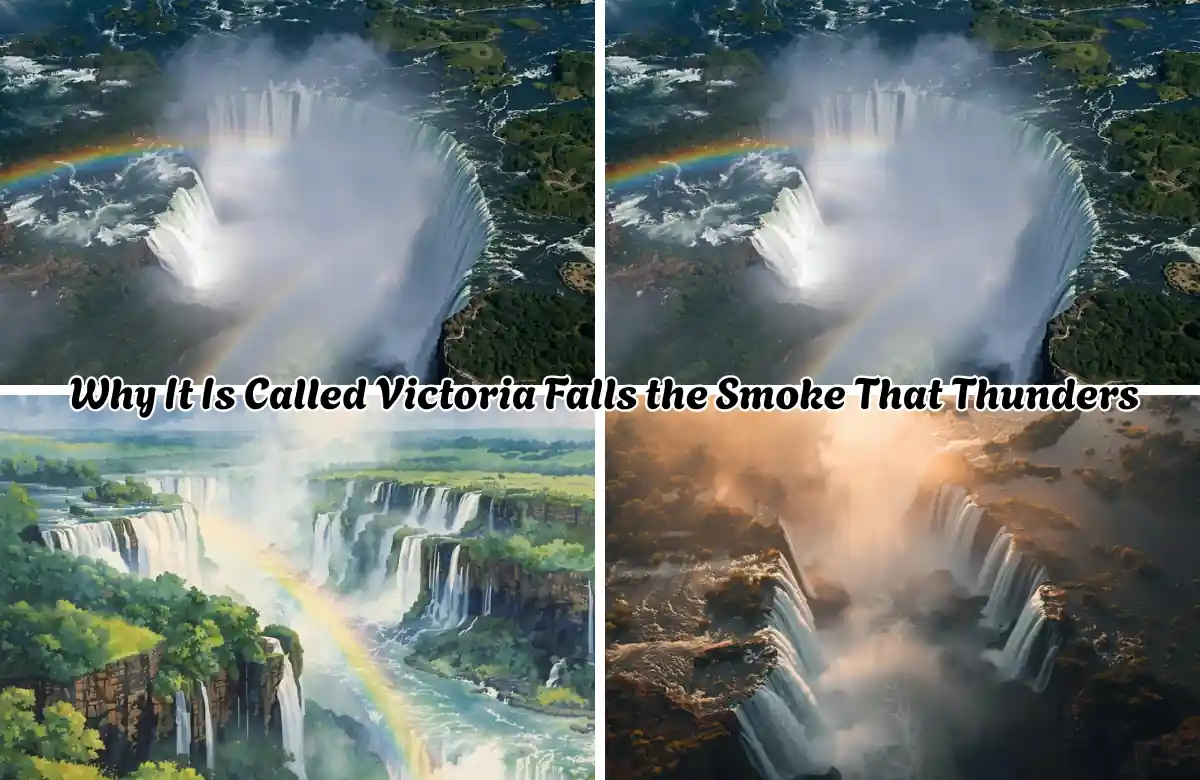
Long before David Livingstone documented the waterfall for Europeans in 1855, the Tonga and Lozi people called it Mosi-oa-Tunya. The phrase describes the sight exactly. When the river hits the basalt cliffs of the Batoka Gorge, the water explodes into a rising cloud of mist that looks like smoke and sounds like rolling thunder.
Livingstone later named the falls after Queen Victoria, but the indigenous name remains the most accurate. During conversations with local guides over the years, I learned how deeply the falls sit in community beliefs.
Some see the site as a spiritual crossing, a place where ancestors protect the land. Others speak about sacred points along the river where rituals once took place.
Certain sections, like Cataract Island and the area near the Eastern Cataract, hold stories that are not always shared in guidebooks. Listen when locals explain them. Oral tradition here adds a layer of understanding you cannot get from historical plaques.
The meaning of Mosi-oa-Tunya is not only poetic. It captures the experience of standing in the presence of a force of nature that creates rainbows, lunar rainbows, and a rainforest from a single waterfall. It tells you exactly why people still travel to witness Victoria Falls the Smoke That Thunders.
When to Visit Victoria Falls: Month-by-Month Guide for 2025
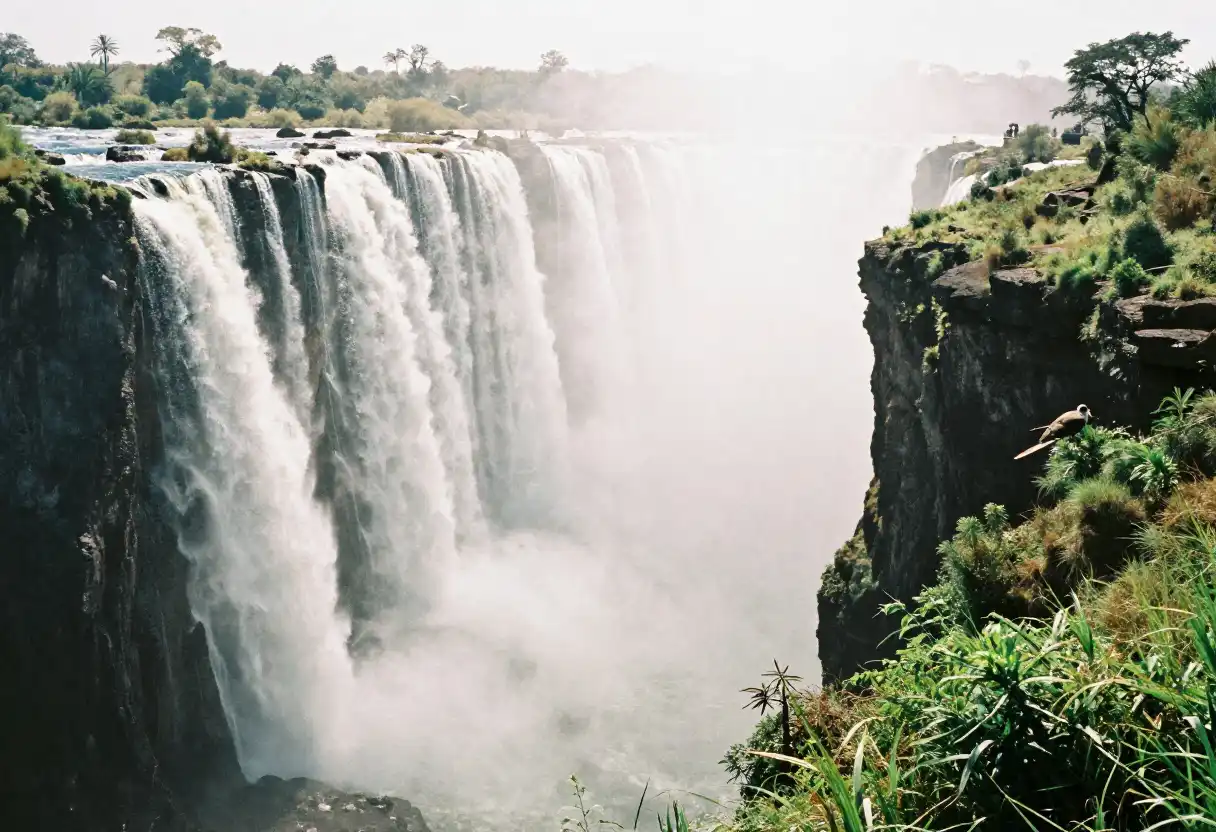
Victoria Falls shifts its character every month, and understanding these changes helps you plan a smoother trip. Over the years, I have visited during peak floods, slow dry seasons, and everything in between. Each visit taught me how different the falls can look depending on the season.
1. January to February
The Zambezi River rises fast. Trails around the Knife-Edge bridge can be soaked, and your clothes will pick up the mist instantly. Photography is tricky because spray covers lenses quickly, but the energy of the falls is unbelievable.
2. March to May
This is the dramatic season. The water hits full power, and Main Falls sends up clouds of mist that rise like a solid wall. It becomes hard to see the base of the gorge. The sound is deep and continuous. This is the period most travelers imagine when they picture Victoria Falls the Smoke That Thunders.
3. June to July
A calmer shift starts. The spray eases, paths become easier to navigate, and views of Devil’s Cataract get clearer. This is a comfortable time to walk the rainforest and take wide-angle shots without worrying about water spots.
4. August to September
These months reveal the rock formations behind the water. Zambia’s Eastern Cataract becomes more accessible. If you want to visit Livingstone Island or swim at Devil’s Pool, this is when conditions begin to allow it.
5. October to mid-December
The dry season hits its peak. Water volume lowers, but visibility increases. I like this period for photography because sunrise and sunset create sharp colors over Batoka Gorge. This is also the best time for white-water rafting because the rapids run clean and strong.
6. Full Moon / Lunar Rainbow Calendar
If you time your visit with the full moon, you can witness the lunar rainbow. It appears at night over the falls when the mist meets moonlight. The Zimbabwe side offers clearer views because the angle is wider.
Planning 2025 around these monthly differences helps you match your goals, whether you want power, clarity, or adventure.
Zimbabwe vs Zambia: Which Side Should You Choose
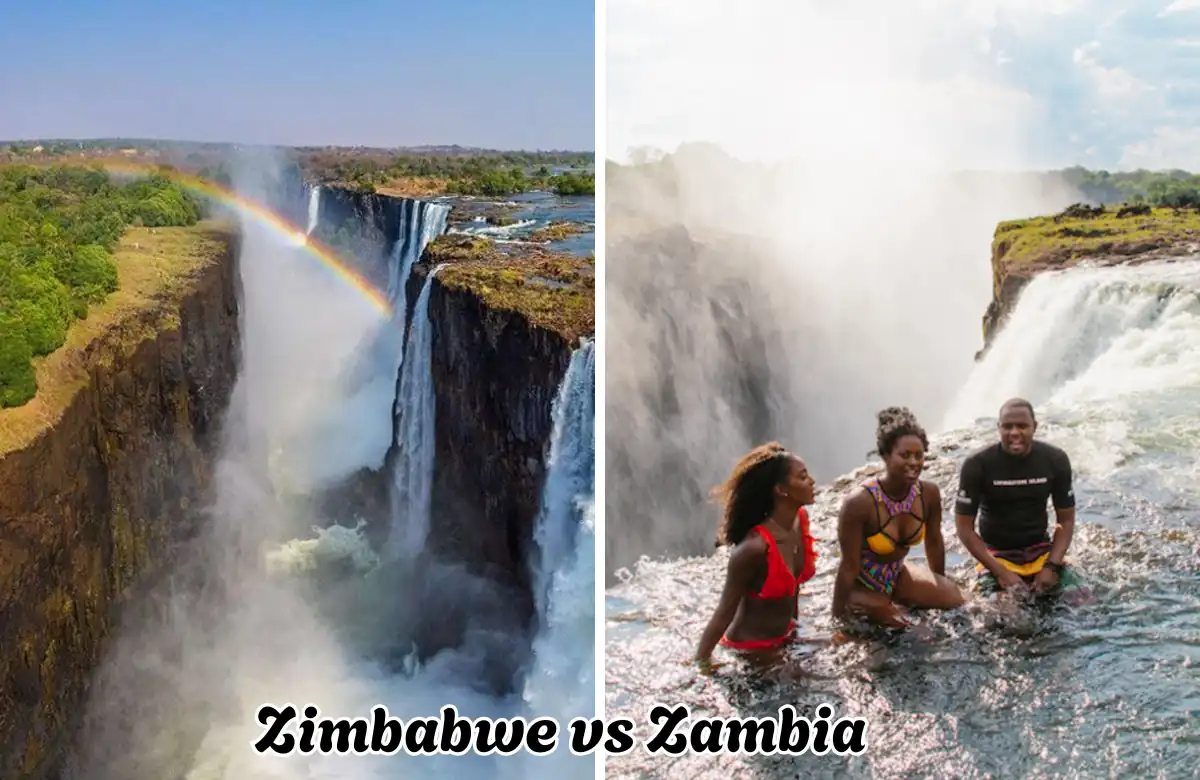
Travelers often ask which side is better. After crossing the Victoria Falls Bridge more times than I can count, I’ve learned that each side offers something unique. Choosing depends on your style, the season, and what you want to feel when you approach the gorge.
Zimbabwe Side Strengths
- Wider views of Main Falls
- Easier walking paths in Victoria Falls National Park
- More viewpoints spread across the rainforest
- Better sunrise photography
- Attractions like Devil’s Cataract and Rainbow Falls
Zambia Side Strengths
- Closer to the water, more intense mist
- Knife-Edge bridge views
- Access to Livingstone Island and Devil’s Pool
- Strong vantage points during low-water months
- Boiling Pot trail for hikers
Cost and Entry Basics
Zimbabwe’s entry fee is slightly higher. Zambia’s park is more compact but offers high-impact experiences. Most visitors buy the KAZA UniVisa so they can cross the border freely in one day.
Crossing the Border Without Stress
Follow this sequence.
- Carry your passport and visa confirmation.
- Walk or drive to the border post.
- Get your exit stamp.
- Cross the Victoria Falls Bridge.
- Enter the next country through its immigration office.
The crossing is simple, and border officers are used to travelers moving between both parks.
Quick Pros and Cons Table
| Side | Pros | Cons |
|---|---|---|
| Zimbabwe | Best overall views, more trails, year-round visibility | Slightly higher fees |
| Zambia | Closer angles, Devil’s Pool, Knife-Edge | Heavy spray in wet season makes views difficult |
If your goal is wide panoramas, choose Zimbabwe. If you want to feel the force of the water up close, choose Zambia. Most travelers benefit from visiting both.
How to Get There Without Stress?
Reaching Victoria Falls is simpler than many expect. You can fly into Victoria Falls Airport (Zimbabwe) or Harry Mwanga Nkumbula International Airport in Livingstone (Zambia). Both airports sit close to town, and drivers are used to tourists heading straight for their lodges.
The 2025 KAZA UniVisa remains the easiest choice for most travelers. It covers Zimbabwe and Zambia and lets you cross the border multiple times within its validity period. This visa also helps if you plan a day trip to nearby Chobe National Park in Botswana.
Airport transfers usually take 20 to 30 minutes. In Zimbabwe, registered taxis line up outside the terminal. In Zambia, many lodges arrange pickups ahead of time, which saves time and avoids price negotiation.
Crossing the Victoria Falls Bridge is always a highlight. Walk if you can. The views into Batoka Gorge open dramatically, and you sometimes see bungee jumpers launching from the central point.
Local transport is simple.
- Taxis are the most reliable.
- Shared shuttles run between major hotels.
- Walking is safe around central Victoria Falls town.
If you are carrying camera gear or want to catch sunrise, arrange transport the evening before. It keeps the morning relaxed and avoids last-minute delays.
5-Day Victoria Falls Itinerary (Perfect for First-Time Travelers)
Over the years I’ve tested different ways to structure time around Victoria Falls. Five days always feels right. It gives you enough room to see both sides, enjoy the Zambezi River, try a few adventures, and still rest. This plan works for solo travelers, couples, and families because the pace stays balanced.
Keep bookings flexible during peak months. Activities like the Flight of Angels, Devil’s Pool, and rafting sessions fill quickly. I usually secure spots at least three or four days ahead. If you’re visiting during March to May, expect wet trails and bring camera protection.
This itinerary also works across budgets. Backpackers can stay in guesthouses around Victoria Falls town or Livingstone, while luxury travelers enjoy lodges near the river like the Royal Livingstone Hotel, Toka Leya Camp, or the iconic Victoria Falls Hotel.
Day 1: Arrival and Sunset on the Zambezi
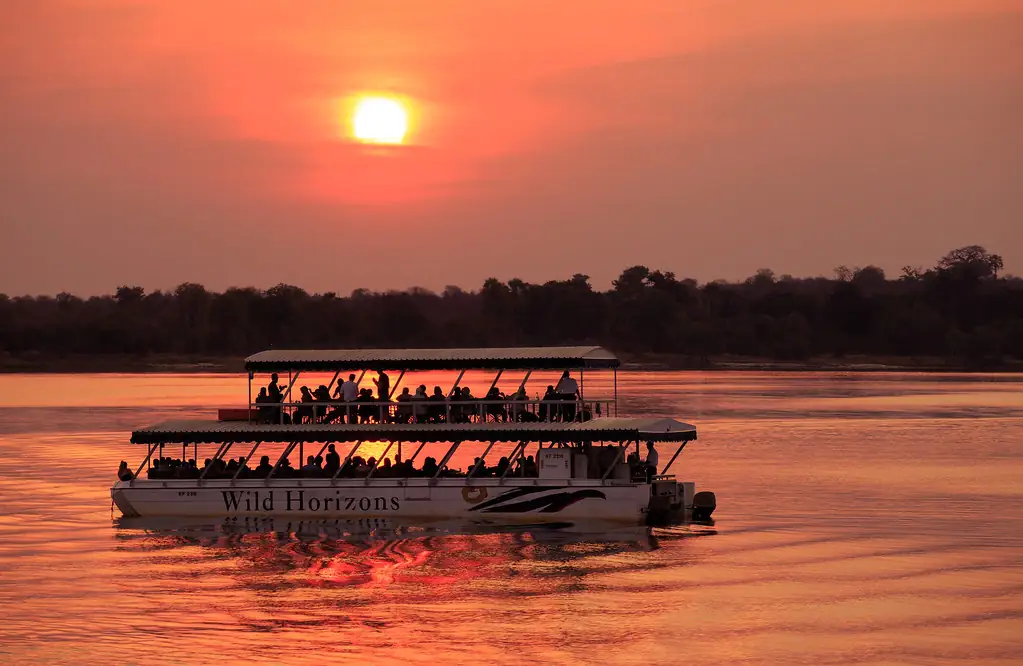
Most travelers arrive in the afternoon. Check in, drop your bags, and give yourself a little time to settle. Both towns run at an easy pace, so you won’t feel rushed.
A sunset cruise is the ideal first experience. The Zambezi shifts into warm gold tones, and the wildlife becomes active. I’ve seen elephants drinking at the riverbank and pods of hippos floating near the shallow edges. These cruises also offer a calm introduction to the region before you face the power of Victoria Falls the Smoke That Thunders.
If you’re staying in Zimbabwe, the cruises depart near the Victoria Falls Safari Club stretch. In Zambia, many lodges have private jetties.
Day 2: Explore Zimbabwe Side of Victoria Falls the Smoke That Thunders
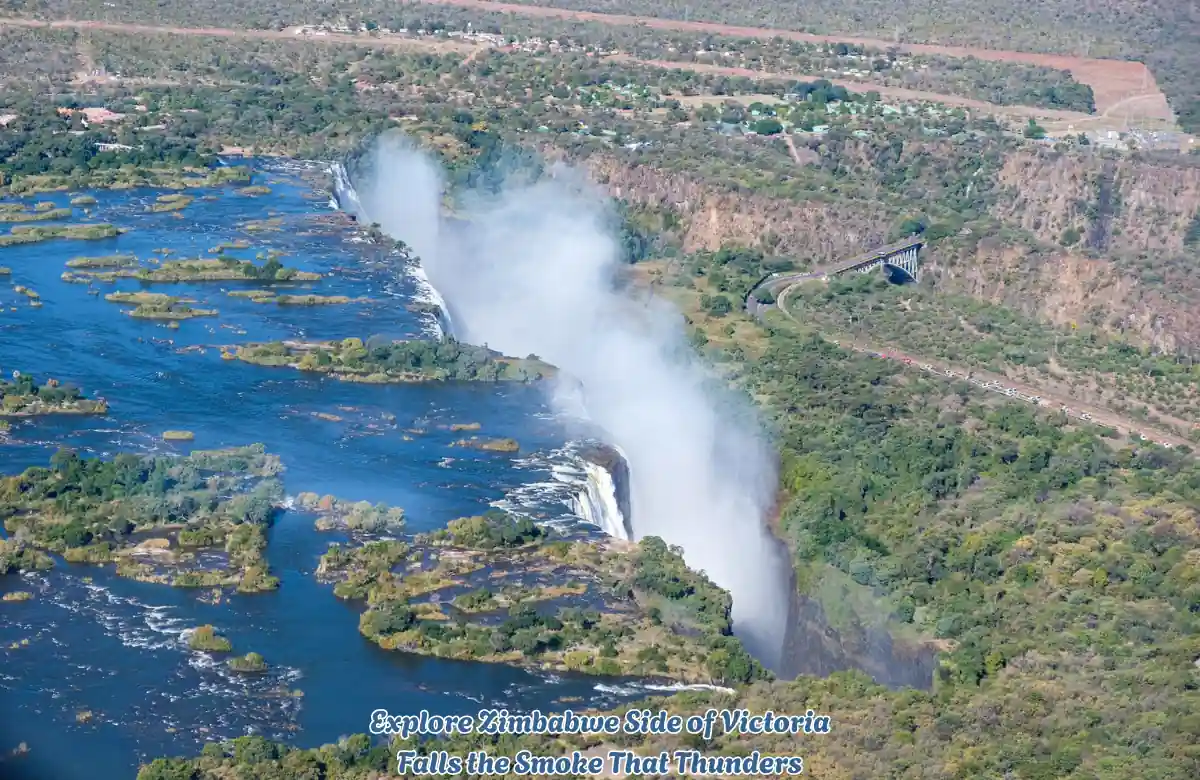
The Zimbabwe side gives the most complete view of the waterfall. Start early. Morning light creates sharp outlines around Main Falls and Devil’s Cataract.
Follow the walking trail through the rainforest. The path connects several viewpoints, each with a slightly different angle.
You’ll stop often because the mist rises like a curtain and changes shape every few minutes. On heavier flow days, the sound of the falls becomes constant, like distant thunder rolling through the gorge.
Key viewpoints to stop at:
- Devil’s Cataract
- Main Falls
- Cataract Island overlook
- Rainbow Falls
- Horseshoe Falls
Bring a waterproof cover for your camera. The area near Rainbow Falls can drench you fast, especially during high season. This side also offers better chances of spotting a lunar rainbow during full moon nights.
Day 3: Zambia Side + Knife-Edge Bridge Experience
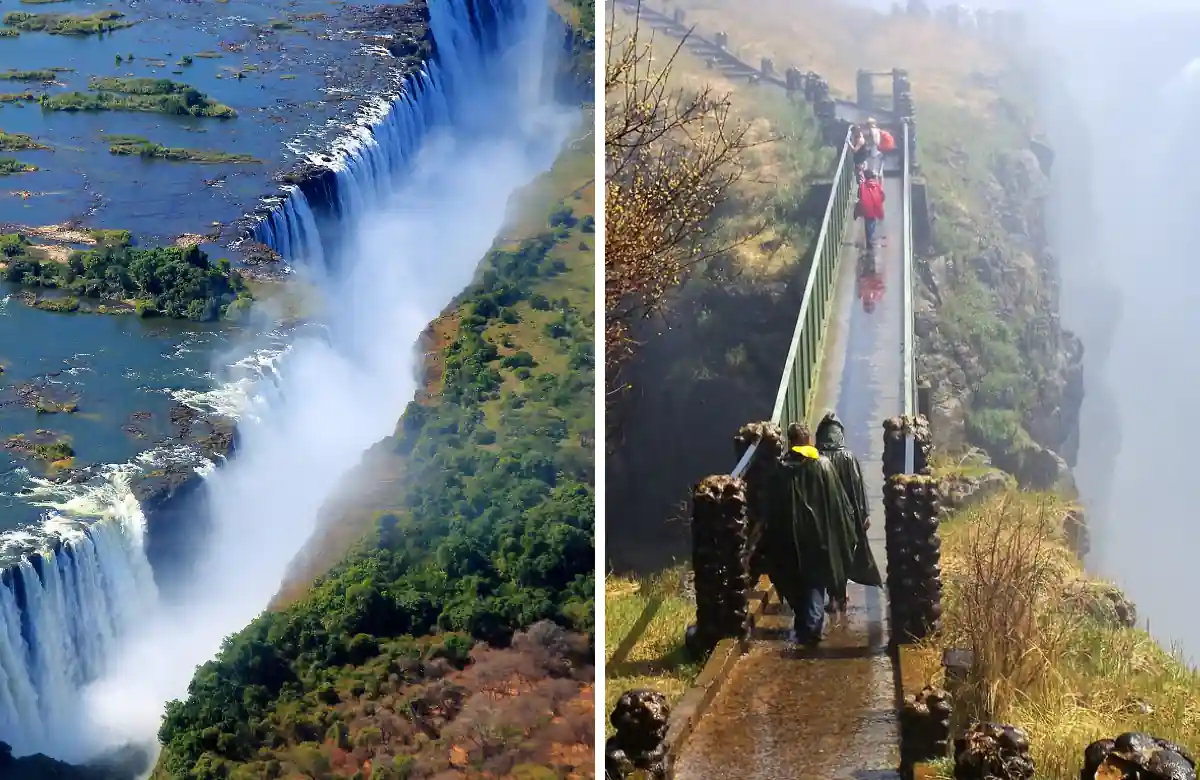
Zambia gives a different kind of thrill. The paths bring you extremely close to the water, and the spray can feel like walking into a storm.
Start with the Knife-Edge Bridge. The mist here rises straight into your face, and the view down into Batoka Gorge is unforgettable. This is one of the few places where you understand how deep the gorge cuts through the region.
From there, walk to Livingstone Island if the season allows. The island sits at the lip of the falls, and standing there feels surreal. When water levels drop, you can swim at Devil’s Pool. Local guides handle safety, and the experience is worth it if you’re comfortable with heights.
Finish with the Boiling Pot hike. The trail descends into the base of the gorge. It’s steep but rewarding because you stand close to the swirling rapids that feed the white-water routes.
Day 4: Adventure Day
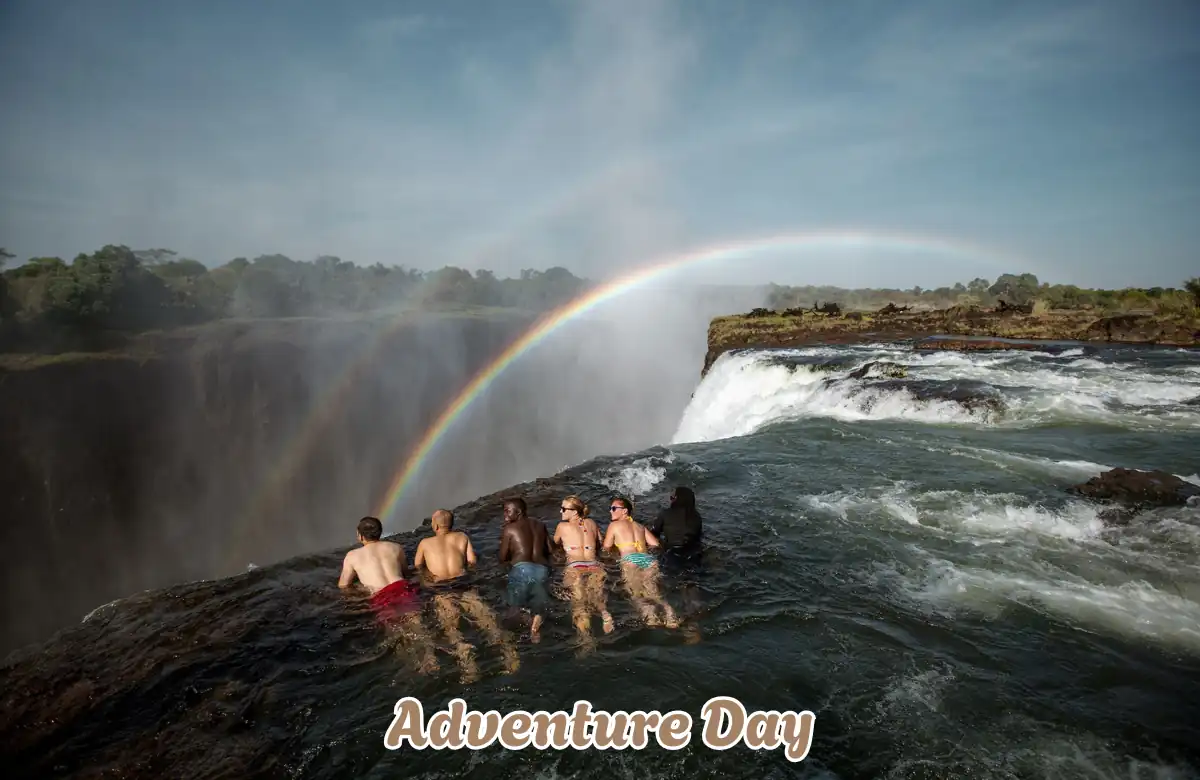
This is your high-adrenaline day. Choose based on your comfort level and weather.
White-water rafting is my top pick during low-water months. The rapids in the Batoka Gorge range between Class IV and V, and the views along the canyon walls are incredible.
If heights excite you, try the gorge swing, zip line, or the 111-meter bungee jump from the Victoria Falls Bridge. I’ve done the jump twice, and the feeling of free fall with the Zambezi River rushing below is hard to describe.
Finally, book the Flight of Angels. This helicopter trip circles above the falls, and you’ll get views that you cannot capture from the ground. The name comes from the phrase attributed to David Livingstone: a scene “so lovely it must have been gazed upon by angels.”
Day 5: Culture, Markets, and Relaxation
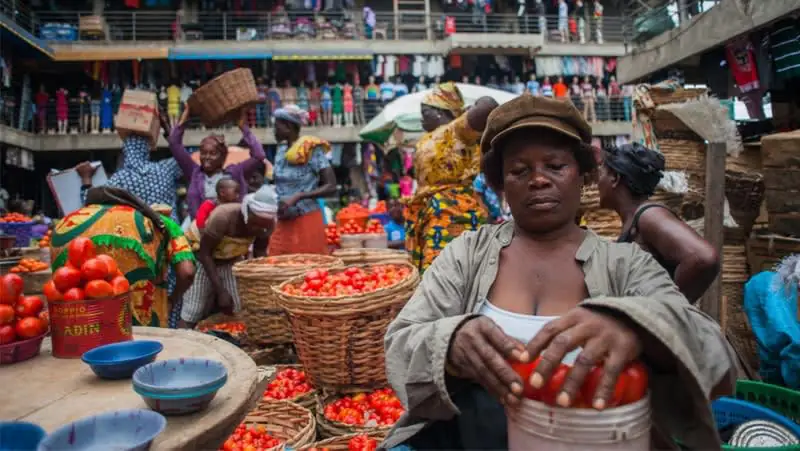
Your last day should be slow. Spend the morning visiting a local village or community-run project. These visits help you understand the region’s Tonga and Lozi heritage. Some programs support conservation work, such as the Elephant Chili Pepper Project.
Return to town for craft shopping. Zimbabwe’s markets are known for hand-carved wooden animals and stone sculptures. Zambia offers bright fabric prints and beadwork.
End with lunch at a riverside lodge. I often stop at places near the riverbank where the view is calm and the sound of the water becomes a soft background, a contrast to the power of Victoria Falls the Smoke That Thunders that you witnessed earlier.
Top Things to Do at Victoria Falls the Smoke That Thunders
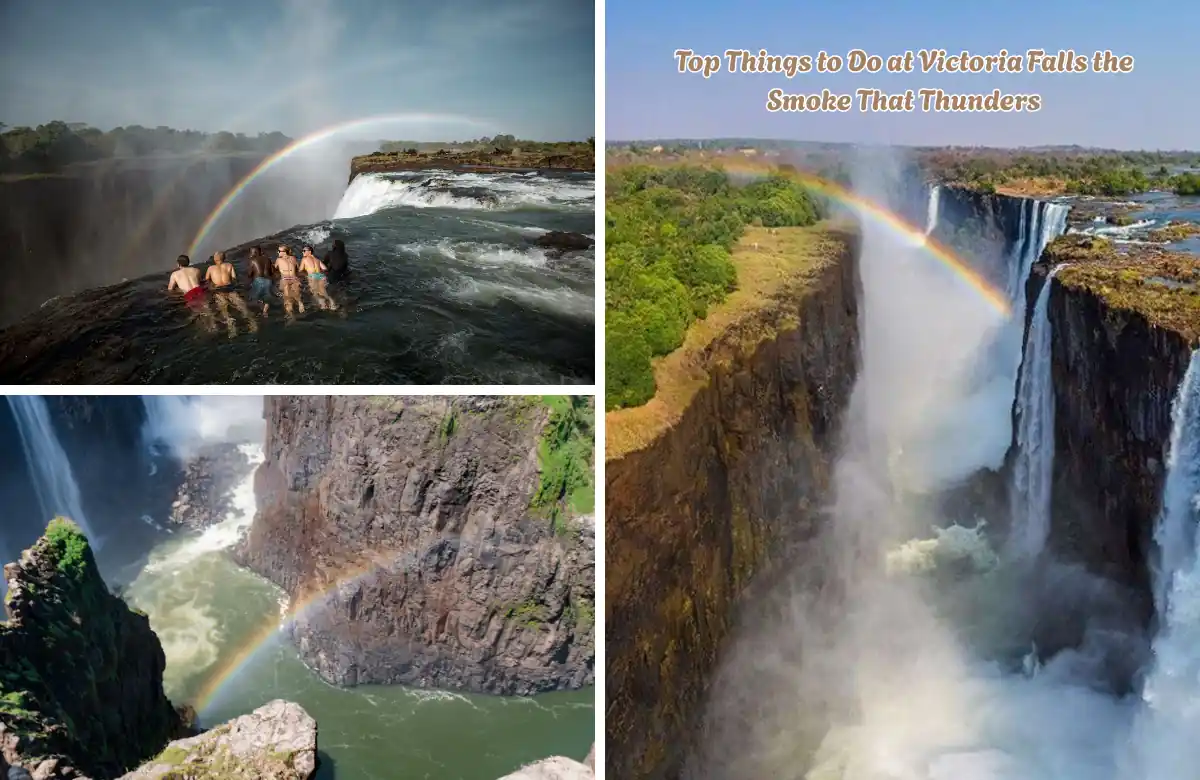
Beyond the standard viewpoints, the area offers experiences that add depth to your trip.
Devil’s Pool
Available during low-water months. Swimming at the edge of the falls feels unreal. Guided only.
Helicopter Flight (“Flight of Angels”)
Gives aerial views of the basalt canyon, Livingstone Island, and the gorge system.
Zambezi Walks and Trails
Short hikes near the river uncover viewpoints most visitors skip. Some guides know quiet points where you can watch lunar rainbows.
Best Places for Sunrise and Sunset:
- Zimbabwe: viewpoints near Main Falls
- Zambia: banks near Royal Livingstone Hotel
- For photography, sunrise gives cleaner angles because the mist is lower
These are the activities I often recommend to travelers who want a mix of nature, adventure, and culture around Victoria Falls the Smoke That Thunders.
Wildlife and Nature in the Mosi-oa-Tunya Rainforest
The rainforest around the falls exists because of the constant mist. Even during the dry season, the vegetation stays green. You’ll spot ferns, water-loving trees, and plant species found nowhere else in the region.
Wildlife is part of the experience. I’ve seen vervet monkeys, bushbuck, and hornbills along the trails. Down by the Zambezi River, expect hippos, crocodiles, and sometimes elephants crossing the shallows.
If you want a full wildlife day, visit Zambezi National Park on the Zimbabwe side or Mosi-oa-Tunya National Park in Zambia. Both parks are calm and easy to cover in half a day. They offer chances to see giraffes, zebras, buffalo, and even the rare white rhino under guided protection.
The mix of rainforest, river life, and open savanna makes this region feel like a natural world in miniature. It’s one of the reasons I always tell travelers that Victoria Falls the Smoke That Thunders is far more than a waterfall.
Adventure Activities Guide With Real Safety Tips
Adventure travelers come to Victoria Falls for one reason, the mix of adrenaline and scenery you rarely find elsewhere. Over the years, I’ve tried most activities here, sometimes in peak flood season, sometimes in the dry months. They each feel different depending on water levels, so timing matters.
- White-Water Rafting
The Batoka Gorge offers some of the most intense rafting routes in Africa. Rapids range from Class IV to V. Guides brief you well, and safety kayakers follow each trip. Wear secure footwear and expect full-body effort. Low-water months give steeper drops, so check conditions before booking. - Bungee Jumping
The 111-meter jump from the Victoria Falls Bridge is a favorite. Operators follow strict weight and harness checks. If you’ve never jumped before, trust the crew. They run thousands of jumps each year and guide you through every step. - Gorge Swing and Zip Line
These options suit travelers who want height without a straight vertical drop. I like the gorge swing because you feel the full width of the canyon opening beneath you. - Livingstone Island & Devil’s Pool
Only available in low-water seasons. Guides stay close and know the safe currents around the rock ledge. This is one activity where I always advise listening closely to instructions. The Zambezi River looks calm here but still has strong pull beneath the surface.
Safety Tips That Actually Matter
- Don’t bring valuables on water activities
- Avoid sandals with open backs
- Bring insurance that covers adventure sports
- Tell guides about past injuries or joint issues
- Avoid activities during storms or heavy winds
Choose licensed operators only. I’ve seen how experienced teams make a difference in controlling risk and helping travelers enjoy the moment with confidence.
Best Viewpoints and Photography Spots
Photography around Victoria Falls rewards patience. Light changes quickly as the mist shifts, and the right angle can turn an ordinary shot into something dramatic. After many visits with different cameras, a few viewpoints became personal favorites.
Top Spots on the Zimbabwe Side
- Main Falls Viewpoint: Best for full-scale shots
- Devil’s Cataract: Clearer during low spray
- Rainbow Falls: Great for sunrise
- Horseshoe Falls: Ideal for depth and leading lines
Top Spots on the Zambia Side
- Knife-Edge Bridge: Most intense spray, great for wide frames
- Eastern Cataract: Sharp angles during dry season
- Livingstone Island: Rare vantage point for close-up shots
Useful Tips Based on Real Conditions
- Use a microfiber cloth. Mist collects fast on lenses.
- Bring waterproof housing for phones.
- Morning light tends to be cleaner before winds rise.
- For long exposure shots, carry a small tripod with rubber feet.
Rainbow and Lunar Rainbow Strategy
- Rainbows appear strongest when the sun is behind you.
- Lunar rainbows appear only on full moon nights when mist levels are high.
- Zimbabwe side usually offers better angles for night photography.
Drone Rules
Flying drones around the falls is restricted. Both national parks require permits, and officers check regularly. For aerial views, the Flight of Angels helicopter remains the safest and legal option.
These locations and tips help you capture Victoria Falls the Smoke That Thunders without fighting the spray or missing the light window.
Staying Near Victoria Falls: Where to Book

Accommodation shapes your experience here. Some travelers want river views. Others prefer staying close to town for easy restaurant access. After staying on both sides over the years, these are the areas I recommend.
Best Areas in Zimbabwe
- Near Victoria Falls National Park: Quick access to viewpoints
- Around the Victoria Falls Hotel: Classic, historic setting
- Residential edges near the Safari Club: Quiet and scenic
Zimbabwe offers a strong mix of lodges and hotels. Many sit close to the park entrance, which is perfect for sunrise walks.
Best Areas in Zambia
- Riverside lodges near Royal Livingstone Hotel: Calm, polished atmosphere
- Central Livingstone: Budget guesthouses and good restaurants
- Upper Zambezi stretch: Secluded eco-lodges with sunset decks
Zambia usually gives more intimate stays by the river, especially at places like Toka Leya Camp.
Budget Picks
- Guesthouses in Livingstone
- Backpaker-friendly stays in Victoria Falls town
Mid-Range
- Small lodges with river access
- Safari-style cabins near the parks
Luxury Options
- Royal Livingstone Hotel
- Victoria Falls Hotel
- Toka Leya Camp
Eco-Friendly Options
A few camps along the Upper Zambezi focus on solar power, low-impact tourism, and community partnerships. These stays help support conservation efforts while giving you quieter river mornings.
No matter your budget, choose a place that cuts down travel time. The closer you are to the river or park entrance, the smoother your days feel around Victoria Falls the Smoke That Thunders.
What to Eat and Where: Local Food You Should Try
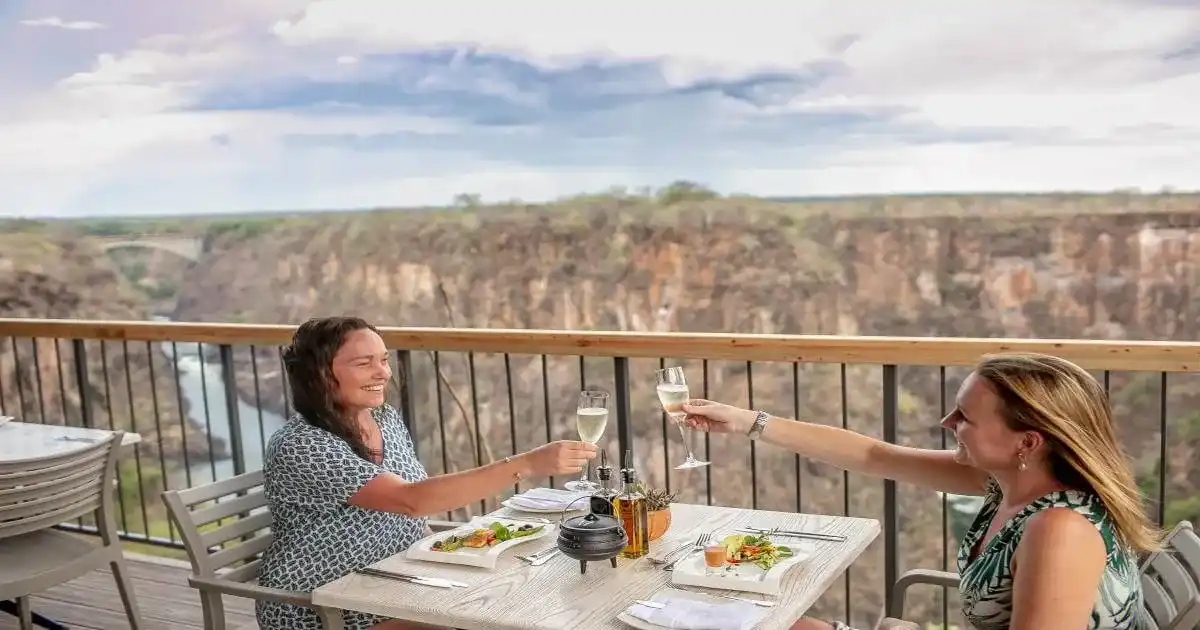
Food around Victoria Falls blends local flavors with Southern African staples. Over different visits, I noticed how each side of the border has its own approach. Zimbabwe leans toward hearty dishes served in family-style portions. Zambia brings softer spices and lighter river-based meals.
Try sadza or nshima, the thick maize staple served with stews. It’s simple, filling, and connects you directly to local kitchens. I’ve enjoyed versions made with slow-cooked beef, river bream, and vegetables grown along the Zambezi basin.
If you prefer grilled food, look for open-fire braais. Meat cooks slowly over coals and picks up the smoky flavor common across Southern Africa. In Zambia, fish dishes tend to be fresher because fishermen bring in their catch daily. It’s worth trying bream grilled with lemon and salt. No extra seasoning needed.
Markets in both towns offer snacks like roasted peanuts, fresh fruit, and traditional pastries. These small bites help when you’re walking between viewpoints or heading out early for sunrise photography.
Restaurants around the river often mix local food with international menus. Some offer views over the gorge or the upper Zambezi. I’ve had some of my calmest lunches while watching boats glide past or elephants coming down for a drink. If you want cultural immersion, ask guides for small family-run spots. The meals are simple but honest, and you get a glimpse into daily life around Victoria Falls the Smoke That Thunders.
Understanding the Geology of Victoria Falls the Smoke That Thunders
The falls owe their shape to ancient volcanic activity. Basalt layers formed millions of years ago as molten rock cooled and hardened. Over time, the Zambezi River carved channels through the basalt, cutting deeper until it reached cracks and faults that opened into gorges. This is how the dramatic Batoka Gorge began forming.
As the river continued to erode the landscape, previous waterfall positions shifted back one step at a time. Geologists have identified several old gorges that once held earlier versions of the falls. Standing at the current First Gorge gives you a sense of how powerful this process has been.
The constant water flow shapes everything. In high season, the Zambezi pours more than a million liters per second over the cliff. During dry months, the drop exposes dark basalt columns. I remember one October visit when I could see deep into the rock layers because the spray had almost stopped. It felt like looking at the raw foundation of a natural wonder.
The geology also explains why the mist rises so high. When water hits the narrow-cut base of the gorge, it rebounds upward with huge force. This creates the “smoke” element behind the name Mosi-oa-Tunya. The interaction between water volume, wind direction, and rock formation determines how thick the mist appears.
Understanding this geological story makes every viewpoint richer. You stop seeing only falling water and start noticing how the land has moved, cracked, and reshaped itself over thousands of years. It gives you a deeper connection to Victoria Falls the Smoke That Thunders.
Conservation and Responsible Travel
The region around the falls faces real environmental pressure. Climate change affects water flow, and dry seasons are becoming longer. Communities also depend on the river for fishing and agriculture, so balance matters. Travelers can play a part in helping preserve the ecosystem without giving up the experience.
One challenge is protecting wildlife corridors. Elephants, buffalo, and other animals move between Zambezi National Park, Mosi-oa-Tunya National Park, and nearby conservation zones. Supporting lodges that invest in land protection helps keep these corridors open.
Local conservation groups run projects focused on reducing human-wildlife conflict. A memorable example is the Elephant Chili Pepper Project. Farmers plant chili buffers around their fields because elephants dislike the smell. It reduces crop damage and keeps both sides safer.
You can also support community tourism programs. Village visits that share local Tonga or Lozi culture help maintain traditions and create income outside of wildlife harvesting. Some programs partner directly with conservation organizations like the Jafuta Foundation, which works on habitat protection and education.
Responsible travel here means small choices. Use refillable bottles, avoid litter on the trails, and choose operators who follow safety and environmental guidelines. Respecting marked paths keeps the fragile rainforest stable, especially near the heavy mist zones.
When done right, tourism strengthens the region. You get to experience one of the Seven Wonders of the Natural World while helping sustain the people and environments that make Victoria Falls the Smoke That Thunders so special.
Culture and People of the Falls Region
Culture shapes every part of life around Victoria Falls. The Tonga, Lozi, and Makalolo communities have lived along the Zambezi River far longer than any documented explorer. Their languages, beliefs, and oral stories form the cultural backbone of the region.
Many locals still refer to the falls by its original name, Mosi-oa-Tunya, which reflects both respect and identity. During long conversations with guides over the years, I often heard how certain spots along the river hold meaning tied to ancestors and spiritual protection. These stories do not show up in guidebooks, but listening to them helps you understand why the falls are more than a scenic wonder.
Craft markets in both Zimbabwe and Zambia display hand-carved animals, masks, and stone artwork. These pieces often include symbols linked to local history. Buying directly from artists supports families who rely on traditional skills for income.
In villages near Livingstone and Victoria Falls town, daily life moves at a steady pace. Children walk to school along dusty paths, farmers tend small plots near riverbanks, and elders gather outside under shade trees. Travelers who approach with respect are welcomed. Greeting people in Lozi or Tonga brings smiles, even if your pronunciation is far from perfect.
A simple rule helps everywhere around the falls. Move with patience and interest. You’ll learn more about the people than any brochure could tell you, and your experience of Victoria Falls the Smoke That Thunders becomes richer and more persona
What It Costs: Victoria Falls Budget Breakdown
Costs vary across seasons and sides of the border, but with clear planning you can control spending without losing the experience. Over several visits, I learned where money matters and where it doesn’t.
- Entry Fees: Zimbabwe usually charges around 50 USD for park entry. Zambia is slightly lower. If you cross between countries, the KAZA UniVisa is often the better deal.
- Transport and Transfers: Airport taxis stay predictable. Lodge transfers cost more but reduce hassle. Within town, distances are short and fares are fair if agreed upfront.
- Food Costs: Local restaurants offer affordable meals. Riverside lodges serve higher-priced menus, often based on fresh fish or grilled meats. Street snacks from markets cost little and keep you going between activities.
- Zimbabwe vs Zambia Budget Comparison: Zimbabwe tends to be slightly more expensive. Zambia offers more budget guesthouses and mid-range stays. Both sides, however, give enough options for every traveler type.
Activity Prices
- Rafting: mid to high range depending on season
- Flight of Angels: higher cost but worth it for aerial views
- Devil’s Pool: guided fee includes boat ride and safety checks
Saving money is simple. Book activities in advance, eat at local spots at least once a day, and stay close to the park entrance to reduce transport fees. None of these choices take away from the strength of Victoria Falls the Smoke That Thunders.
Practical Tips for a Smooth Trip
Smooth travel around the falls comes down to a few habits I learned through trial and error. The environment can switch from calm to soaked in minutes, and planning helps you enjoy the shifts instead of fighting them.
- Avoiding Scams
Stick to registered taxis and licensed operators. Staff at hotels and lodges will point you to verified contacts if you’re unsure. - Staying Dry and Protecting Gear
Bring a simple waterproof cover for cameras and phones. The spray near the Knife-Edge bridge or Rainbow Falls can feel like standing in heavy rain even on sunny days. - Weather and Clothing Tips
Wear shoes with grip. Trails can become slick. Light clothes dry faster and stay comfortable in the humidity created by the mist. - Connectivity, SIM Cards, WiFi
Zimbabwe and Zambia offer local SIM cards with fair rates. WiFi exists in lodges but can slow down at peak hours, especially in Zambia. Download maps ahead of time to avoid delays. - Cash, ATMs, and Tipping
Carry some cash for markets and small restaurants. ATMs work in both towns, but machines occasionally run low on currency during busy weeks. Tipping is appreciated for guides, drivers, and service staff.
These small practices can make your visit more relaxed and give you space to enjoy the moments that matter around Victoria Falls the Smoke That Thunders.
Final Thoughts
Every trip to Victoria Falls shifts my understanding of the place. One month you feel the raw force of the water shaking through basalt cliffs. Another time you stand at the edge of Batoka Gorge and see the land exposed, quiet, and wide open. Both versions feel powerful in their own way.
Spending time with local guides, fishermen, and families around the Zambezi taught me how deeply this landscape shapes daily life. When people refer to it as Victoria Falls the Smoke That Thunders, they mean more than mist and noise. They mean a connection to history, identity, and nature that has lasted for generations.
Travelers who move slowly, stay curious, and respect the land, get the richest experience. Walk the trails early, listen to stories, support conservation projects, and choose operators who care about the river. These choices make your journey meaningful while helping protect a place that deserves care.
If you follow the five-day itinerary and move with intention, you’ll leave with more than photos. You’ll carry the sound of the Zambezi in your memory, the mist on your skin, and a deeper appreciation for one of the Natural World’s true wonders.
Frequently Asked Questions
1. What is the best time to visit Victoria Falls?
March to May shows the falls at full power. For clear views and activities like Devil’s Pool, visit between August and November.
2. How many days do you need to see both sides?
Five days is ideal. You can see the highlights in two or three, but five allows a relaxed pace and enough time for adventure activities.
3. Is Devil’s Pool safe?
It is guided only. Go with licensed operators, follow instructions closely, and visit during low-water season when conditions allow.
4. Do you get wet while visiting the falls?
Yes. The mist behaves like rain near the Knife-Edge bridge and Rainbow Falls. Waterproof covers help protect clothes and electronics.
5. Which side is better, Zimbabwe or Zambia?
Zimbabwe offers wider panoramic views. Zambia brings you closer to the water. Most travelers benefit from seeing both.
6. Do you need a visa to visit?
Many travelers use the KAZA UniVisa, which covers Zimbabwe and Zambia and allows multiple border crossings.
7. What shoes should you wear?
Shoes with strong grip. Trails become slick due to mist and wet ground.
8. Can you fly drones at the falls?
Not without a permit. National parks on both sides restrict drone use. Helicopter flights are the better option for aerial views.
9. How high are the Victoria Falls?
Roughly 108 meters, dropping into the First Gorge of the Zambezi River.
10. Is Victoria Falls worth visiting during the dry season?
Yes. You see more rock formations, photography gets easier, and activities like Devil’s Pool and rafting run at their best.

Recent Posts
 SKYXX Bar Ho Chi Minh City: #1 Rooftop Bar in Saigon (2026 Guide)
- Best Places to Snorkel in Hawaii In 2026
- Travel Tweaks Offers: A 2026 Guide to the Best Travel Deals in the USA
- Top Vehicle Choices in Maryland: Selecting the Ideal Bus for Every Trip
- Residence Villa Clara San Vincenzo: Top Features for Travelers