25 Most Beautiful Places in Texas to Take Pictures
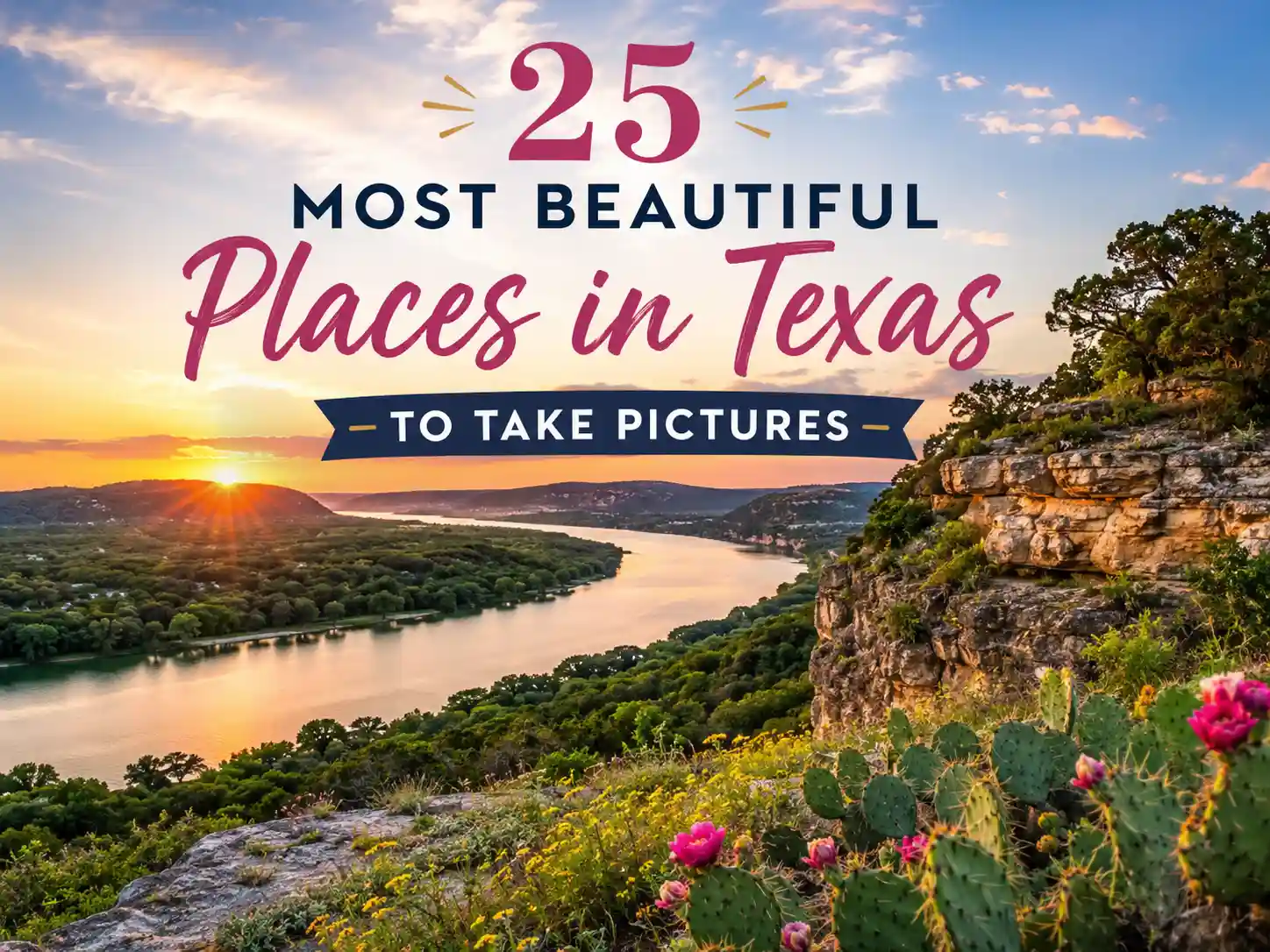
Texas is huge, but when it comes to photography, it truly turns into something magical. From wide-open deserts glowing at sunset to peaceful rivers, colorful wildflower fields, and charming small towns.
I have compiled a list of 25 most beautiful places in Texas to take pictures. If you’re a travel lover, a weekend explorer, or just someone chasing the perfect Instagram shot, Texas makes it easy to fall in love with every frame. Each spot has its own personality.
The best part? You don’t need to be a professional photographer to capture beauty here. You just need to show up, look around, and let Texas do the rest.
Best Spots for Beginner Photographers
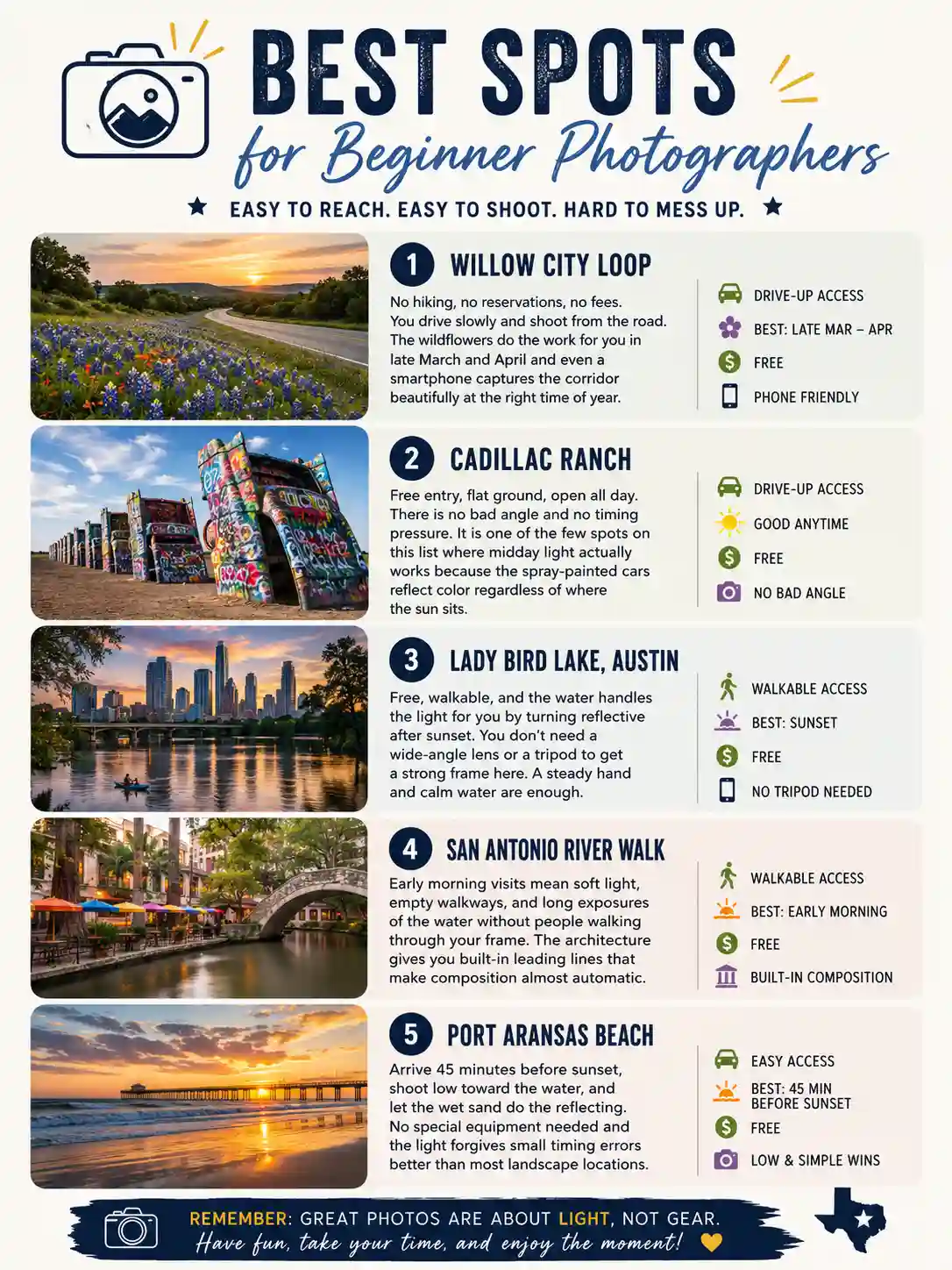
If this is your first serious photography trip in Texas, not every location on this list demands the same level of planning or equipment. These five are the most forgiving and accessible starting points regardless of what camera you are using:
Willow City Loop — No hiking, no reservations, no fees. You drive slowly and shoot from the road. The wildflowers do the work for you in late March and April and even a smartphone captures the corridor beautifully at the right time of year.
Cadillac Ranch — Free entry, flat ground, open all day. There is no bad angle and no timing pressure. It is one of the few spots on this list where midday light actually works because the spray-painted cars reflect color regardless of where the sun sits.
Lady Bird Lake, Austin — Free, walkable, and the water handles the light for you by turning reflective after sunset. You don’t need a wide-angle lens or a tripod to get a strong frame here. A steady hand and calm water are enough.
San Antonio River Walk — Early morning visits mean soft light, empty walkways, and long exposures of the water without people walking through your frame. The architecture gives you built-in leading lines that make composition almost automatic.
Port Aransas Beach — Arrive 45 minutes before sunset, shoot low toward the water, and let the wet sand do the reflecting. No special equipment needed and the light forgives small timing errors better than most landscape locations.
Here’s a quick reference guide to all 25 Beautiful Places in Texas to Take Pictures before we dive into the details:
| Location | Region | Best Time | Cost | Photography Style |
|---|---|---|---|---|
| Enchanted Rock | Hill Country | 90 mins before sunrise | $8/adult | Landscape, wide angle |
| Willow City Loop | Hill Country | 9–11 AM, late March–April | Free | Wildflowers, road |
| Hamilton Pool | Hill Country | Late morning–midday | $8–12 | Waterfall, grotto |
| Becker Vineyards | Hill Country | 4–6 PM, spring lavender | Free entry | Fields, architecture |
| Lost Maples | Hill Country | Late Oct–mid Nov, midday | $6/adult | Foliage, canopy |
| Santa Elena Canyon | Big Bend | 4–6 PM | Park entry $30/vehicle | Canyon walls, river |
| Big Bend Night Sky | Big Bend | New moon nights, Mar–Oct | Included with entry | Astrophotography |
| Marfa Lights | West Texas | Dusk | Free | Dark sky, roadside |
| Prada Marfa | West Texas | Golden hour | Free | Desert art, wide |
| McDonald Observatory | West Texas | Blue hour + full dark | $5–25 | Astrophotography |
| Davis Mountains | West Texas | Before sunrise | Park entry | Compressed ridgelines |
| Palo Duro Canyon | Panhandle | Sunrise or sunset | Park entry | Canyon, rock strata |
| Caprock Canyons | Panhandle | Early morning | Park entry | Bison, red rock |
| Cadillac Ranch | Panhandle | Golden hour or any time | Free | Art installation |
| Lighthouse Trail | Panhandle | 30 mins before sunset | Park entry | Rock formation |
| Port Aransas | Gulf Coast | 45 mins before sunset | Free–$12 parking | Beach, reflections |
| Galveston Seawall | Gulf Coast | Blue hour | Free–$15 parking | Urban coastal |
| Rockport Marshes | Gulf Coast | Early morning | Free | Wildlife, reflections |
| Dallas Skyline | Cities | Blue hour | Free | Skyline, reflections |
| Austin Lady Bird Lake | Cities | After sunset | Free | Skyline, lake |
| San Antonio River Walk | Cities | Early morning | Free | Architecture, water |
| Caddo Lake | East Texas | Before sunrise | $4–6/adult | Cypress, fog |
| Lake Tyler | East Texas | Calm evenings | Free | Reflections, shoreline |
| Piney Woods Drives | East Texas | Early morning, autumn | Free | Forest, mist |
Texas Hill Country
If you have never driven through the Hill Country in spring, you are missing what Texas actually looks like when it shows off. It’s one of the beautiful places in Texas to take pictures. The first time I made this drive in April, I pulled over three times before I even reached my first planned stop. This stretch packs wildflower fields, wine country, granite domes, and canyon swimming holes into one road trip that photographs differently at every single stop.
Planning a full Hill Country trip around photography? Our guide to Texas Hill Country wildflowers covers the exact bloom windows for bluebonnets and Indian paintbrush that make Willow City Loop and Enchanted Rock photograph best.
1. Enchanted Rock
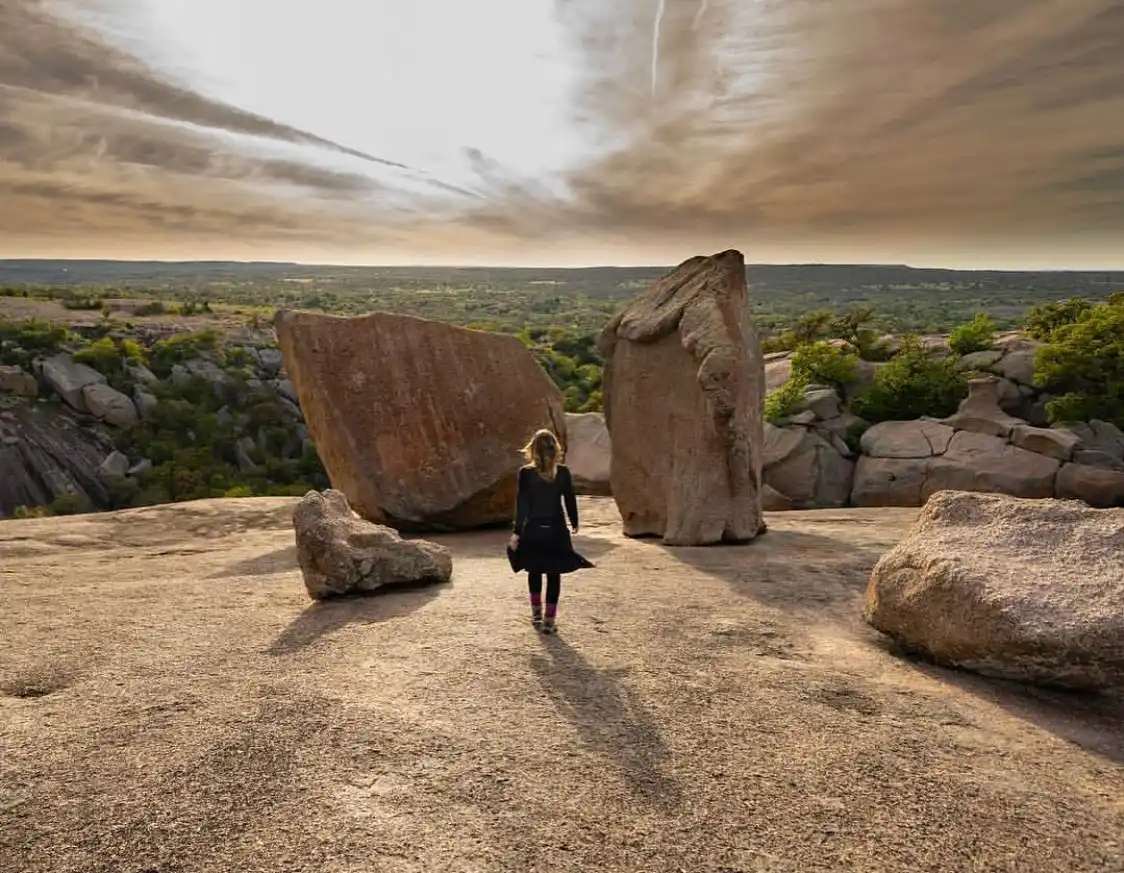
Cost: $8 per adult (13+), free for children 12 and under
It’s one of the best Texas state parks with stunning views. Be at the trailhead 90 minutes before sunrise because the 0.6-mile summit climb is steep and you want to be on top when the pink granite starts glowing.
The best composition is not looking out from the summit but turning around and shooting back at the smaller domes below you, Little Rock and Turkey Peak, which give your frame real depth. In spring, you can use wildflowers as a foreground layer with the dome sitting behind them.
I made the mistake of arriving without a reservation on my first visit and turned around at the gate. So, make sure you book in advance on the Texas State Parks website or you will drive two hours for nothing.
2. Willow City
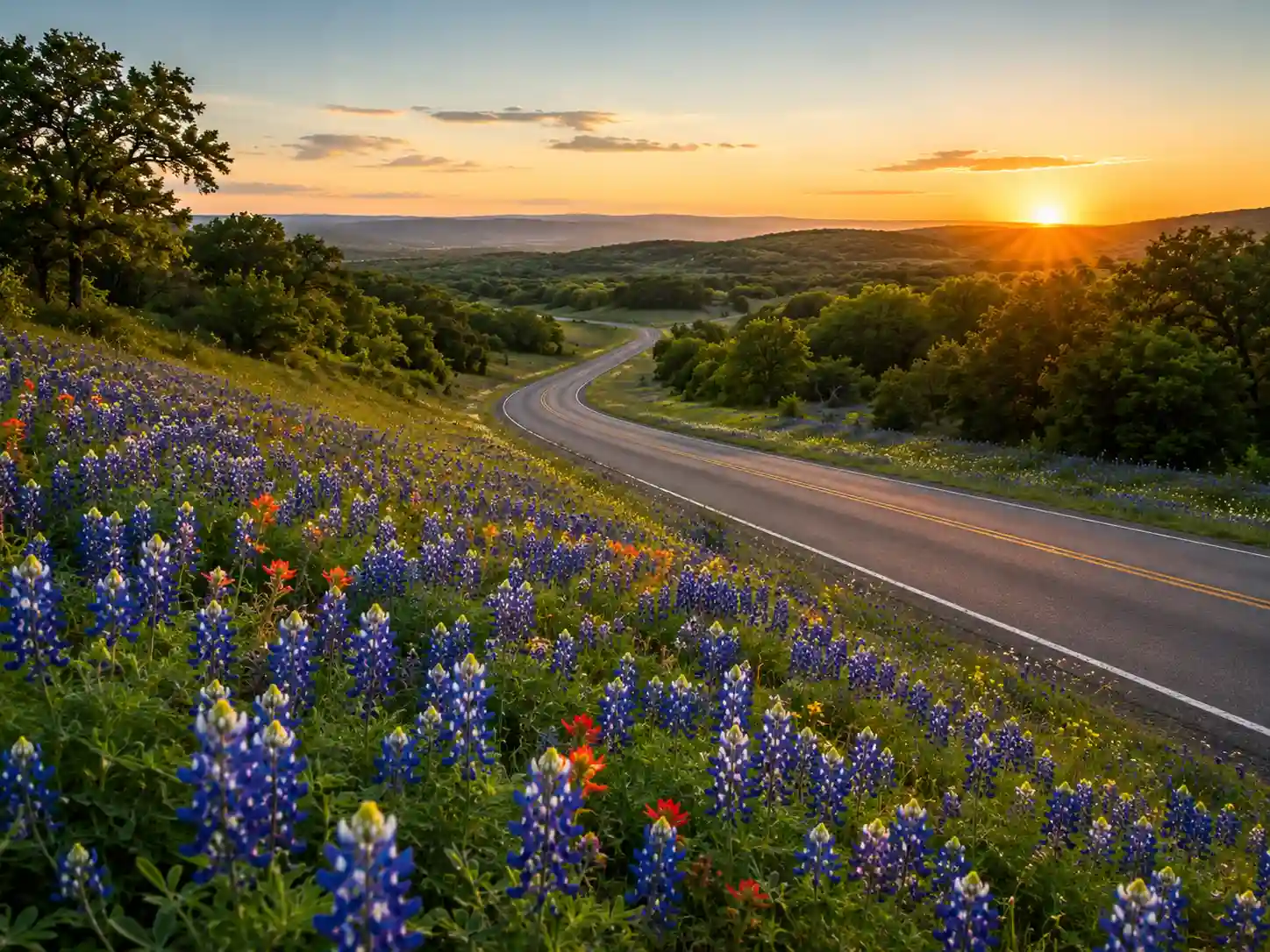
Cost: Free
Willow city offers beautiful views in Texas. Hit this road between 9am and 11am in late March or April and you’ll drive through the prettiest and dense bluebonnet corridor in the state.
I get as low as I physically can and shoot wide, with the flowers filling the bottom third of the frame and the road curling back into the hills. Don’t step onto the ranch land on either side. It’s private property.
3. Hamilton Pool
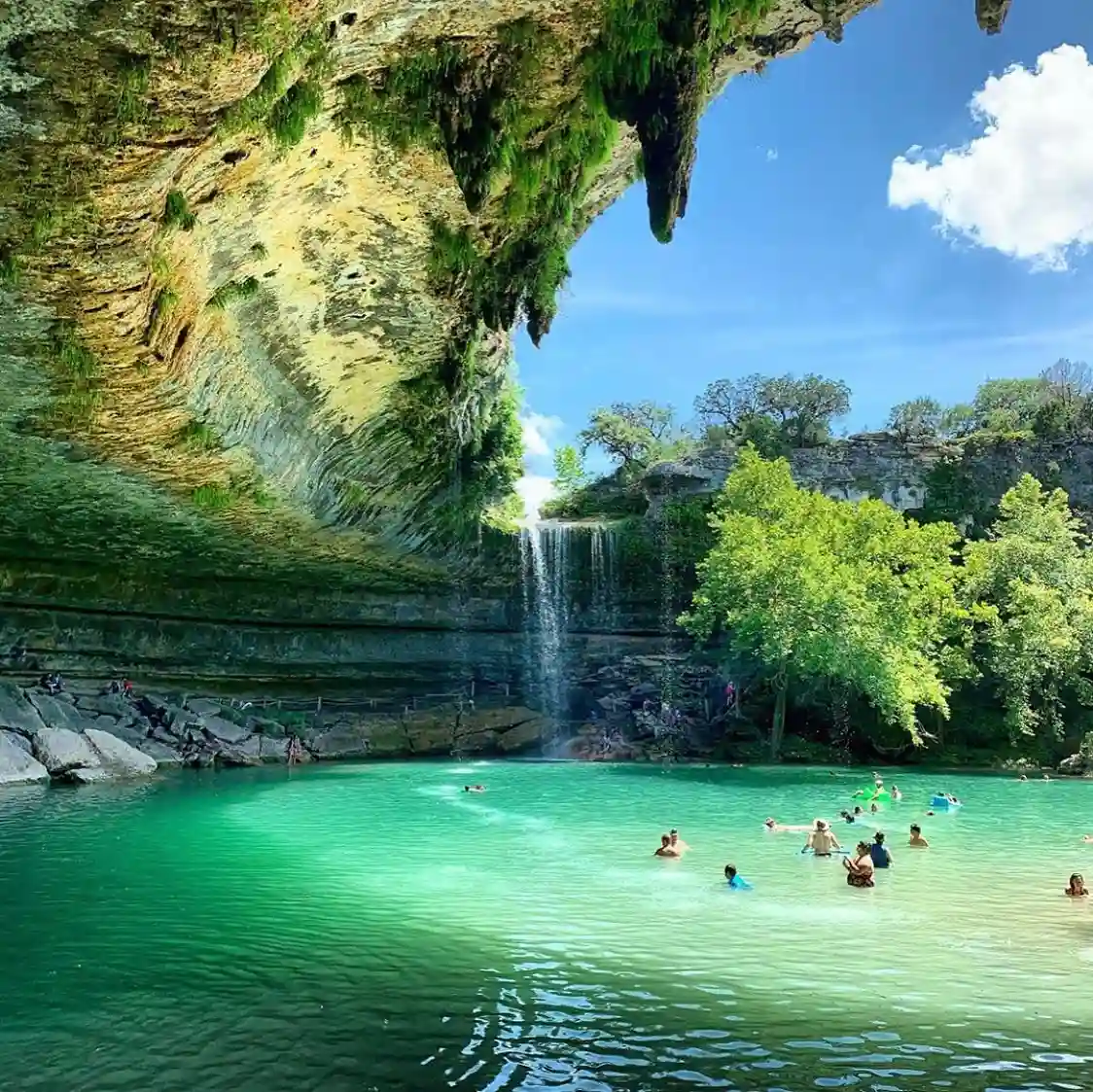
Cost: About $8–12 per person plus reservation/vehicle fees
This one breaks the usual rule about avoiding midday light. The limestone overhang shades the grotto all morning, so late morning to midday is actually the sweet spot when sunlight finally drops in.
When I arrived at 10am the grotto was still half in shadow and I waited nearly an hour for the light to open up properly. To capture the real beauty, drop your shutter to 1/15s or slower braced on a rock and the 50-foot waterfall turns silky. Book timed entry before you leave home or walk-ins get turned away. Book timed entry through the Travis County Parks reservation portal before you leave home — walk-ins are turned away during summer regardless of how early you arrive.
4. Becker Vineyards
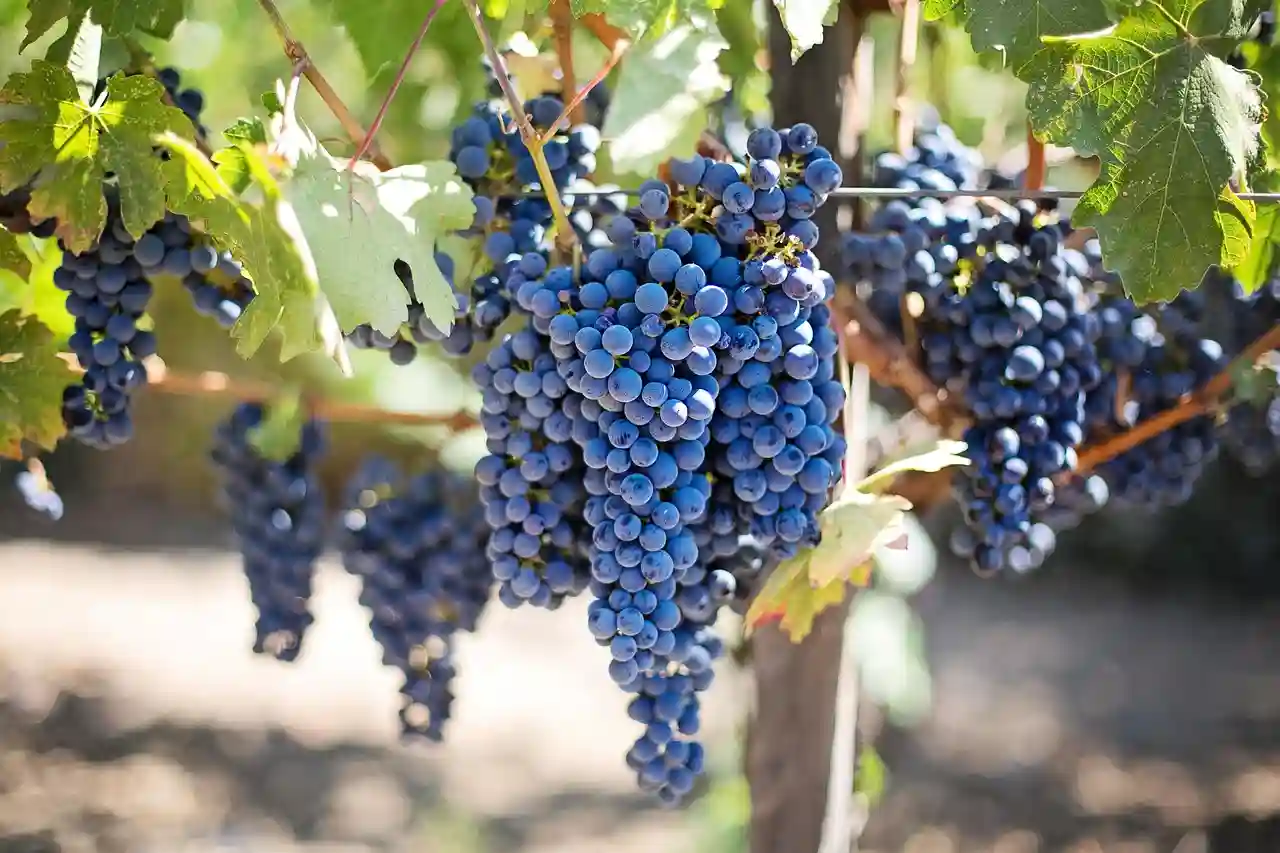
Cost: Free to enter; wine tastings typically $20–35
Becker Vineyards sits on Wine Road 290 about 10 miles east of Fredericksburg. The lavender fields are behind the main tasting room building.
For the real beauty, make sure you come between 4pm and 6pm during spring lavender season. Walk into the rows, crouch down, and shoot toward the stone barn so the rows converge into a vanishing point.
The smell alone tells you when you have found the right spot. The bloom window is only two to three weeks, so check their socials before making the drive.
5. Lost Maples
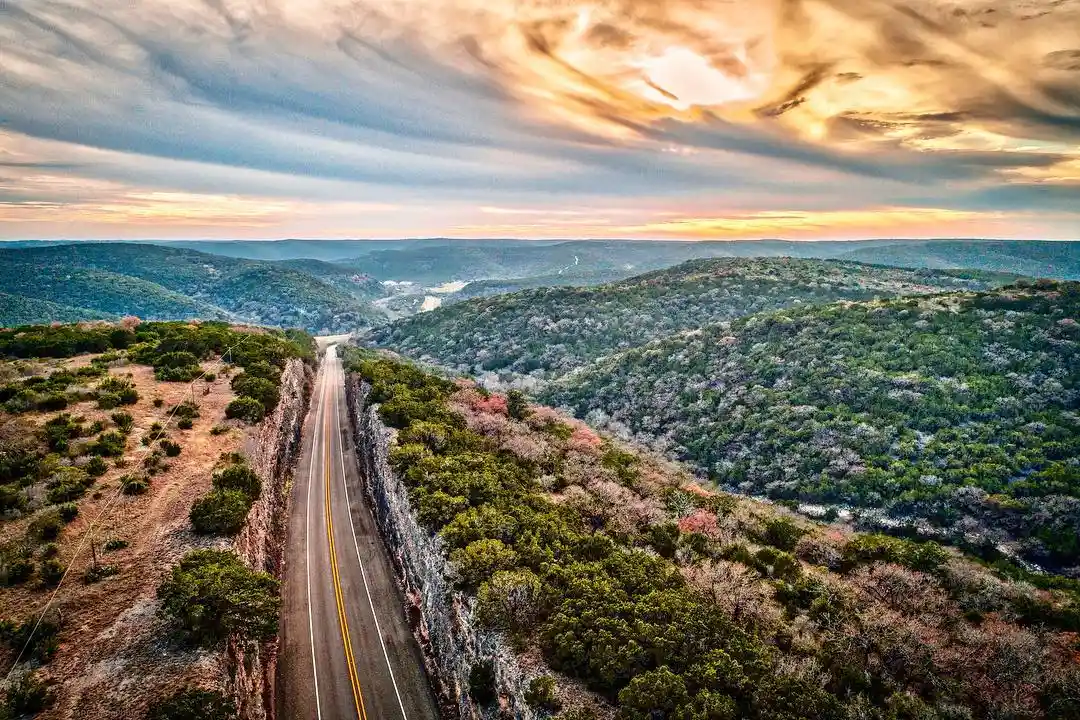
Cost: About $6 per adult, free for children 12 and under
You should visit Lost Maples in late October through mid-November, and do not wait for golden hour here. The diffuse midday light pulls more saturation out of the maple leaves than directional light does, which is the opposite of what you expect.
Shoot upward through the canopy with the sun behind the leaves for a backlit glow that looks almost stained-glass. Timed entry reservations sell out days ahead during peak foliage weeks.
Big Bend & West Texas
West Texas is not convenient and that is exactly the point. You drive four hours past the last major city, the landscape empties out completely, and then it starts doing things that make no photographic sense until you are standing in it.
The first night I spent in Big Bend National Park I walked out of my tent at 2am and just stood there for ten minutes before I even thought about picking up my camera.
Cost: Included with Big Bend National Park entry ($30 per vehicle for 7 days, or $15 per person on foot/bike)
You can find some of the best photography spots within the Big Bend where you can capture the real beauty.
For a complete planning guide to Big Bend and the wider West Texas park system, our Texas National Parks guide covers hiking trails, camping, and seasonal access in detail.
6. Santa Elena
To take the stunning pictures of sunset, you need to be on the 1.7-mile trail by 3pm, because I did exactly that. I was inside the canyon when the side-lighting hit the 1,500-foot walls between 4pm and 6pm. That light cuts shadows deep into the rock texture and turns the walls from flat stone into something that looks almost carved.
I keep the Rio Grande in my foreground, and if anyone is near the canyon mouth, you keep them in frame too because nothing else communicates the scale.
7. Big Bend Night Sky (Chisos Basin)
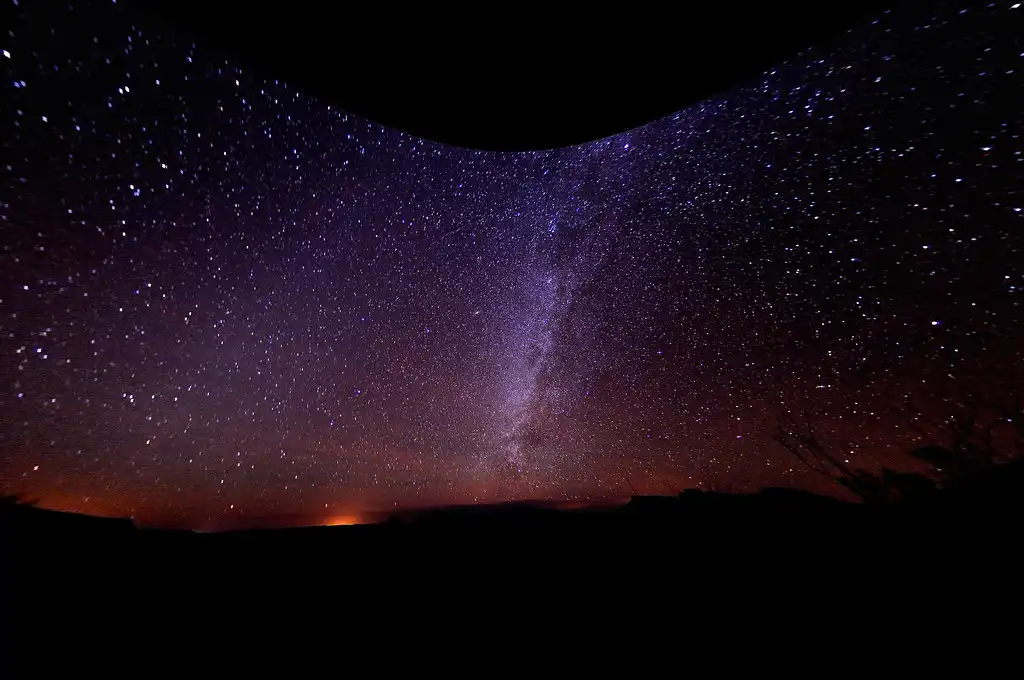
If you solo travel in Texas, make sure you don’t miss the night sky. Big Bend is a certified International Dark Sky Park and the rating is legitimate, but a half moon washes out the Milky Way completely. So, make sure you plan around the full moon not according to the weather.
The core is visible from March through October and the Chisos Basin parking lot is the most accessible starting point. Shoot at 14 to 24mm, f/2.8 or wider, ISO 1600 to 3200, exposures between 15 and 25 seconds.
I shot from that lot on a new moon night in August and the Milky Way was visible to the naked eye within minutes of full dark.
8. Marfa Lights
The Marfa Lights Viewing Area sits 9 miles east of Marfa on US-90. You can go at dusk, expect nothing, and treat it as a dark sky bonus if the lights do not show.
Prada Marfa is 26 miles northwest on US-90, a fake Prada storefront standing completely alone in open desert, and golden hour is when it looks best. I took a shot from far back so the building reads small against the vastness.
9. McDonald Observatory
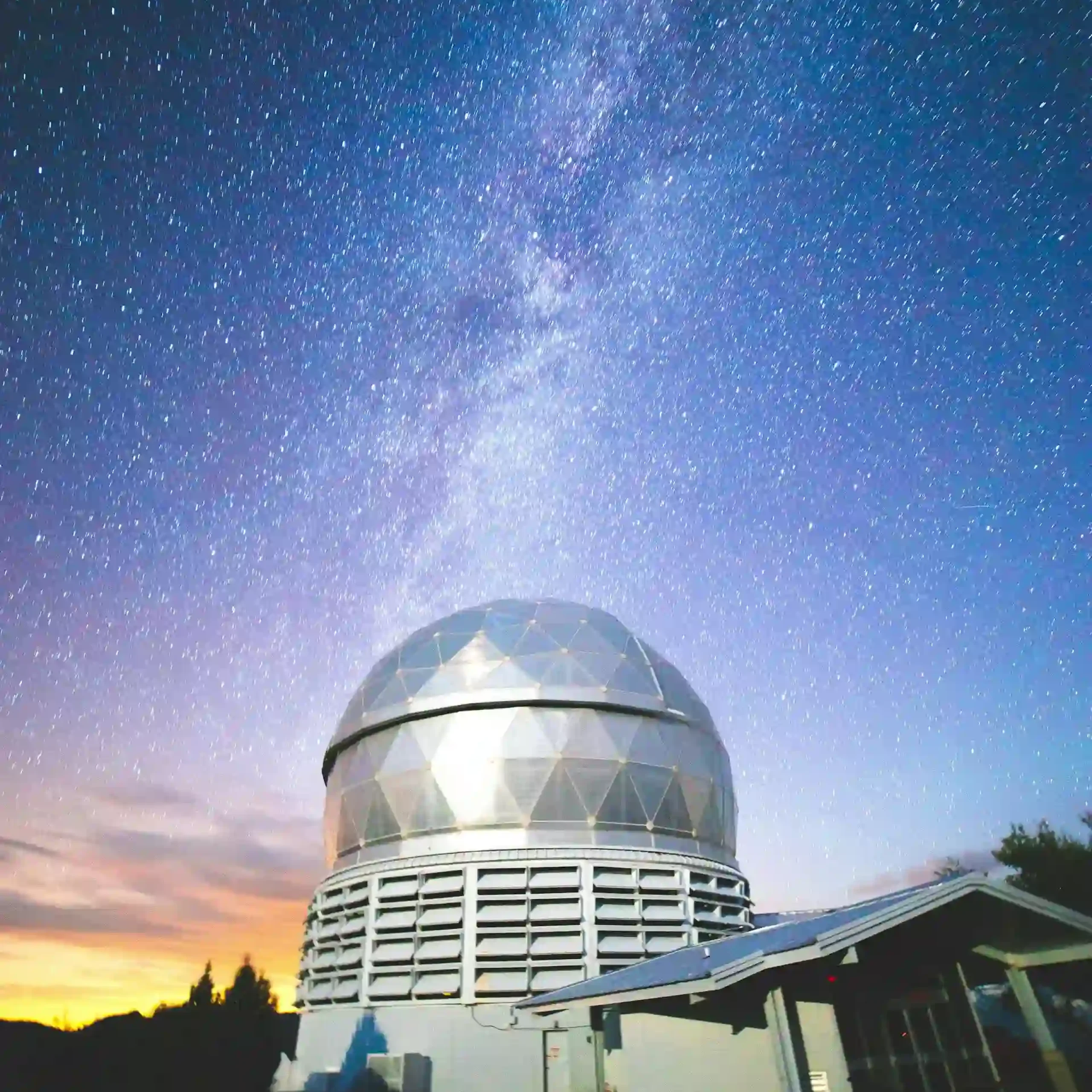
McDonald Observatory sits in the Davis Mountains near Fort Davis and hosts weekly Star Party events that run from $5 to $25 depending on age group. Summer weekends sell out fast, so I book as soon as I know my dates. Tickets and upcoming Star Party dates are listed on the McDonald Observatory website — check availability before planning your Davis Mountains trip around an observation night.
I arrive before the session starts specifically for blue hour — the white telescope domes going dark against a deepening navy sky make a strong standalone shot before the stars appear. Once full dark arrives, the domes become foreground anchors for Milky Way compositions that are hard to replicate anywhere else in the state.
It’s one of the cleanest astrophotography setups in Texas because the elevation, dry air, and minimal light pollution combine in a way that Big Bend’s lower basin areas can’t always match. If you are serious about night photography and can only make one West Texas stop, this is the one.
10. Davis Mountains
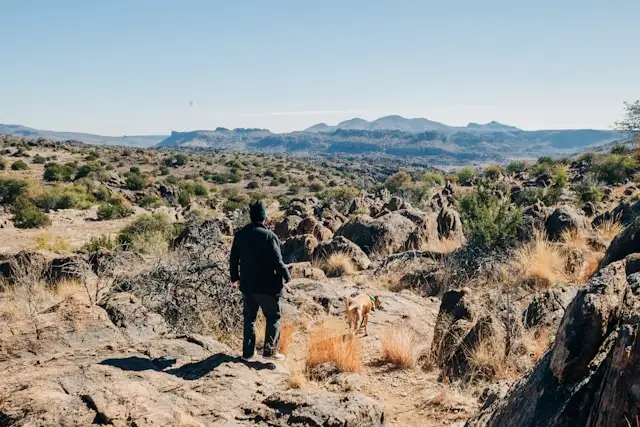
You can also drive up to the Skyline Drive overlook before sunrise and use a 70 to 200mm lens rather than wide angle.
Compression stacks the layered ridgelines together and makes the atmospheric haze work for you instead of against you. You can go up through the drive, no hiking required, nothing beyond the standard park entry fee.
Texas Panhandle
I almost drove straight through the Panhandle the first time and it would have been the biggest photography mistake of that trip. From the highway it genuinely looks flat and featureless, and I understand why most people don’t stop. Palo Duro Canyon disproves that assumption in about ten minutes of standing on the rim.
11. Palo Duro
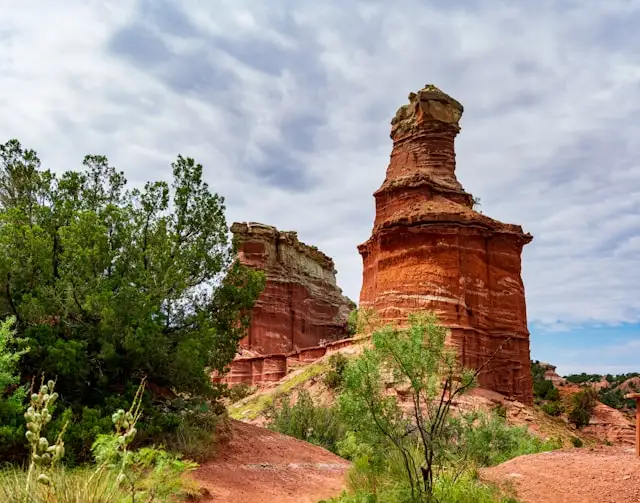
Sunrises and sunsets are equally scenic in Palo Duro since the canyon stretches east to west, with each one casting a dramatically different color palette across the rock strata. Palo Duro is also one of the most rewarding destinations for a Texas road trip — our guide to road trip routes in Texas maps out the best driving circuits that include the Panhandle alongside Hill Country and West Texas.
There are many places to pull off along the canyon’s main scenic drive, but you should choose the Lighthouse Trail, which is a 5.6 miles round trip.
A backlit silhouette shot of the formation is always a great option, but for colorful rock layers, front lighting is best, so plan to arrive at sunrise. Be sure to bring a well-stocked water supply especially during the summer months.
12. Caprock Canyons
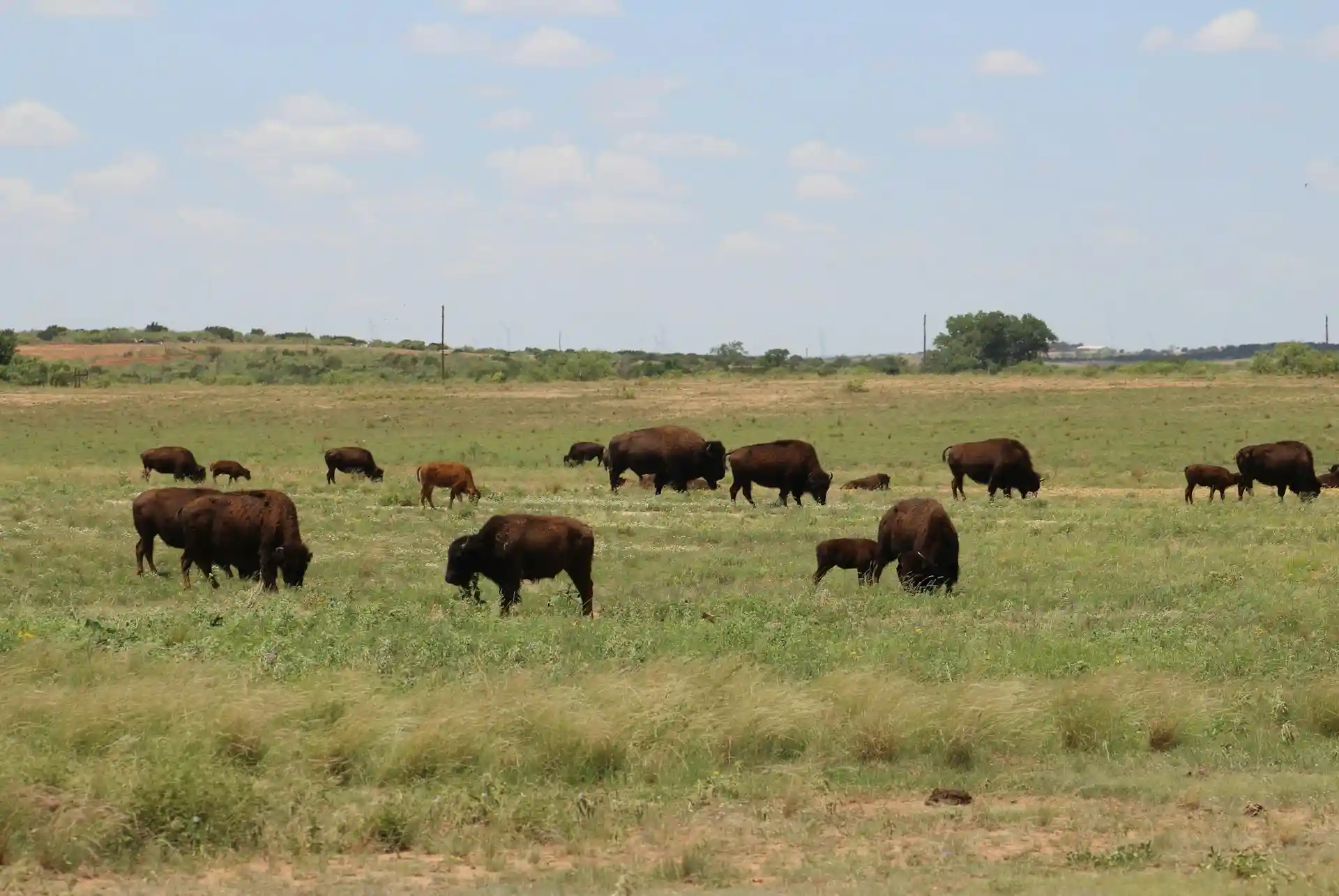
The early morning is the best time to catch a glimpse of the Texas State Bison herd. Their dark fur provides great contrast against the red rock of the canyon, but you should maintain a distance of at least 50 yards to ensure they aren’t startled while you get your photos with a telephoto lens of 200mm or longer.
13. Cadillac Ranch
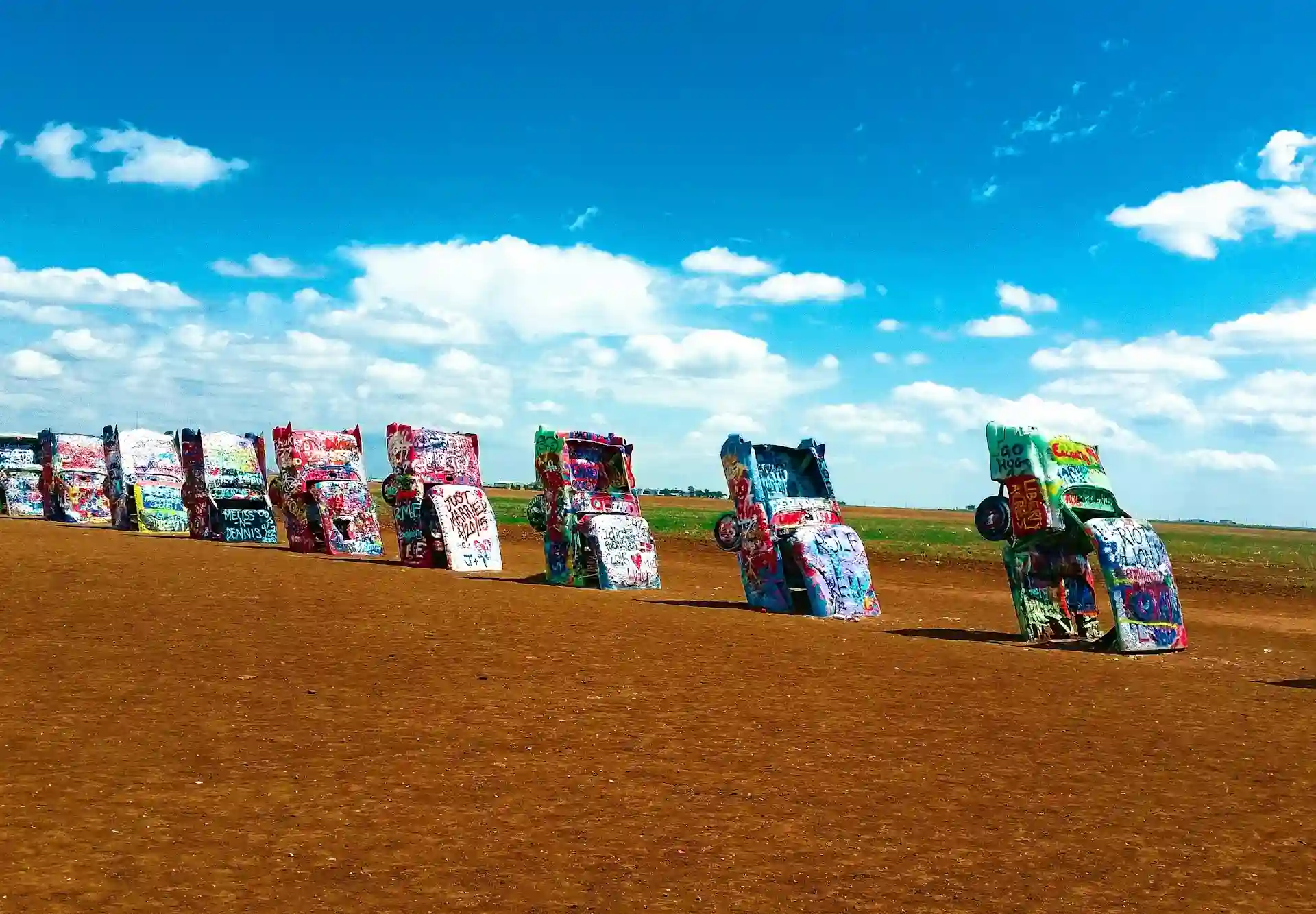
Influenced by a unique intersection of art and geography, visiting Cadillac Ranch is an experience unlike any other with 10 Cadillac cars stuck nose first into the ground and covered in layered spray paint.
Cadillac Ranch sits just off I-40 West near Amarillo — take the Hope Road exit and follow the dirt path about 300 meters south toward the field. Entry is completely free, it’s open every day at all hours, and spray paint cans are available on site from other visitors. Bring your own if you want a specific color.
Be sure to leave your mark as personal spray painting is encouraged. Take a step back to capture all 10 Cadillacs, or move in close on a single car for an abstract shot.
While you’ll be sure to get the perfect shot during golden hour, Cadillac Ranch is an all day photo opportunity.
14. Lighthouse Trail
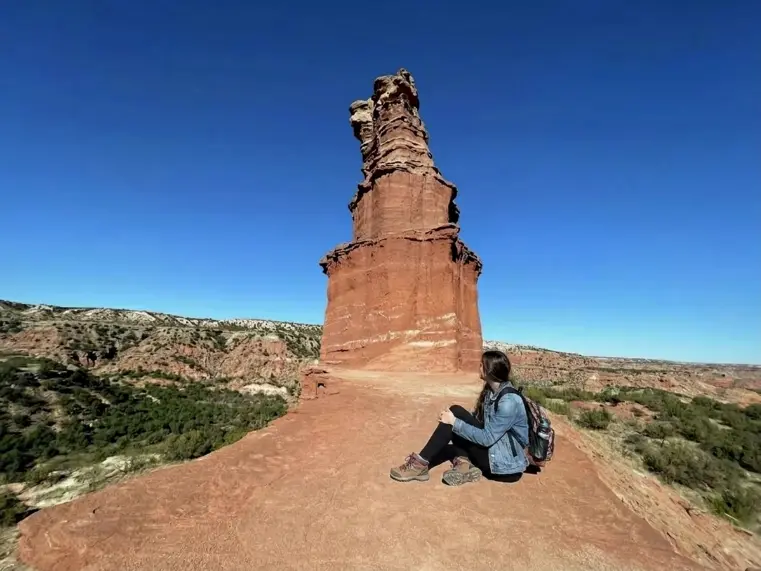
Plan on arriving at Lighthouse Rock formation with only 30 minutes to spare before sunset to enjoy the canyon walls reflecting the sunset in deep red and orange shades.
Adding a person in your photo will help others appreciate the massive size of the Rock formation. Plan on arriving 3 hours before sunset in July. The trail provides no shade and the heat can be intense.
15. TEXAS Musical
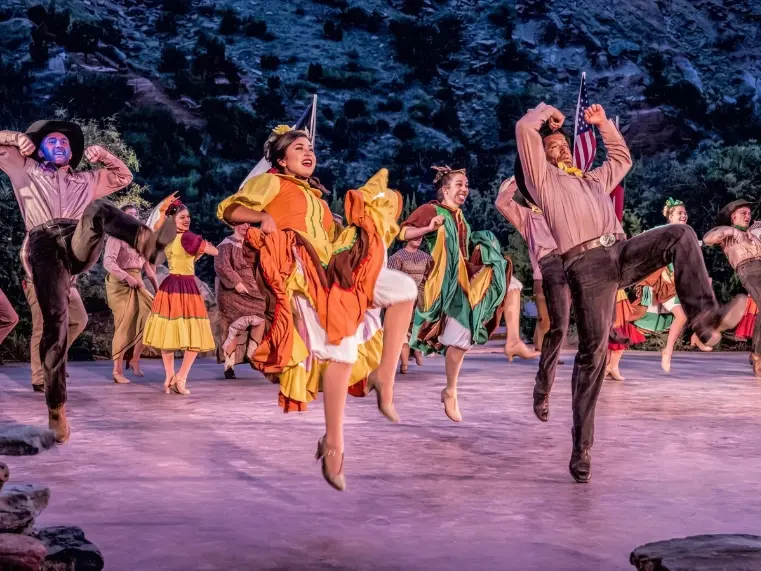
The TEXAS outdoor drama plays against Palo Duro Canyon itself as a natural backdrop, making it one of the most unusual photography setups in the state. The show runs summer evenings only, and the photography window happens during that narrow transition period when stage lighting, canyon walls, and a deepening dusk sky exist in the same frame at the same time.
Standard landscape photography gives you either natural light or artificial light. Here you get both simultaneously, which creates a color mix that no standard canyon shoot can replicate. The canyon walls catch the warm stage light while the sky overhead still holds blue and purple tones. That combination lasts only 20 to 30 minutes but produces some of the most distinctive frames on this entire list.
Arrive before the show starts to shoot the canyon in fading natural light, then stay through the opening scenes when the two light sources overlap. Check texas-show.com for summer dates and ticket availability before making the drive. For a full breakdown of summer activities across the state, see our Texas in Summer travel guide for 2026.
Gulf Coast
I didn’t expect the Gulf Coast to photograph as well as it does. I went in thinking desert and Hill Country were the real Texas stories, and the coast proved me wrong on the first evening. The light here behaves differently — softer, more reflective, and it holds color longer after sunset than almost anywhere else in the state. These are some of the most underrated photography locations I have found in Texas.
For a fuller breakdown of the Texas coastline beyond photography, our guide to the best beaches in Texas covers water quality, accessibility, and what each stretch of coast does best.
16. Port Aransas
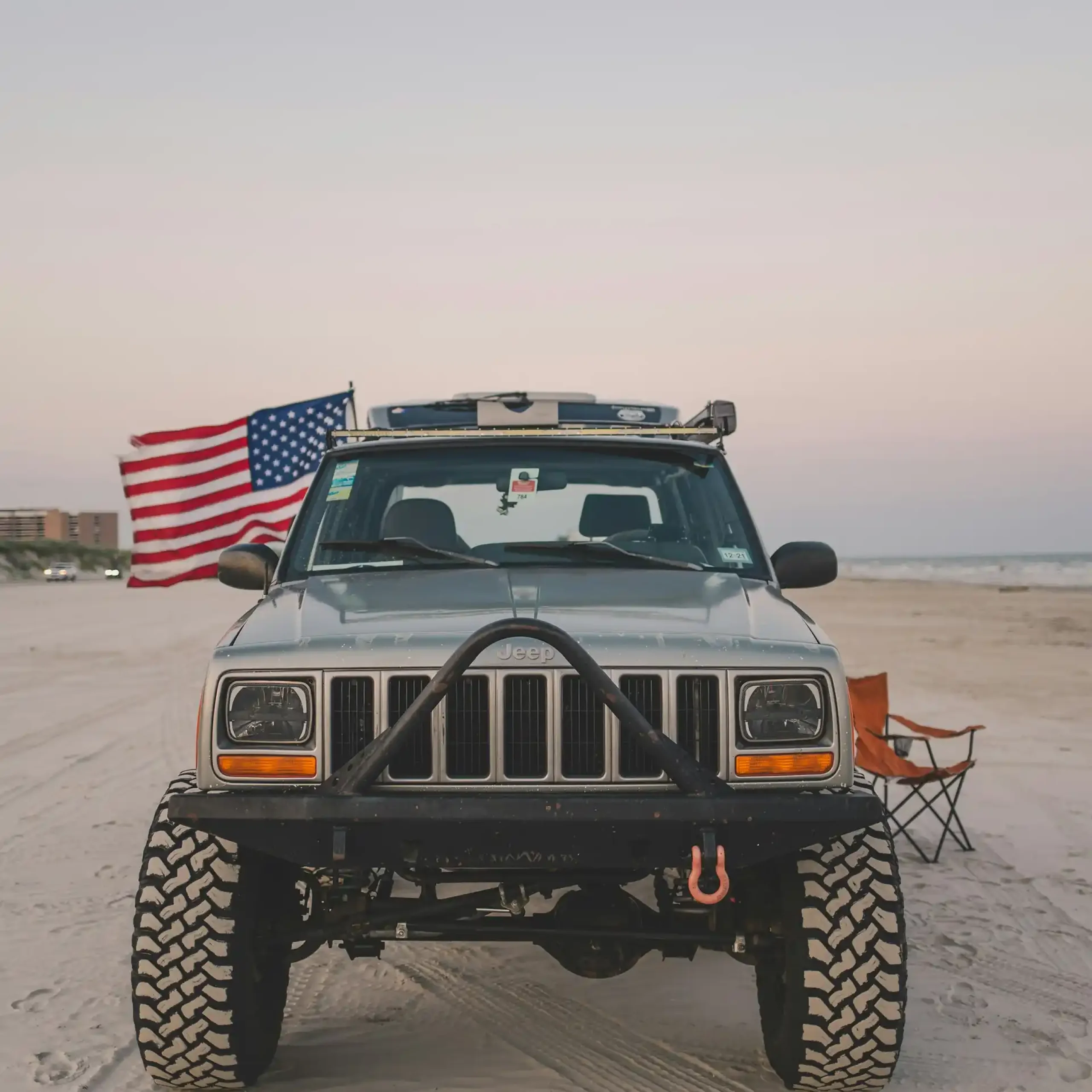
Cost: Beach access is free; beach parking permits are typically around $12 if parking directly on the sand
Visiting Port Aransas is the best thing for young adults to do in Texas. It gives you long uninterrupted shorelines and surprisingly clean compositions. If I am shooting here, I arrive at least forty-five minutes before sunset because the best light often happens after the sun disappears. The sky keeps changing and wet sand starts reflecting color like a giant mirror.
Shoot low to the ground and let shallow water fill the foreground. Even a small layer of water doubles the impact of the frame because it reflects the sky back into the image. Port Aransas beaches allow vehicle access in many sections with a parking permit, while some public access areas remain free.
17. Galveston Seawall & Piers
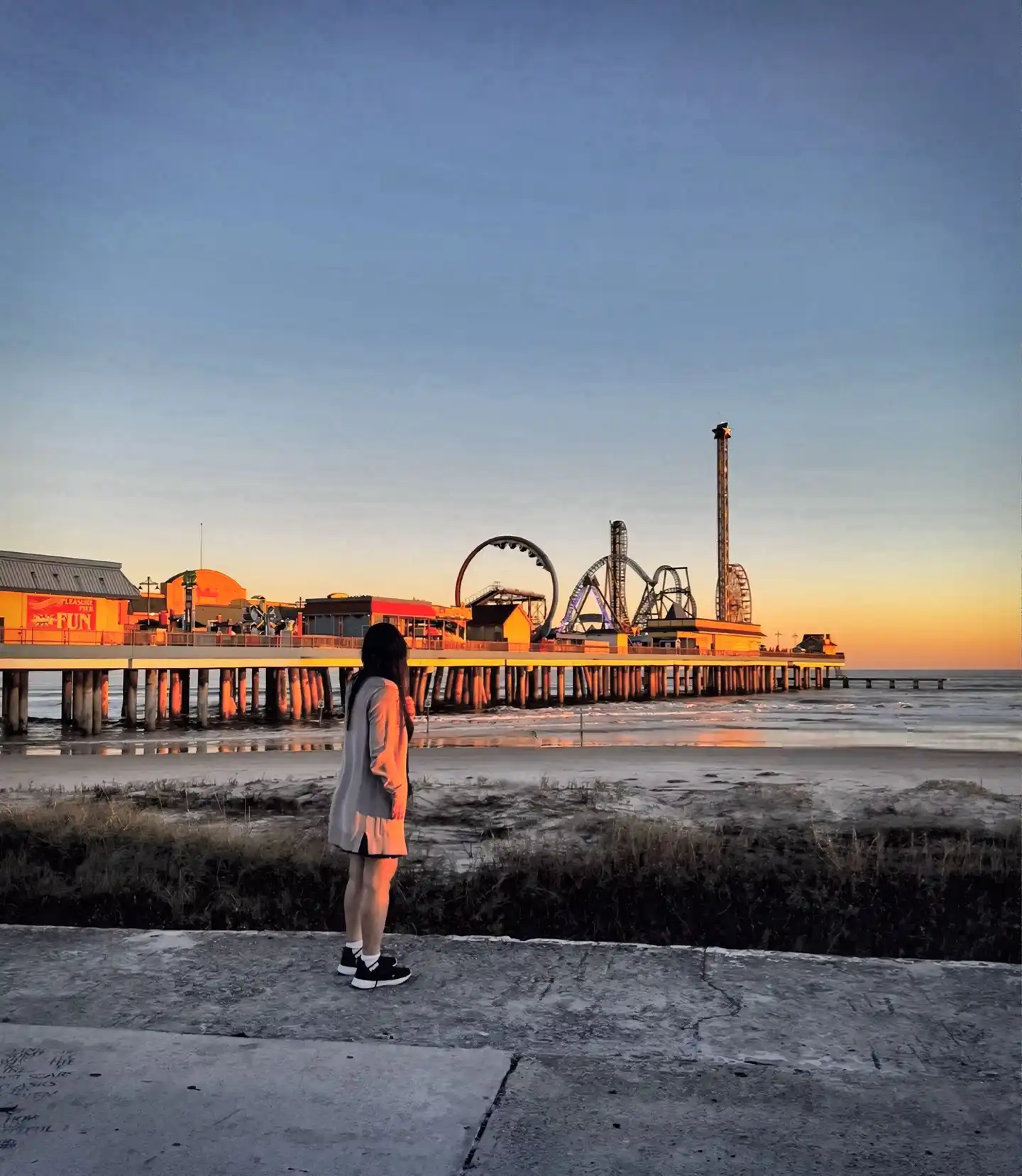
Cost: Beach access is generally free; some parking areas may charge $5–15
Galveston works differently because it gives you structure. Piers, boardwalks, and seawalls create strong leading lines that naturally pull the eye toward sunrise or sunset.
Instead of shooting directly at the horizon, use the pier stretching into the water as your anchor point. During blue hour, city lights and reflections begin appearing while the sky still holds color. This becomes one of the beautiful places in Texas to take pictures because you get urban elements and coastal scenery in the same frame.
18. Rockport Marshes
Cost: Free
Rockport is where I would go if I wanted quieter scenes and wildlife photography. Marshes and bay areas become almost mirror-flat when the wind dies down, and birds constantly move through the area.
The best access points are along Fulton Beach Road and the waterfront at Little Bay. Goose Island State Park nearby offers additional marsh and bay photography from established viewpoints.
The best access points are along Fulton Beach Road and the waterfront at Little Bay, where the water stays shallow and birds move through predictably in the early morning. Goose Island State Park nearby adds another strong option — the shoreline viewpoints there give you open bay reflections with less boat traffic than the main waterfront areas.
You can spend an hour shooting marsh landscapes and then suddenly switch to pelicans or herons moving through the water in the same frame. That combination of reflections, wildlife, and coastal light makes Rockport one of the strongest areas for photographers who want variety rather than just standard beach scenes.
Texas Cities
Texas cities surprise people because each one feels visually different. Austin feels modern and energetic, Houston mixes glass towers with historic spaces, Dallas leans into dramatic skyline views, and San Antonio combines city life with architecture and history. Together they create some of the most photogenic places in Texas.
19. Dallas Skyline
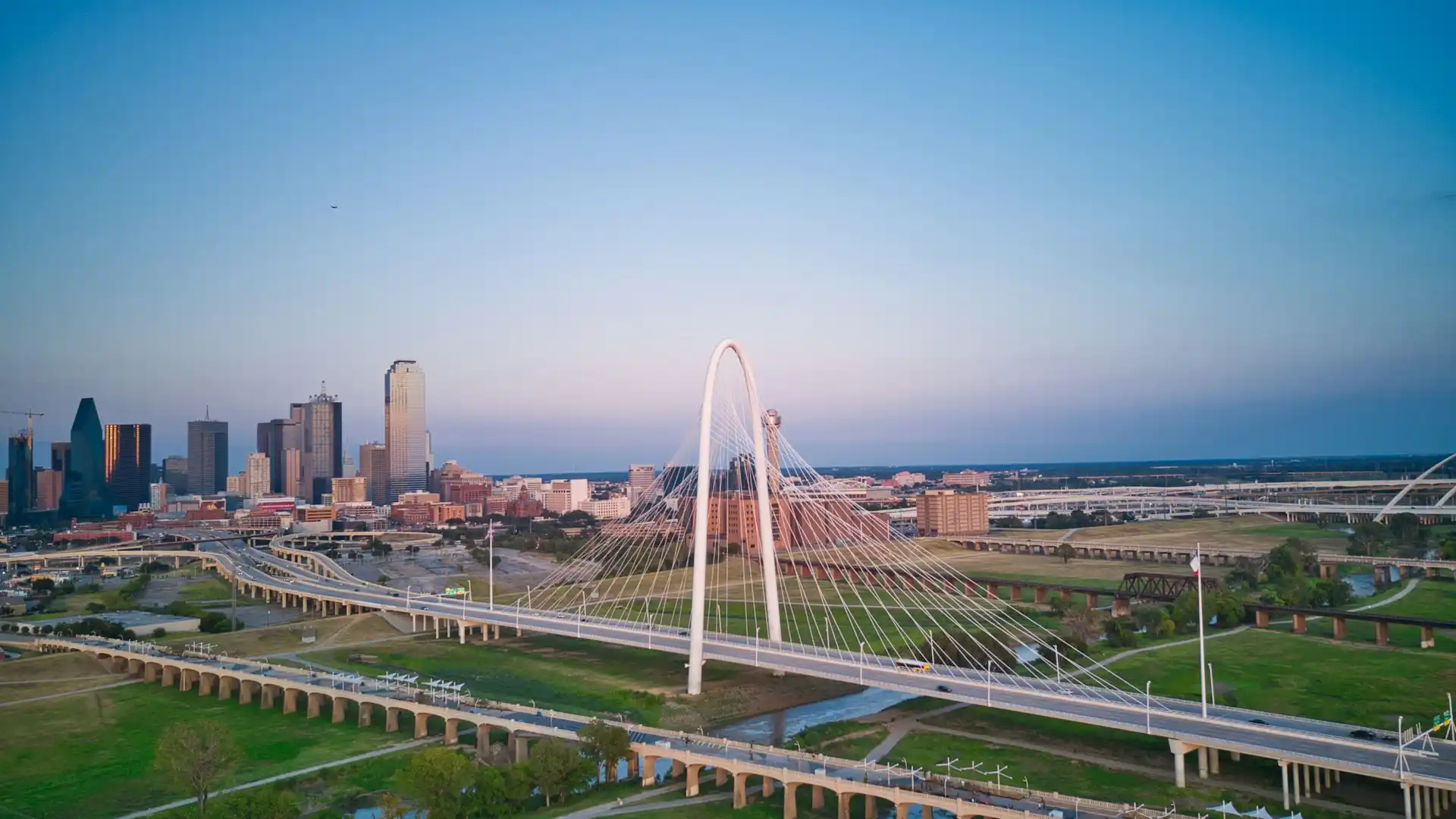
Cost: Free
Dallas gives you one of the most recognizable skylines in the state. Blue hour is the ideal time because building lights begin turning on while the sky still holds color.
I almost never shoot the skyline straight on. Instead, I look for bridges, roads, or water reflections that create depth. Skyline photography becomes stronger when you give the viewer a path into the image.
20. Austin Skyline & Lady Bird Lake
Cost: Free
Austin works best because the lake acts as a natural foreground. The reflections create extra depth and the city lights become more dramatic after sunset.
If the water is calm, shoot low and keep some shoreline in the frame instead of cropping everything out. Reflections often become more important than the buildings themselves.
If you’re building a full Austin itinerary around the photography trip, our guide to things to do in Austin Texas covers the city beyond Lady Bird Lake in detail.
22. San Antonio River Walk
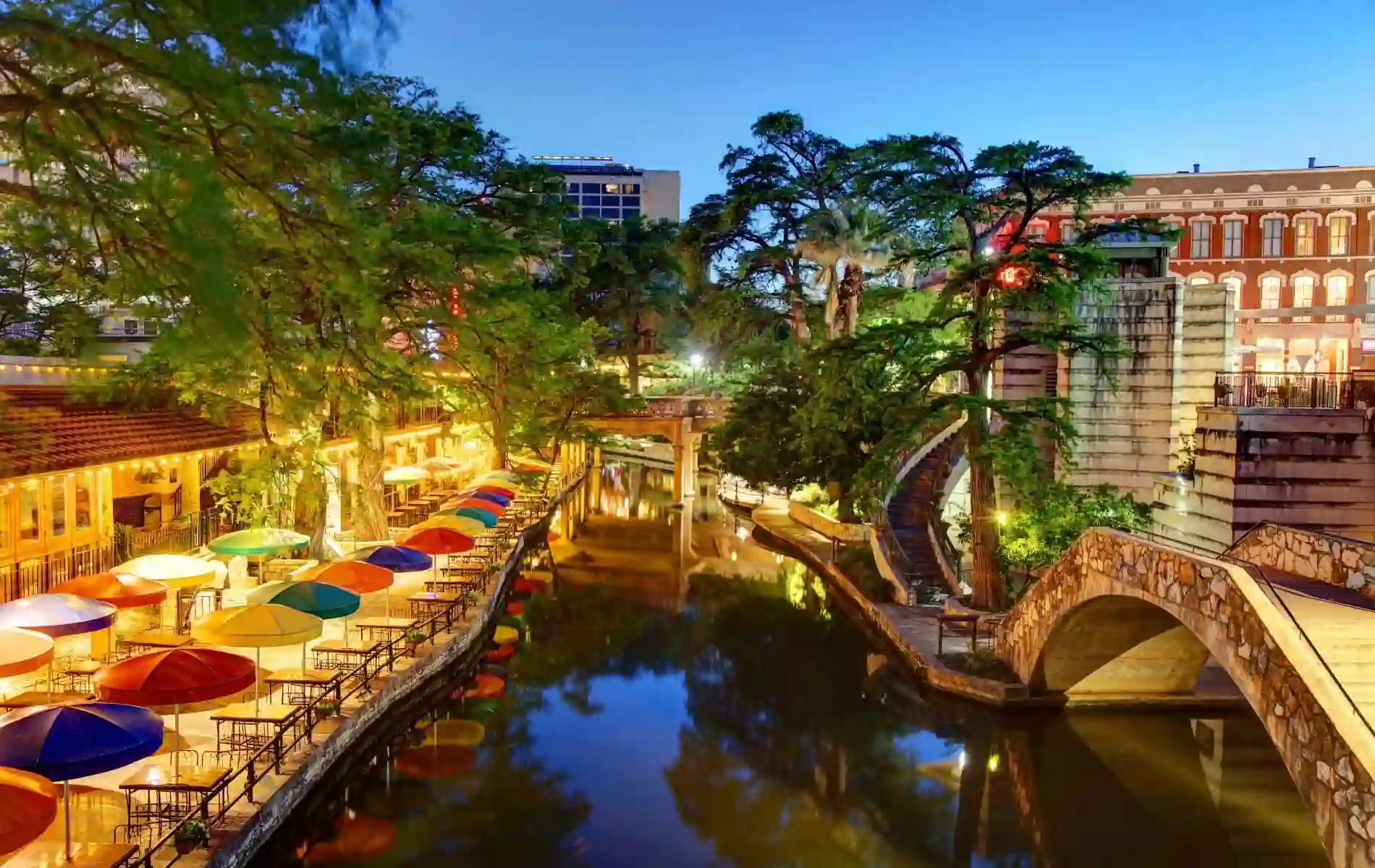
Cost: Free
The River Walk feels completely different from traditional skyline photography. Historic architecture mixed with water and bridges creates layers throughout the frame.
Early morning is usually better than late afternoon because crowds thin out and softer light reaches the walkways. If you’re building a photography itinerary, this easily belongs among the top Texas photography spots because it gives you a completely different visual style from beaches, mountains, or desert landscapes.
22. East Texas & Lakes
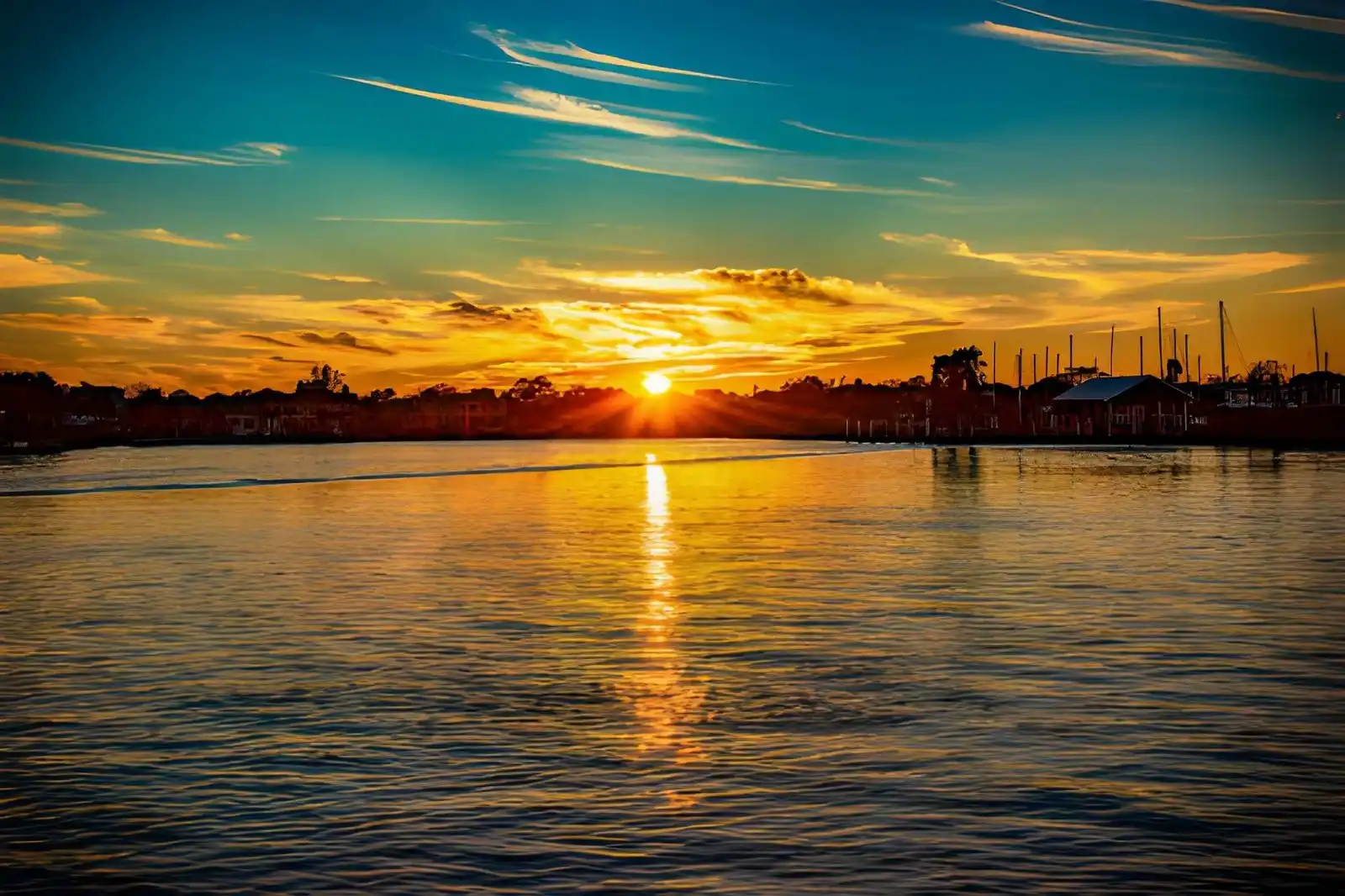
The first time I drove into East Texas after spending days in Big Bend, the shift felt almost disorienting. Pine forests replaced open desert, humidity was suddenly real, and water started appearing around every bend. I had underestimated this region completely. Reflections become part of almost every frame here, which changes how you approach compositions compared to anywhere else in the state.
23. Caddo Lake
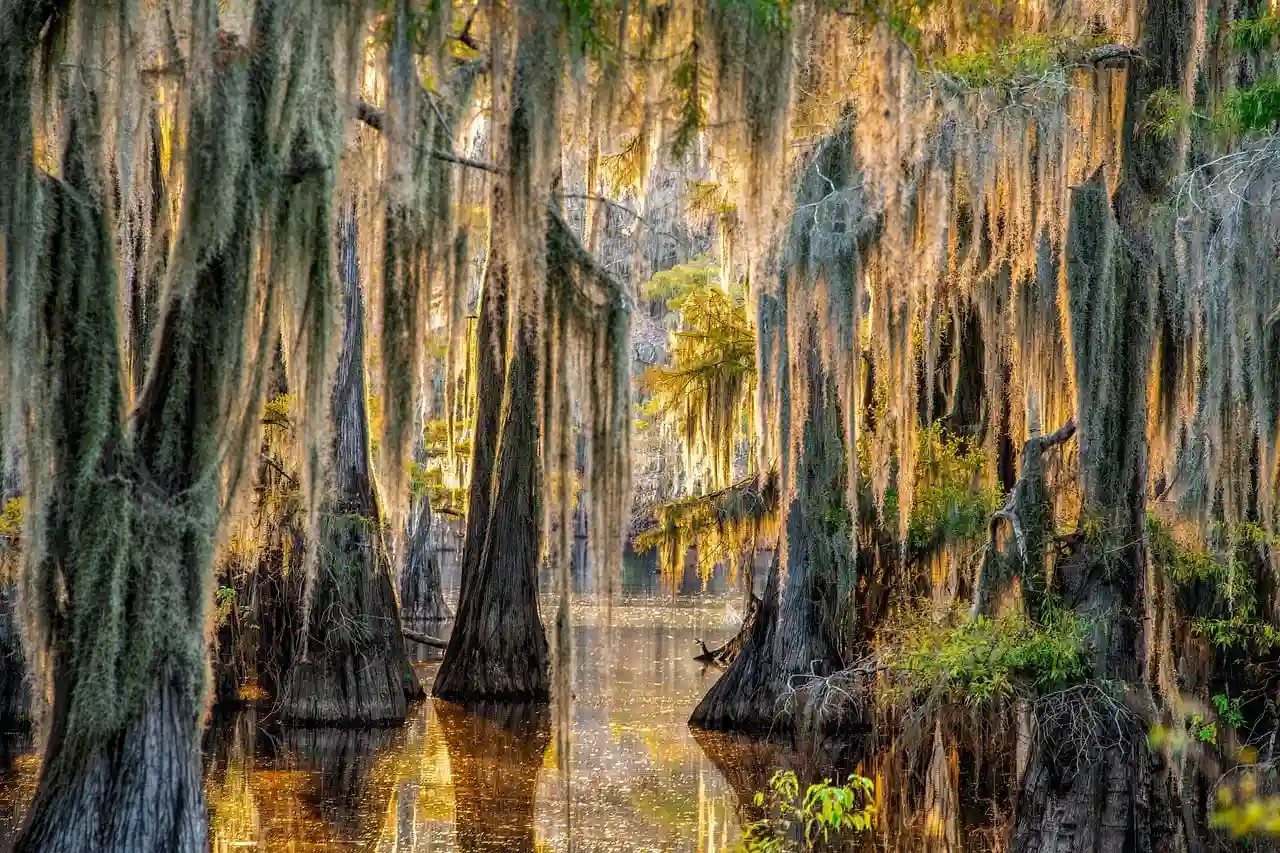
Cost: State park entry about $4–6 per adult; additional kayak or boat rentals extra
Caddo Lake feels almost unreal the first time you see it. Bald cypress trees rise directly from dark water while Spanish moss hangs from branches above you. The lake contains one of the largest cypress forests in the world and photographers often describe it as atmospheric or dreamlike. East Texas in autumn is one of the most underrated photography seasons in the state — our Texas in fall guide covers foliage timing, festivals, and the best driving routes through the Piney Woods region. Calm mornings create mirror-like reflections that completely transform the scene.
I get out before sunrise instead of waiting for sunset. Early morning fog drifting through the trees creates depth that disappears later in the day. The strongest compositions usually come from boats or kayaks where narrow channels naturally guide the viewer’s eye through the frame.
24. Lake Tyler
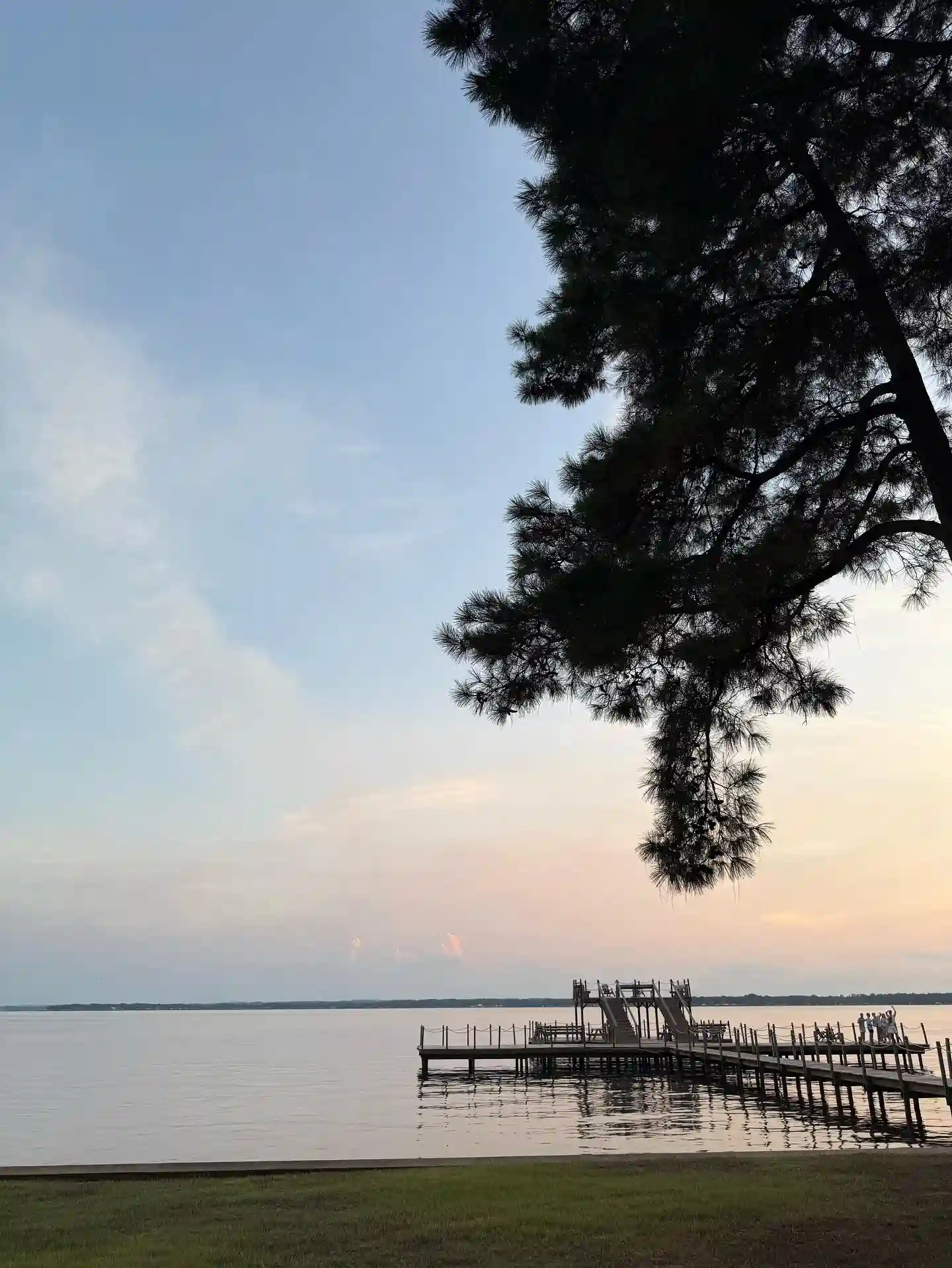
Cost: Public access areas are generally free; some parks and marinas may charge day-use fees
Lake Tyler works differently from Caddo because it gives you cleaner compositions. Instead of dense swamps and texture everywhere, you get open water, tree-lined shores, and soft evening light.
I like shooting low near the shoreline and using overhanging branches as a frame. During calm evenings the lake turns almost perfectly reflective. This becomes one of the easier places for photographers who want symmetry and cleaner landscape images without navigating boats through narrow bayous.
25. Piney Woods Scenic Drives
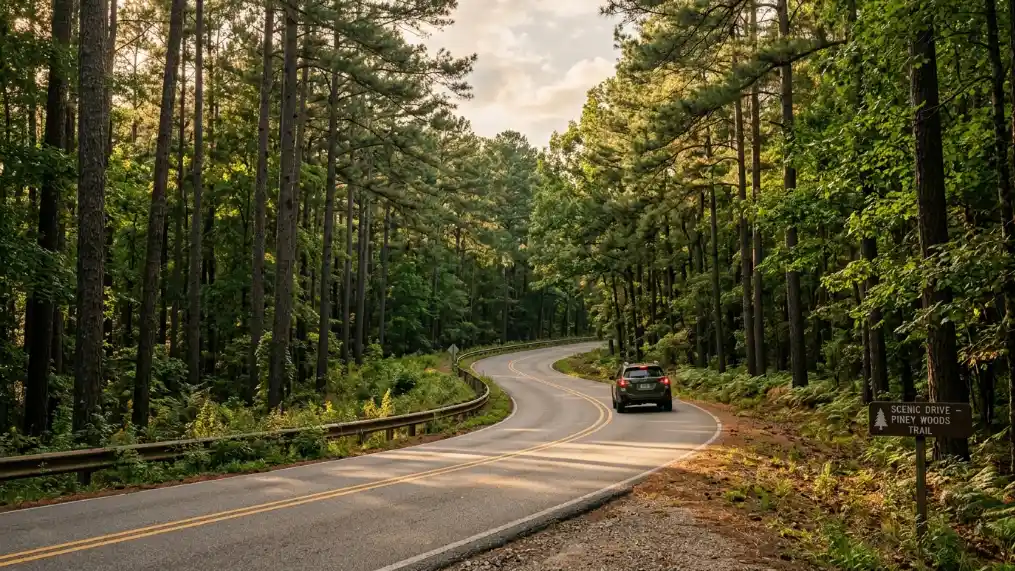
Cost: Free
The Piney Woods region can surprise people because many of the strongest photographs are found between destinations rather than at them. During autumn and early spring, back roads become some of the most overlooked scenic places in Texas.
Drive slowly, especially in the early morning light. Mist hanging between trees can create layers that make simple roads feel cinematic.
Texas Photography Tips
- Shoot during golden hour as it creates softer light, richer colors, and fewer harsh shadows.
- Always include a foreground like flowers, rocks, roads, trees, or water in the front of the frame to create depth.
- Use leading lines, such as roads, fences, rivers, bridges, and trails to naturally guide the viewer’s eye through the image.
- Some of the best color appears 15–30 minutes after sunset when many people have already left.
- Don’t shoot every photo at eye level. Get low, climb higher, or shift your angle to create stronger compositions.
- Shoot multiple versions of the same scene. Capture wide shots, tighter zooms, and vertical frames so you have more options later.
Wrap Up
That’s all you need to know about the beautiful places in Texas to take pictures. From the natural parks to hiking trails, there are a lot of places that can leave you mesmerized. Make sure you visit the natural places at sunrise or sunset to capture the beautiful scenes. For a complete overview of everything Texas has to offer beyond photography, our ultimate Texas travel guide covers regions, seasons, and planning from start to finish.
Frequently Asked Questions
Where to take pictures in Texas?
Texas has photo spots for every style. Big Bend is great for desert views, Texas Hill Country is known for wildflowers and rolling hills, and cities like Austin and Dallas work well for skylines. The Gulf Coast is ideal for beaches and sunset photography.
What is the prettiest place in Texas?
Big Bend National Park is often considered the prettiest place in Texas because of its mountains, canyons, desert scenery, and dark skies. Many travelers also love Texas Hill Country for spring wildflowers and Caddo Lake for its unique swamp landscapes.
What are the top 3 attractions in Texas?
The Alamo, Big Bend National Park, and Space Center Houston are among the top attractions in Texas. They offer a mix of history, outdoor adventure, and science experiences that attract visitors from around the world.
What city in Texas is the most beautiful?
San Antonio is often seen as one of the most beautiful Texas cities because of the River Walk, historic buildings, and cultural atmosphere. Austin is also a favorite for its lakes, skyline views, and outdoor spaces.
Which part of Texas is good to visit?
The best area depends on your interests. Hill Country is great for wineries and scenery, West Texas offers desert landscapes, the Gulf Coast has beaches, and East Texas is known for forests and lakes.
What are the big 4 cities in Texas?
The Big Four cities in Texas are Houston, San Antonio, Dallas, and Austin. These are the state’s largest and most well-known cities for business, culture, food, and tourism.
Do I need professional camera equipment to photograph Texas?
No, many of these locations photograph well with a smartphone, especially during golden hour when the light does most of the work. For astrophotography at Big Bend or McDonald Observatory, a DSLR or mirrorless camera with a wide-angle lens (14–24mm) and manual mode is strongly recommended. For wildlife at Caprock Canyons, a telephoto lens of 200mm or longer makes a significant difference.

Recent Posts
 Guided River Tours and Fishing Charters: From Fish to Rapids
- Texas Hill Country Wildflowers: Where & When to See Blooms (2026 Updated)
- 10 Hotels to Avoid in Las Vegas in 2026 (And Why Guests Keep Complaining)
- 25 Most Beautiful Places in Texas to Take Pictures
- The Ultimate Texas in Summer Travel Guide: Best Places to Visit in 2026