How Can I Become a Travel Blogger? A Step-by-Step Guide for Beginners

Have you ever scrolled through stunning travel photos and wondered, could I do that too? The good news is that becoming a travel blogger is more achievable than ever. You don’t need to be a professional writer, photographer, or social media influencer to get started. What you do need is a passion for travel, a willingness to learn, and the commitment to share valuable experiences with others.
If you dream of documenting weekend getaways, international adventures, or hidden gems in your hometown, a travel blog can help you build an audience and even create new income opportunities.
In this step-by-step guide, you’ll learn exactly “How Can I Become a Travel Blogger”, grow your travel blog and readership, and turn your travel stories into a successful online brand.
Here’s a quick overview of the full journey from starting a travel blog to earning from it:
| Step | What to Do | Time Required |
|---|---|---|
| 1 | Define your niche and blogging intentions | 1–2 days |
| 2 | Choose your blog name and register domain | 1 day |
| 3 | Set up hosting and install WordPress | 1–2 days |
| 4 | Design your website and add key pages | 3–5 days |
| 5 | Publish your first 5–10 posts | 2–4 weeks |
| 6 | Set up social media profiles | 1–2 days |
| 7 | Learn basic SEO and optimize your content | Ongoing |
| 8 | Build your email list and start a newsletter | Month 2–3 |
| 9 | Apply for affiliate programs and partnerships | Month 3–6 |
| 10 | Track analytics and improve underperforming content | Ongoing |
Want to be a Travel Blogger? Here’s What You Need to Know
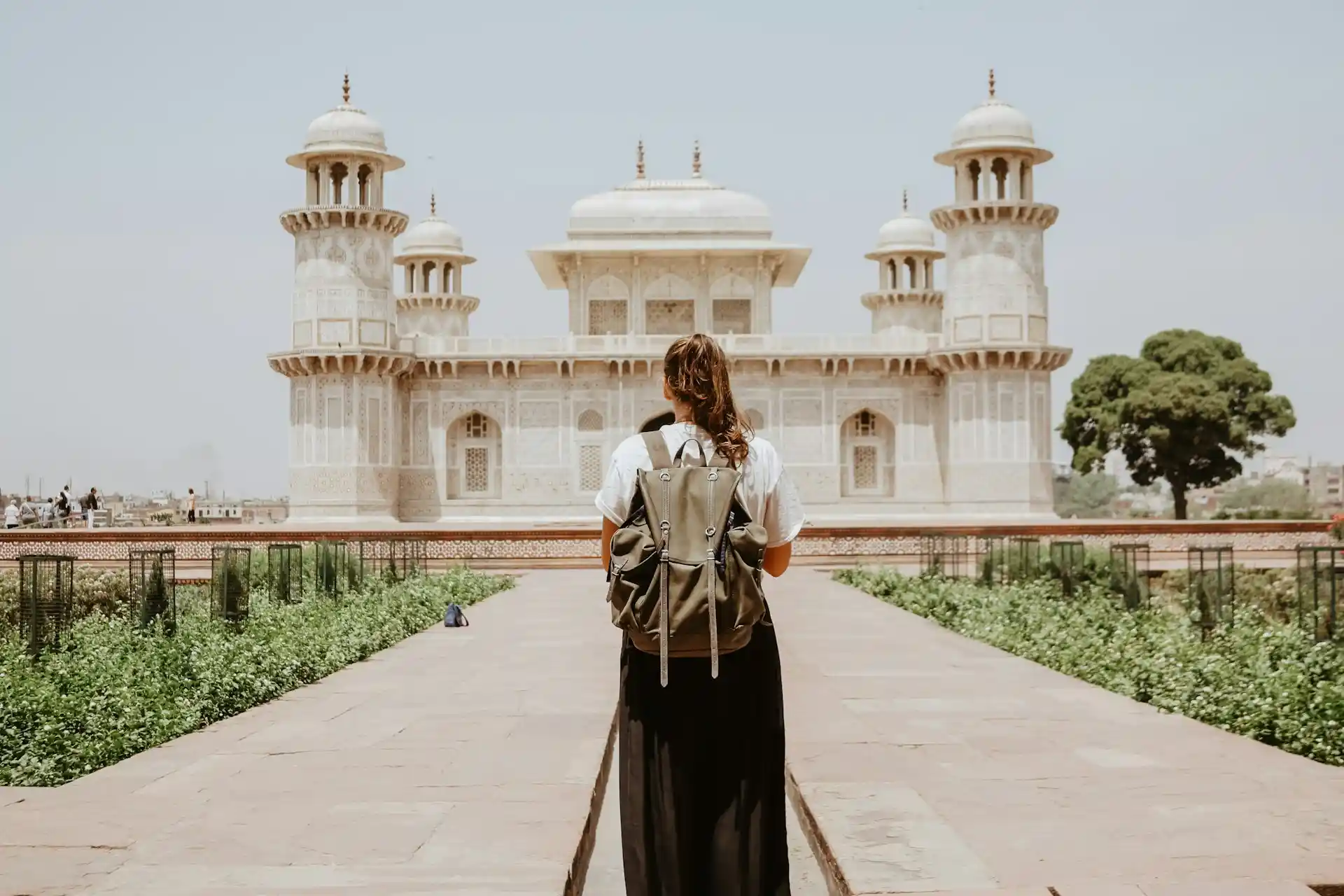
While starting out, there are many things you have to understand to avoid pitfalls. Here are some travel blogging tips to help you out:
- Travel blogging is a long-term dedication that requires consistency and patience.
- Building an audience takes time, most travel blogs need 12 to 18 months of consistent publishing before seeing meaningful organic traffic. Many people quit too early, even when they’re producing genuinely good content.
- You need to be a great writer and have great skills in storytelling to become a successful travel blogger.
- Having SEO knowledge can help you earn some traffic.
- Social Media can help you expand your audience and help people discover your blog.
- Travel blogging requires a ton of time and dedication. Luckily, blogging and creating online content is fun!
- Blogs earn money once they have an established audience.
- Write your blog for your audience and create valuable content.
Find Your Travel Blog Niche Before You Start

You need to be passionate about the travel content you are creating. Having an established travel niche can help you bring an audience to your blog. It can also help you create content you love and want to share.
Budget Travel
Though people have varying budgets and reasons for wanting to save money while traveling, it is a popular travel blog niche. People search for advice on travel accommodations, affordable flight tips, transportation recommendations, and ways to save money while traveling. Because this niche has a big audience, there is lots of money-making potential for you.
Luxury Travel
Luxury travel is all about fine dining, five-star stays, and personalized service on expensive, exclusive trips. People who travel this way plan their trips with lots of travel blog recommendations. Because this is an expensive way to travel, your blog is more likely to get you hotel brand partnerships and blogs in your inbox.
Solo Travel
Traveling alone is daunting for lots of people, but confident and safe solo travel blogs draw in huge audiences and lots of money. This niche is one of the most popular blogs for good reason. Travel blogs in this niche usually include lots of destination guides and tips for safety and planning for those traveling alone. For an example of what strong solo travel content looks like in practice, our solo travel in Texas guide covers safety, logistics, and destination planning from a solo traveler’s perspective.
Family Travel
Traveling as a family offers a completely different trip experience than adult only travel. You can plan travel blogs to travel with your family and draw in your audience. Many families travel a lot even during the school year.
Adventure Travel
Adventure travel is one of the most engaging and story-rich travel blog niches, built around experiences that naturally generate compelling content – hikes, wildlife encounters, extreme terrain, and the kind of moments readers wish they were having themselves. Content that captures extraordinary experiences naturally performs well in this niche, our roundup of places that don’t feel real is an example of the kind of aspirational content adventure travel audiences respond to.”
Cultural Travel
Lasting connections to a community can be built through an understanding of their local traditions, history, heritage, festivals and of course, their cuisine. Many of your travel blog’s potential visitors want experiences that integrate them locally. Creating unique travel content will allow your readers to appreciate destinations from a more meaningful and deeper perspective.
Food Travel
Traveling to experience new cuisines and culinary discoveries is an underappreciated side of food travel. Many people will even do a little research on recommended local restaurants, must-try dishes, and food markets before deciding where to travel to. This is a very content-rich and flavorful travel blog niche.
Now that you have picked a travel niche for your blog, let’s get to the main part: how to create my travel blog.
Create Your Travel Blog the Right Way
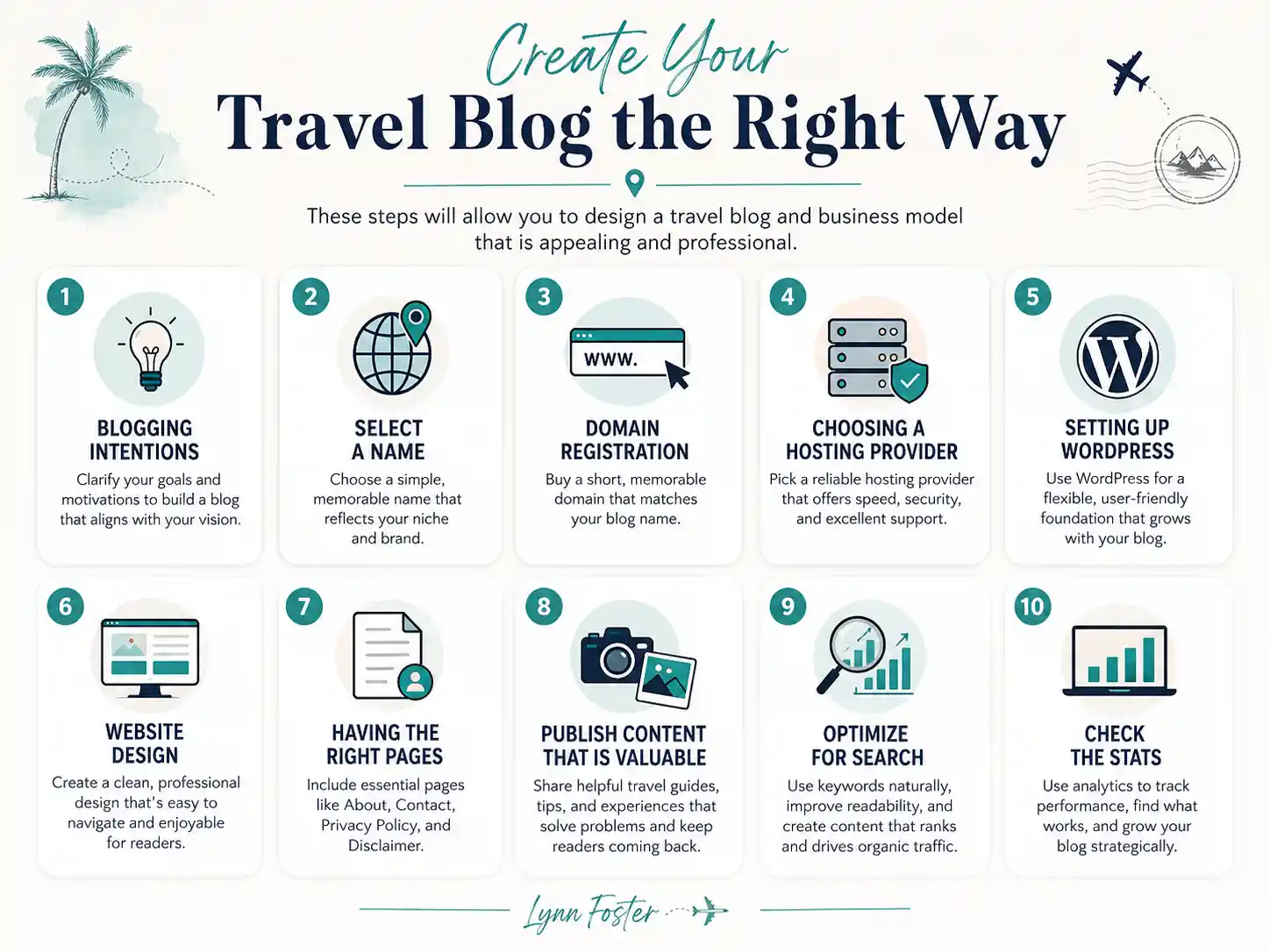
These steps will allow you to design a travel blog and business model that is appealing and professional.
1. Blogging Intentions
The first step to becoming a successful travel blogger is understanding your own intentions. Do you want to monetize this blog, generate a following and community, or has travel blogging become the new passion of your travels? Having an understanding of your motivations will help you structure a blog and plans that will help you gain the community you desire to support.
2. Select a Name
Your travel blog’s motivation and niche can be represented in its title. An appealing title can instantly make your blog memorable. Focus on simplicity, common spellings, travel relevance, and consistency.
3. Domain Registration
Buy a domain that corresponds with your travel blog name. Custom domains improve the professional and credibility appearance of a travel blog. Short and memorable domains improve performance because it’s easy for visitors to remember them.
4. Choosing a Hosting Provider
Select a hosting provider that will offer fast performance and good support. User experience and the performance of your travel blog on search engines will be affected by the speed of a travel blog. Good hosting is a great investment to prevent issues that are technical for your blog as it grows.
5. Setting up WordPress
WordPress is the most popular platform for travel bloggers for good reason. It’s flexible, customizable, and supported by thousands of plugins that handle everything from SEO to photo galleries. For most beginners it’s the strongest starting point and the platform most professional travel blogs are built on.
6. Website Design
Travel blogs should have professional and easy to use designs. Visitors of a travel blog should be able to browse categories, view articles, and access pages easily. A good design encourages visitors to spend more time on a travel blog.
7. Having the Right Pages
You should have an About, Contact, Privacy policy, and a Disclaimer page. Having these pages shows good travel blogging practices and improves the trust travel blog visitors have. A complete travel blog is appealing for readers and potential partners.
8. Publish Content that is Valuable
Make and share the kind of travel content that answers questions and provides solutions. Blogs that feature travel guides, itineraries, or tips, as well as travel experiences, have the potential to attract many readers. The only way to increase the authority of your travel blog is to provide content on a regular basis. A good example of this type of content is our guide to planning the perfect Texas vacation — it answers specific traveler questions while covering seasons, budget, and destinations in one article.
9. Optimize for Search
Search engine optimization (SEO) is the best way for people to find and view your travel blog. Incorporate keywords within your travel blog organically. The best practice for search engine optimization is to improve the readability of your travel blog. Implementing strong optimization techniques improves your blog’s SEO rankings over time and drives consistent organic traffic without relying on social media algorithms.
Seasonal content is one of the strongest SEO strategies for travel bloggers. Our best time to visit Texas guide is an example of how timing-based content captures consistent search traffic throughout the year.
10. Check the Stats
Use analytics and search data for your travel blog and other platforms to gauge the performance of your postings. Use the traffic trends that your blog receives to determine which topics are the most appealing to your target audience. To increase the growth extension of your blog, analyze information and improve your content regularly.
Extend Your Travel Blogs Reach and Impact
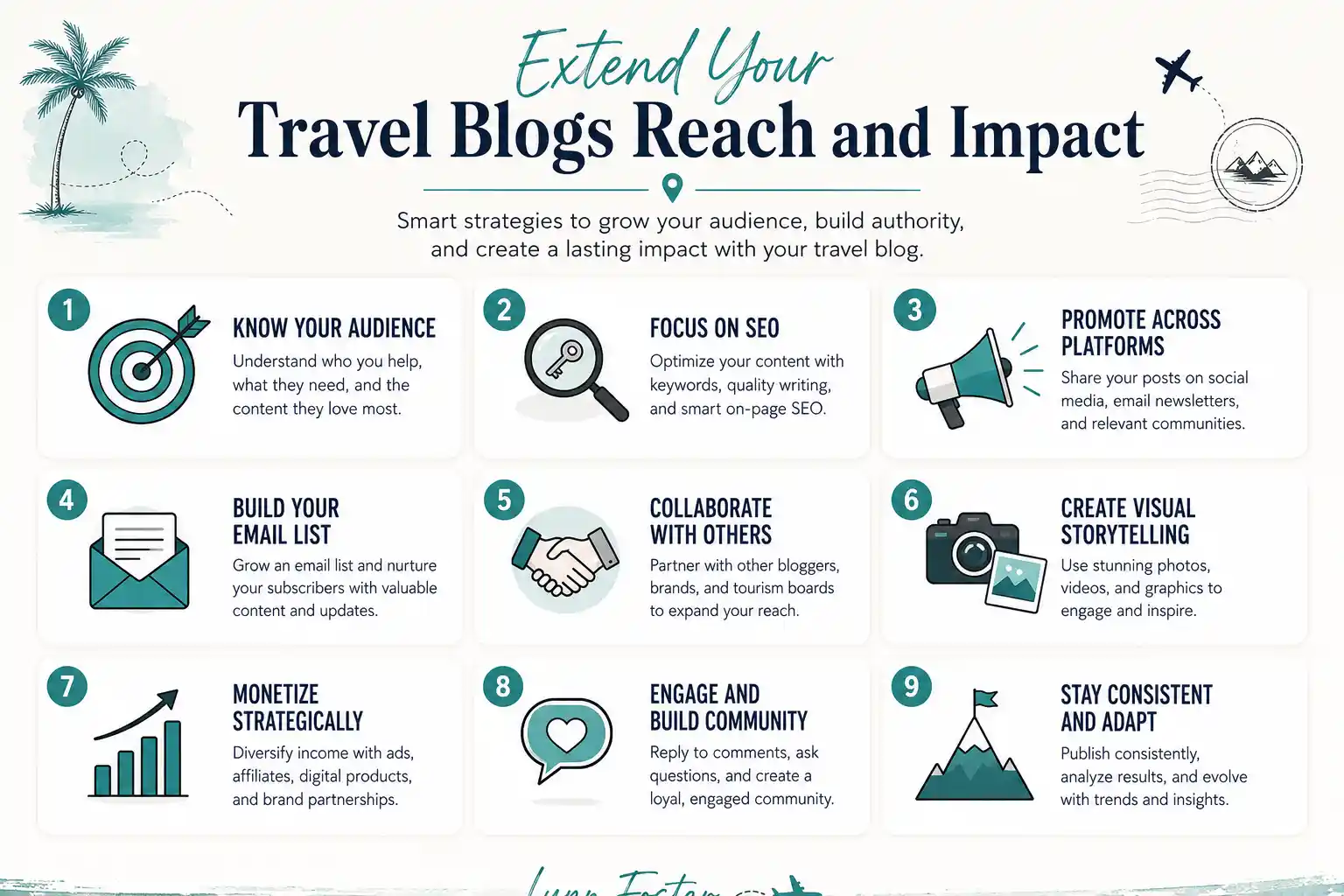
Creating a blog and publishing content is not enough. You need the right person to see and relate with your content. Besides this, you also need more people to see your content and get inspiration. Therefore, reaching people on multiple platforms is the best way to attract new audiences and new traffic to your travel blog.
Travel Blogging on Instagram
Travel bloggers can use the photos, stories, and videos on Instagram to show potential travel destinations. Travel inspirations are the most popular Instagram posts, so use Instagram to drive traffic to your blog. Destination-specific content like our things to do in Austin Texas guide performs well across both search and social, the kind of content that works on Instagram as visual inspiration and on Google as a planning resource.
The most important techniques for improving the visibility of your travel blog are regular postings and audience engagement.
Travel Blogging on YouTube
Travel bloggers can use YouTube to create long-form videos and travel content that is engaging. Travel videos and guides are the most popular forms of travel content on YouTube. Video content improves the trust of the audience and the extension of your travel blog brand.
Pinterest Traffic
Active users seek travel ideas and inspiration via Pinterest, a popular image search engine. Travel bloggers know scheduled pins can maintain a steady flow of traffic to their website long after they are published. Pinterest is widely used to advertise destination guides, itineraries, and travel planning tools.
Facebook Reach
Facebook is an excellent way to network and promote travel-related content. Travel bloggers can use pages and groups to personally communicate with followers of their travel blog. Participation can be used to promote travel blogs.
Email Marketing
Email Marketing is an efficient way to maintain relationships with followers. Subscribers enjoy reading travel-related updates, receiving travel tips, and being notified when new blog posts are published. A growing email list is an excellent long-term marketing tool that is not affected by fluctuations in marketing tools.
LinkedIn Presence
Travel Bloggers can use LinkedIn to connect with other travel industry professionals. Blogging travel-related tips and sharing personal experiences can create partnership opportunities. Maintaining a presence can also improve your travel credibility.
Travel Communities
There are many travel-related online networking communities. Participating in forums and offering advice can improve your credibility and grow your travel blog audience. The key to building long-lasting, authentic relationships is engagement.
Content Repurposing
Whenever you create a blog post, you should get the maximum value from it. Content repurposing achieves this. Blog articles can be converted to videos, social media posts, newsletter emails, or short-form content. This strategy reaches all the various audiences across travel blog content platforms while also helping to keep a blog publishing schedule.
How Travel Bloggers Make Money?
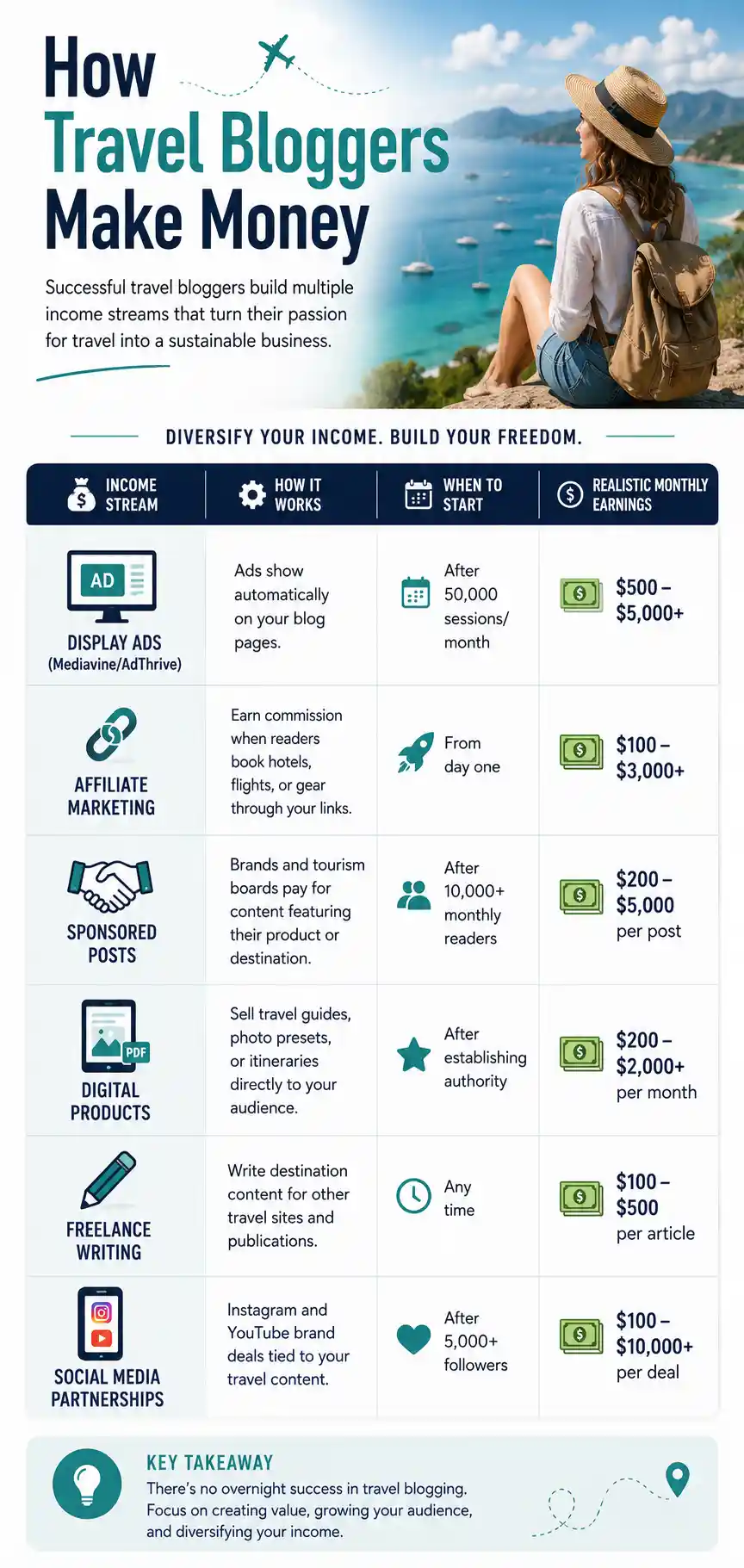
Many people see travel bloggers exploring tropical beaches, luxury resorts, and bucket-list destinations and wonder: how do they afford it all? The truth is that successful travel bloggers rarely rely on a single income source. Instead, they build multiple revenue streams that turn their passion for travel into a sustainable business.
One of the most common ways travel bloggers make money is through affiliate marketing, where they earn commissions when readers book hotels, flights, tours, or travel gear through their links. Sponsored partnerships are another major income source, with tourism boards, hotels, and brands paying creators to showcase destinations and experiences.
Many bloggers also generate revenue through display advertising, selling digital products such as travel guides and itineraries, offering freelance services, or creating content for social media platforms. Some even earn money through YouTube channels, photography sales, and online courses.
While travel blogging can look glamorous from the outside, building a profitable blog takes time, consistency, and quality content. The most successful travel bloggers treat their websites like businesses, focusing on audience growth, trust, and valuable travel advice that keeps readers coming back for more.
Here’s how a new travel blogger should approach building their income strategy:
| Income Stream | How It Works | When to Start | Realistic Monthly Earnings |
|---|---|---|---|
| Display Ads (Mediavine/AdThrive) | Ads show automatically on your blog pages | After 50,000 sessions/month | $500–$5,000+ |
| Affiliate Marketing | Earn commission when readers book hotels, flights, or gear through your links | From day one | $100–$3,000+ |
| Sponsored Posts | Brands and tourism boards pay for content featuring their product or destination | After 10,000+ monthly readers | $200–$5,000 per post |
| Digital Products | Sell travel guides, photo presets, or itineraries directly to your audience | After establishing authority | $200–$2,000/month |
| Freelance Writing | Write destination content for other travel sites and publications | Any time | $100–$500 per article |
| Social Media Partnerships | Instagram and YouTube brand deals tied to your travel content | After 5,000+ followers | $100–$10,000+ per deal |
Conclusion
That’s everything you need to start your travel blogging journey. Travel blogging rewards consistency more than talent; the bloggers who succeed are rarely the best writers or the most experienced travelers. They’re the ones who show up regularly, learn from their analytics, and keep improving their content over time.
Start with one niche, one platform, and one post per week. Build your audience slowly, learn basic SEO early, and treat your blog like a business from day one rather than waiting until it earns money. The gap between a hobby blog and a sustainable income source is almost always consistency and patience rather than skill.
For more travel guides and destination inspiration, explore our complete travel destinations collection on Touripia. If you’re looking for inspiration on how a comprehensive destination pillar page should be structured, our ultimate Texas travel guide is a strong example of hub-and-spoke content architecture in practice.
Frequently Asked Questions
What is a travel blogger?
A travel blogger is someone who shares travel experiences, tips, guides, photos, and recommendations online through a blog.
Do travel bloggers make money?
Yes, many travel bloggers earn money through;
Ads
Affiliate marketing
Sponsored partnerships
Selling travel products
Social media collaborations
Who is the best travel blogger in the world?
There’s no single best travel blogger because it depends on what you enjoy. Popular names include Nomadic Matt, The Blonde Abroad, and Expert Vagabond.
How do I start a travel blog?
Starting a travel blog is simple:
Choose a travel niche.
Pick a blog name and domain.
Set up a website.
Publish helpful travel content.
Learn basic SEO.
Promote your blog on social media.
Stay consistent and keep creating valuable content.
Is it easy to become a travel blogger?
Starting is easy, but succeeding takes work. You’ll need to create quality content, learn SEO, build an audience, and stay consistent.

Recent Posts
 Texas Hill Country Wildflowers: Where & When to See Blooms (2026 Updated)
- 10 Hotels to Avoid in Las Vegas in 2026 (And Why Guests Keep Complaining)
- 25 Most Beautiful Places in Texas to Take Pictures
- The Ultimate Texas in Summer Travel Guide: Best Places to Visit in 2026
- Things to Do in Fredericksburg Texas (2026): Hidden Gems + Local Favorites