What Are 2 Tourist Destinations in FSM You Must Visit?
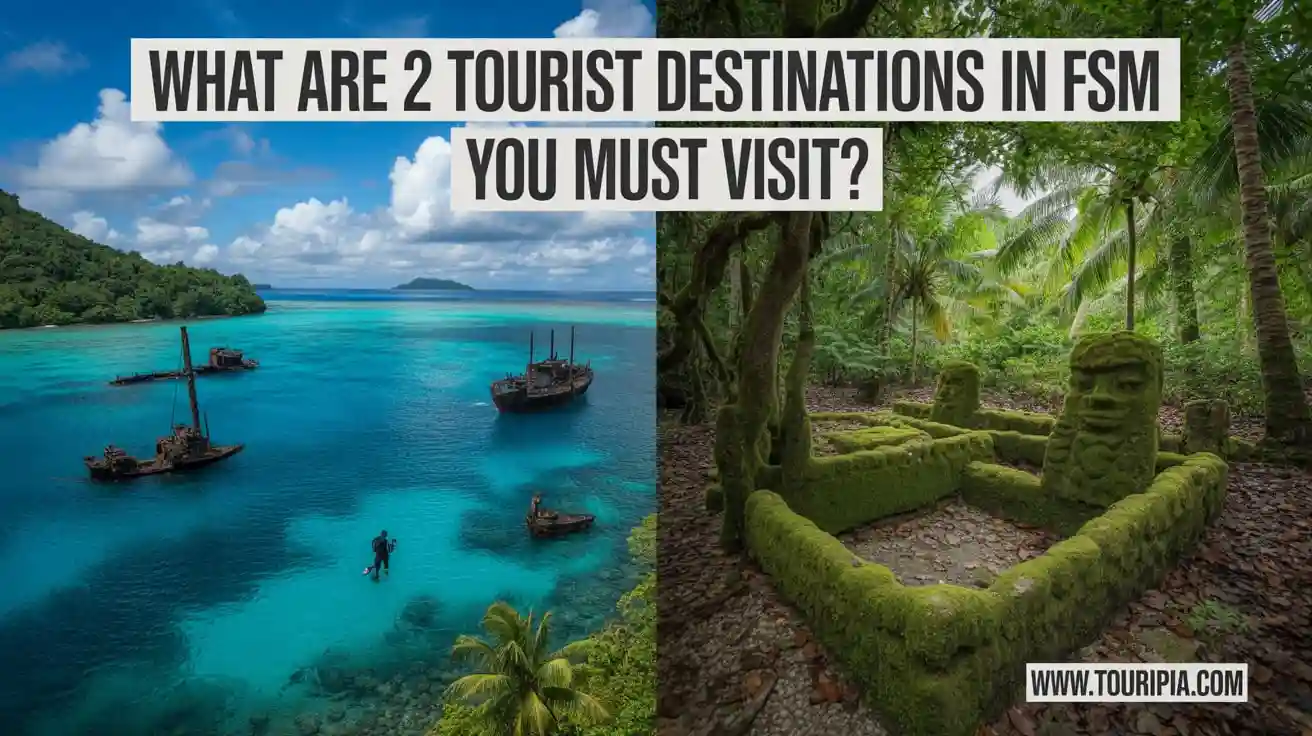
You probably don’t hear people casually ask, “Hey, what are 2 tourist destinations in FSM?” And maybe that’s exactly why this place feels so different. The Federated States of Micronesia isn’t your average vacation headline — no overfiltered Instagram hashtags, no tiki bars every ten feet. It’s raw. Quiet. Honest. Like a secret spot that somehow stayed off the grid.
The FSM — short for the Federated States of Micronesia — floats out in the far western Pacific, where nature still writes the rules and stories are sung, carved, and remembered. It’s made up of four main states: Yap, Chuuk, Pohnpei, and Kosrae. Each one is its own little world, with unique traditions, languages, and landscapes.
So if you’ve been wondering what are 2 tourist destinations in FSM that actually feel untouched and alive, you’re not alone. We’ll show you two that don’t just answer the question — they’ll probably make you rethink what a tropical escape can be.
Because when it comes to what are 2 tourist destinations in FSM worth flying across the ocean for… these aren’t just places, they’re something deeper.
Section 1: Understanding FSM – A Pacific Paradise
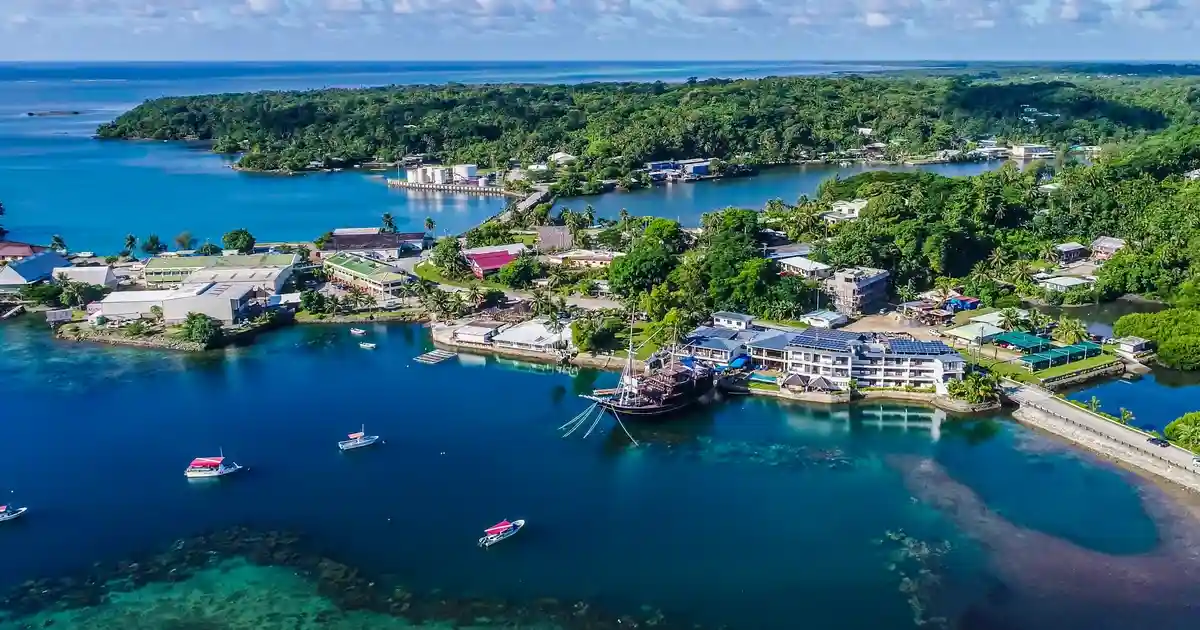
So… where exactly is FSM?
Micronesia’s not a single island — it’s a scattering of over 600 small islands, and FSM (Federated States of Micronesia) makes up just a part of it. If you trace a finger along the western edge of the Pacific Ocean, somewhere between the Philippines and Hawaii, you’ll find it.
Spread across nearly a million square miles of ocean, the islands themselves only take up a tiny fraction of that. It’s isolated in the most beautiful way.
Each of the four states — Yap, Chuuk, Pohnpei, and Kosrae — has its own culture, language, and even distinct land use patterns. Think volcanic peaks, coral atolls, thick jungle, and hidden waterfalls. Some areas feel like scenes lifted out of an untouched Earth… like the kind of place where time stopped a long while ago.
Why do travelers end up here?
Well, not a ton do. But the ones who come, stay longer than they planned. The coral reefs are vibrant, the marine life’s unlike anywhere else, and the sense of community is deeply rooted in hospitality and storytelling. It’s also one of those few places where subsistence farming is still alive — taro, breadfruit, and coconut are part of daily life, not a trend.
There’s rich World War II history buried here too, especially in Chuuk. And the Compact of Free Association with the U.S. makes travel a bit easier for Americans. So if you’re the kind of traveler who likes going where few others have… you’re in the right zone.
Getting There & Around
Most travelers fly into FSM via Guam or Hawaii, often landing at Pohnpei International Airport. United Airlines runs the famous Island Hopper route, connecting various islands (and yes, the name’s oddly charming). You’ll also want to brush up on TSA checkpoint procedures — not because it’s complicated, but because regional airport infrastructure can vary. Oh, and pack light. Inter-island flights have tight baggage limits.
As for when to go? The dry season (roughly December to April) is your best bet. Wet season can be, well… really wet. Plus, during El Niño years, sea surface temperatures can shift drastically — impacting diving visibility, and sometimes flight schedules.
Destination 1 – Chuuk Lagoon: A Sunken Time Capsule
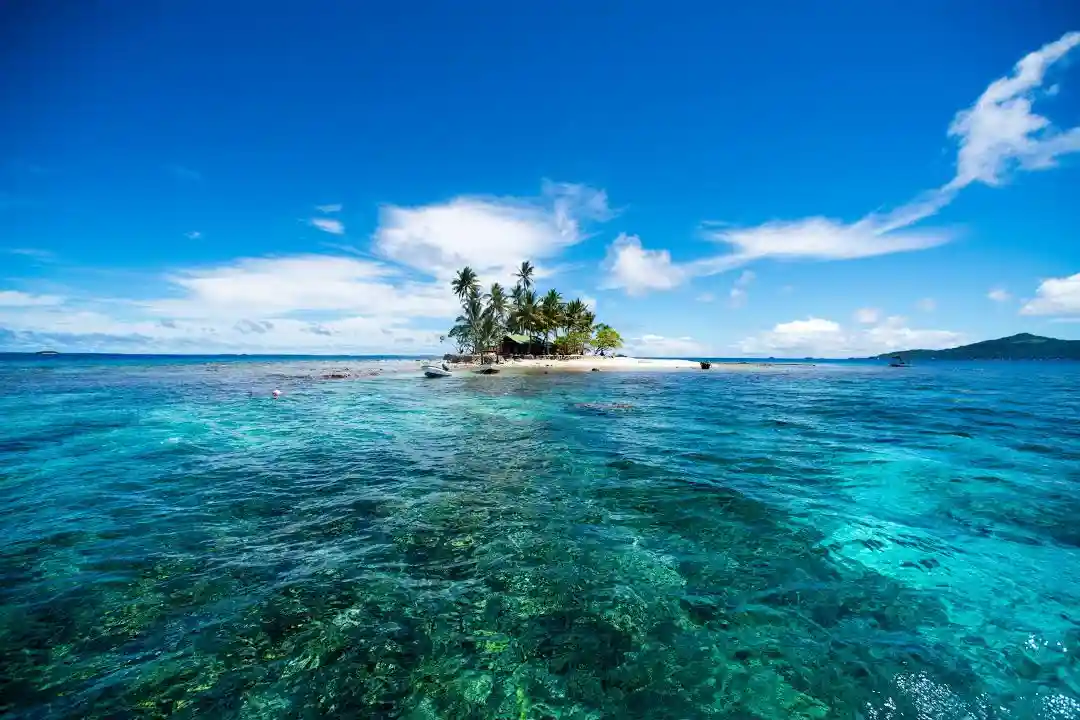
You wouldn’t guess it at first glance, but under the calm turquoise waters of Chuuk Lagoon lies one of the largest underwater shipwreck graveyards in the world. And no, that’s not an exaggeration. It’s eerie, beautiful, and bizarre all at once.
Formerly known as Truk Lagoon, this spot in Chuuk State carries the remnants of World War II like no other. Over 60 Japanese warships and hundreds of aircrafts rest below the surface — all sunk during Operation Hailstone in 1944.
Back then, the U.S. launched a surprise naval and air assault on what was then Japan’s Pacific stronghold. Today, divers come from all over the world just to float quietly over rusted tanks, half-buried torpedoes, and coral-covered helmets.
The Diving Experience
If you’ve ever wanted to feel like you’re swimming through a real-time history documentary… this is it.
The Fujikawa Maru is one of the most popular wrecks — it still holds fighter planes in its cargo hold. There’s also the Shinkoku Maru, where soft corals drape over once-lethal weapons, and the Heian Maru, a submarine tender with hauntingly preserved artifacts.
Even if you’re not a seasoned diver, local guides are incredibly experienced. They offer training and gear rental for all levels. Just make sure you’re certified — most wreck dives go deep. Also, consider travel insurance that includes medical evacuation. FSM’s hospitals may not be fully equipped for complex dive-related injuries.
More Than Just Wrecks
Not into diving? Chuuk still offers more. You can island-hop to places like Etten or Tonowas Island. These are perfect for slow, barefoot walks through traditional Micronesian villages, where kids play by the water and elders still share stories under breadfruit trees.
Local food is simple but good — lots of reef fish, coconut-based dishes, and taro. Sometimes you’ll stumble into a community event, like a dance performance or night market. Nothing fancy, just honest local life.
Chuuk Lagoon – Where to Stay, What to Know, and How to Get There
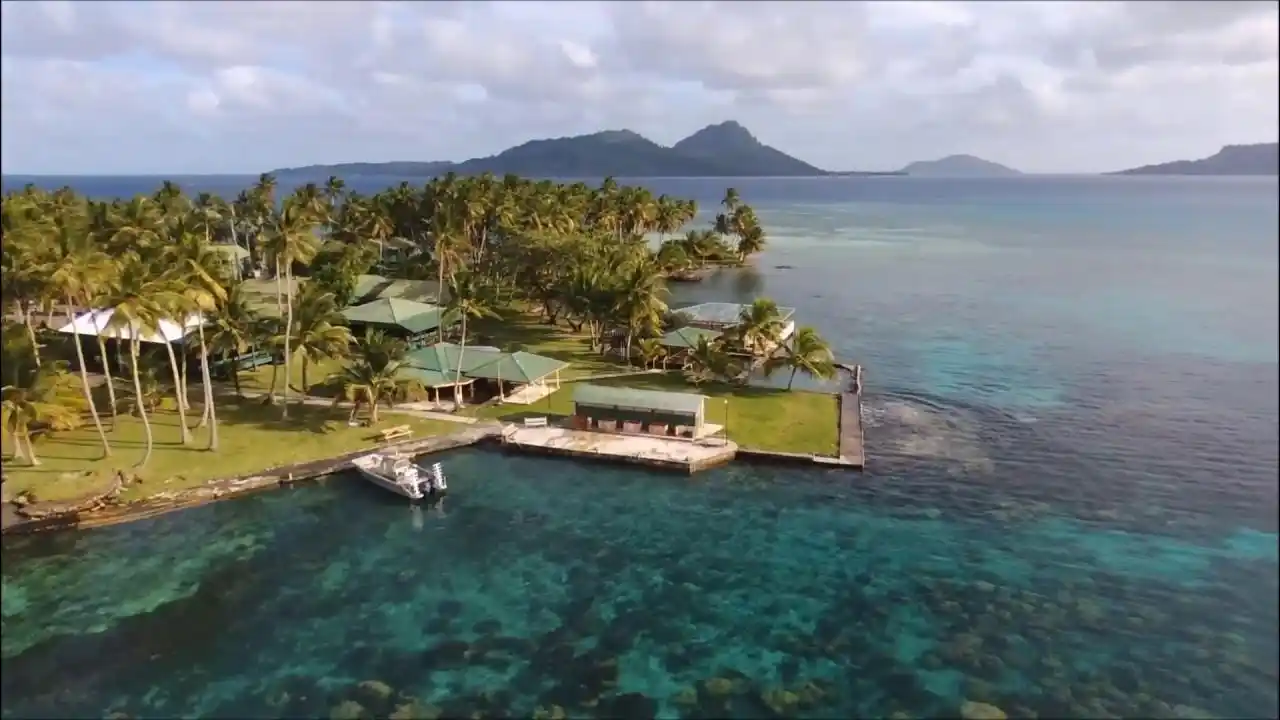
For a place this remote, Chuuk actually has a few solid places to stay — especially if you’re here to dive. Most of them are low-key eco-resorts or dive lodges. Nothing too flashy, but the views? Unreal.
Popular Options:
| Lodge/Hotel | Highlights |
|---|---|
| Blue Lagoon Resort | Right on the water, boat access to dive sites, in-house dive shop. |
| Truk Stop Hotel | Central location, dive packages, local restaurant with ocean views. |
| Treelodge Resort | More secluded, surrounded by greenery, cozy cabins. |
These places often arrange everything for you — airport pickup, dive trips, gear rental. And that helps a lot, because transportation here isn’t exactly intuitive.
To get to Chuuk, most travelers fly via Guam or Pohnpei. Flights are usually operated by United Airlines as part of the Island Hopper route. Make sure to double-check flight schedules and security information, especially around the TSA checkpoint at Pohnpei International Airport or Fort Smith Regional Airport (if flying through there). Delays can happen. Just… be patient.
Pro tip: If you’re island-hopping or arriving from outside the U.S., check if your Canadian passport or visa status allows entry under the Compact of Free Association. Americans generally don’t need a visa, but it’s still smart to check.
Local Tips & What You Need to Know
- Cultural Etiquette: Dress modestly. Even at the beach, locals appreciate it if visitors keep it respectful. Always ask before photographing people or ceremonies.
- Health Issues: FSM has had outbreaks of diseases like Hepatitis A, TB bacteria, Zika Virus, and other insect-borne illnesses. Definitely pack insect repellent, and maybe even a bed net if you plan to stay in village areas. Some travelers also bring water filters or water treatment tablets, especially during the rainy season.
- Medical Prep: Medical services are limited. So yes, you should have medical evacuation insurance — especially if you’re diving. The nearest hyperbaric chamber might be a flight away.
- Pack Light, But Smart: Reef-safe sunscreen, water shoes, motion sickness tablets (the ocean can be choppy), and a dry bag for your camera or phone.
Chuuk is quiet, mysterious, and very real. If you’re looking to unplug from everything — even your expectations — this might just be the place.
Destination 2 – Pohnpei Island: Where Myths Meet Mountains
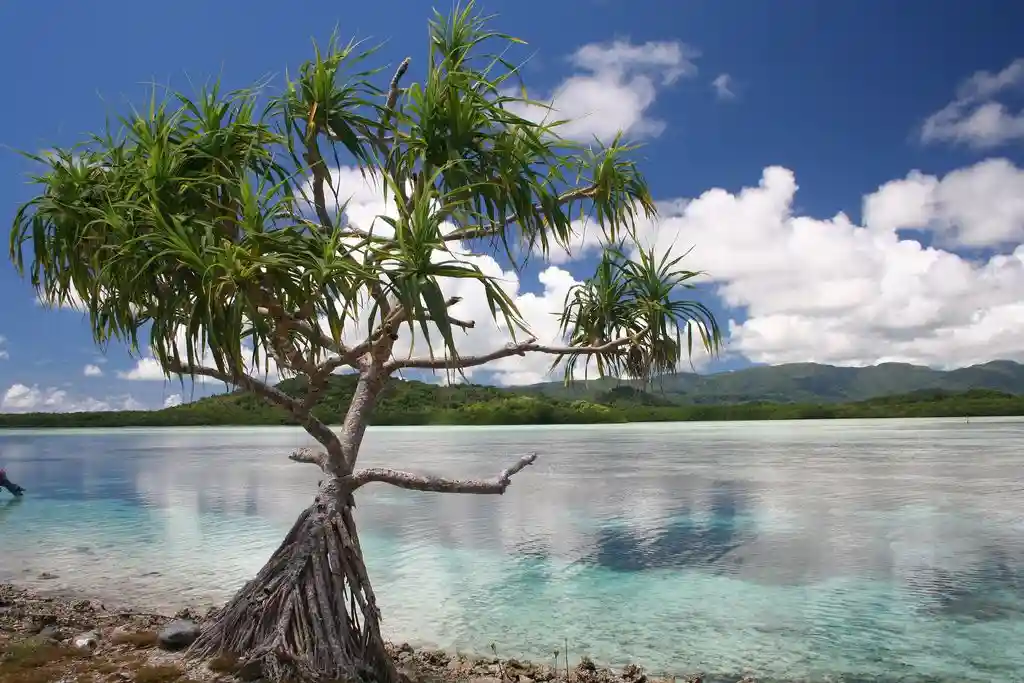
Pohnpei doesn’t ease you in. It hits you all at once — with misty mountains, thick forests, and a kind of ancient energy you feel in your chest more than your feet.
It’s the most developed of FSM’s four states and home to the capital city, Palikir. But don’t let that fool you. Nature still runs the show here.
There’s this one moment I still think about… paddling a kayak through tangled mangroves near Dausokele Bay while it rained. Just barely. Everything was green. Wet. Alive. And the only sound — apart from my paddle — was the calls of fruit bats overhead.
What makes Pohnpei special?
It’s a blend of raw nature, rich tradition, and one of the most puzzling archeological sites in the Pacific: Nan Madol.
Nan Madol: The Venice of the Pacific, or a Pacific Atlantis?
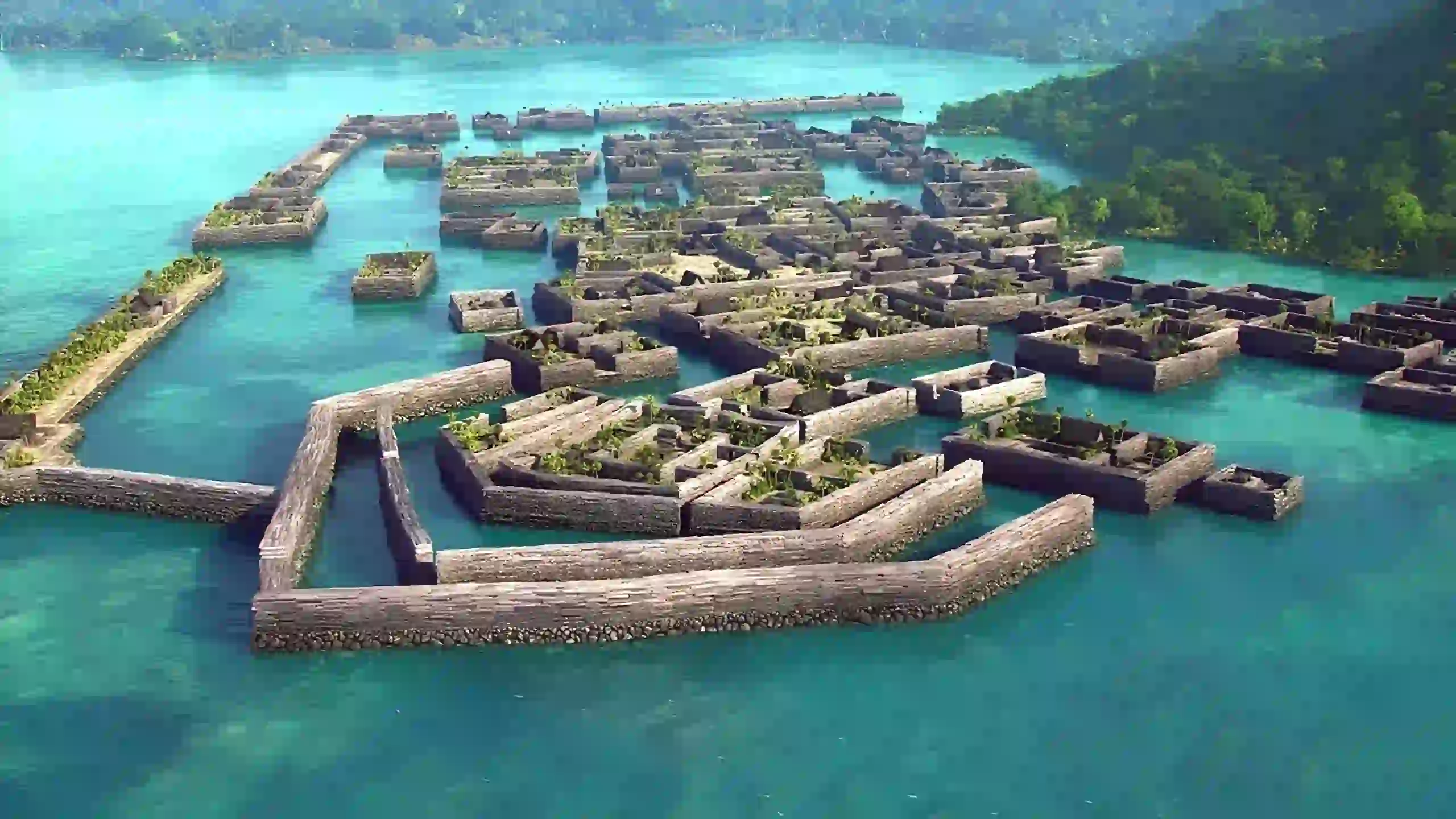
This place messes with your sense of time.
Nan Madol is made up of nearly 100 artificial islets — all built from massive basalt stones, stacked into walls and canals, right over the reef. No cement.
Just pure human will. It’s a UNESCO World Heritage Site now, but to locals, it’s still sacred ground. Some say it was once a center for rituals, politics, and elite burials. Others believe it’s tied to lost civilizations or even ancient giants. No one knows exactly how it was built… which only makes it more captivating.
Visiting Nan Madol:
- Located on the southeastern side of Pohnpei, near Lelu Island.
- Best accessed by boat or a short hike through muddy mangrove paths.
- Entry fees support local maintenance — bring cash.
- Local guides are worth it. They share stories, not just facts.
If you’re into ancient mysteries or anything even slightly mythical, this should be on your list of places to visit in Micronesia. Honestly, it might be the most otherworldly thing you experience on this trip.
And here’s something to consider: Nan Madol isn’t just “cool” because it’s old. It reflects how FSM’s land use evolved — how communities adapted to the sea, turning coral reefs into cities.
It’s a living lesson in marine protected areas, trip attraction, and how land use policies were intuitive before they were regulated.
Nature Adventures in Pohnpei: Where Green Isn’t Just a Color
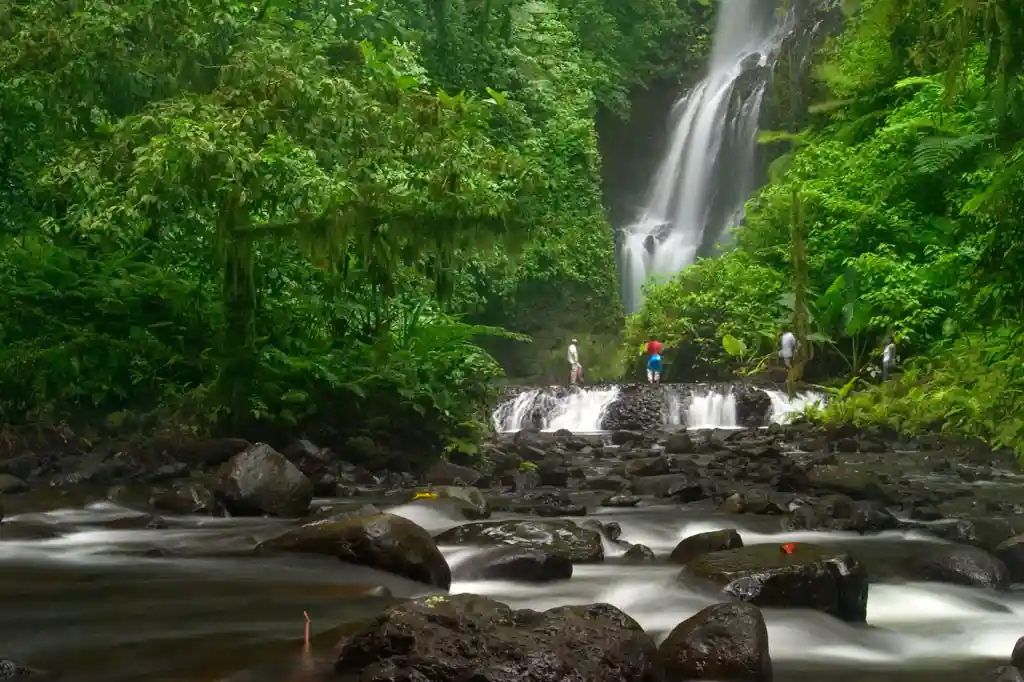
Pohnpei doesn’t just have nature. It is nature. It’s the kind of island where you can hike to a mist-covered ridge before breakfast, cool off in a waterfall after lunch, and end your day kayaking through glowing waters… if the timing’s right.
Top Natural Experiences on the Island:
- Hiking Sokehs Ridge
A must. Not because it’s easy — it’s not — but because the views are surreal. The ridge was used as a Japanese lookout during World War II, and remnants of bunkers and anti-aircraft guns still sit there, half-swallowed by vines. At the top? A panoramic view of Pohnpei’s coast and reef systems that feels like standing on the edge of a living map. (Micronesia map fans, this is your real-life version.) - Waterfall Treks
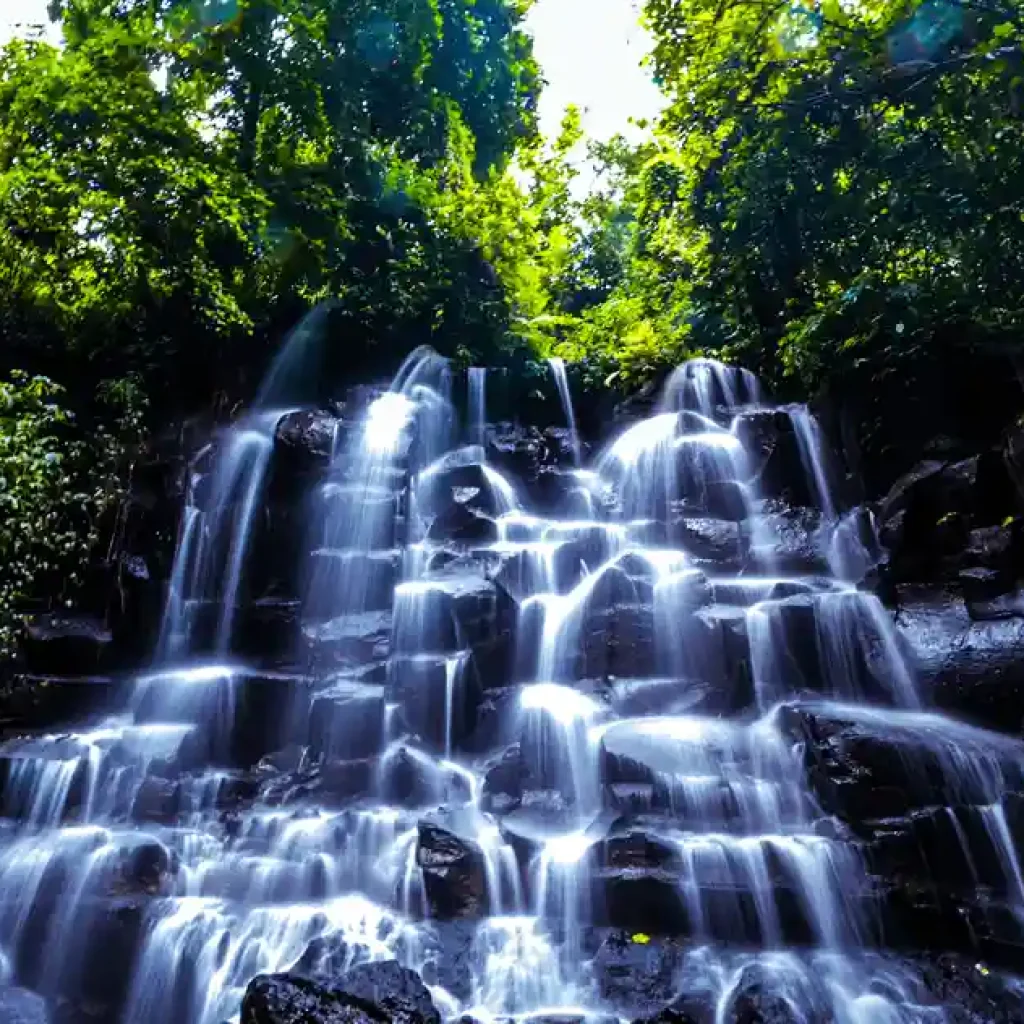
- Kepirohi Falls: Picture-perfect. The kind you’d see in a brochure… but there’s a good chance you’ll have it to yourself.
- Liduduhniap Falls: Smaller, but with natural pools you can dip in.
- Sahwartik Falls: Tucked in deeper. You’ll need a guide or a confident sense of direction. But it’s worth it.
- Snorkeling & Kayaking
Pohnpei’s marine areas aren’t as famous as Chuuk’s, but they’re still amazing — especially around the mangroves and outer reef. It’s also where you’ll see the effects of El Niño on sea surface temperatures and coral ecosystems firsthand. Sometimes subtle, sometimes jarring.
If you’re into marine protected areas, this island’s a real-time lesson in how small communities manage biodiversity. It’s not perfect, but it’s evolving — sometimes through community efforts, sometimes through programs linked to the Community College of Micronesia, where Hospitality Management students actually study things like destination management and sustainable tourism as part of their curriculum.
Pohnpeian Culture & Local Life: Slower Days, Deeper Roots
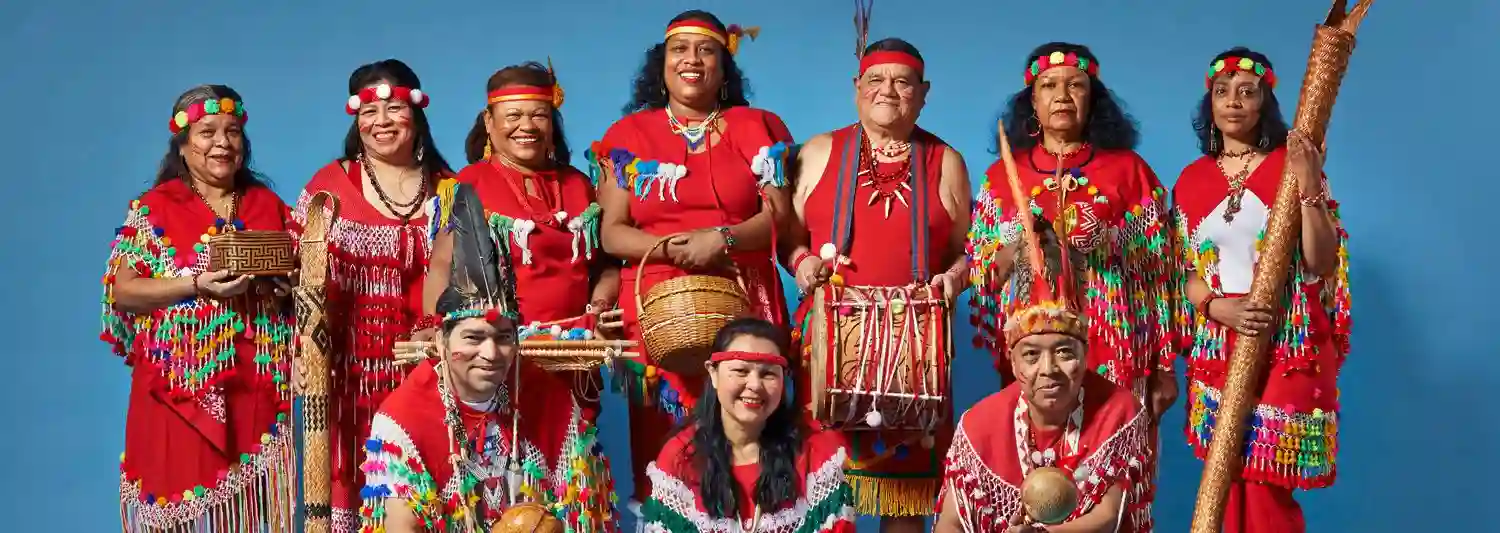
Culture here isn’t a performance. It’s lived. It’s in the way elders speak softly during a sakau ceremony, or how kids gather under trees with half-carved canoe paddles, learning by watching. Pohnpei doesn’t shout about its culture. You just have to slow down enough to hear it.
Sakau (or kava):
This muddy-looking drink is made from the pepper plant and served during ceremonies — political, social, spiritual. You sit on the ground. You share stories. And you don’t rush. Even tourists who try it often say they feel something… grounding. Like the moment gets heavy, in a good way.
Other Cultural Notes:
- Language: English is spoken, but Pohnpeian is the heart-language. Learn a few basic words. People notice.
- Traditional homes: Thatched, open-air structures still exist, especially in rural areas. Families sometimes live multigenerationally, sharing space and labor.
- Crafts & Skills: Weaving, canoe-building, and reef navigation — still practiced, though fading in some places. Tourism, if done right, helps preserve these.
Also — it’s not just locals who care about preserving culture. Students studying front office operations or food standards and sanitation at the Community College of Micronesia are often part of the movement toward a more sustainable, respectful kind of travel.
Their training includes everything from menu planning to event management and guest services, all tailored for a future that balances tourism with tradition.
And here’s a small but important thing: insect bite and pest prevention is not just about comfort here. It’s about public health. Diseases like Zika Virus and Hepatitis A have made rounds in the past. Locals use citronella, burn coconut husks, and cover standing water. As a traveler, bring your own repellent, and maybe avoid wearing shorts at dusk.
Where to Stay & Travel Tips: Rest Easy, But Plan Smart
There aren’t tons of resorts in Pohnpei, but the ones that exist are cozy, genuine, and close to what matters — nature, culture, and quiet.
Notable Stays:
| Hotel | Features |
|---|---|
| Mangrove Bay Hotel | On the waterfront. Popular with visiting researchers and divers. |
| Cliff Rainbow Hotel | More modern, decent Wi-Fi, walking distance to local shops. |
| The Village Hotel (if re-opened) | Known for eco-conscious design and ocean views. |
| Ocean View Plaza Hotel | Functional, good for short stays or layovers. |
Food? Expect local — which is a good thing. Reef fish, taro, breadfruit, and coconut show up often. Some places serve American-style dishes, but honestly… try the local flavors.
Travel Tips You’ll Be Glad You Knew:
- Transportation: Inter-island flights are your best bet. You’ll use the Pohnpei International Airport. Flights aren’t daily, so check schedules in advance.
- Local Taxis: No meters. Set the fare before the ride.
- Car Rentals: Available, but roads can be rough. Drive slow, and watch out for roaming dogs or sudden potholes.
- Water Treatment: Tap water isn’t always safe. Drink bottled, or boil your own. Hotels usually provide filtered options.
- Connectivity: Spotty at times. Don’t plan on streaming movies every night.
- Weather Gear: Rain happens… a lot. Bring a poncho or lightweight rain jacket.
- Cash Over Card: Most places prefer cash. ATMs exist but aren’t always stocked.
And if you’re into trip distribution models, gravity models, or even transportation research, you’ll find FSM a bit like a living lab. The way land use, road access, and population centers impact tourism here is wildly different than anywhere else — partly because everything operates on such a small scale. Every guesthouse, every trail, every reef counts.
Chuuk vs. Pohnpei – A Real Talk Comparison
Alright, so maybe you’re still trying to decide: Chuuk or Pohnpei? Honestly, both deserve your time. But if you’re short on days — or just trying to make the most of a limited travel budget — here’s a loose, slightly biased, human breakdown to help you choose.
Ideal For…
| Destination | Best Suited For… |
|---|---|
| Chuuk | Hardcore divers, underwater photographers, WWII history fans, people who don’t mind things being a bit… rustic. |
| Pohnpei | Hikers, cultural wanderers, nature lovers, solo travelers craving a mix of rainforests, ruins, and real human connection. |
Atmosphere & Vibe
- Chuuk is… quiet. Sometimes haunting. The kind of place that speaks through silence. It feels untouched, even a little isolated — which is part of the charm, or challenge, depending on your comfort with off-grid living.
- Pohnpei is greener, more alive with color and movement. There’s music playing somewhere. Kids laughing down the street. Elders tending to gardens. It’s more “lived in” without feeling overdeveloped.
Which One Should You Pick?
It depends on your trip purpose and how you like to travel. If you’re a diver chasing wrecks, Chuuk Lagoon is unmatched. If you’re into myth, mountains, and moments where you stop mid-hike just to stare at a tree for no good reason… go with Pohnpei.
But here’s the thing: you don’t have to choose. Flights between states are manageable — and if you can swing it, seeing both gives you the full FSM experience. Two faces of the same soul, really. One beneath the surface, one up in the clouds.
Travel Planning Tips – Getting the Most from Your FSM Experience
Planning a trip to FSM isn’t like booking a long weekend in Cancun or catching a red-eye to LA. It’s layered. It’s slower. But once you get the rhythm, everything clicks into place.
When’s the Best Time to Go?
FSM is tropical — warm year-round. But rain can hit hard, especially during wet season (May to November). Dry season (December to April) is ideal, especially for diving or outdoor adventures. El Niño years can affect sea surface temperatures, and even reef conditions — so it’s worth checking environmental reports if you’re planning months ahead.
How Do You Get There?
Flights into FSM usually come through:
- Guam
- Hawaii
- Manila
The most popular route is the Island Hopper by United Airlines, which stops in several Pacific islands. It’s long… but kind of magical if you treat the journey as part of the experience.
Oh — and American Airlines has limited codeshares, so always double-check your check-in time and flight schedules to avoid headaches. Layovers can stretch. Just breathe.
Transportation Once You’re There
FSM’s internal transportation networks are minimal. Think:
- Inter-island flights (check availability days ahead).
- Local taxis (informal but reliable).
- Small boats or ferries (depending on location and tide).
Tip: Save all TSA checkpoint and security information when flying between islands. The passenger terminal setups vary a lot, and rural airport security can be… let’s say relaxed in process, but strict in outcome.
Budget Snapshot (7 Days)
| Type | Approximate Cost (USD) |
|---|---|
| Budget | $900–$1,200 (guesthouse, local food, 1–2 excursions) |
| Mid-range | $1,500–$2,000 (small hotels, diving or guided tours) |
| Luxury | $2,500+ (dive resorts, private guides, extra flights) |
A lot of the price difference comes down to trip distribution and trip generation factors — i.e., how far you have to travel, how long you stay, and the friction factor of limited infrastructure.
Responsible Travel Tips
- Support Local: From buying handmade crafts to dining at family-run eateries, your dollars help sustain local employment accessibility and preserve traditions.
- Respect the Culture: Don’t assume. Ask. Learn. You’re not just visiting a destination — you’re stepping into someone’s home.
- Environmental Awareness: FSM has delicate ecosystems. Be mindful of waste disposal, avoid stepping on coral, and skip single-use plastics when you can.
- Medical Prep: Besides standard vaccines, check current alerts from the U.S. Tsunami Warning System or CDC regarding health concerns like Zika Virus, TB bacteria, or animal bites.
And lastly… patience helps. FSM doesn’t rush. It moves like tides — slow, certain, quiet. Let yourself move like that too.
Final Thoughts: A Quiet Kind of Wonder
So… what are 2 tourist destinations in FSM you must visit? Probably sounds like a simple question. And it is, technically. The easy answer is Chuuk Lagoon and Pohnpei Island. But the real answer? It’s messier. Fuller. Somewhere between a coral-crusted shipwreck and a rain-soaked trail that leads to ancient stone walls no one fully understands.
Chuuk gives you stillness. Depth. The sense that time paused underwater and just stayed there, collecting coral and secrets. Pohnpei? It gives you green. Life spilling out of every corner. Old chants and sakau circles and the sound of waterfalls that just… keep going.
You don’t come to the Federated States of Micronesia for a checklist trip. You come because you’re curious. Maybe even a little tired of curated itineraries and globalized sameness. And honestly, if that’s you, FSM rewards that kind of traveler. Not always in obvious ways, but in quiet, unexpected ones.
So yeah. Visit Chuuk Lagoon. Walk the ruins of Nan Madol. Let yourself wonder who built them… or why. And maybe let yourself be okay with not having an answer. That’s part of it too.
Frequently Asked Questions (FAQ)
Where is the Federated States of Micronesia located and how do you get there?
It’s in the western Pacific, kind of floating quietly between Guam and Papua New Guinea. You’ll likely connect through Guam or Hawaii, maybe with a hop via United Airlines’ Island Hopper route.
2. Do I need a visa to visit the Federated States of Micronesia?
If you’re from the US, Palau, or the Marshall Islands, nope — thanks to the Compact of Free Association. Canadian passports are also generally allowed with short stays, but always double-check before booking.
3. What are 2 tourist destinations in FSM you’d recommend first-time visitors go to?
Easy: Chuuk Lagoon (especially if you’re into World War II history or diving) and Pohnpei Island, home of the mysterious Nan Madol ruins and lush jungle landscapes.
4. When’s the best time to travel to FSM?
Dry season (roughly December to April). Rain’s lighter, and the weather is calmer — which matters when island-hopping or diving. Just keep an eye on El Niño years… sea surface temperatures can mess with your plans.
5. Is it expensive to visit FSM?
Sort of. Flights can add up. But once you’re there, especially if you’re comfortable with guesthouses and local food, it balances out. Expect to spend more if you’re diving a lot or booking through Micronesia tourism packages.
6. Is Nan Madol really worth seeing in person?
Honestly… yes. It’s not flashy. But walking along those stone canals with mist in the trees? There’s something ancient and grounding about it. Visiting Nan Madol feels like stumbling into someone else’s unfinished story.
7. Do I need travel insurance?
Absolutely. And not just the basic stuff. Make sure you’ve got medical evacuation insurance. Small islands mean limited hospitals. If something goes wrong, you might need to be flown to Guam or even further.
8. What should I watch out for health-wise?
Basic tropical travel stuff. Think Zika Virus, Hepatitis A, and yep… some areas still have cases of TB bacteria. Use a bed net, get your shots, pack good insect bite and pest prevention. Better safe than sorry.
9. Is it easy to get around the islands?
“Easy” might be a stretch. Inter-island flights exist but are limited. On the ground, you’ll rely on taxis or local drivers. Transportation networks aren’t what you’d call smooth, but they work if you’re flexible.
10. I’m into culture. Any local events worth timing my trip for?
Try to catch Yap Day if you’re around in early March. It’s colorful, loud, traditional — in the best way. Also, check out local Night Markets or festivals tied to harvest or community celebrations. They’re low-key but rich with meaning.
11. Is FSM good for eco-tourism or sustainable travel?
Absolutely—its low development makes it ideal for off-grid, nature-focused travel.
12. What food should I try in FSM?
Try fresh reef fish, taro, coconut chicken, and banana-based desserts.

Recent Posts
 SKYXX Bar Ho Chi Minh City: #1 Rooftop Bar in Saigon (2026 Guide)
- Best Places to Snorkel in Hawaii In 2026
- Travel Tweaks Offers: A 2026 Guide to the Best Travel Deals in the USA
- Top Vehicle Choices in Maryland: Selecting the Ideal Bus for Every Trip
- Residence Villa Clara San Vincenzo: Top Features for Travelers