Does It Snow in Texas? How Often & Where Snow Falls
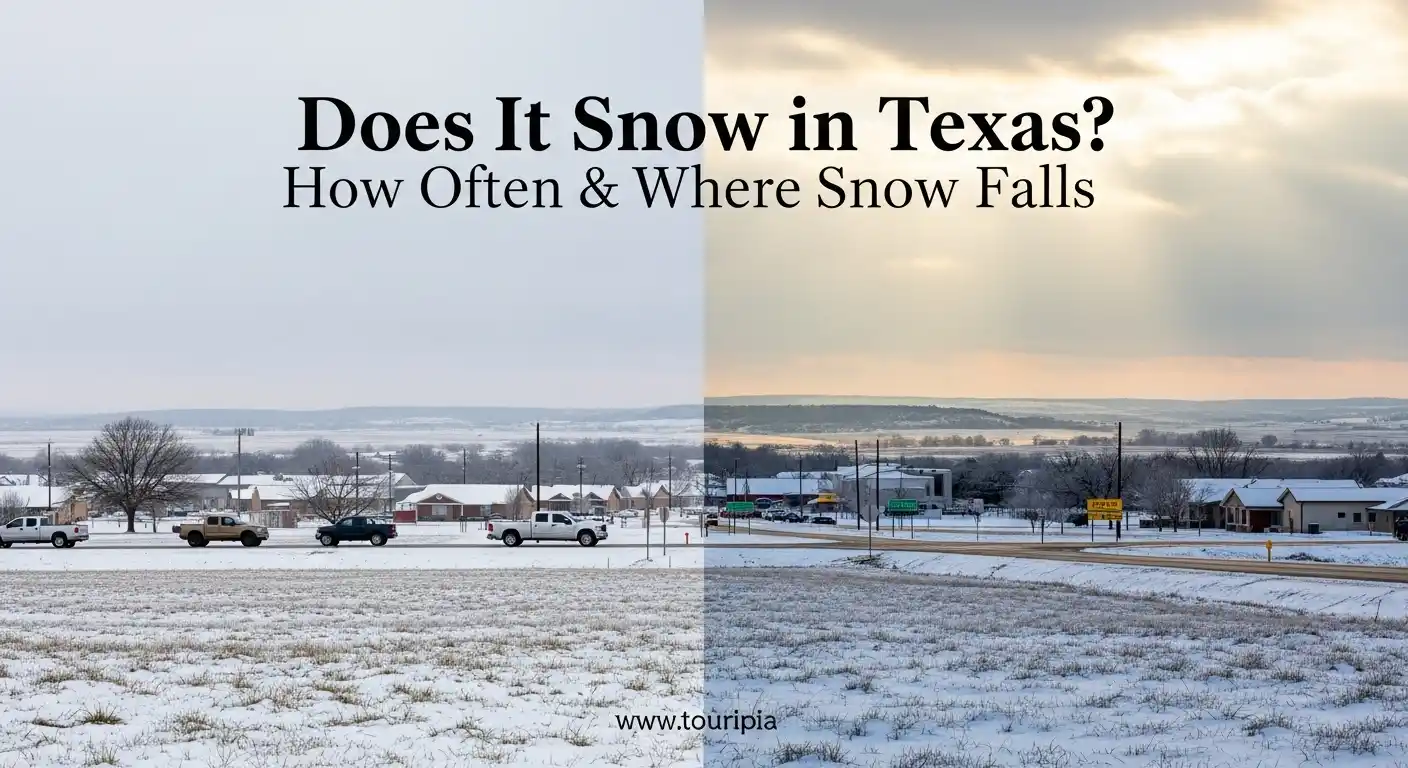
Texas winters surprised me long before I ever started tracking snowfall maps.
After years crossing the Lone Star State in different seasons, one truth stands out clearly… does it snow in Texas depends entirely on where and when you ask.
Travelers keep asking does it snow in Texas because the state feels like multiple countries stitched together. The Gulf Coast rarely sees flakes, while the Panhandle prepares for Arctic air like clockwork.
From road trips through North Texas to quiet winter mornings in the Hill Country, I’ve watched winter weather flip expectations fast. This guide breaks down where snow falls, how often it shows up, and what it means for planning trips across Texas.
Texas Climate Overview: Does It Snow in Texas by Region
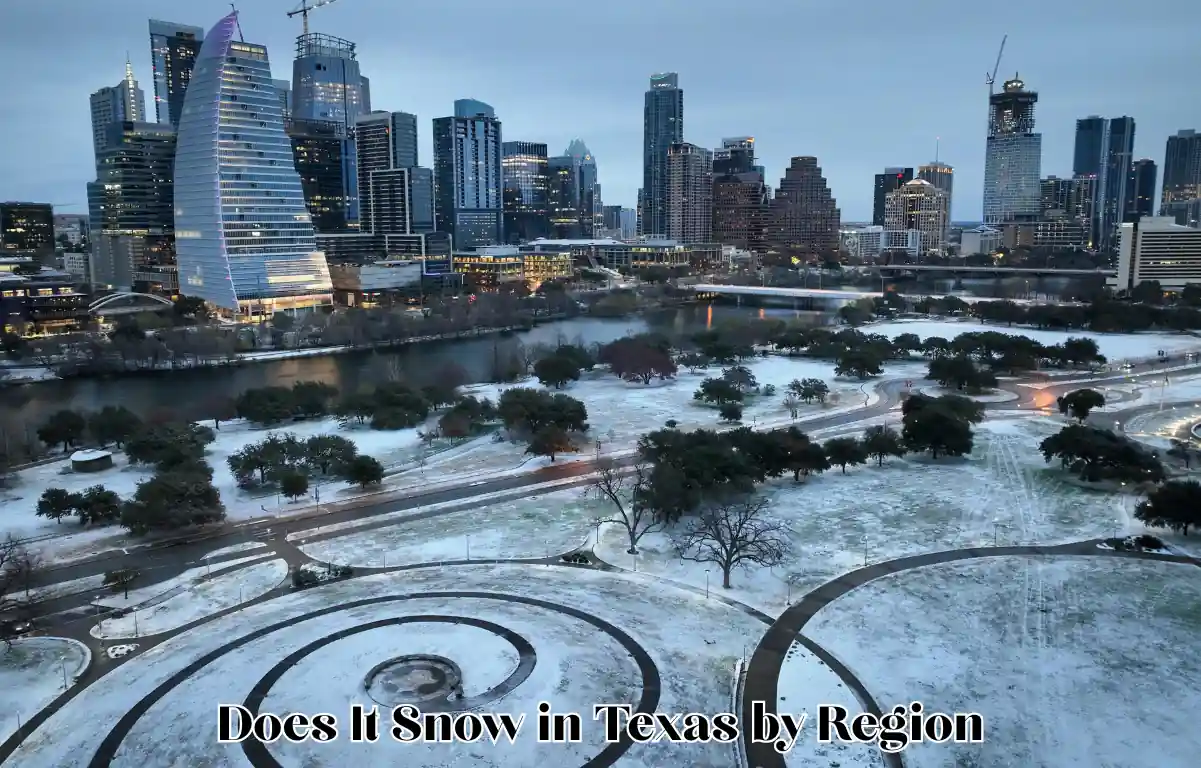
Texas stretches across several climate zones, which explains the confusion around winter weather. I’ve driven from beach-level humidity near the Gulf Coast straight into icy plains within a single day.
North Texas and North Central Texas sit closer to the Great Plains.
Cold air slides south easily here, especially near Fort Worth, the Dallas/Fort Worth Metroplex, and the Red River Valley.
The Panhandle and Llano Estacado feel winter early. Wide-open land, higher elevation, and Arctic air from the Rocky Mountains make snow more common.
The Hill Country cools quickly at night but struggles to hold snow. Ground temperatures often stay too warm, turning snowfall into freezing rain or a wintry mix.
Along the Gulf Coast, the Gulf of Mexico dominates winter weather. Moist air keeps temperatures above snow thresholds, even during strong winter storms.
These contrasts explain why Texas sees sudden swings. Warm air aloft meets Arctic air at the surface, creating ice storms instead of snow.
Average winter temperatures range from below freezing in the Panhandle to mild along the coast. That range defines where snow sticks and where it melts on contact.
Does It Snow in Texas? General Snow Facts
So, does it snow in Texas USA? Yes, but not evenly and not every winter in every region.
Snowfall remains uncommon statewide because Texas sits far south in the Northern Hemisphere. Cold air must travel a long way from Hudson Bay to reach the state.
Average annual snowfall varies sharply. Some Panhandle towns see over a foot each winter, while much of South Texas averages near zero.
Snowfall climatology often clashes with public memory. People remember rare blizzards more than decades of mild winters.
Compared to the Great Lakes Region, Texas lacks consistent cold air and lake-effect snow. Ice storms replace snow because warm air aloft traps moisture above freezing layers.
Ground temperatures matter just as much as air temperature. If soil stays warm, snow struggles to accumulate even during heavy bursts. That’s why winter storms here often bring slick spots, power issues, and freezing rain instead of postcard snow scenes.
Where Does It Snow in Texas Most Often
After years of winter drives across the state, patterns become impossible to ignore. Snow in Texas favors open land, elevation, and direct exposure to Arctic air.
The farther north and higher you go, the more winter behaves like winter. This is where snowfall totals become measurable and winter storms turn serious.
North Texas and the Panhandle
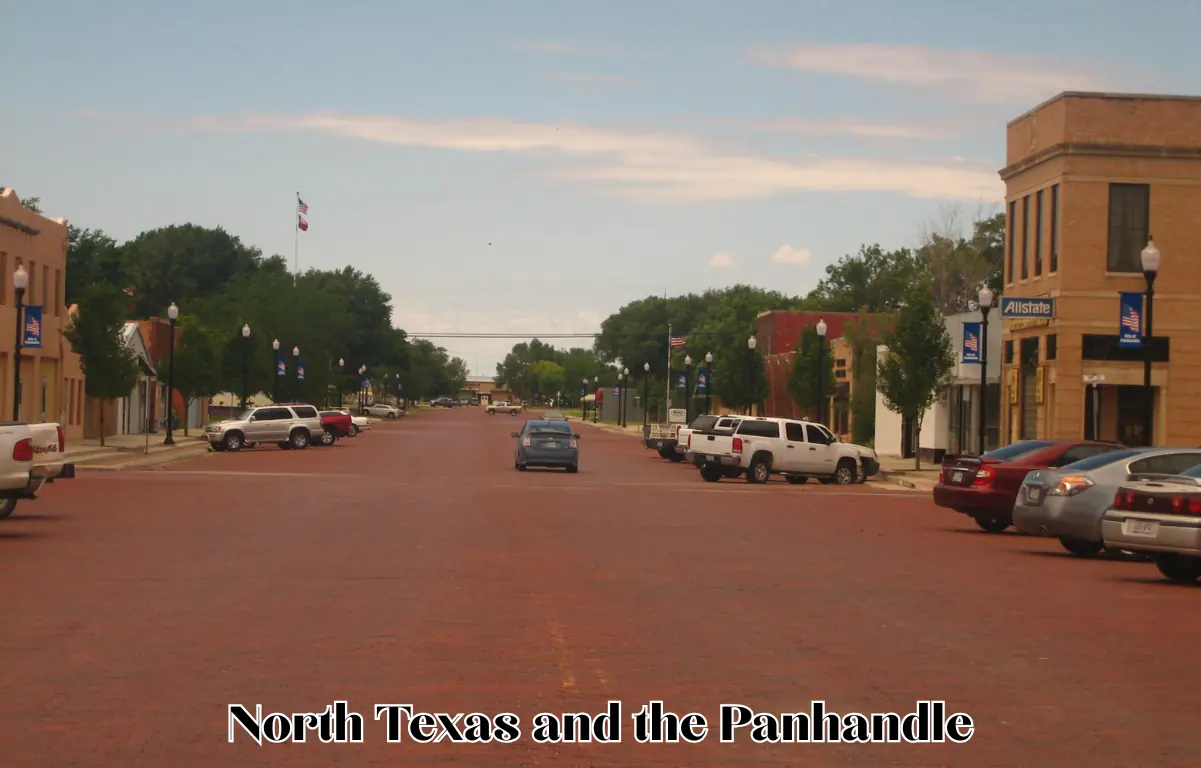
North Texas and the Texas and Oklahoma Panhandles see snow more reliably than anywhere else. This region sits directly in the path of Arctic air pouring south from the Rocky Mountains and Hudson Bay.
Cities like Amarillo, Lubbock, Wichita Falls, and areas near DFW Airport record the highest average winter snowfall. The first inch of snow often arrives here weeks before the rest of the state notices winter.
The Caprock Escarpment plays a role. Cold air funnels across the Llano Estacado, setting the stage for whiteout conditions during strong systems.
I’ve driven through Caprock Canyons State Park during blowing snow, when blizzard conditions shut visibility fast. Rita Blanca National Grasslands feels especially exposed during Arctic cold fronts.
Snowfall maps consistently highlight this region. When Texas sees widespread snow headlines, it usually starts here.
West Texas
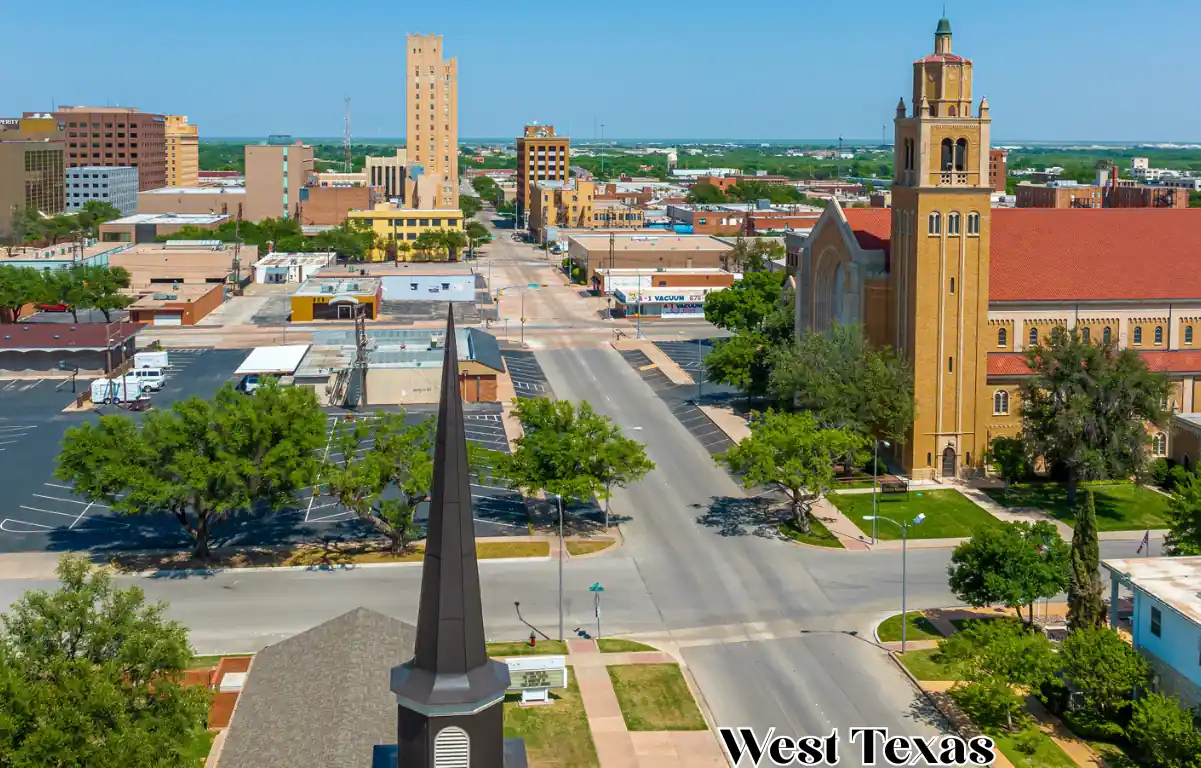
West Texas behaves differently. Snow falls less often, but when it does, it can surprise travelers unprepared for winter weather.
The Trans-Pecos Region and El Paso sit at higher elevation. Cold air settles easily, especially under upper-level low pressure systems.
El Paso sees occasional snow tied to vertical temperature profile shifts. Warm air aloft can flip snow to freezing rain within hours.
Snowfall totals stay lower than the Panhandle, but frequency remains higher than central or coastal Texas.
Driving near the Marfa Dry Line during winter storms taught me how fast conditions can change. Elevation matters here more than latitude. A few hundred feet can mean snow instead of cold rain.
Central Texas
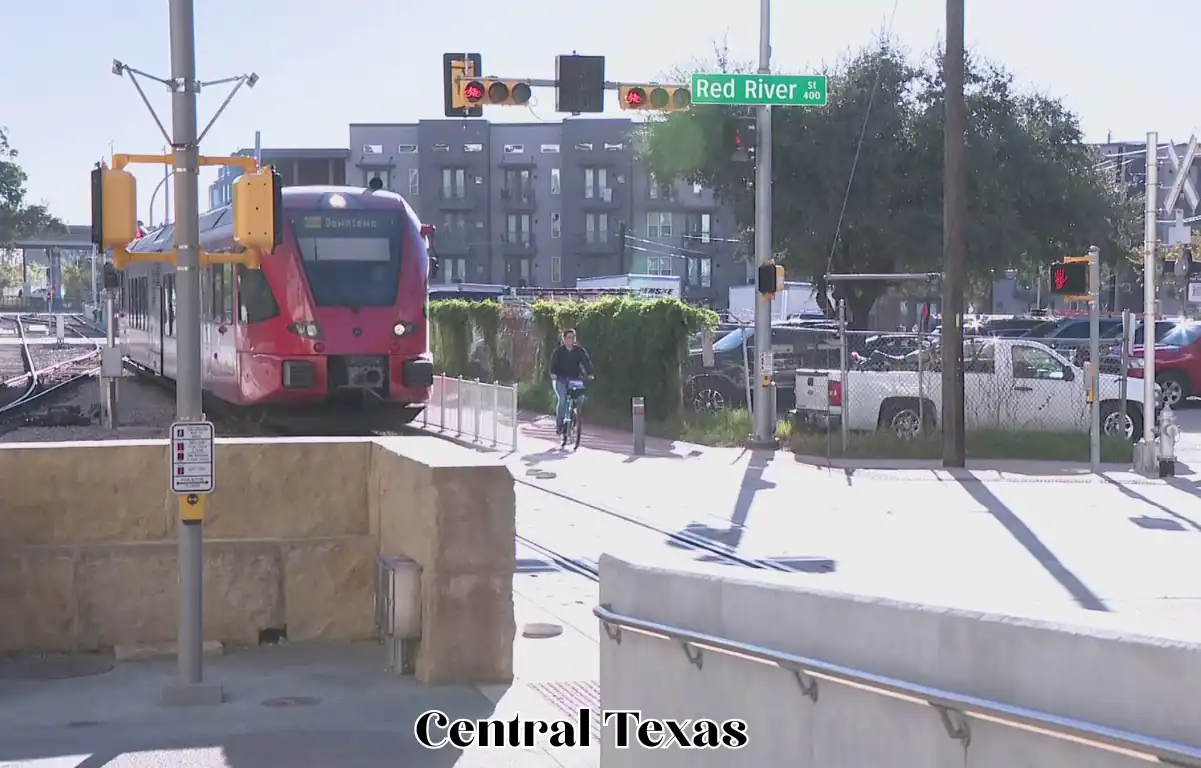
Central Texas sits on the edge of winter’s reach. Snow feels possible here, but rarely dependable.
I’ve watched flurries fall in Austin that vanished before touching the ground. That’s why people keep asking, does it snow in Texas Austin, even after living there for years.
San Antonio sits farther south and warmer. Does it snow in Texas San Antonio? Yes, but only during strong Arctic air intrusions.
The Hill Country cools fast at night, especially around Fredericksburg and Kerrville. On rare mornings, limestone hills wake up looking like a wintery wonderland.
Ice storms cause more problems than snow here. Along the I-20 corridor, freezing rain creates slick spots long before snow can build.
East Texas and North East Texas
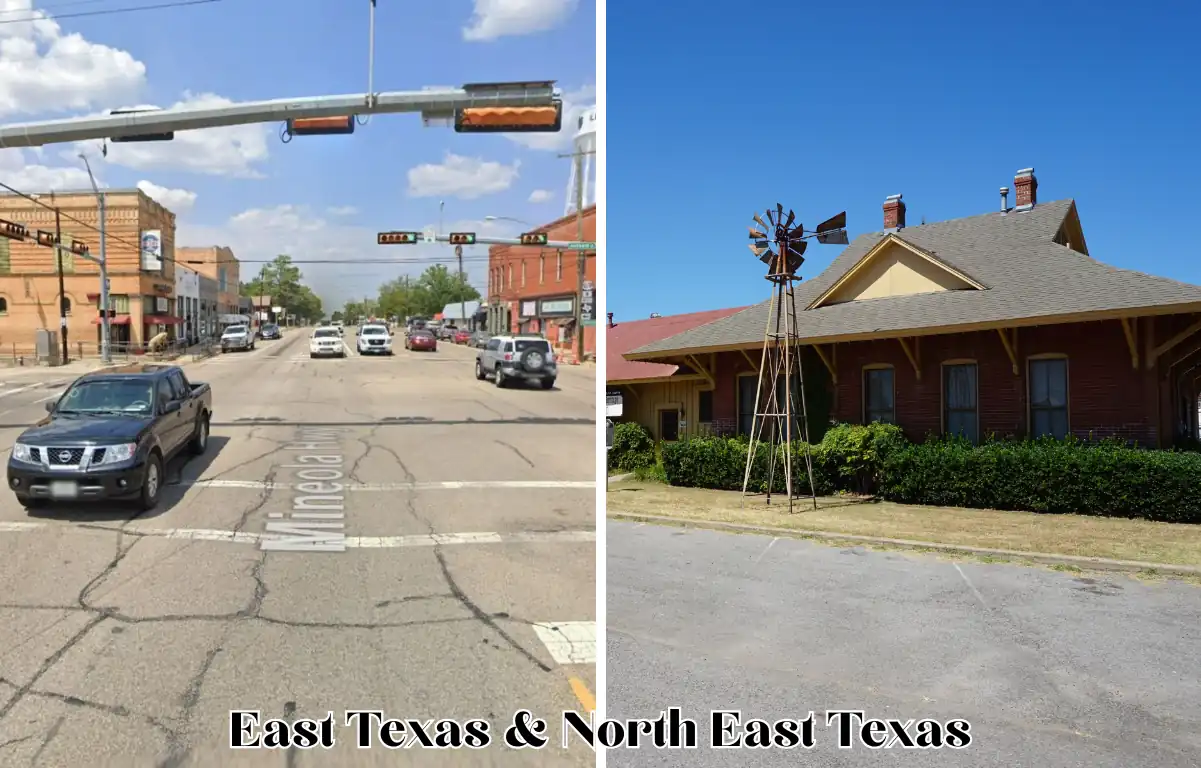
East Texas surprises travelers more than it should. The Piney Woods trap cold air better than open plains.
Towns like Longview and Tyler see occasional snow, but freezing rain dominates. Moisture from coastal low systems meets cold surface air.
The Red River Valley marks a clear transition zone. North of it, snow chances increase noticeably.
I’ve experienced wintry mix here that shut roads faster than heavy snowfall elsewhere. Trees and power lines suffer most during severe ice storm events.
Snowfall totals stay low, but impacts feel high. Winter storm warnings matter here more than raw accumulation numbers.
Gulf Coast and South Texas
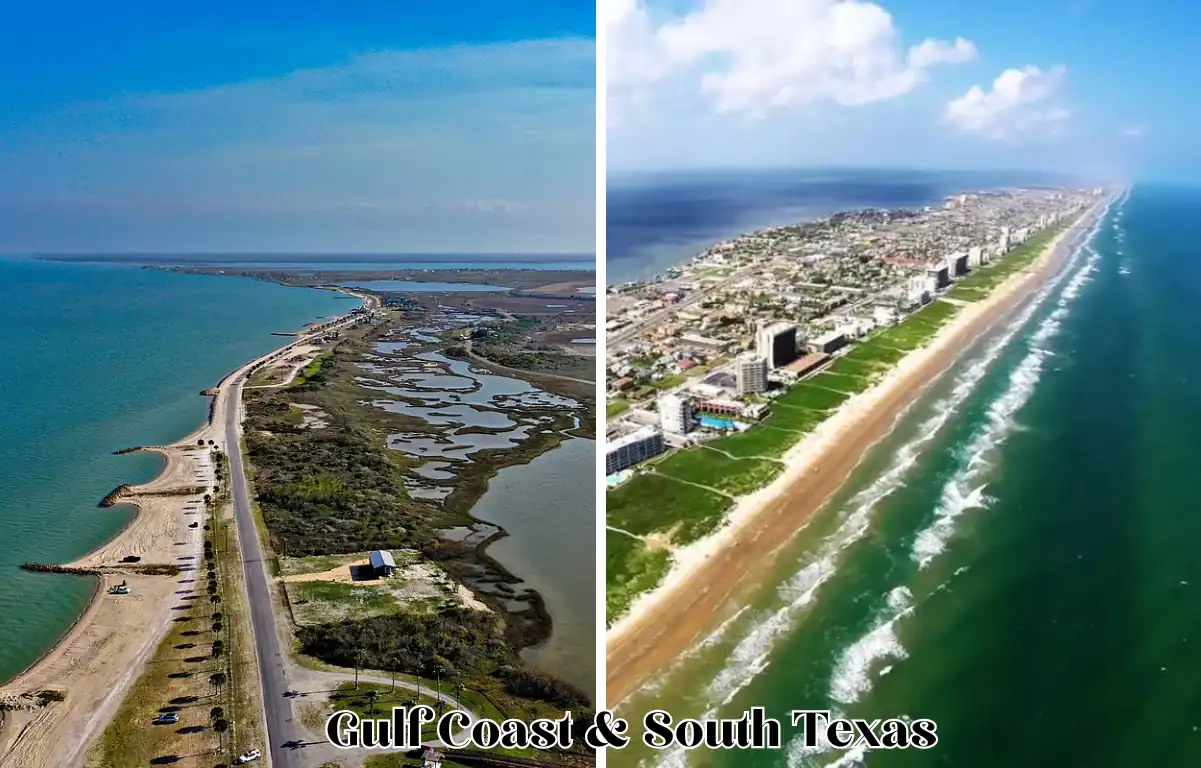
Snow along the Gulf Coast feels almost mythical. Does it snow in Texas Houston? Rarely, but history says it can happen.
The Gulf of Mexico keeps winter temperatures elevated. Warm air moves inland quickly after cold fronts pass.
When snow does fall, it melts fast. Ground temperatures rarely support accumulation.
Coastal cities remember exceptions like May 1917 snowfall and recent freak events. Tropical cyclones like Hurricane Harvey remind locals how moisture changes outcomes.
South Texas stays focused on ice and cold rain. Snow remains a headline event, not a seasonal expectation.
When Does It Snow in Texas?
Timing matters more than location when winter arrives in Texas.
I’ve learned this after planning trips that looked mild on paper but turned icy fast.
Does it snow in Texas in the winter? Yes, but only during narrow windows when Arctic air pushes deep enough south.
December often starts cold but inconsistent. Does it snow in Texas in December happens mainly in the Panhandle and parts of North Texas.
January brings the best odds statewide. Does it snow in Texas in January lines up with stronger Arctic cold front intrusions.
Christmas snow gets attention every year. Does it snow in Texas at Christmas remains rare, but North Texas has seen it during extreme cold weather systems.
February surprises many travelers. Cold air lingers longer, and ground temperatures finally drop low enough to support snow.
El Niño–Southern Oscillation patterns influence moisture and timing. Some winters favor ice, others allow brief snow bursts.
Temperature thresholds matter. A few degrees decide snow versus freezing rain, especially with warm air aloft.
How Often Does It Snow in Texas
Does it snow in Texas every year? Statewide, yes, but not in every city or region.
The Panhandle sees measurable snowfall almost every winter. North Texas averages snow every one to two years.
Central Texas may wait several years between true snow events. Austin and San Antonio often see flurries without accumulation.
Flurries differ from measurable snowfall. Volunteer cooperative weather observers track these differences carefully.
Snowfall maps show strong regional gaps. A few counties collect most of the state’s average winter snowfall.
Historical anomalies stand out. The May 1917 snowfall still appears in climate data discussions.
Model trends from the Global Forecast System and European Centre for Medium-Range Weather Forecasts help predict timing. Still, Texas winter weather keeps forecasters humble.
Winter Storms, Ice, and Power Grid Impact
Snow grabs attention, but ice causes the real damage in Texas. Most winter storms here involve freezing rain or a wintry mix rather than pure snowfall.
Ice storms coat roads, bridges, and power lines fast. Slick spots form overnight, especially in North Texas and the Hill Country.
Severe ice storm events strain the power grid. The Electric Reliability Council of Texas issues an Operating Condition Notice when demand spikes.
I’ve seen winter storm warnings shut highways long before snow totals looked serious. Freezing rain creates more outages than blizzard conditions ever have in Texas.
Extreme cold weather systems push energy use higher. Simple energy-saving practices help reduce stress during Arctic air outbreaks.
Snowfall and Texas Travel Planning
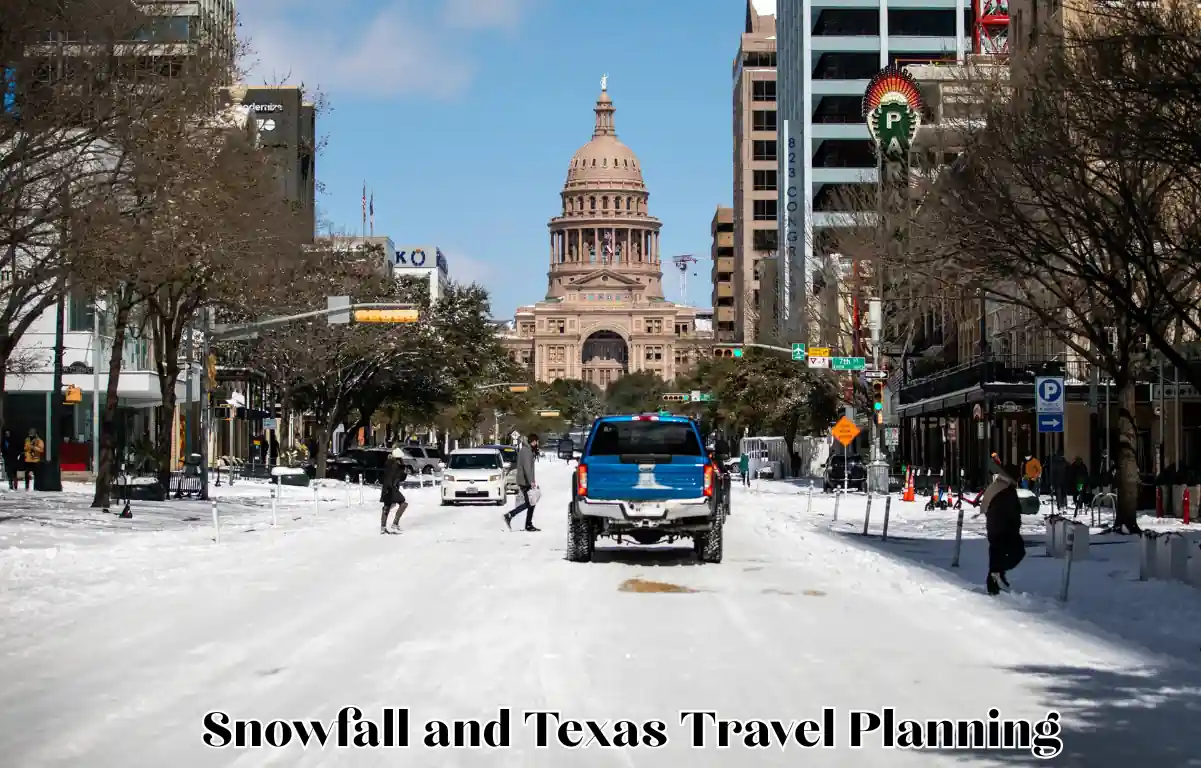
Snow changes travel plans quickly across the Lone Star State. Knowing where it’s likely helps avoid unnecessary risks.
Places to visit in Texas during winter depend on region. The Panhandle and North Texas need weather buffers in your itinerary.
Things to do in Texas during cold snaps shift indoors. Museums, food halls, and historic districts stay accessible when roads close.
Rare snow creates striking photo opportunities. Most instagrammable places in Texas look different under a wintery wonderland layer.
I always monitor the weather forecast closely. National Weather Service alerts, FOX Weather, and the FOX 26 weather team provide timely updates.
Final Thoughts
So, does it snow in Texas? Yes, but unevenly and often unpredictably.
Snow favors the Panhandle and North Texas. Central and coastal regions see ice far more often.
Understanding winter patterns helps travelers plan smarter. Respect the forecast, adjust expectations, and Texas winter becomes manageable, not mysterious.
People Also Ask About Snow in Texas
1. Does Texas usually get snow?
Texas does get snow, but not statewide or every winter.
The Panhandle and North Texas see it most, while southern regions rarely do.
2. How often does it snow in Texas?
Snowfall happens every year somewhere in Texas.
Most cities experience measurable snow only every few years.
3. Places that snow in Texas?
Amarillo, Lubbock, Wichita Falls, and areas near DFW Airport see snow most often.
Higher elevation and open plains increase exposure to Arctic air.
4. Which parts of Texas experience snowfall?
North Texas, the Panhandle, West Texas, and parts of the Trans-Pecos Region.
Central and coastal Texas see far less snow.
5. What time of year does it typically snow in Texas?
Snow usually falls between December and February.
January offers the highest chances across most snow-prone regions.
6. Does it snow in Texas in December?
Yes, especially in the Panhandle and North Texas.
Early winter systems often bring light snow or flurries.
7. Does it snow in Texas in January?
January is the most reliable month for snow in Texas.
Strong Arctic cold fronts reach deeper into the state.
8. Does it snow in Texas at Christmas?
Christmas snow is rare but possible in North Texas and the Panhandle.
Most years stay cold but dry.
9. What was the heaviest snowfall recorded in Texas history?
The Panhandle holds the record, with over 30 inches in a single storm.
Historic events like May 1917 still stand out in climate data.
10. How does snow in Texas impact daily life and transportation?
Snow and ice close roads quickly due to limited infrastructure.
Bridges and overpasses ice over first, causing widespread delays.
11. Why does Texas shut down for snow?
Texas is built for heat, not winter weather.
Ice storms strain roads, power lines, and the power grid rapidly.
12. Is ice more dangerous than snow in Texas?
Yes, freezing rain causes more accidents and outages than snow.
Most winter storm warnings focus on ice, not snowfall totals.