Best Time to Visit Texas: Month-by-Month Guide (2026)

Travelers love Texas because it offers variety without limits. But because the state is so large, seasons affect each region differently, so your travel experience can change completely depending on when you visit.
So, what is the best time to visit Texas?
Well, Texas can be amazing at the right time, but surprisingly uncomfortable at the wrong time. One month offers perfect patio weather and scenic road trips, while another can hit you with intense heat.
That’s exactly why timing plays such a big role when planning a trip here. You can get help from The Ultimate Texas Travel Guide: Best Places, Road Trips & Vacation Tips
The best time to visit Texas is Spring and Autumn, when temperatures feel comfortable, and you’ll find little to no crowds. Besides this, the state’s events calendar is at its most exciting.
This guide breaks down Texas weather by month, peak and off-season travel insights, and the best time to visit each region, so you can plan confidently and make the most of your trip.
So, without anymore delay, let’s get into the topic.
Best Time to Visit Texas – A Season Breakdown
Here is a quick overview of best time to visit Texas and what each season offers you:
| Season | Months | Best For | Avoid If… |
| Spring | Mar – May | Wildflowers, mild weather, outdoors | You hate crowds (spring break peak) |
| Summer | Jun – Aug | Beaches, water parks, family trips | You’re heat-sensitive (110°F+ possible) |
| Fall | Sep – Nov | Best overall weather, fewer crowds | You want beach weather (Gulf cools quickly) |
| Winter | Dec – Feb | Budget travel, mild south Texas | You want warm weather statewide |
Best Time to Visit Texas in Spring (March – May)
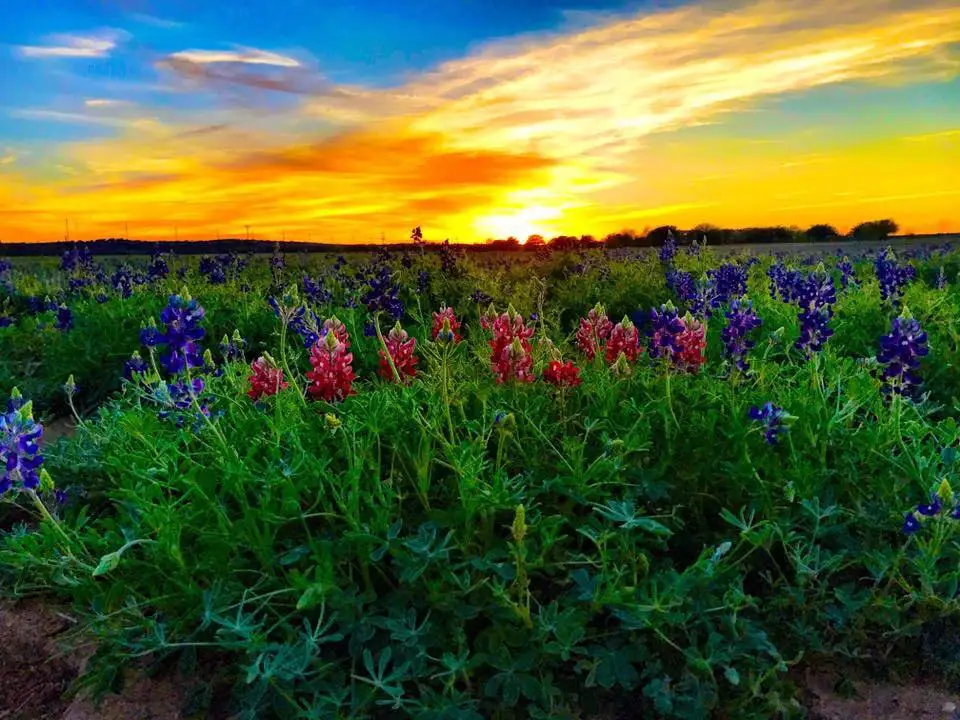
If you’re planning to visit Texas and looking for the best time to go there, Spring season will stand out among all.
It is the perfect time of the year with beautiful landscapes and thrilling events. If you’re a first-time visitor, I’d say you should visit during this time of the year.
The average temperatures are 60 – 80F, which is quite favorable to exploring cities. Besides this, you can have a good time outdoors. Here, you’ll find:
- Hot and dry climate
- Growing wildflowers in the country
- Cultural events and outdoor festivals
- Ideal conditions for sightseeing and photography
Weather & Scenic Beauty
One of the largest spring attractions in Texas is the wildflower bloom fields. These flowers are also called the famous bluebonnets that bloom at the end of March till start of April. Moreover, Texas has wholesome sceneries, especially in the Texas Hill Country. These sceneries display a mixture of blues and greens, which makes them postcard-perfect.
Scenic drives become an important part of the Texas travel experience. Small towns show liveliness as they attract tourists to take photos, taste local food, and tour the landscape of the country.
Explore more on 25 Best Things to Do in Austin Texas in 2026
Events & Travel Experience
Another season that is very active in Texas travel seasons is spring due to the number of popular events. The month of March at SXSW in Austin captures the world’s attention, with the gathering of fans of music, film, and technology.
| Event / Attraction | Location | Pricing | Best For | Nearby Highlights |
| SXSW (South by Southwest) | Austin | Ticketed | Music, film, tech fans | Live music, film screenings, networking events |
| Spring Break | Major cities (Austin, Dallas, Houston) | Free–variable | College students, party-goers | Beaches, nightlife, city events |
| Fiesta San Antonio | San Antonio | Free to moderate | Families, culture seekers | Parades, local food, historic sites |
| Texas Bluebonnet Trails | Hill Country | Free | Nature lovers, photographers | Scenic drives, hiking, wildflowers |
| Texas Renaissance Festival | Todd Mission (near Houston) | Ticketed | Families, history & costume enthusiasts | Artisan markets, shows, themed food |
| Houston Livestock Show & Rodeo | Houston | Ticketed | Families, rodeo fans | Concerts, carnival rides, food vendors |
Insider Tip: Make sure you book hotels at least one month in advance if you want to visit in March or April. Festivals can easily increase the prices and decrease the availability.
Explore more on How to Plan the Perfect Texas Vacation: Tips, Seasons & Budget Hacks
Best Time to Visit Texas in Summer (June – August)
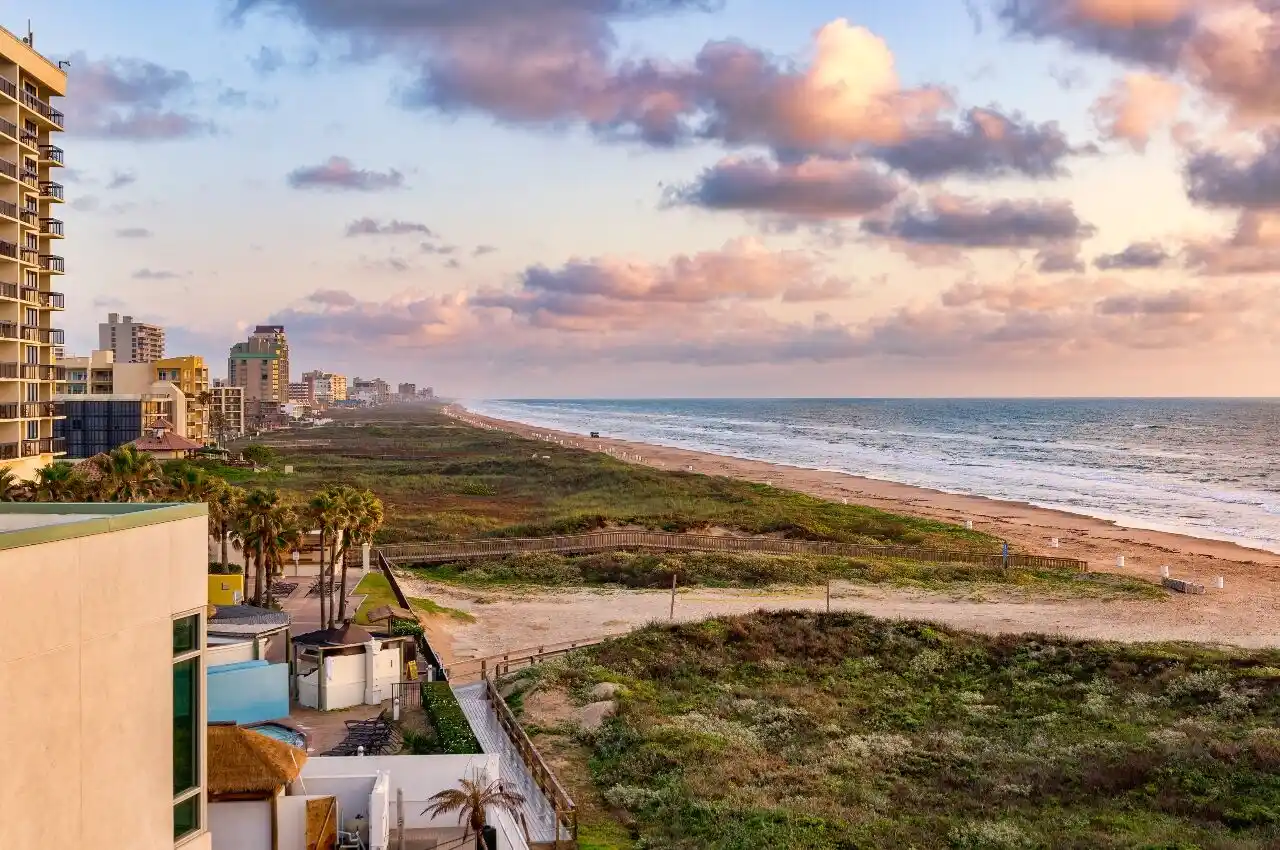
Texan summer is adventurous, active, and hot. The temperatures are usually high at 95 to 110 F, mostly in the central and southern parts.
It is one of the most extreme seasons as far as the Texas climate for tourists is concerned. However, it is one of the busiest travel periods despite the heat. It is a popular travel time among families during school holidays and long vacations. Here, you’ll find:
- Gulf Coast beach resorts
- Cooling off at water parks and lakes
- Prolonged daytime to plan
- Evening entertainment and dining
Heat & Outdoor Activities

Galveston and South Padre Island are also beach resorts that have a considerable amount of traffic during the summer. These are the best vacation spots.
The warm ocean water, sandy beaches, and easy environment can be enjoyed by tourists. Early mornings and late afternoons are the most appropriate times to be at the beach since the heat in the noon may be too hot.
Other attractions of the summer are the water parks. Parks such as Schlitterbahn offer a combination of thrilling and cool places in Texas, which are relaxing in the heat. The Texan state of Texas also has lakes and rivers, which are popular for swimming and boating.
City Life & Travel Tips
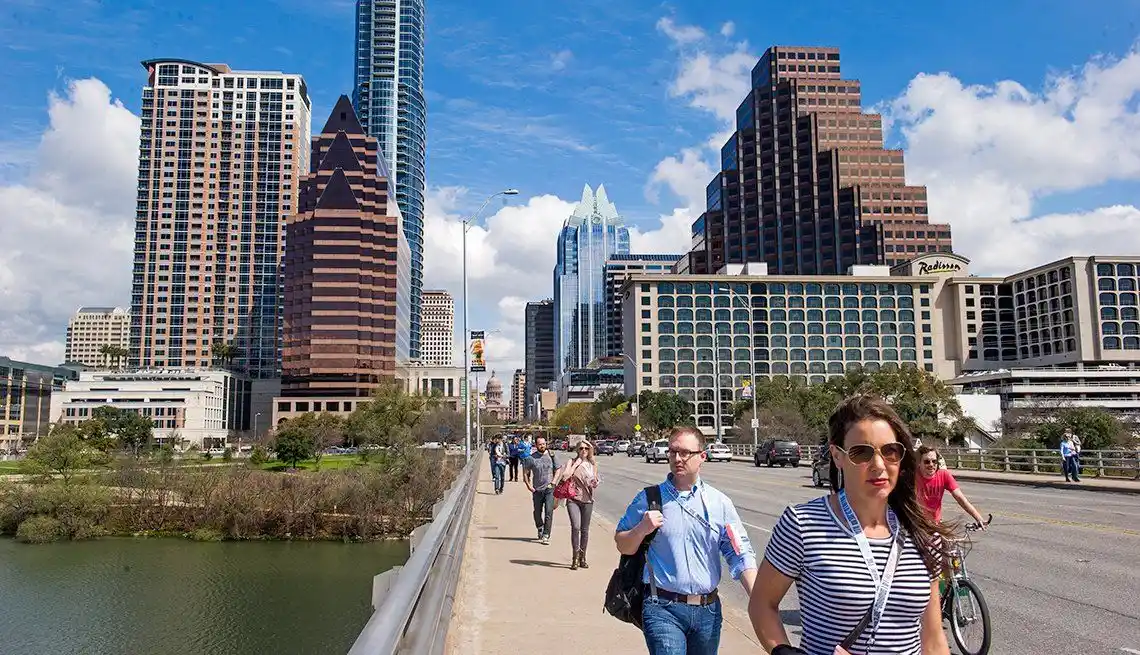
The city’s traveling needs a more tactical approach. Inside facilities like museums, shopping centers, and entertainment facilities act as a source of relief during the hottest days of the year.
One of the best times to explore is nighttime, though. Evenings are vibrant due to outdoor dinners, live music, and socials.
It is important to change your daily routine in the summer. Early mornings can be spent in outdoor activities. Midday can be spent in indoor activities before the weather becomes too hot.
Summer is also a good season to visit Texas, in case you are traveling with family or love beaches, water sports, and also love nightlife.
Insider tip: Plan your day keeping the heat in mind. Early morning for outdoor activities, midday for indoor activities, and evenings for dinners.
Best Time to Visit Texas in Fall (September – November)
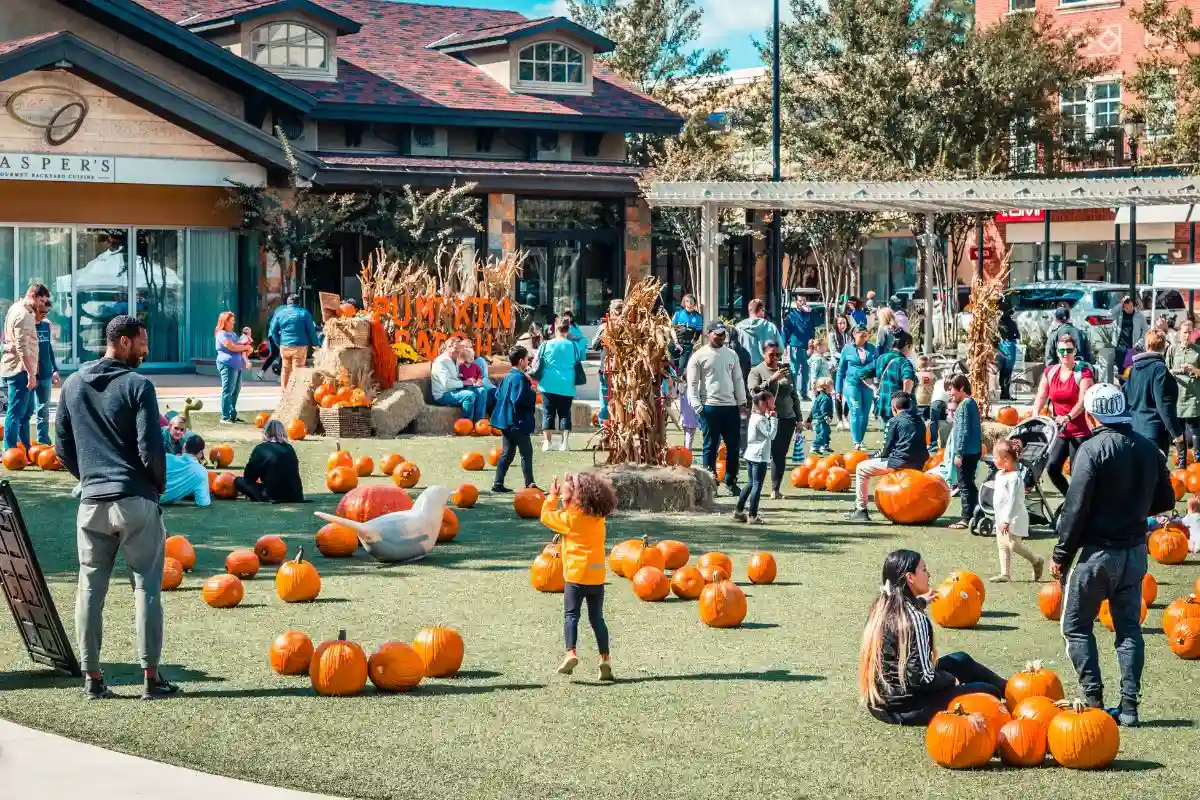
Fall is a season that several individuals do not think of traveling. Nonetheless, as many long-time travelers have claimed, this is the best time to visit.
The weather is cool, between 65 and 85 F, when the heat of summer is absent. This makes it one of the most favorable Texas weather by month.
The lower temperature and the less dense crowds make traveling more comfortable and fun. Here, you’ll find:
- Favorable outdoor adventure conditions.
- Minor crowds as opposed to high summer seasons.
- Festivals and cultural activities.
- Picturesque roads with colorful scenery.
Scenic Landscapes
The landscape changes once again in the fall with such warm colors. Indian paintbrush flowers and sunflowers introduce a new color into the landscape.
It is an excellent time for a road trip. Tourists can photograph and visit rural places without the stress of the high tourist seasons.
Festivals & Travel Benefits
Fall is full of big events as well, so it becomes one of the peak tourist seasons in Texas. Here’s a glimpse of what you can find in Texas in the fall:
| Festival / Attraction | Location | Pricing | Best For | Nearby Highlights |
| Austin City Limits Music Festival | Austin | Ticketed, varies by day | Music lovers, festival-goers | Food trucks, live music, nightlife |
| State Fair of Texas | Dallas | Entry fee + rides | Families, foodies | Carnival rides, local foods, shows |
| Big Bend National Park | West Texas | Park entry fee | Nature lovers, hikers | Scenic drives, stargazing, desert trails |
| Cultural & City Experiences | Austin, San Antonio | Free to moderate | Comfort-seekers, casual travelers | Museums, River Walk, local dining |
However, the pricing will be quite a lot during the fall. Scroll down if you’re looking for budget-friendly options.
Best Time to Visit Texas in Winter (December – February)
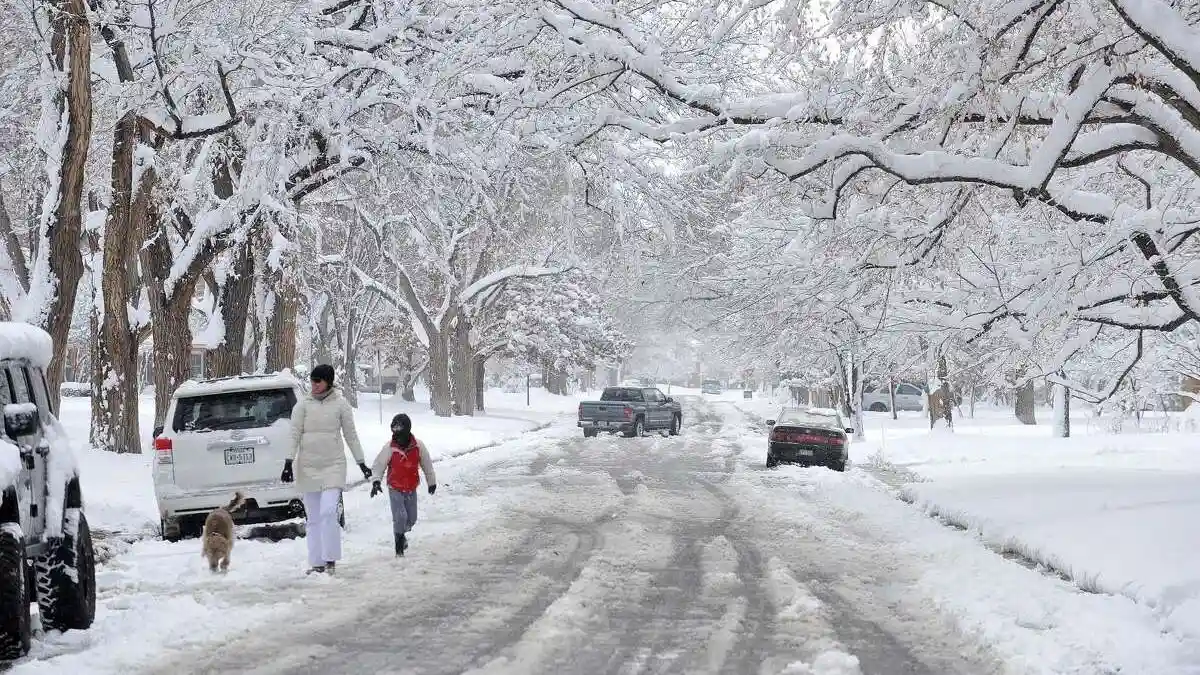
Winter in Texas is a special experience, and more so for people who do not enjoy cold weather. There is a difference in climatic conditions in the state, with most parts having moderate weather.
The south ranges tend to be 60-70 degrees Fahrenheit, and the north sometimes even lower. Here, you’ll find:
- Fair weather in the southern parts
- Periodic lower temperatures to the north
- Reduced tourists and travel deals
- An atmosphere of peace and serenity
Explore more on Does It Snow in Texas? How Often & Where Snow Falls
Ideal Tour Destinations
Houston and San Antonio are not excessively cold in winter, so the visitors can investigate the city without experiencing the heat and the humidity in summer. This will make sightseeing, dining, and walking tours very pleasant.
Travel Experience & Budget Benefits
Another fact is that winter is also one of the most silent seasons of the Texas travel season. That is why the number of people in the largest attractions is less, and there is more space to stay in a hotel.
This is the season that is generally affordable to the cost-conscious travelers because of the lower rates and better deals.
The Christmas season is a bonus, especially in places like San Antonio. In this case, there is a friendly welcome with the help of holiday lights and decorations. The rural destinations and the bars are also less crowded, giving a more intimate and less stressful experience.
The cold fronts in the northern cities, such as Dallas and the Panhandle, may occur, but they are usually short-lived and can be managed.
The most suitable time to visit Texas is in winter, since one is either a low-end traveler or wants to have leisure holidays and steady weather.
Now that you know what each season in Texas offers you, scroll down to find the specialty of each month.
Texas Weather by Month — Quick Breakdown
Understanding Texas weather by month makes it much easier to choose the right time for your trip. Temperatures, rainfall, and crowd levels change throughout the year, which can directly impact your travel experience.
Some months are perfect for festivals and outdoor adventures, while others offer quieter attractions and better prices. Here is a quick breakdown to match the best month with your travel style.
| Month | Temperature | Rainfall | Crowds | Best For |
| January | 45–60°F (7–16°C) | Low | Low | Budget travel, city exploring, scenic drives |
| February | 50–65°F (10–18°C) | Low | Low | Urban walks, museums, mild outdoor trips |
| March | 55–70°F (13–21°C) | Moderate | Medium | Wildflowers, festivals, spring travel |
| April | 60–75°F (16–24°C) | Moderate | Medium | Road trips, outdoor sightseeing, patio dining |
| May | 65–80°F (18–27°C) | Moderate | Medium–High | Nature trips, hiking, early summer travel |
| June | 75–95°F (24–35°C) | Low–Moderate | High | Beaches, lakes, water parks |
| July | 80–100°F (27–38°C) | Low | High | Rivers, indoor attractions, evening activities |
| August | 80–105°F (27–41°C) | Low | Medium–High | Beaches, indoor experiences, night outings |
| September | 70–90°F (21–32°C) | Moderate | Medium | Hiking, festivals, fewer tourists |
| October | 65–85°F (18–29°C) | Low–Moderate | Medium | Fall festivals, national parks, scenic drives |
| November | 55–75°F (13–24°C) | Low | Low–Medium | Wine country, relaxed sightseeing |
| December | 45–65°F (7–18°C) | Low | Medium | Holiday travel, city tours, off-season trips |
Now that you know everything about the Texas climate for tourists, scroll down to know the Texas peak tourist season.
What You Should Expect In Peak Season vs Off-Peak
Texas gets busy fast. Peak tourist season hits in spring and summer, with wildflowers, festivals, and buzzing beaches. So, during the peak season, you can expect crowded places, long waiting times, and high prices that make your wallet sweat.
The Shoulder months, May, September, and October, offer a sweet spot for travelers. You’ll find pleasant weather, calm national parks, and little to no traffic, making it easy to explore the city without feeling anxious.
But, if you want to visit Texas without breaking your bank, off-peak season (November–February) is king. January is the cheapest, and September also offers great deals. Hotels are affordable, crowds are minimal, and attractions feel almost private. You can hike, explore, and eat out without fighting lines.
Knowing the Texas peak tourist season versus off-peak months helps you plan smarter. Want to avoid crowds in Texas or snag the cheapest time to visit Texas? Pick the right month, and your trip goes from stressful to smooth.
Practical Planning Tips
To make your Texas visit truly memorable, keep these tips in mind:
- Book early for summer: Reserve flights and hotels 3–4 months ahead, especially for beaches and family destinations.
- Pack smart by season: Summer needs light clothing and sun protection, spring and fall need layers, and winter may require a light jacket.
- Plan for long drives: Texas is huge, so expect multi-day road trips between major cities and attractions. See the Texas Road Trip Routes guide for ideas. +
Conclusion
That’s all you should know about the Texas travel season. Spring and fall are the clear winners for most travelers, offering comfortable weather, lively events, and the best balance between crowds and prices.
Summer works well if your plans revolve around beaches, water parks, and family vacations, while winter is ideal for budget-conscious travelers looking for lower hotel rates and quieter attractions.
The right season ultimately depends on your travel style and priorities. So, make sure you plan accordingly to enjoy the best time of your life!
Frequently Asked Questions
1. What is the best time to visit Texas?
The spring (March-May) and fall (September-November) are the months when it is good to visit Texas. The seasons are good, and they are not characterized by extreme weather, and they also have numerous festivals. The spring can be considered the most popular time to use wildflowers, and the fall provides the opportunity to travel with reduced traffic.
2. When is the best time of the year to visit Texas due to the weather?
The weather during these months is normally 60-85 F and is hence very conducive to outdoor adventure, sightseeing, and road trips without having to overheat as it does during the summer.
3. How does the weather change over the year in Texas?
Spring months are warm and colorful, and summer is very hot (typically the temperature is above 95F), fall is cooler and more comfortable, and winter is mild in most regions, and it is hot in the south.
4. What are the main Texas travel seasons?
Peak seasons in the main Texas travel seasons are spring and fall, when the weather is comfortable for traveling, and summer is high season, where families and beach trips will have a good time and better deals. Winter is one of the off-seasons and a less busy season. Every season is a different experience based on your style of traveling.
5. Which is the high season for tourists in Texas?
The peak season of tourists in Texas is usually in the spring (in particular, in March and April) and the beginning of the summer. Conferences such as SXSW and spring break are attended by large numbers of people, and thus it is advisable to make reservations in advance in case of traveling during such seasons.