20 Surreal Places in Mexico That Feel Too Dreamy to Be Real (2026)

Mexico is full of places that stop you in your tracks. Some feel almost unreal at first sight, and you wonder how a single country can hold so much beauty.
When you search for places in Mexico that don’t feel real, you often land on the same tourist spots in the Riviera Maya or near Cabo San Lucas. But the truth is that the most breathtaking moments usually happen far away from the big resorts.
This guide covers twenty surreal locations across the country. These are the places in Mexico that don’t feel real because the landscapes, colors, and natural features look dreamlike. Think turquoise cenotes on the Yucatán Peninsula, cloud forests in Oaxaca, volcanic rock formations near Querétaro, and jungle rivers that cut through deep canyons in Chiapas.
20 Surreal Places in Mexico That Feel Too Dreamy to Be Real (2026)
You will see spots tied to Mexican culture, ancient sites, spiritual journeys, outdoor activities, and remote nature. Each destination offers its own type of magic. And each proves that Mexico goes far beyond the typical vacation routes.
1. Huasteca Potosina, San Luis Potosí
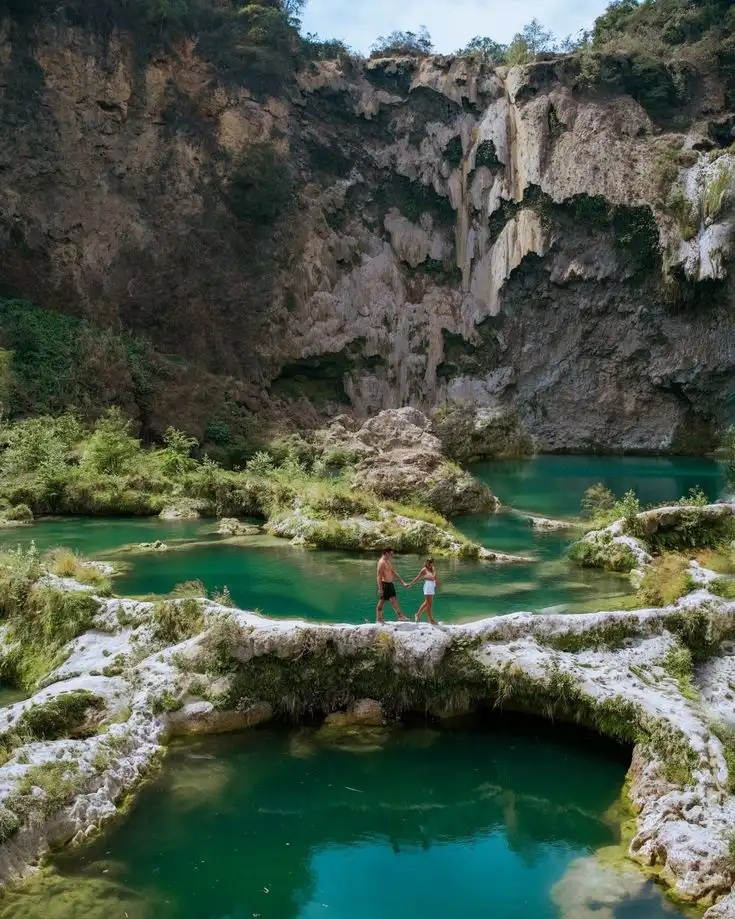
La Huasteca Potosina feels like a different world. Rivers glow in shades of blue, jungle cliffs rise above quiet pools, and waterfalls roar through narrow canyons. You can swim at Puente de Dios, a place so bright it almost looks edited. Tamul Waterfall stands tall above the Santa María River, and the color of the water feels unreal when the sun hits it.
This region is perfect if you want outdoor activities. You can kayak, hike, or float through small swimming holes carved by nature. Many travelers compare the area to famous water landscapes like Plitvice Lakes National Park. It has the same layered water effect but with a tropical twist.
Nearby Xilitla is home to La Pozas, a surreal garden built inside the jungle. It mixes odd concrete structures with bright green vegetation. Nothing about this region feels ordinary. It’s one of the most surprising corners of Mexico.
2. Hierve el Agua, Oaxaca
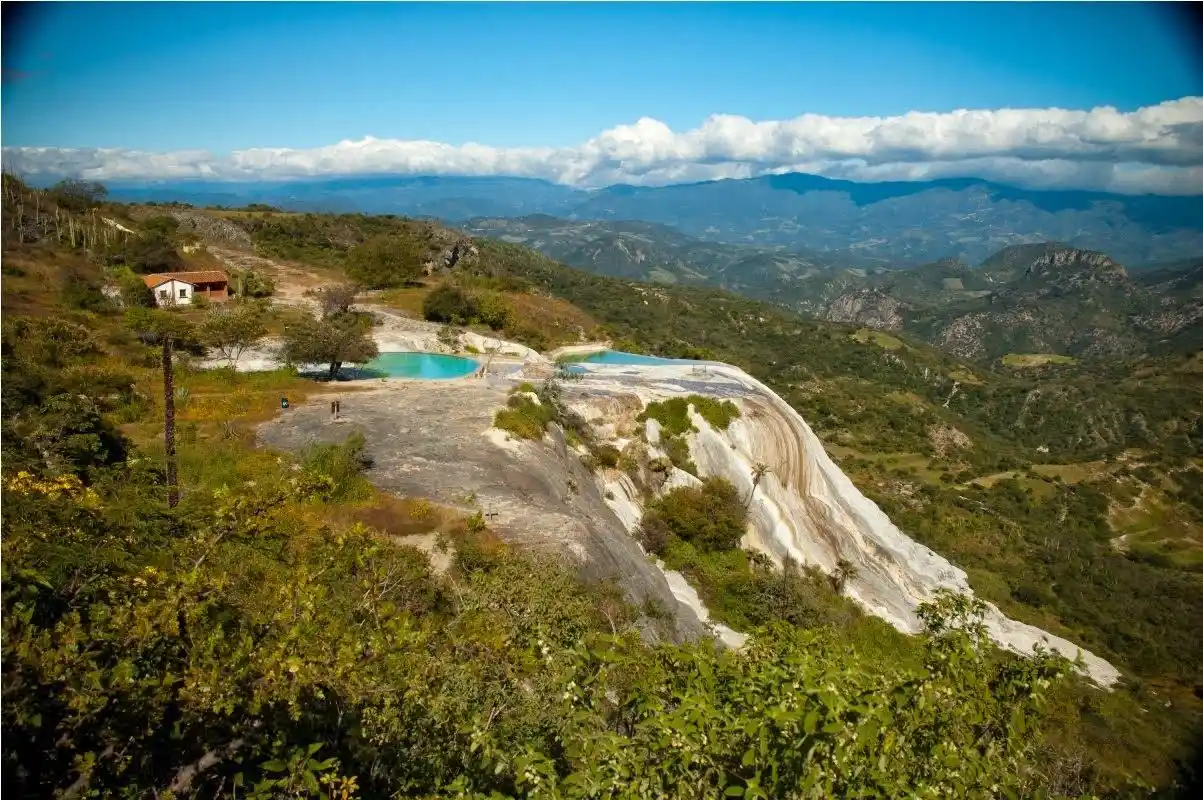
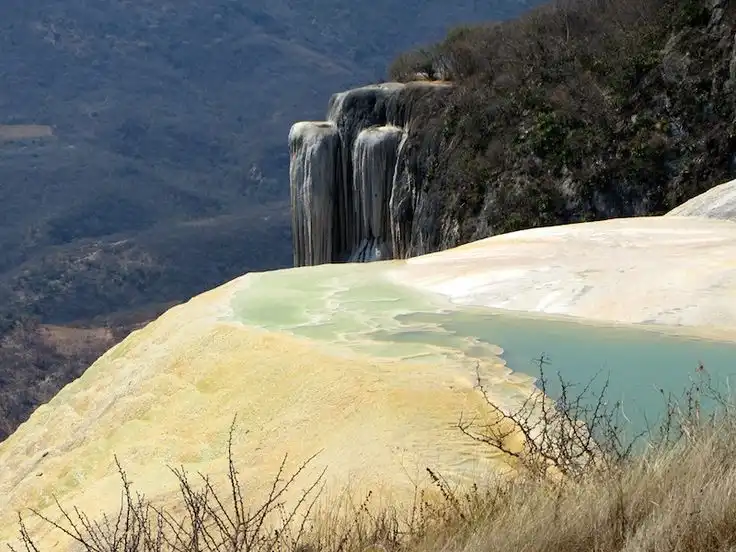
Hierve el Agua looks almost impossible at first glance. The cliffs appear covered in frozen waterfalls, but they are actually mineral formations shaped by thousands of years of natural water flow. On top sits a set of green blue pools that edge toward an open valley.
This spot gives you panoramic views of the Oaxacan mountains and the dry, rugged landscapes below. The colors shift through the day. Sunrise is the best time because the light brings out soft gold tones on the rock. The pools look like natural infinity baths, and many travelers come for the photographs alone.
This area connects deeply with indigenous Zapotec culture. Hikes around the site reveal hidden viewpoints and small caves. Nearby Oaxaca City helps you connect the experience with local food, ancient sites, and Mexican culture.
Many travelers compare Hierve el Agua to unique geological sites in places like Ait Benhaddou or Mount Fuji because the scenery feels almost unreal.
3. Bacalar, Quintana Roo
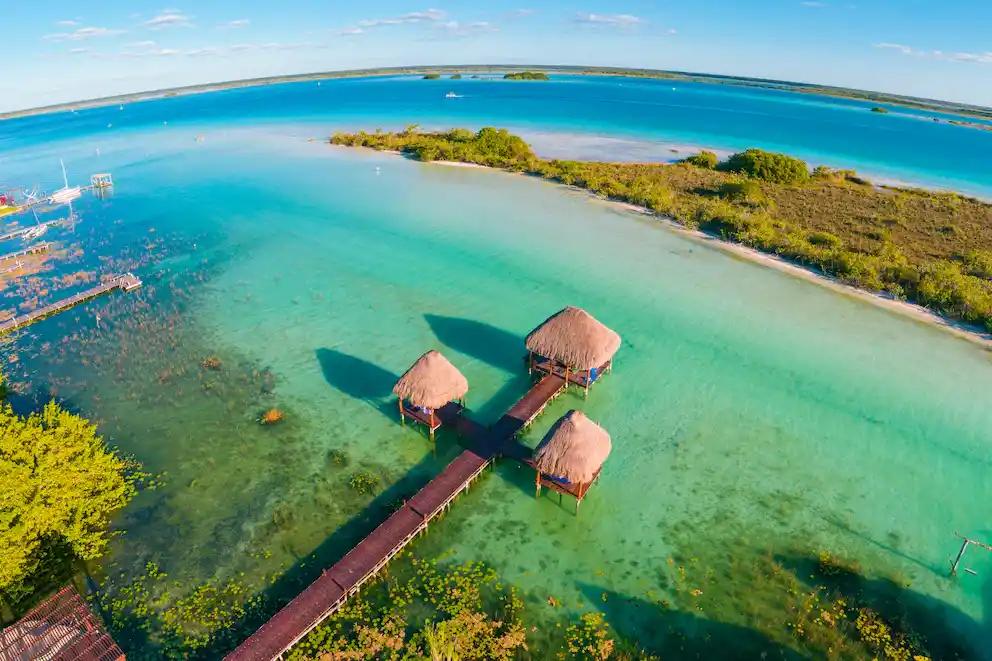
Bacalar is known as the Lagoon of Seven Colors. The water shifts from bright turquoise to deep cobalt in smooth, wide layers. When the sunlight hits the lagoon at midday, the colors feel painted. It is one of the calmest places on the Yucatán Peninsula, and it has a slow, peaceful atmosphere.
You can swim at Cenote Azul or float along soft sandbanks that stay shallow for long distances. Some travelers visit Laguna Milagros or Yalahau Cenote nearby for even more quiet moments. Bacalar is great for families, young adults, and first timers who want something gentle and scenic.
There are no huge resorts here. Most stays are eco centered or locally run. It feels like one of the top 10 most beautiful places in Mexico because the water looks unreal from every angle. Paddleboarding at sunrise is one of the best ways to enjoy the lagoon. The colors reflect like a mirror.
4. Holbox Island, Quintana Roo
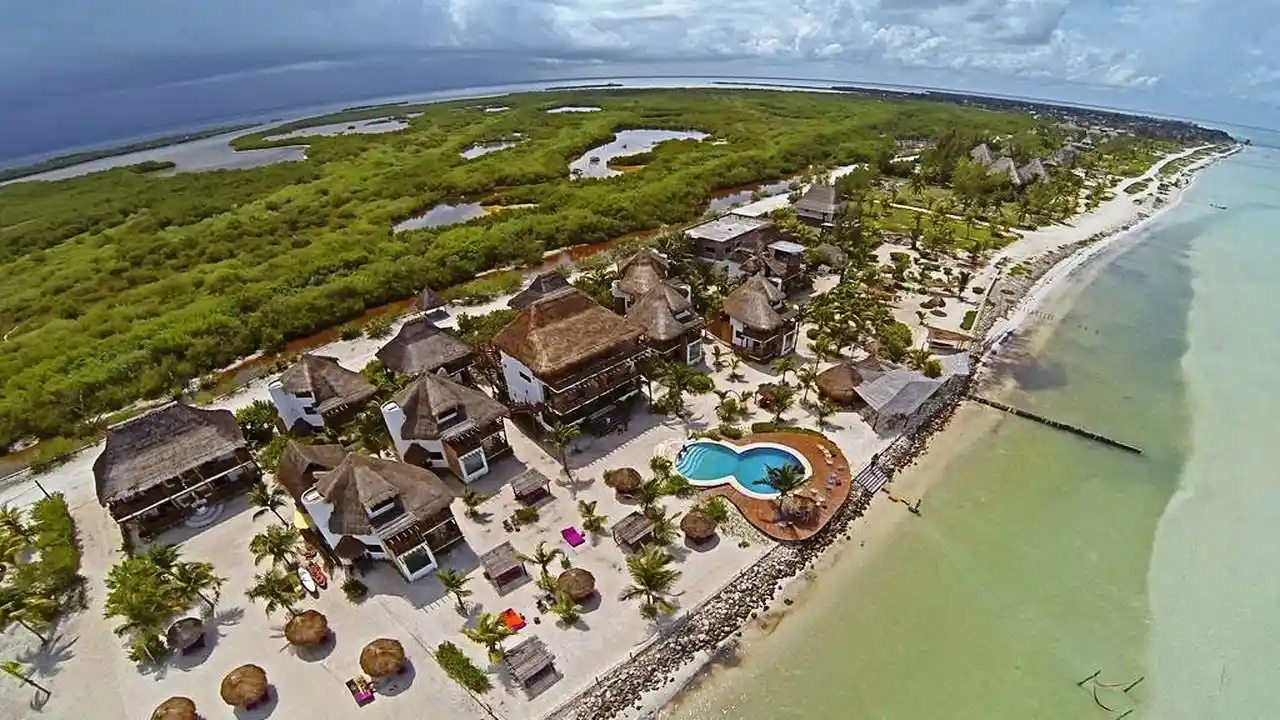
Isla Holbox feels soft, warm, and untouched. The long sandbars stretch far into the water, and during low tide you can walk across shallow pools that shine like glass. The island has no cars, only bicycles and golf carts. That keeps everything quiet.
The wildlife adds to the surreal feel. Flamingos, whale sharks, and sea birds gather in calm areas near the coast. Many travelers visit Yalahau Cenote for fresh water swimming. The streets in Holbox are decorated with murals, simple cafés, and small food stalls selling Mexican street food.
Holbox reminds people of older Caribbean towns before development. It has a raw charm that is hard to find in modern beach destinations. Visitors often compare it to faraway places like Christina Lake or Lake Pend Oreille because the light and water look unreal in photos.
5. La Venta River and Arco del Tiempo, Chiapas
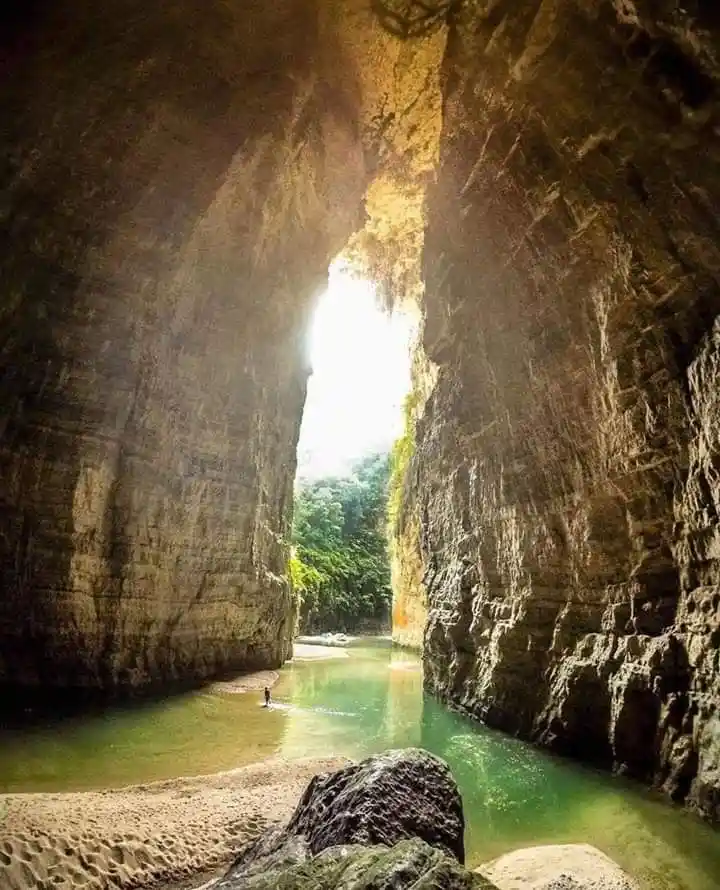
La Venta River feels ancient. The canyon walls rise hundreds of meters above the water, and the light at midday forms soft beams that touch the river surface. Packrafters and hikers love this place because the entire route feels untouched. The highlight is Arco del Tiempo, a massive natural arch that looks carved by a giant.
The scenery reminds some travelers of Antelope Canyon, but with bright green jungle on top instead of desert. Small waterfalls drop along the canyon edges. The water stays calm in many areas, which makes it ideal for slow paddling.
Chiapas is known for deep cultural roots and wild landscapes. This spot adds to that reputation. You can explore caves and small pools along the way. Wildlife often appears near quiet sections of the river. If you want a place that feels completely removed from cities like Mexico City or Playa del Carmen, this canyon gives you that escape. It is one of the most surreal natural corridors in Mexico.
6. Tolantongo Hot Springs, Hidalgo
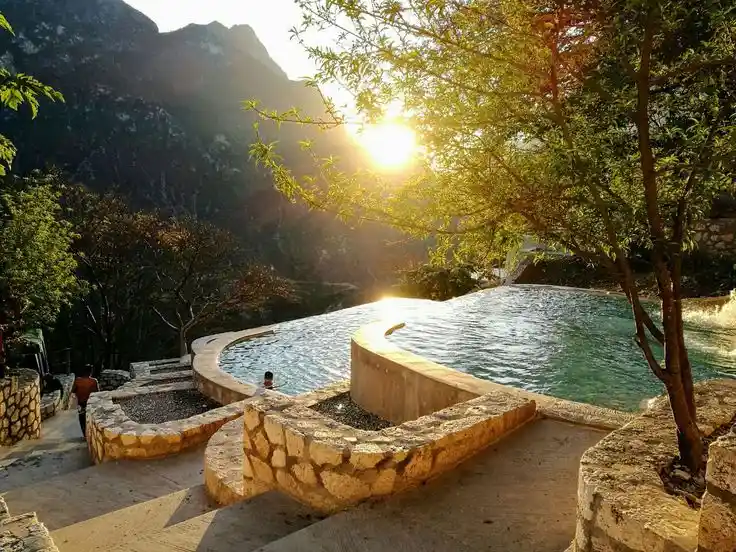
Grutas de Tolantongo looks unreal from the moment you see it. Pale blue water runs along a warm river that cuts through a narrow canyon. Above the river sit tiered hot spring pools carved into the mountainside. Each one feels like a calm, natural bath with soft steam rising in the morning.
You can walk through small caves and tunnels where warm water falls from the roof. It feels like a hidden world. Many visitors come for wellness trips, spiritual healing, or simple rest. Hidalgo is filled with natural wonders, but Tolantongo stands out because of its shapes and colors.
The entire valley has hiking paths and river viewpoints. It is a popular spot for families and first timers because the area is easy to reach by road. Some travelers compare the scenery to Termales Santa Rosa de Cabal, but Tolantongo feels more dramatic because of the canyon walls. It is one of the top 10 most beautiful places in Mexico for a reason.
7. Cloud Forest of San Jose del Pacifico, Oaxaca
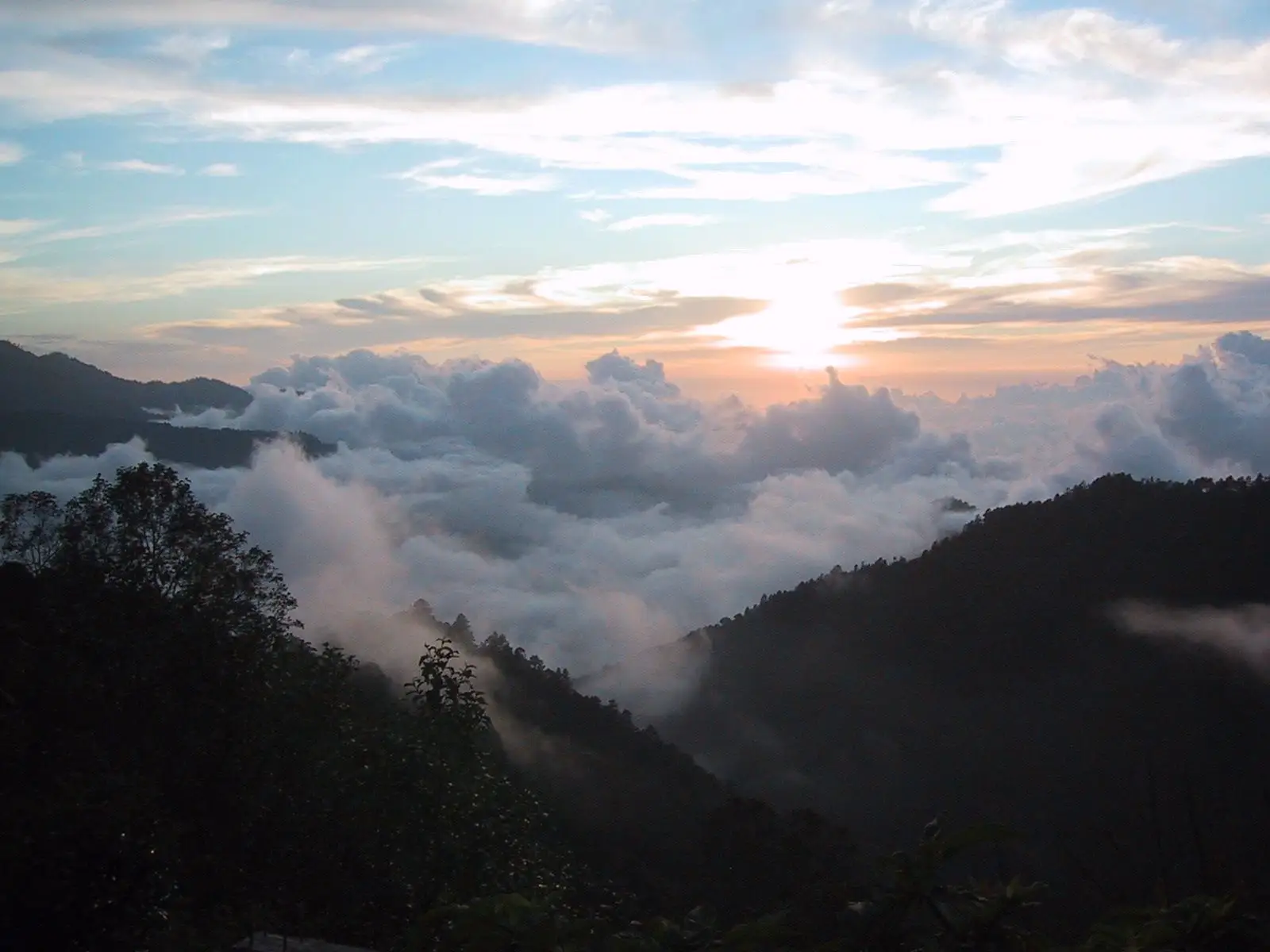
San Jose del Pacifico sits above the clouds. The town feels suspended between sky and forest. When the fog rolls in, you can watch entire hills disappear under a white blanket. The air is cool, fresh, and quiet. Many travelers come here for spiritual retreats, plant medicine, and energy cleansing sessions guided by local communities.
The area is famous for Hongos Magicos, which tie into deep indigenous traditions. Temazcal ceremonies, small cabins, and mountain viewpoints create a strong sense of calm. Digital nomads sometimes stay here for a week to reset before heading to cities like Oaxaca City or the coastal towns of Mazunte and Puerto Escondido.
The hiking trails pass through pine forests and small valleys. Sunset often feels unreal because the sun drops into thick clouds below you. It is the kind of place you visit when you want a different pace. Nothing here feels rushed. Everything feels soft and surreal.
8. Apoala Waterfalls and Canyon, Oaxaca
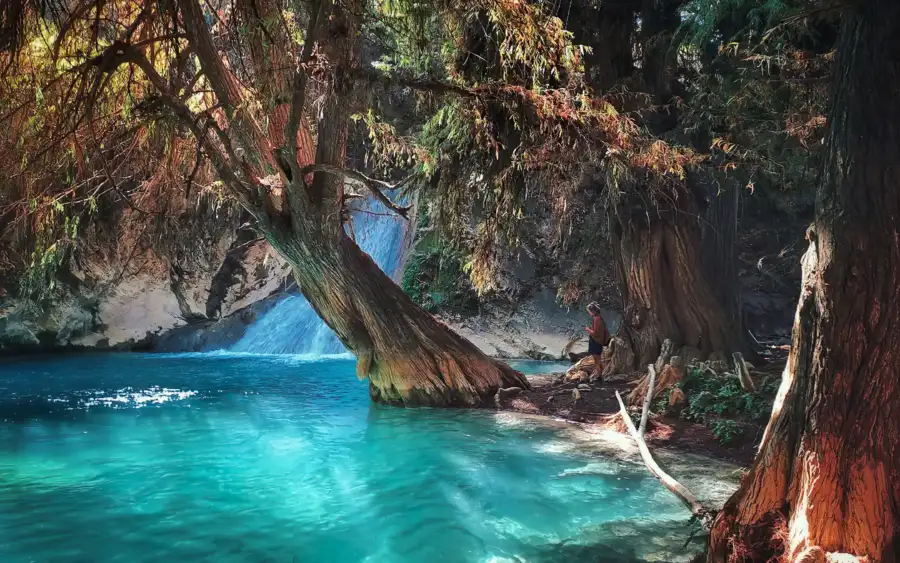
Santiago Apoala feels like a hidden pocket of bright color in the Oaxacan countryside. The valley holds turquoise pools, narrow canyon paths, and strong waterfalls that cut through limestone. Cola de Serpiente waterfall is the most famous. It drops into a clear blue basin that looks almost tropical.
The village is small and mostly indigenous Mixtec. Travelers come for hiking, swimming, and quiet views. The trails are short but steep in some sections. The scenery changes fast because the canyon walls filter the sunlight differently throughout the day.
Apoala feels far from everything even though it is a few hours from Oaxaca City. Many compare it to places like Cahabón River or Celaque National Park because of the clean water and simple surroundings. You can stay in local cabins near the trails. It is a great stop for nature lovers, photographers, and anyone who wants a peaceful break.
9. Islas Marías, Nayarit
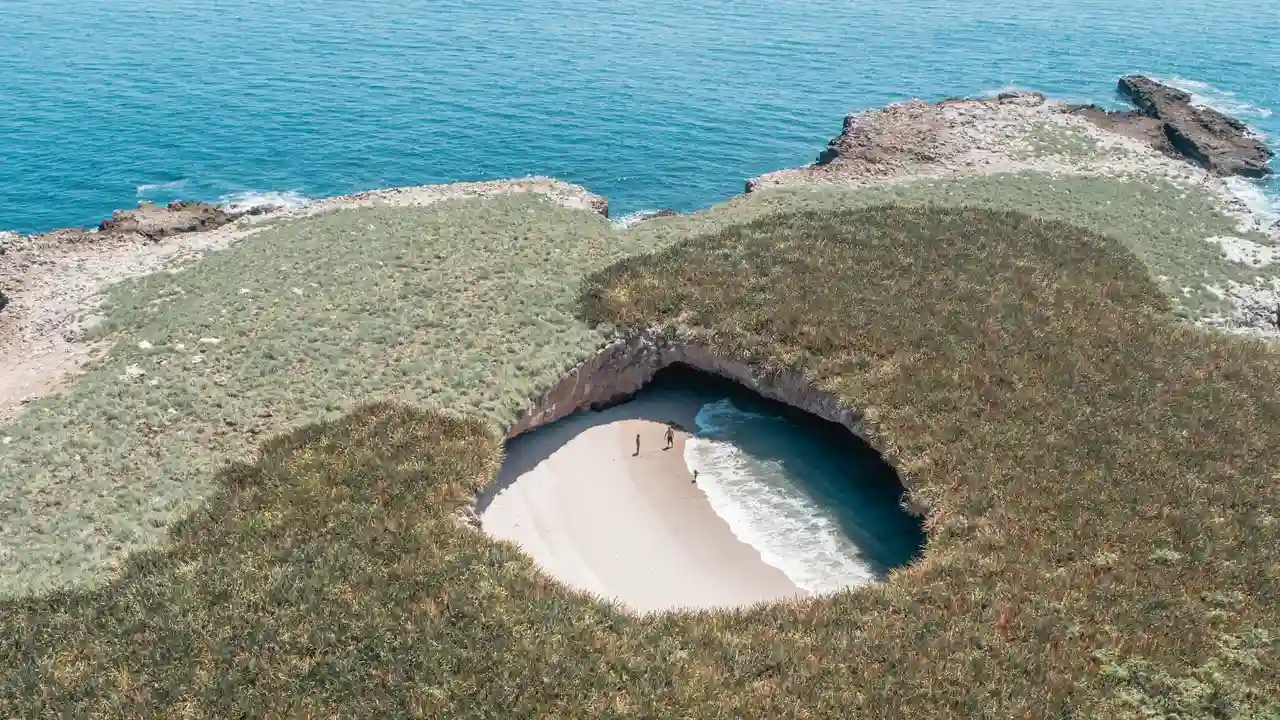
Islas Marías sits far off the Pacific coast, and the isolation gives it an unreal beauty. The water feels untouched. Hills covered in dense greenery rise above calm beaches like Chapingo Beach. The islands form a UNESCO Biosphere Reserve with rare wildlife found nowhere else in Mexico.
For decades, the main island operated as a federal prison. Today it has transformed into an ecotourism zone focused on nature, culture, and quiet exploration. Visitors follow guided routes that reveal old structures, walking paths, and high cliffs with wide ocean views. You may see birds, lizards, and species native only to this region.
Reaching the islands requires a ferry or organized tour. The controlled access protects the ecosystem. Travelers who come here often compare the setting to the Namib Desert coast or remote lake regions like Lake Pend Oreille because of the silence and sharp colors. It is one of the most surreal and least visited corners of Nayarit.
10. Peña de Bernal, Querétaro
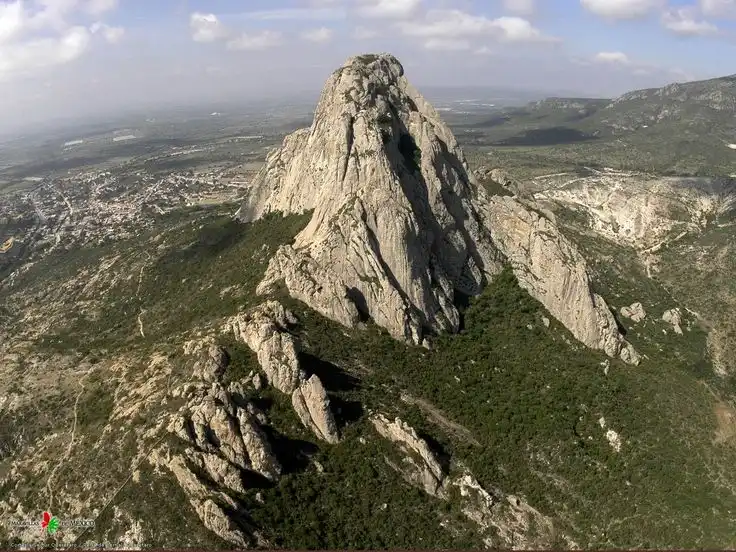
Peña de Bernal is one of the tallest monoliths in the world. The rock rises sharply above a small Pueblo Mágico filled with cobblestone streets and simple markets. The monolith looks almost unreal from every angle. It dominates the skyline, especially at sunset when warm light turns the rock a soft gold.
You can hike partway up the monolith on a marked trail. The views show long valleys and distant peaks in the Sierra Gorda Biosphere Reserve. Some travelers compare this region to Mount Fuji or Wallowa Lake because of the strong vertical landscape.
The town around the monolith is calm. You can try local snacks, listen to Mexican slang in conversations, and enjoy open plazas.
Many travelers pair this stop with visits to nearby wineries or the Franciscan missions in the region. Peña de Bernal is great for first timers and anyone who loves dramatic geological features.
11. Cuatro Palos and Sierra Gorda, Querétaro
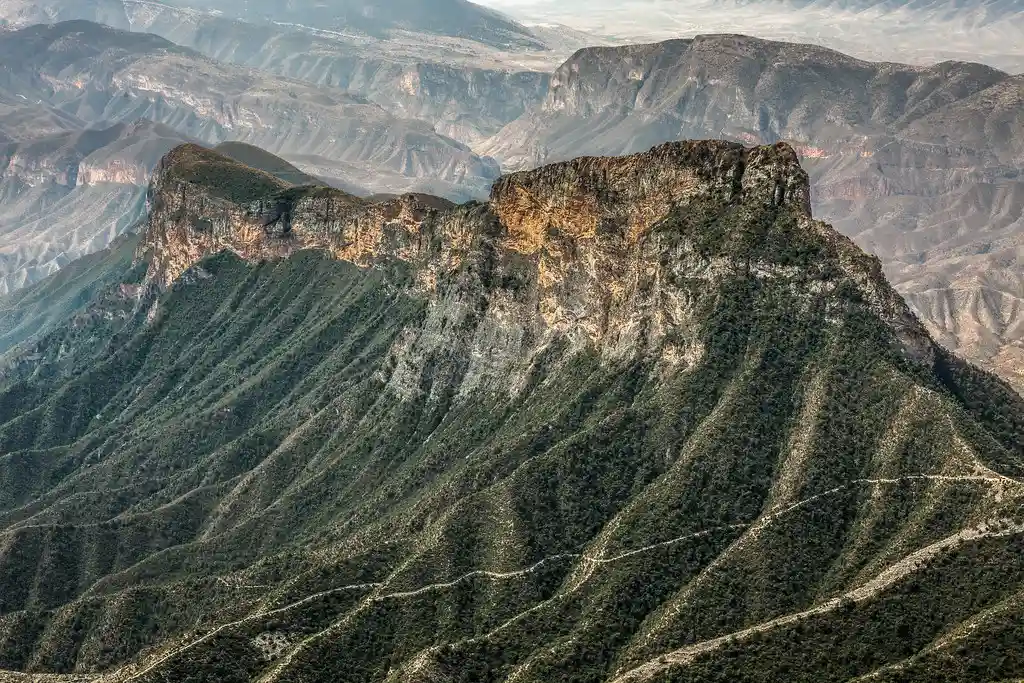
The Sierra Gorda Biosphere Reserve feels wild and deep. The terrain covers misty forests, sharp cliffs, and quiet valleys. Cuatro Palos is the best viewpoint in the region. The trail is short, but the reward is a sweeping view over rolling ridgelines that stretch far into Northern Mexico.
Morning is the best time to visit. Low clouds fill the valleys, and the rising sun lights the landscape in soft color. You can see Peña de Bernal from the top on a clear day. The mix of desert vegetation and thick forest gives the region a unique look.
You can explore rivers, waterfalls, and ancient sites near the reserve. Some travelers stay in small cabins or eco-lodges. The area offers a slower pace than places like Puerto Vallarta or Mexico City. If you enjoy hiking, quiet nature, and hidden trails, Sierra Gorda gives you all of that with very few crowds.
12. Grutas de Cacahuamilpa, Guerrero
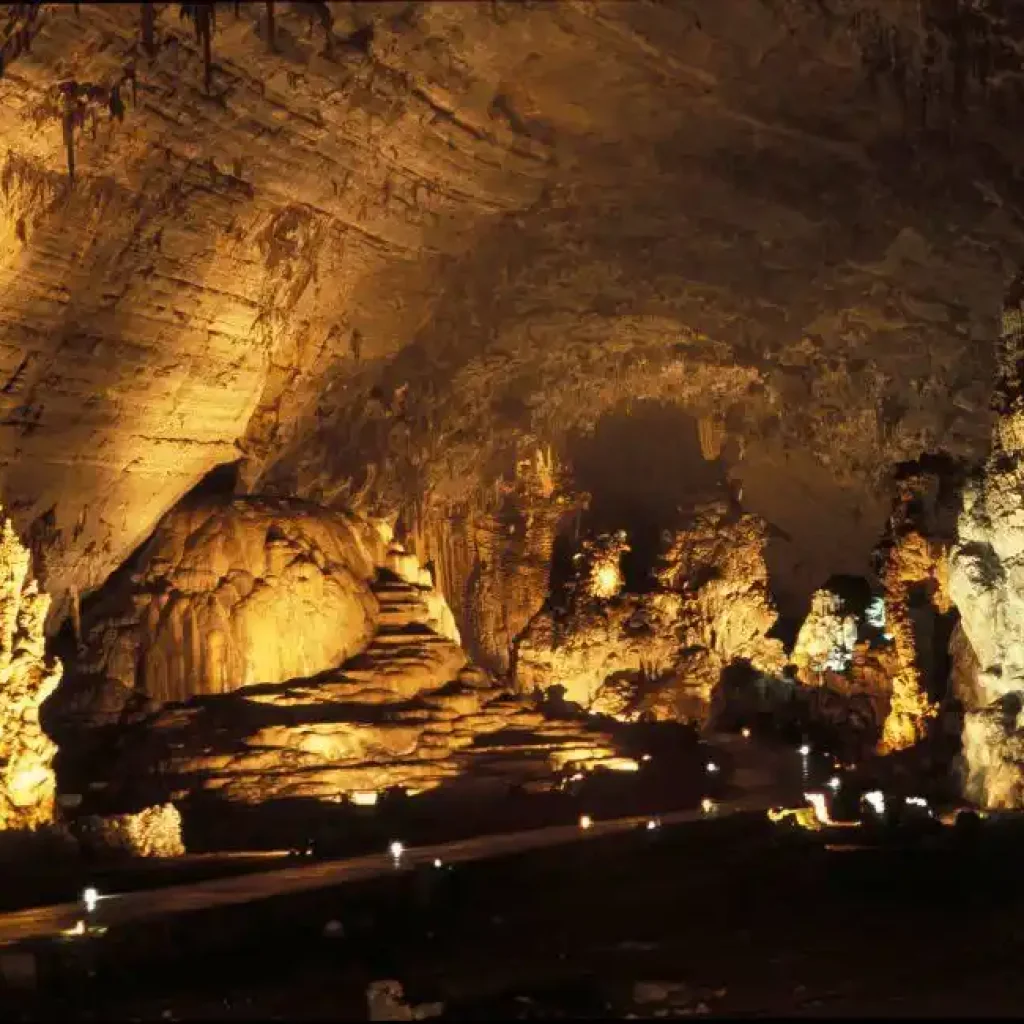
The Cacahuamilpa Caves are some of the largest in the world. The chambers spread deep underground with tall ceilings and strange rock shapes created by slow mineral buildup. The lighting highlights the natural formations, making the space feel like an underground cathedral.
Guided tours walk you through paved paths that stretch for kilometers. The air stays cool and still. The silence adds to the surreal atmosphere. Many visitors compare the experience to Aokigahara Forest or faraway limestone systems in Asia because the environment feels untouched.
You can combine the caves with a visit to the Pueblo Mágico of Taxco. The town has silver shops, winding alleys, and strong cultural traditions. The region sits within reach of Mexico City, which makes it accessible for first timers. The caves offer a dramatic contrast to the bright streets above. It is a great choice if you want something different from beaches or waterfalls.
13. Celestún, Yucatán Peninsula
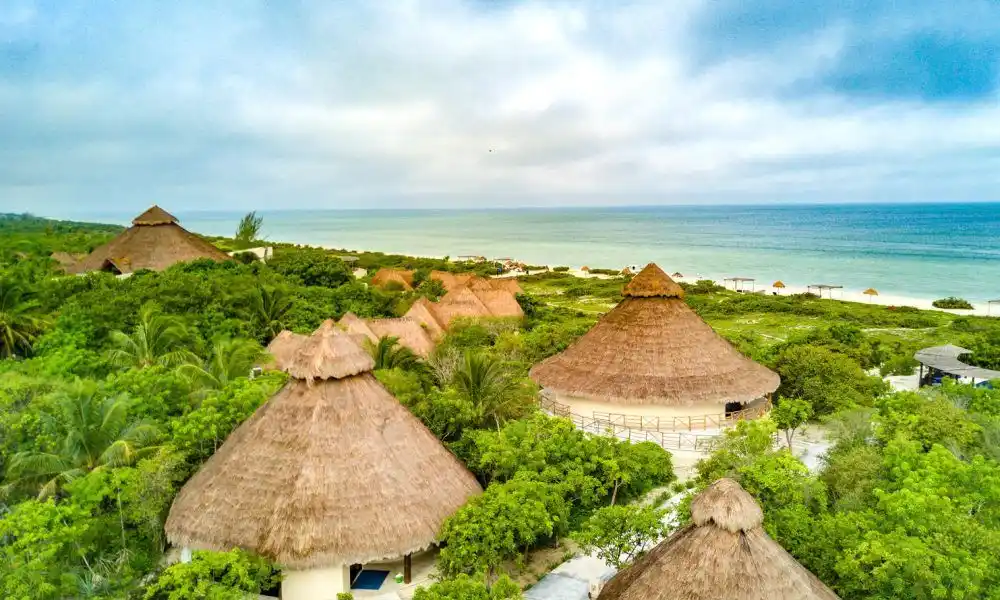
Celestún feels like a moving painting. The shallow water glows in soft blue shades, and groups of bright pink flamingos spread across the estuary. The scene looks unreal at sunrise. The calm water reflects the sky, and birds gather in long lines as they feed. It is one of the best wildlife experiences on the Yucatán Peninsula.
Boat tours take you into the Celestún Biosphere Reserve. You move through quiet mangroves where herons, crocodiles, and small fish appear near the surface. It feels peaceful compared to busy parts of the Riviera Maya or Playa del Carmen. Families and nature lovers enjoy the slow pace here.
The colors remind some travelers of the Seven Colored Earth of Chamarel because of the soft gradients. You can also visit nearby salt flats for more unusual landscapes. Celestún is easy to reach from Mérida, and it fits well with visits to ancient sites and cenotes like Ik Kil Cenote. The area gives you a strong taste of Mexican culture without crowds.
14. Valle de Bravo, Estado de México
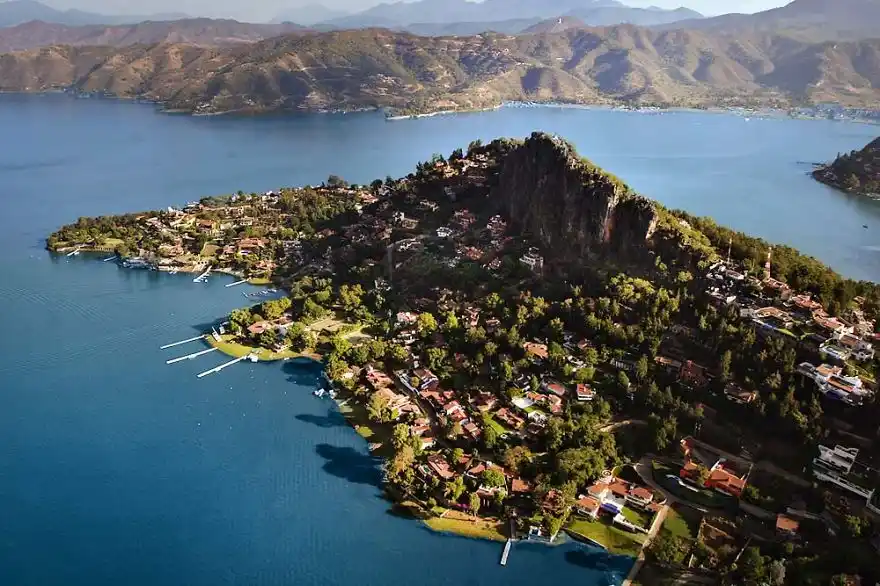
Valle de Bravo sits beside a large lake surrounded by pine forests. The town feels calm and refined. Narrow streets, clean plazas, and small cafés line the center. The lake is the main draw. People kayak, sail, and take slow boat rides. The water reflects the hills in soft colors when the sun drops toward the horizon.
The mountains above the lake offer hiking trails and quiet viewpoints. Morning fog sometimes covers the trees, creating scenes that feel dreamlike. Valle de Bravo is also known for paragliding. The takeoff point offers views that stretch across the entire valley. Many travelers compare it to Lago Suchitlán or Campos do Jordão because of the mountain scenery.
Nearby you can visit the Monarch Butterfly Sanctuary during winter. Thousands of butterflies fill the trees with orange wings. The area is a favorite weekend escape for people from Mexico City. If you want a quiet break that still feels connected to Mexican culture, this town gives you that balance.
15. Ixtapa Island, Guerrero
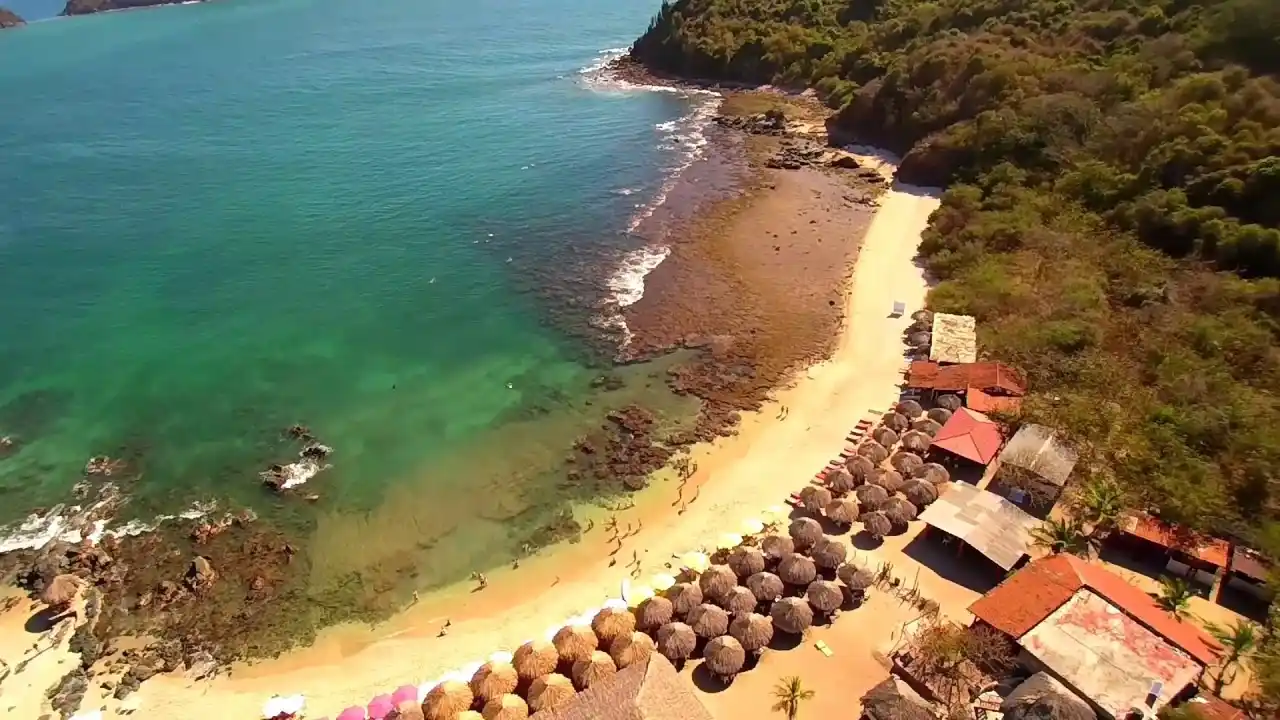
Isla Ixtapa offers clear water, white sand, and quiet beaches that feel far from the mainland. The island has no cars, so the pace stays slow. Most visitors spend time at Playa Varadero or Coral Beach. The water stays shallow, and you can snorkel near the reef where colorful fish move around small rocks.
Wild rabbits roam near some beach areas. Palm trees line the edge of the island, creating soft shade. Many travelers compare the stillness here to Christina Lake or Selkirk Mountains because of the calm atmosphere. It feels simple and clean.
Reaching the island is easy. A short boat ride from Ixtapa or Zihuatanejo gets you there. Once you arrive, you can walk between beaches or relax under a palapa. The seafood is fresh, and the small restaurants serve Mexican street food with local flavors. Isla Ixtapa works well for families, first timers, and anyone who wants a quiet day in nature.
16. Catemaco, Veracruz
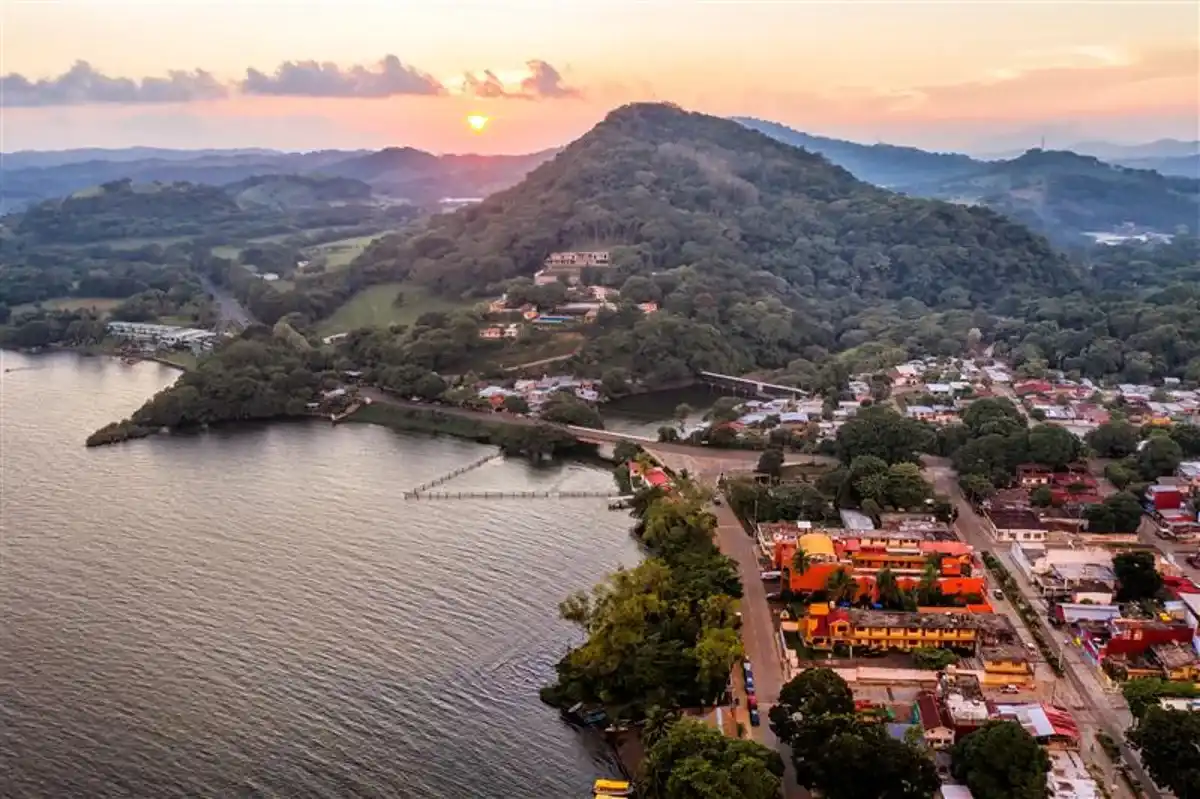
Catemaco feels mysterious. The lake sits below thick jungle, and mist often slides across the water in the morning. The town is known for spiritual healing, plant medicine, and energy cleansing. Local healers offer ceremonies, readings, and traditional rituals. These practices have deep roots in the region’s history.
The area connects to the Los Tuxtlas Biosphere Reserve. Waterfalls, mud baths, and forest trails sit close to town. You can visit Monkey Island by boat. The wildlife and calm water make the whole place feel untouched. Many travelers say Catemaco has a special energy that is hard to describe.
Catemaco also gives you a look at everyday Mexican culture. Markets sell fruit, snacks, and small handmade items. You hear local Mexican slang on the streets. Visitors sometimes compare the mood here to Aokigahara Forest or spiritual retreats in South America because of the deep sense of quiet. It is a place for reflection and soft exploration.
17. Copalita Waterfalls, Oaxaca
Cascadas Mágicas de Copalita sits deep in the hills near Huatulco. The main waterfall drops into a bright green pool that looks almost tropical. The water runs over smooth rock and forms smaller pools downstream. Sunlight hits the mist in soft patterns, giving the area a dreamy look.
The river branches into quiet corners where you can sit in shallow water or explore tiny rapids. Local guides explain the plants, wildlife, and small trails. Many travelers compare the color of the water to Cahabón River or Celaque National Park because of the clean, mineral-rich flow.
The region connects to local communities that focus on slow tourism. Food is simple and fresh. You eat local fruit, tortillas, and small dishes from family-run spots. This area feels far away from busy towns like Puerto Vallarta or Cabo San Lucas. It is perfect for nature lovers who want a calm place with soft scenery.
18. Sian Ka’an, Quintana Roo
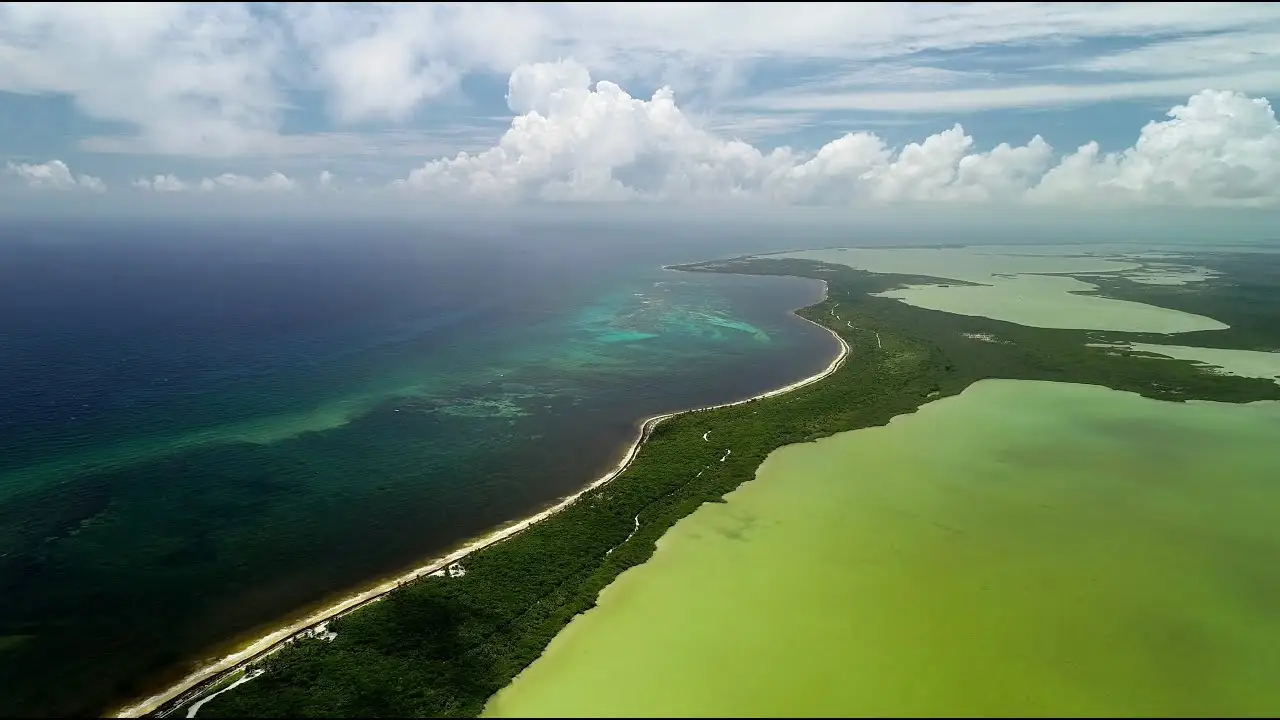
Sian Ka’an feels untouched. It is a protected UNESCO Biosphere Reserve that stretches across mangroves, shallow lagoons, and open Caribbean water. Wildlife moves everywhere. You may see dolphins, turtles, manatees, and tropical birds during a single boat trip.
Many tours take you through clear canals where the water looks like glass. Floating through these channels feels surreal. The silence, soft current, and bright tones make it feel like you are drifting in midair. Some travelers compare it to Lake Pend Oreille because of the clean colors.
This region sits south of the Riviera Maya, far from the crowded beaches of Playa del Carmen. The rough road to Punta Allen keeps the crowds away. That is part of its charm. Sian Ka’an fits well for first timers who want nature and for young adults looking for real outdoor activities. It is one of the most peaceful natural spaces in Mexico.
19. Balandra Beach, Baja California Sur
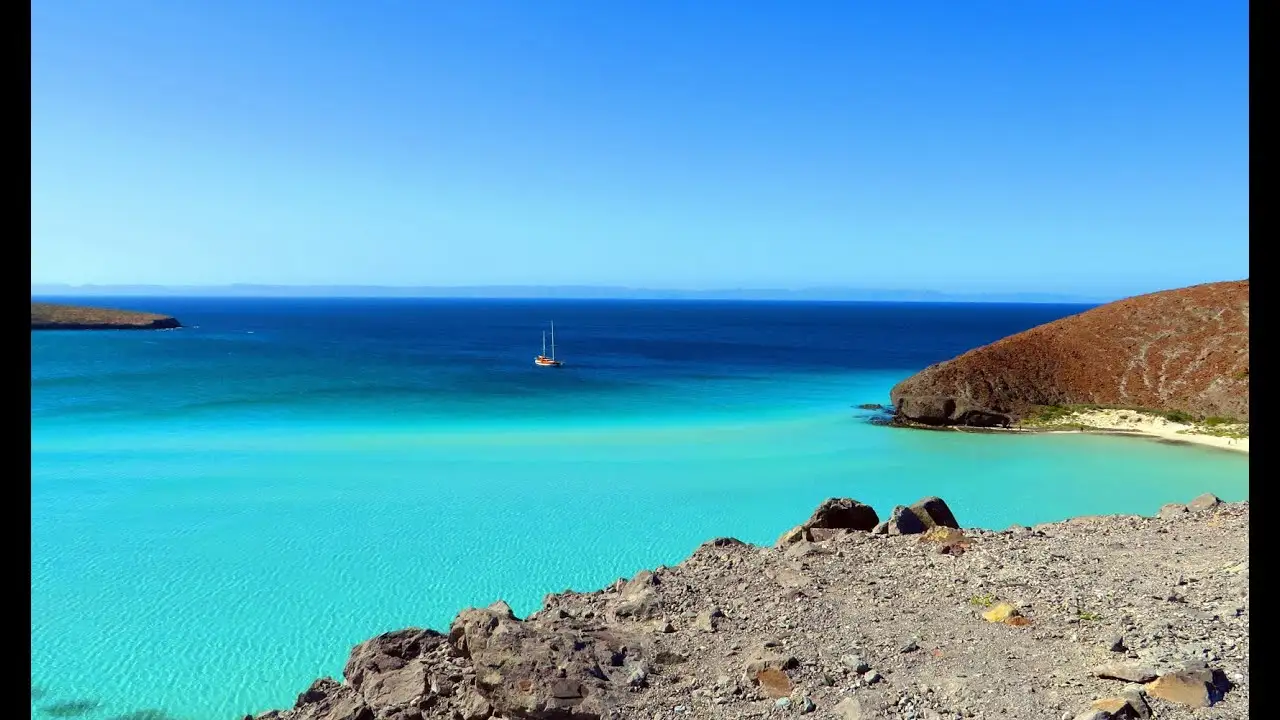
Balandra Beach looks unreal from above. The lagoon forms a wide curve of white sand and turquoise water. Hills covered in tall cacti surround the bay. The shallow water lets you walk far from shore while the seabed stays clear. The combination of calm waves and bright color makes this one of the top 10 most beautiful places in Mexico.
The area sits near La Paz and not far from Cabo San Lucas. Many travelers come here to escape the busier beaches in Baja California. The trails above the lagoon offer some of the best views in the region. You can stand at the top and see the full shape of the bay.
Balandra reminds some visitors of Wallowa Lake or Presa de Tenango because of the clean water and quiet hills. It works well for families, first timers, and photographers. The beach has time-controlled entry to protect the environment, which helps keep the setting peaceful.
20. Mountain to Coast Route, Oaxaca
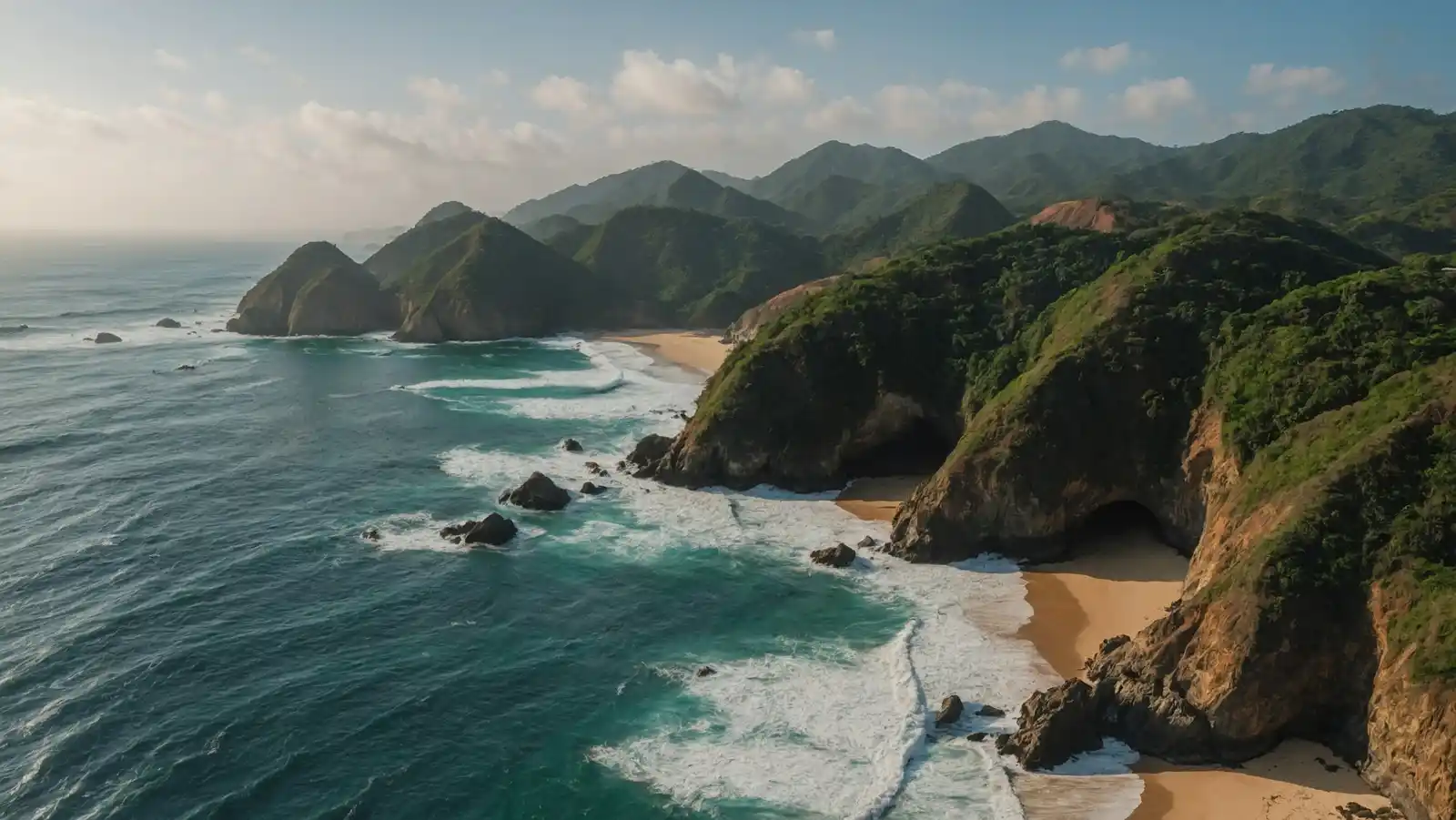
This route links the cool cloud forests of San Jose del Pacifico with the warm beaches of Mazunte. The change in scenery feels unreal. You start above the clouds where fog circles the pine trees. Hours later you reach the coast, where golden sand and soft waves welcome you.
Mazunte holds a simple charm. Yoga retreats, cacao ceremonies, and slow mornings define the town. Travelers relax on small beaches and watch sunsets that turn the sky orange. The rhythm here feels far from busy places like Playa del Carmen or the San Francisco Bay Area.
The mountain road offers wide views of valleys and forest ridges. The coast offers calm swimming areas and smooth sand. This route is popular with digital nomads and long term travelers who enjoy quiet destinations. The shift between climates makes the journey feel dreamlike from start to finish.
Who These Surreal Places Are Best For
1. First Timers Visiting Mexico
Mexico can feel overwhelming on your first trip, especially if your only reference points are Mexico City, Playa del Carmen, or Puerto Vallarta. These surreal destinations make the experience easier. Places like Bacalar, Balandra Beach, and Celestún offer clean water, calm towns, and simple transportation. You get soft scenery without the noise.
First timers often look for safe, quiet, and well-marked areas. Peña de Bernal, Hierve el Agua, and Isla Ixtapa match that need. Trails are short. Entry points are simple. You can enjoy Mexican culture without feeling rushed. These spots also help you understand the country’s size. You see deserts, lakes, waterfalls, and mountain towns in a way that feels balanced.
It is a gentle introduction to Estados Unidos Mexicanos. You avoid border towns and crowded resort strips. Instead, you get real landscapes, small communities, and warm food stalls serving Mexican street food. These places are comfortable for your first trip, yet still feel unreal.
2. Young Adults Looking for Adventure
Young adults often want places with energy. They want outdoor activities, photo-ready scenes, and calm spots to swim or hike. La Huasteca Potosina, San Jose del Pacifico, and Sian Ka’an deliver that mix. You can swim at Puente de Dios, try cliff jumps near Tamul Waterfall, or walk through cloud forests above the sky.
Chiapas and Oaxaca attract digital nomads and long term travelers who want more than party towns. The vibe is simple. Cafés play soft music. Trails lead to waterfalls, rivers, and cliffs. Spots like Mazunte and Holbox work well for people who want nature and a relaxed nightlife.
If you want something intense, the canyon cliffs at La Venta River or the tunnels under Cacahuamilpa Caves add that thrill. These places feel dreamlike but still accessible. They are perfect if you want nature, adventure, and a break from the crowded Riviera Maya.
3. Families Searching for Calm Places
Families usually want shallow water, slow towns, and easy walking paths. Bacalar, Isla Ixtapa, and Balandra Beach are ideal. Children can wade safely, and parents can relax without loud crowds. The colors keep everyone curious. The clean water and wide space make these places feel peaceful.
Valle de Bravo is another strong pick for families. Kayaking, small boat rides, and forest walks give everyone something simple to enjoy. The town stays organized. Streets are clean. The lake area feels safe, which is helpful for parents who prefer predictable surroundings.
For wildlife moments, Celestún is great. Flamingos, mangroves, and calm boat rides help kids connect with nature. It is gentle but still exciting. Families who enjoy culture can add short trips to ancient sites near the Yucatán Peninsula. These places support slow travel, soft scenery, and safe exploration.
4. Travelers Wanting Spiritual or Wellness Experiences
Mexico holds many places with deep spiritual roots. San Jose del Pacifico is known for plant medicine, Hongos Magicos, and energy cleansing guided by local traditions. The cloud forest makes the whole town feel suspended. People come for reflection, calm cabins, and long pauses.
Catemaco offers a different kind of experience. It focuses on spiritual healing, rituals, and local practices. Visitors join ceremonies, learn from guides, and take slow walks around the lake. The Los Tuxtlas region adds jungle hikes, waterfalls, and quiet corners.
Mazunte is popular for yoga retreats, cacao ceremonies, and meditation. The soft sunset colors create the perfect end to each day. Travelers who compare these places to Aokigahara Forest or Campos do Jordão feel the same quiet energy.
If you want a spiritual journey tied to nature, these destinations give you space, silence, and guidance rooted in Mexican culture.
Final Thoughts
Mexico has places that feel dreamlike the moment you reach them. Waterfalls, cloud forests, small mountain towns, and quiet lagoons create scenes that stay in your memory. These spots show a different side of the country. They feel slower, softer, and closer to nature.
If you want a trip that avoids noise and heavy crowds, these surreal places help you see Mexico with fresh eyes. You move through real streets, quiet beaches, and communities that welcome you with simple food and warm conversation. Each destination adds its own style, from golden sand in Baja California to bright pools in Oaxaca.
Travel slowly. Talk to local people. Support small shops. Bring cash for remote areas. Stay patient with long road trips. Mexico rewards travelers who explore beyond the usual routes.
Whenever you return, you will find new corners that feel unreal in the best way.
Frequently Asked Questions
Where to go in Mexico not too touristy?
You can try Bacalar, Celestún, Santiago Apoala, Catemaco, or Valle de Bravo. These places stay quieter and feel more local. They give you calm scenery without heavy crowds.
What is the most underrated city in Mexico?
Guanajuato is a strong pick. It has color, history, museums, and real street life. Many travelers visit San Miguel de Allende instead, but Guanajuato offers a deeper cultural feel.
Where not to go in Mexico?
Avoid isolated border zones, unknown rural roads at night, and areas with active travel advisories. Stick to official highways, well known towns, and places with steady tourism services.
What is the pink zone in Mexico City?
The Pink Zone refers to part of Zona Rosa. It is known for shops, nightlife, restaurants, and open LGBTQ+ spaces. It sits close to Reforma and is easy to walk.
What is the #1 safest city in Mexico?
Merida often ranks at the top. It has steady police presence, clean streets, and a calm lifestyle. Families, digital workers, and long term visitors choose it for that reason.
Is $2000 a month enough to live in Mexico?
Yes, for most people it is. In mid sized cities you can cover rent, food, transport, and daily living with room to spare. Coastal resort towns cost more, so your budget changes by region.

Recent Posts
 SKYXX Bar Ho Chi Minh City: #1 Rooftop Bar in Saigon (2026 Guide)
- Best Places to Snorkel in Hawaii In 2026
- Travel Tweaks Offers: A 2026 Guide to the Best Travel Deals in the USA
- Top Vehicle Choices in Maryland: Selecting the Ideal Bus for Every Trip
- Residence Villa Clara San Vincenzo: Top Features for Travelers