Which Part of Texas Is the Most Beautiful: 13 Stunning Regions
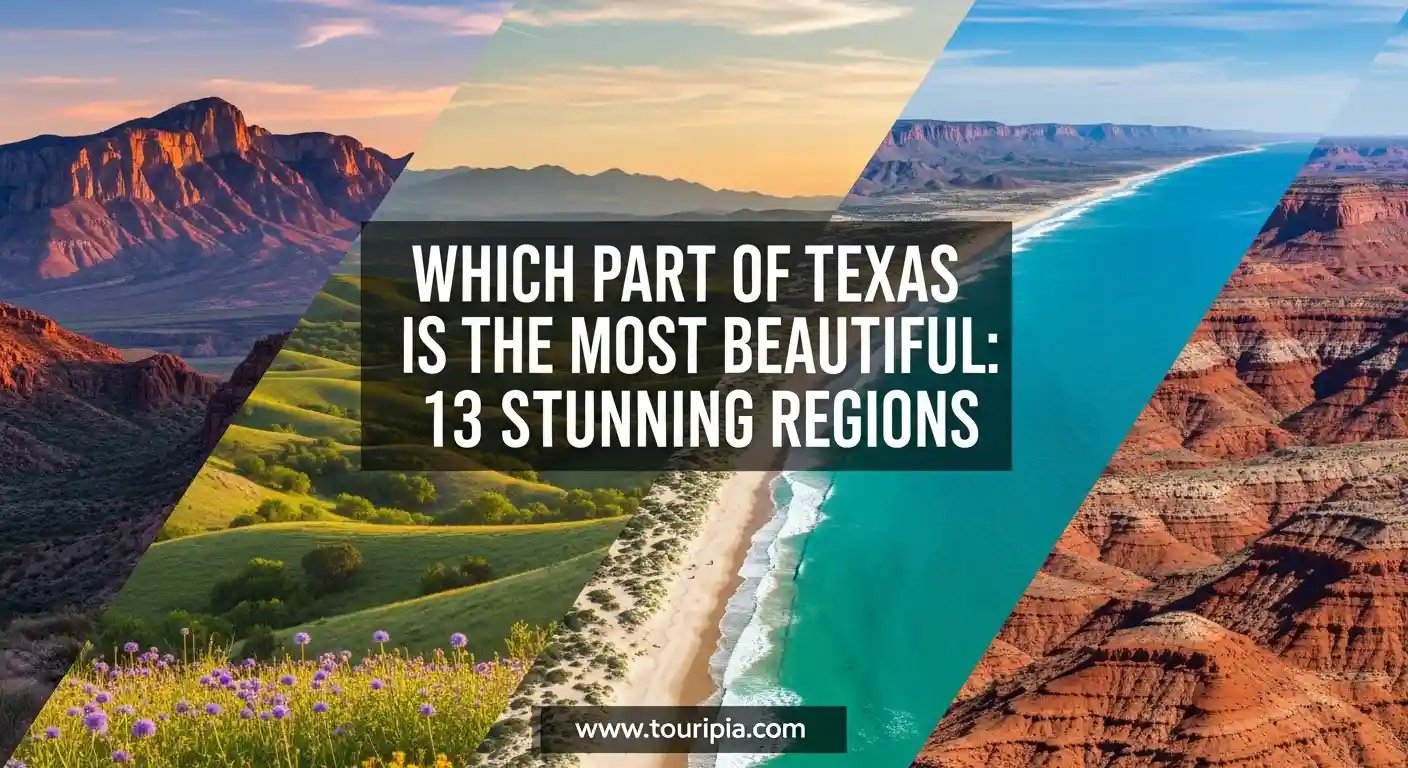
Texas beauty is not one single place. It changes by region, season, and what you enjoy seeing. Some travelers picture rolling hills and spring wildflowers.
Others think of desert canyons, quiet beaches, or deep green forests. That is why the question which part of Texas is the most beautiful has more than one right answer.
Texas covers deserts, coastlines, mountains, rivers, and forests. You can watch the sun set over red rock canyons in West Texas, swim in clear rivers in the Hill Country, or walk under moss-covered cypress trees in East Texas. Each region offers a different kind of scenery and a different reason people fall in love with it.
This Texas guide breaks Texas down into its most visually striking places. By the end, you will know which part of Texas feels the most beautiful for your travel style.
How We Chose the Most Beautiful Parts of Texas?
To rank the most beautiful regions fairly, we looked beyond popularity alone. Each area was evaluated using clear, visual-focused criteria.
- Landscape variety, hills, deserts, beaches, forests, and rivers
- Natural landmarks such as canyons, lakes, waterfalls, and coastlines
- Scenic drives and viewpoints
- Seasonal changes like wildflowers, fall colors, or clear winter skies
- Access to state and national parks
- Photography appeal and visual contrast
- Outdoor experiences like hiking, swimming, and wildlife viewing
Some regions shine in spring. Others look their best in fall or winter. This list reflects year-round beauty, not a single moment.
1. Texas Hill Country
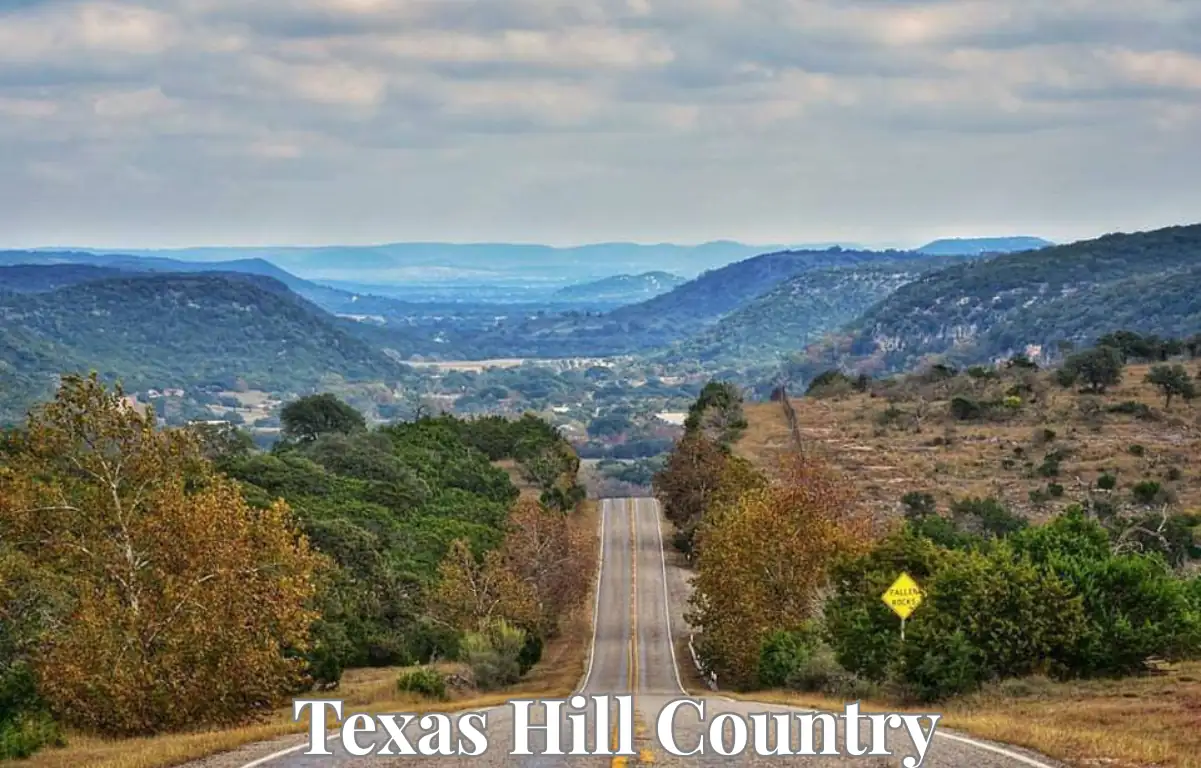
If you ask locals which part of Texas is the most beautiful, many will point straight to the Texas Hill Country. This region sits west of Austin and north of San Antonio, and it delivers a mix of rolling hills, limestone cliffs, and clear-flowing rivers.
In spring, the Hill Country becomes one of the most scenic areas in the state. Bluebonnets and other wildflowers blanket fields and roadsides. Scenic drives turn into long stretches of color, especially around Fredericksburg, Llano, and Marble Falls.
Rivers play a huge role in the area’s appeal. The Guadalupe, Blanco, and Frio rivers cut through the hills and create natural swimming spots. Places like Hamilton Pool Preserve and Blue Hole draw visitors who want both scenery and relief from the heat.
Small towns add another layer of beauty. Fredericksburg blends vineyards with historic buildings. Wimberley feels relaxed and artistic, surrounded by water and hills. Kerrville offers river trails with wide-open views.
What makes the Hill Country stand out is balance. It feels scenic without feeling remote. You get dramatic views, seasonal color, and easy access, all in one region.
2. Big Bend and West Texas Desert
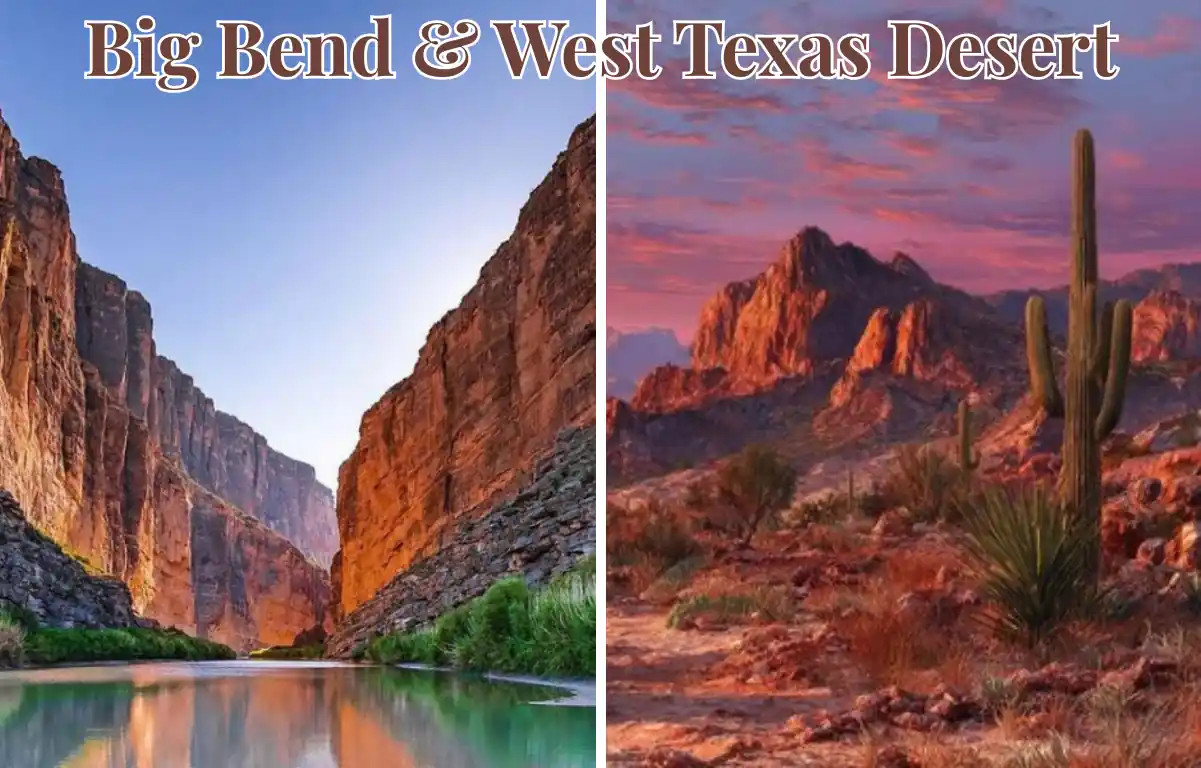
Big Bend sits in the far corner of West Texas and feels unlike anywhere else in the state. This region answers the question which part of Texas is the most beautiful for travelers who love space, silence, and raw landscapes.
Big Bend National Park dominates the area. The land stretches wide with desert plains, sharp mountain ridges, and deep canyons carved by the Rio Grande. Santa Elena Canyon stands out with towering limestone walls that rise straight from the river. Standing there makes the scale of Texas feel very real.
Sunsets define this region. The sky turns deep orange, pink, and purple, often without another person in sight. At night, the darkness takes over. Big Bend is known for some of the clearest night skies in the country, making stargazing one of its biggest visual rewards.
This part of Texas feels dramatic and untouched. It does not rely on lush greenery or water. Its beauty comes from contrast, open horizons, and the sense that you are far from everything.
3. Palo Duro Canyon and the Texas Panhandle
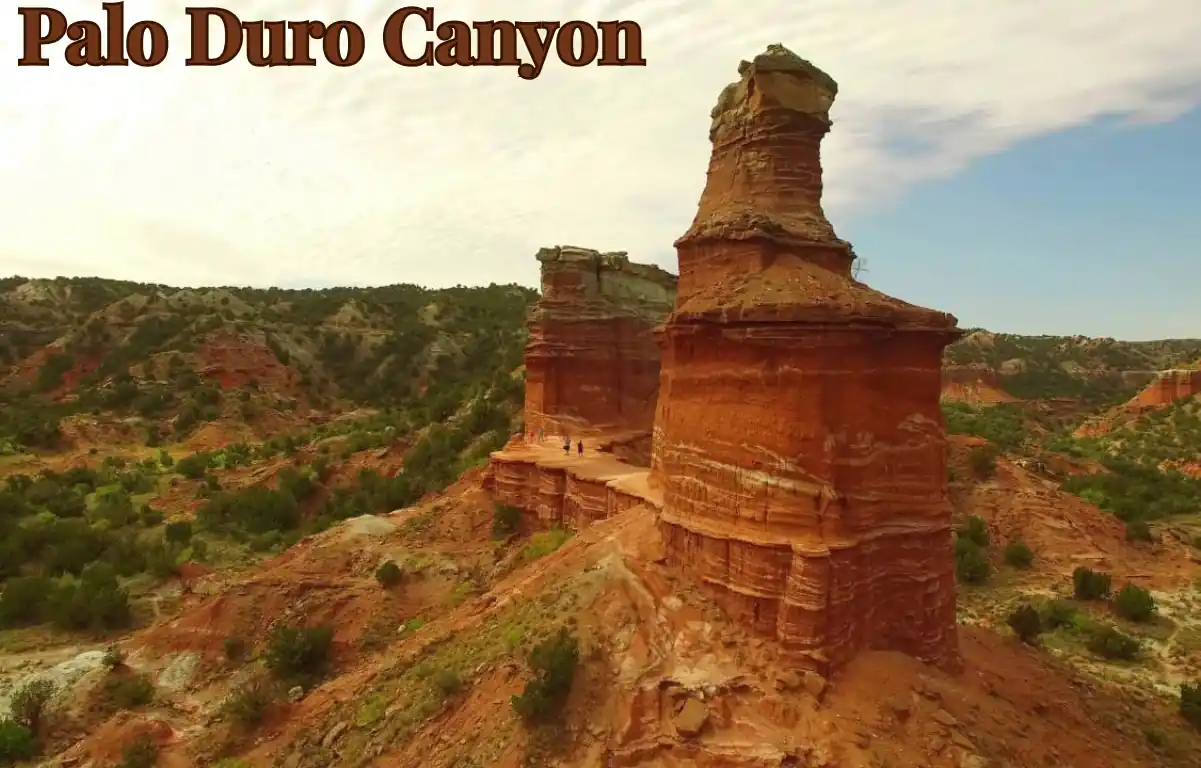
The Texas Panhandle surprises many first-time visitors. Flat highways suddenly drop into Palo Duro Canyon State Park, often called the Grand Canyon of Texas. It is the second-largest canyon in the United States, and one of the most visually striking places in the state.
The canyon walls glow red, orange, and gold, especially during sunrise and sunset. Layers of rock tell a geological story that stretches back millions of years. Scenic overlooks provide wide views that feel endless.
Hiking trails wind along canyon floors and ridge lines. Even short walks offer strong visual payoff. The Lighthouse Trail leads to one of the most photographed rock formations in Texas.
This region earns its place on the list because it defies expectations. Many people do not expect this level of scenery in Texas, which makes the experience even stronger.
4. Gulf Coast Beaches of Texas
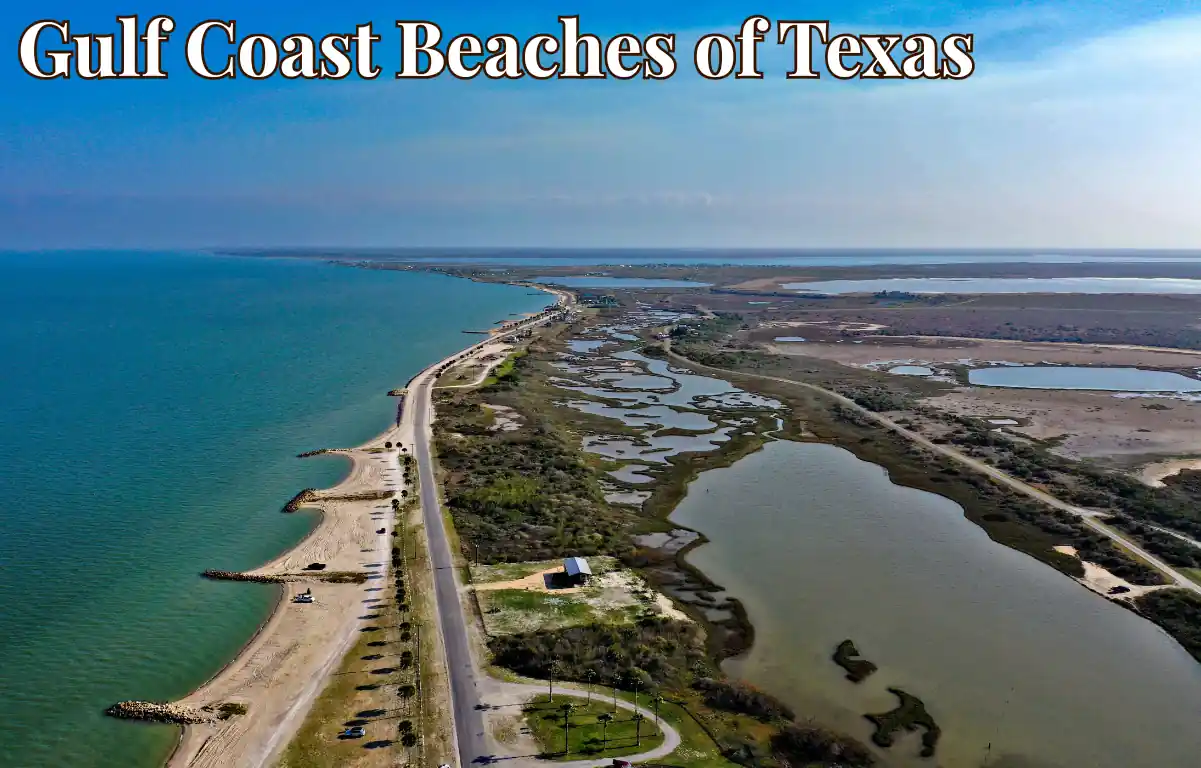
For beach lovers, the Texas Gulf Coast often answers which part of Texas is the most beautiful. While it looks different from Florida or California, it has its own calm, coastal charm.
South Padre Island offers wide beaches, soft sand, and clear water compared to much of the coast. Sunrises and sunsets stretch across the horizon, with seabirds and gentle waves setting the scene. Port Aransas and Rockport Beach bring a quieter feel with coastal wetlands and wildlife nearby.
The Gulf Coast changes with the seasons. Summer brings warm water and long beach days. Spring and fall feel peaceful, with fewer crowds and softer light for photography.
What makes this region special is simplicity. Open beaches, coastal skies, and relaxed towns create a slower pace that many travelers find beautiful in its own way.
5. Piney Woods of East Texas
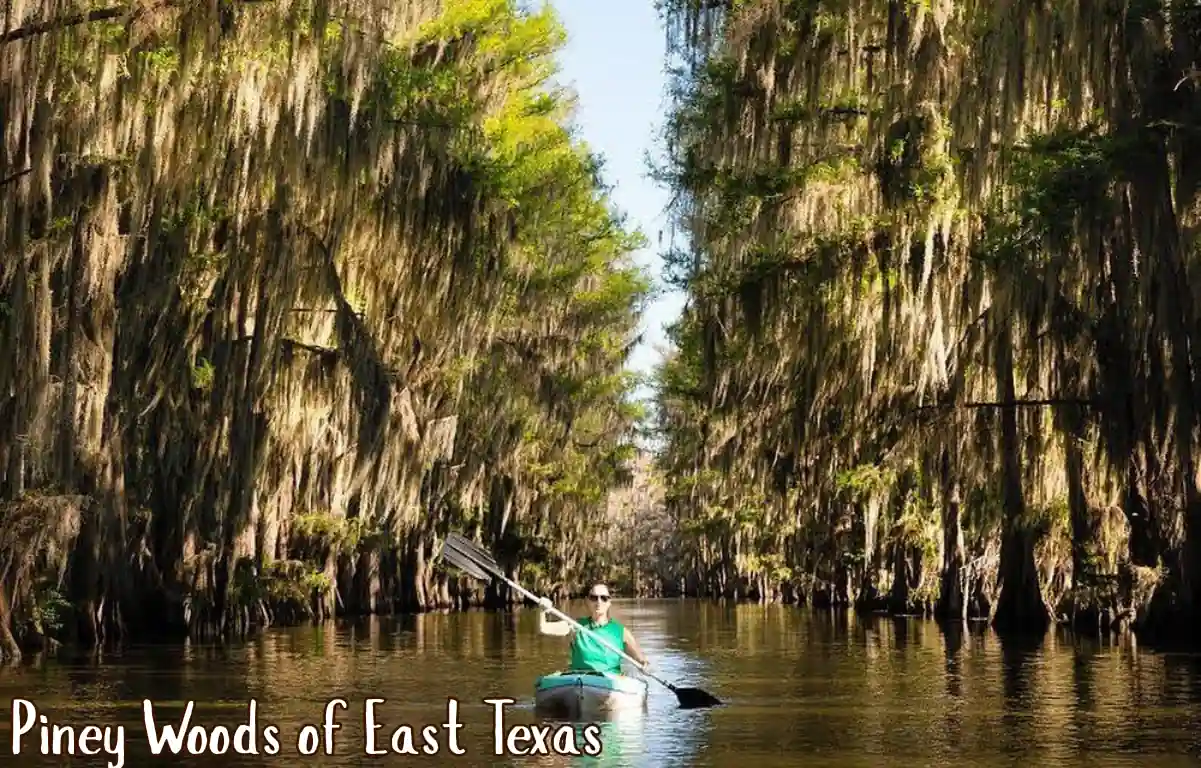
East Texas feels like a different state altogether. The Piney Woods region is dense, green, and quiet, offering a softer kind of beauty compared to the open landscapes of West Texas. If forests and water define beauty for you, this area stands out.
Tall pine trees stretch across rolling terrain, broken by lakes, rivers, and wetlands. Caddo Lake is the visual highlight. Cypress trees rise from dark water, their branches draped in Spanish moss. Early mornings bring mist that hangs low over the lake, creating one of the most atmospheric scenes in Texas.
Fall adds another layer of appeal. Leaves shift into shades of gold and red, especially around small towns and state parks. The slower pace and natural shade make this region feel calm and reflective.
This part of Texas feels rich and lived-in, shaped by water and time rather than dramatic elevation.
6. Guadalupe Mountains Region
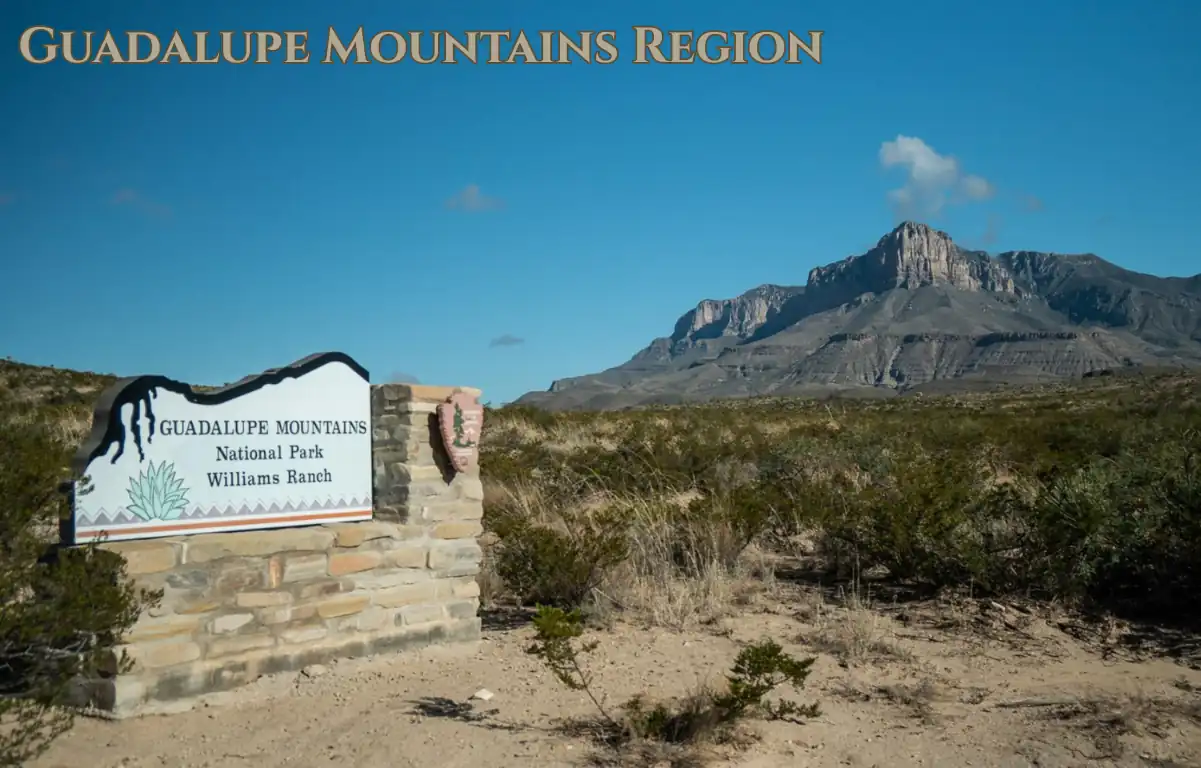
The Guadalupe Mountains hold the highest peaks in Texas and deliver a rugged, elevated beauty that surprises many visitors. This region sits in West Texas, near the New Mexico border, and offers a mountain experience few expect from the state.
Guadalupe Peak rises above the desert floor, creating sharp contrast between low plains and high ridges. McKittrick Canyon adds seasonal color, especially in fall, when trees turn bright against rocky canyon walls.
Hiking here feels remote and raw. Trails climb through exposed terrain with wide views in every direction. The scenery feels quiet and powerful, shaped by wind, rock, and time.
For travelers who associate beauty with elevation and dramatic terrain, this region makes a strong case.
7. Davis Mountains and Far West Texas
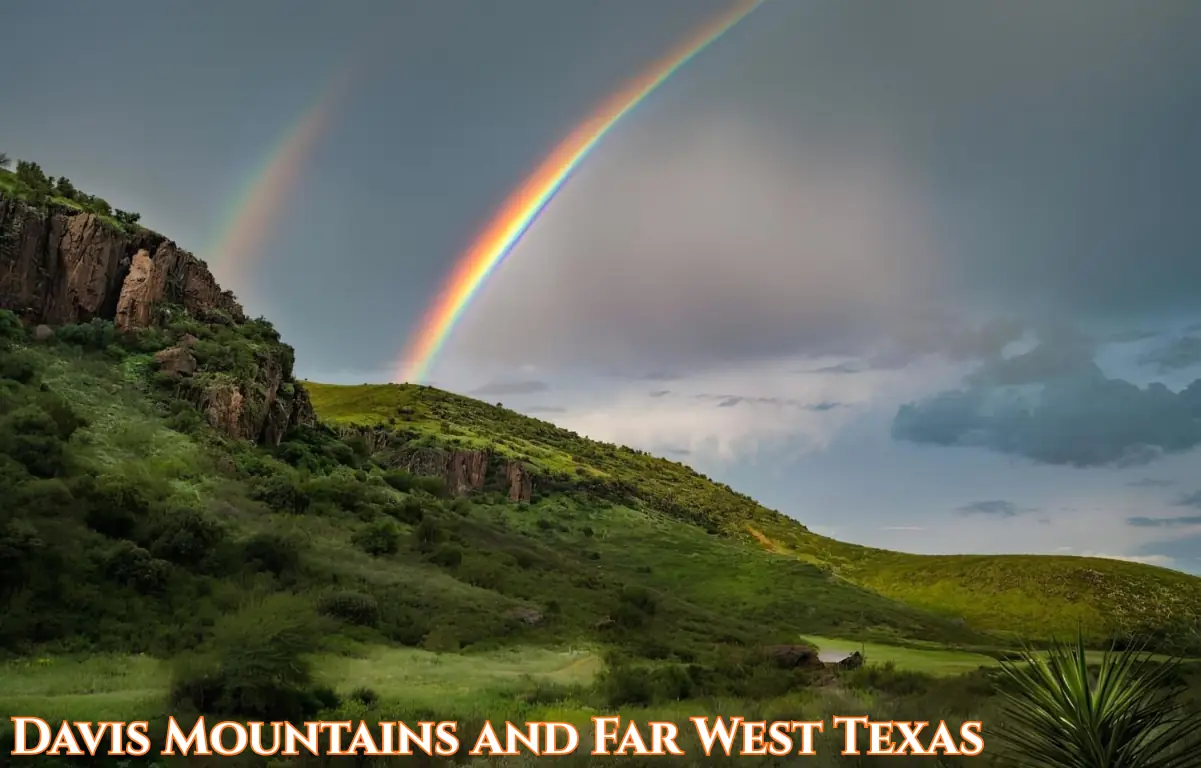
The Davis Mountains bring together desert and mountain scenery in a way few Texas regions do. This area feels cooler, higher, and more peaceful than the surrounding desert.
Volcanic peaks rise from wide valleys. Scenic drives twist through open landscapes with long sightlines and sudden elevation changes. The McDonald Observatory sits high in the mountains and offers sweeping views during the day and remarkable stargazing at night.
The beauty here feels understated. There are no crowds, no large cities, and very little noise. The land itself becomes the focus, especially during sunset when the mountains catch warm light.
This region appeals to travelers who want quiet scenery and space to slow down.
8. South Texas Plains and Rio Grande Valley
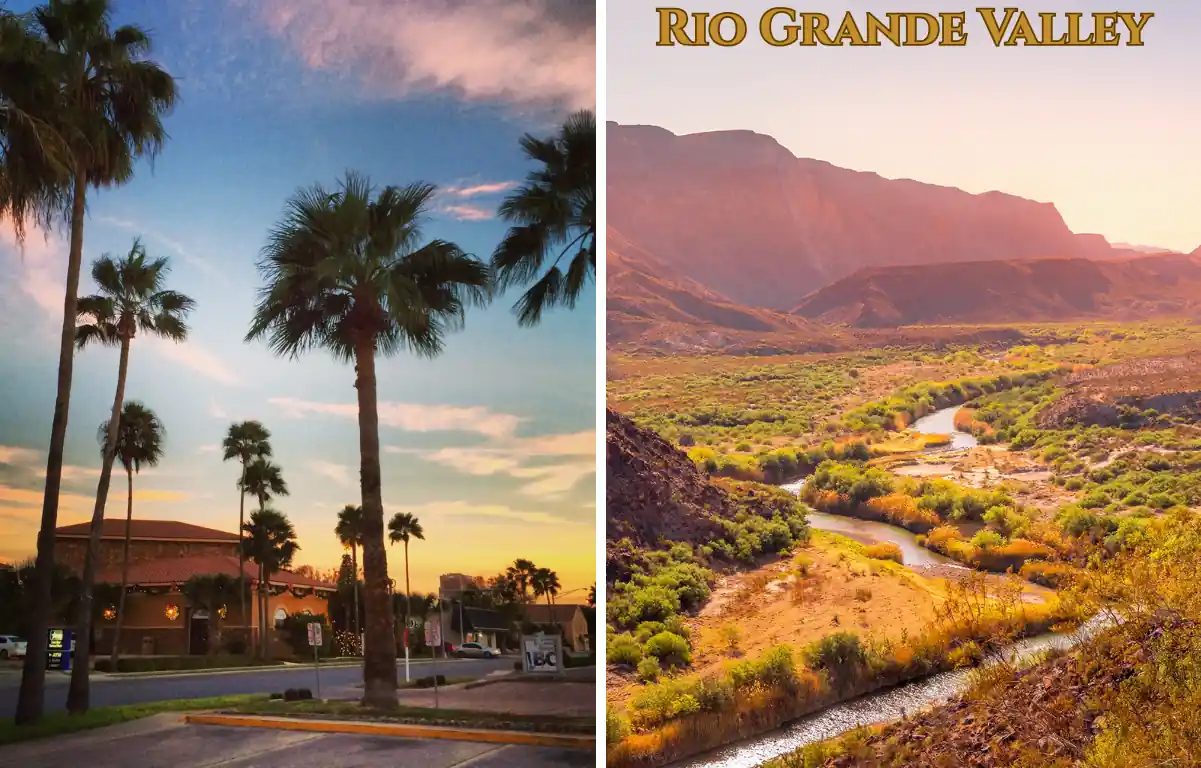
South Texas offers a subtler kind of beauty that often goes unnoticed. This region stretches toward the border and shifts into warmer, flatter landscapes shaped by wildlife refuges, farmland, and open skies.
The Rio Grande Valley stands out for its birdlife and greenery. Palm-lined roads, citrus groves, and river-fed wetlands create scenery that feels more tropical than most of Texas. Nature centers and wildlife refuges bring color and movement, especially during migration seasons.
Sunsets here feel wide and soft. The land does not rely on elevation or dramatic rock formations. Its appeal comes from warmth, light, and life. For travelers who enjoy nature watching and quiet scenery, this region feels rewarding.
9. Coastal Bend and Barrier Islands
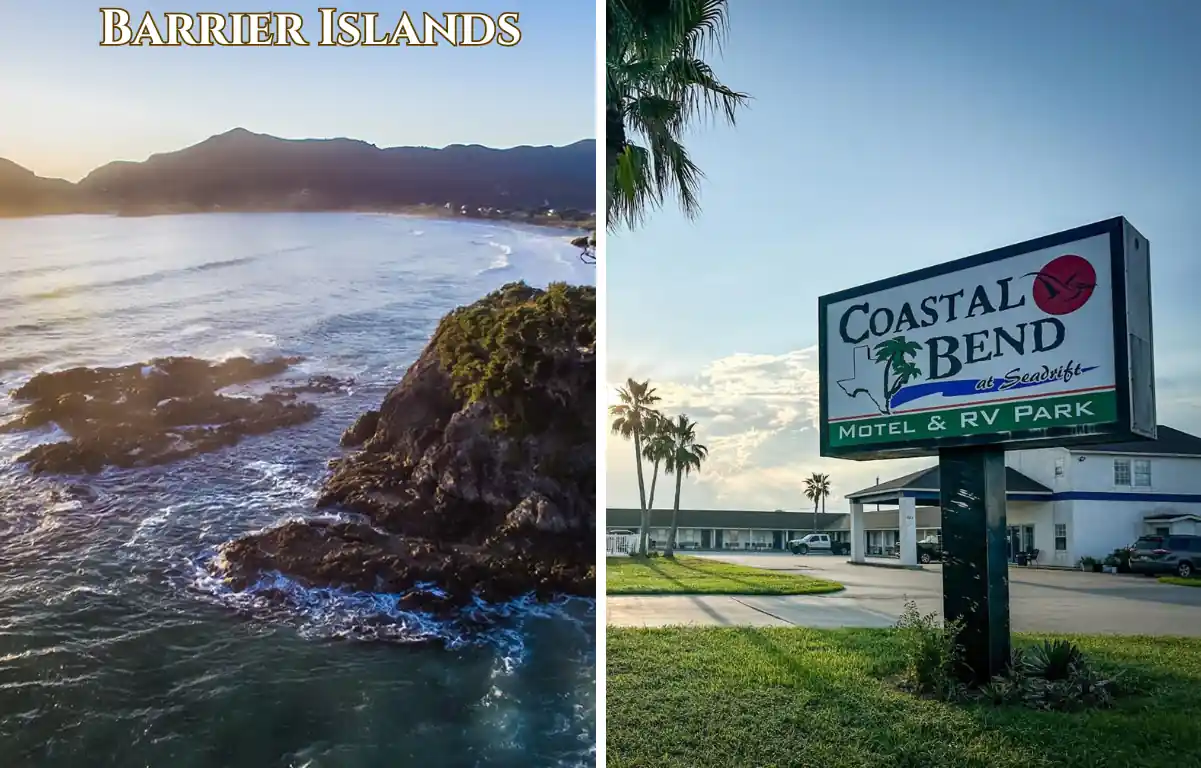
The Coastal Bend blends land and water in a way that feels balanced and calm. This area sits between the open Gulf and inland bays, creating wetlands, sand flats, and shallow waters full of birds and marine life.
Laguna Madre defines the region. Its calm, shallow water reflects the sky, especially during early mornings and evenings. Barrier islands protect the coast and create long stretches of undeveloped shoreline that feel peaceful and open.
Fishing boats, coastal grasses, and wide skies shape the view. Unlike busier beach destinations, this part of Texas feels slower and less crowded. The scenery invites long walks, quiet observation, and unhurried time outdoors.
10. Central Texas Rivers and Waterfalls
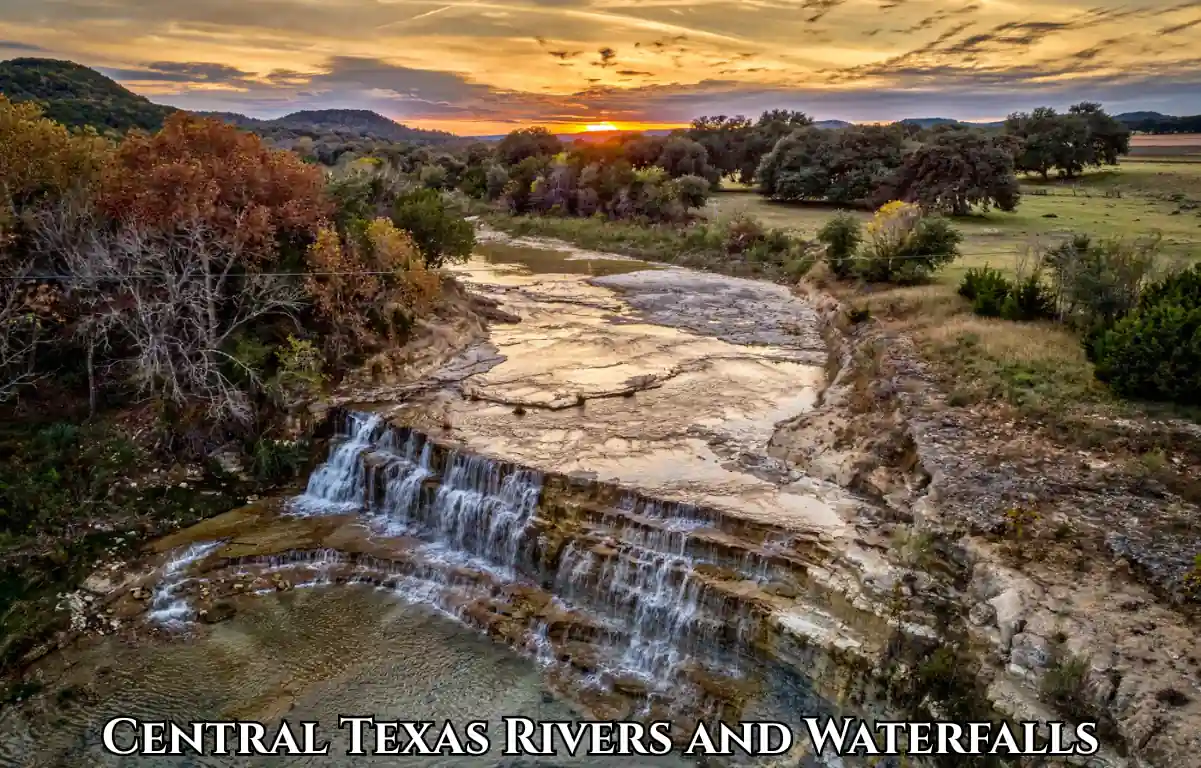
Central Texas shines when water takes center stage. Rivers cut through limestone terrain and create some of the most refreshing and visually pleasing spots in the state.
Hamilton Pool Preserve stands out with its collapsed grotto and jade-colored water. Gorman Falls flows over mineral-covered rock, creating texture and movement that feels rare in Texas. The Blanco and Guadalupe rivers offer clear water framed by rocky banks and shaded trees.
Summer brings this region to life. Locals and visitors gather along riverbanks, swim in natural pools, and float downstream under open skies. The beauty here feels active and inviting, shaped by water and sun.
Explore more on 12 Must-Visit Regions in Texas for Every Type of Traveler
11. Monahans Sandhills and West Texas Dunes
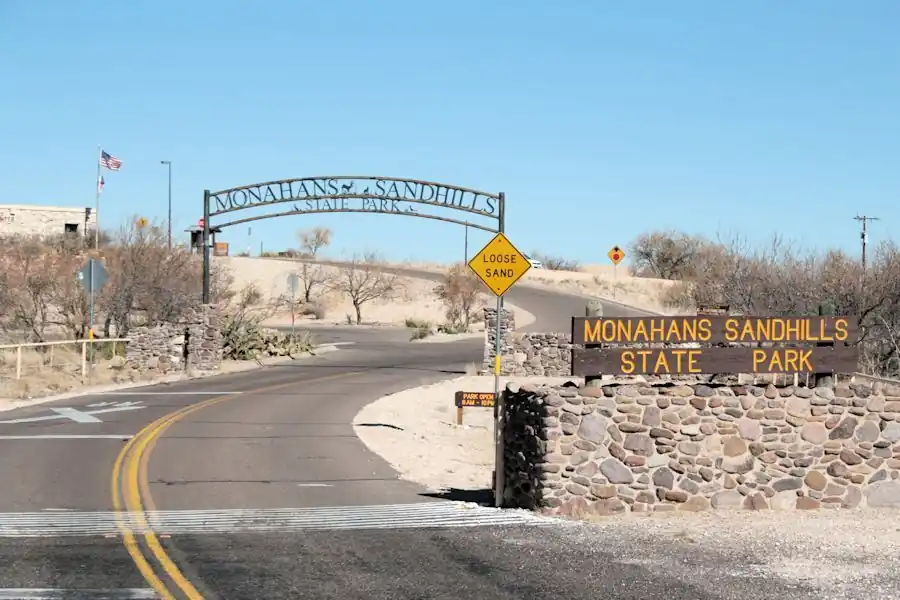
Monahans Sandhills State Park proves that Texas beauty does not always look the same. This region features rolling sand dunes that stretch across the horizon, creating a landscape many people never expect to see in the state.
The dunes shift with the wind, changing shape and texture throughout the day. Early mornings and late evenings bring the best light, when shadows carve patterns into the sand and the colors soften into gold and amber.
There are no trees, rivers, or cliffs here. The beauty comes from simplicity and contrast. Wide skies meet open dunes, and silence fills the space. For photographers and travelers who enjoy minimal landscapes, this area feels striking and memorable.
12. Historic and Scenic Small Town Regions
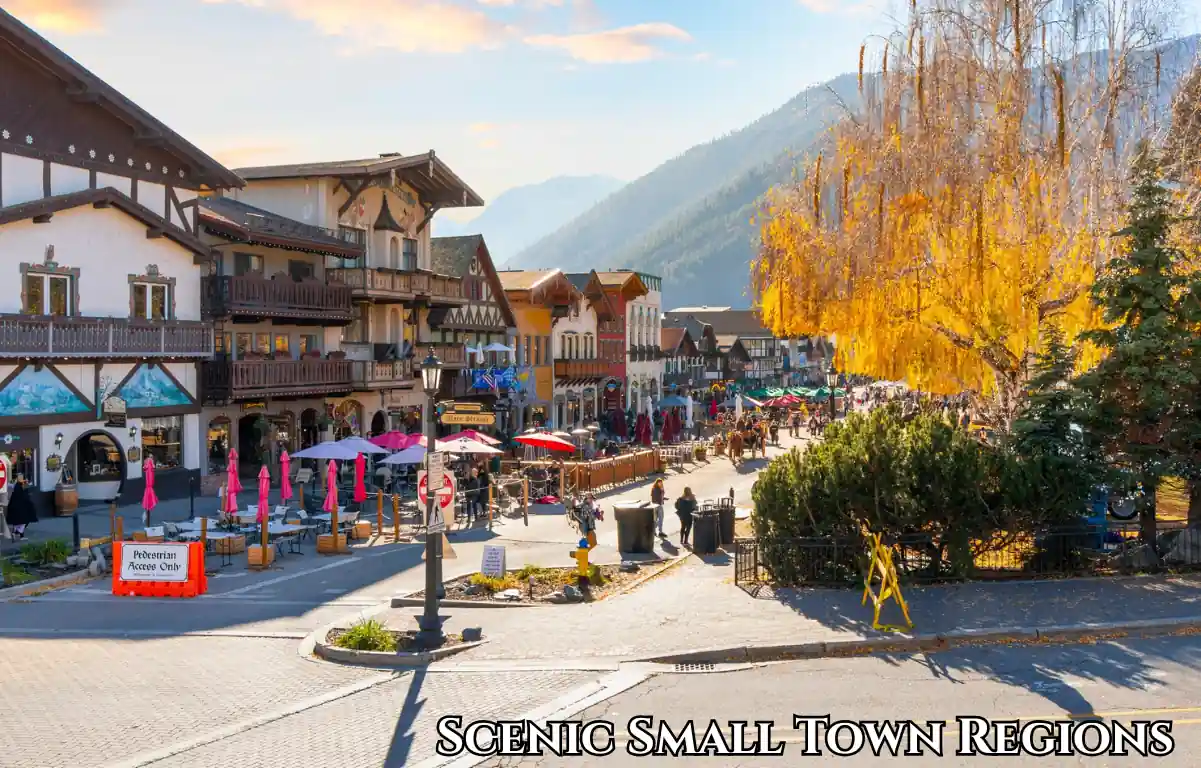
Some of the most beautiful parts of Texas are not defined by nature alone, but by how towns sit within the landscape. These places combine scenery, architecture, and atmosphere.
Fredericksburg blends rolling hills with historic streets and vineyard views. Jefferson, in East Texas, feels surrounded by water, trees, and preserved buildings that reflect its past. Marfa stands out for its desert setting and wide-open skies, where art and landscape merge. Canyon, Texas, sits near Palo Duro Canyon and pairs small-town charm with dramatic natural views.
These towns slow the pace of travel. Walkable streets, local character, and surrounding scenery create beauty that feels personal rather than overwhelming.
13. Texas State Parks With the Best Scenery
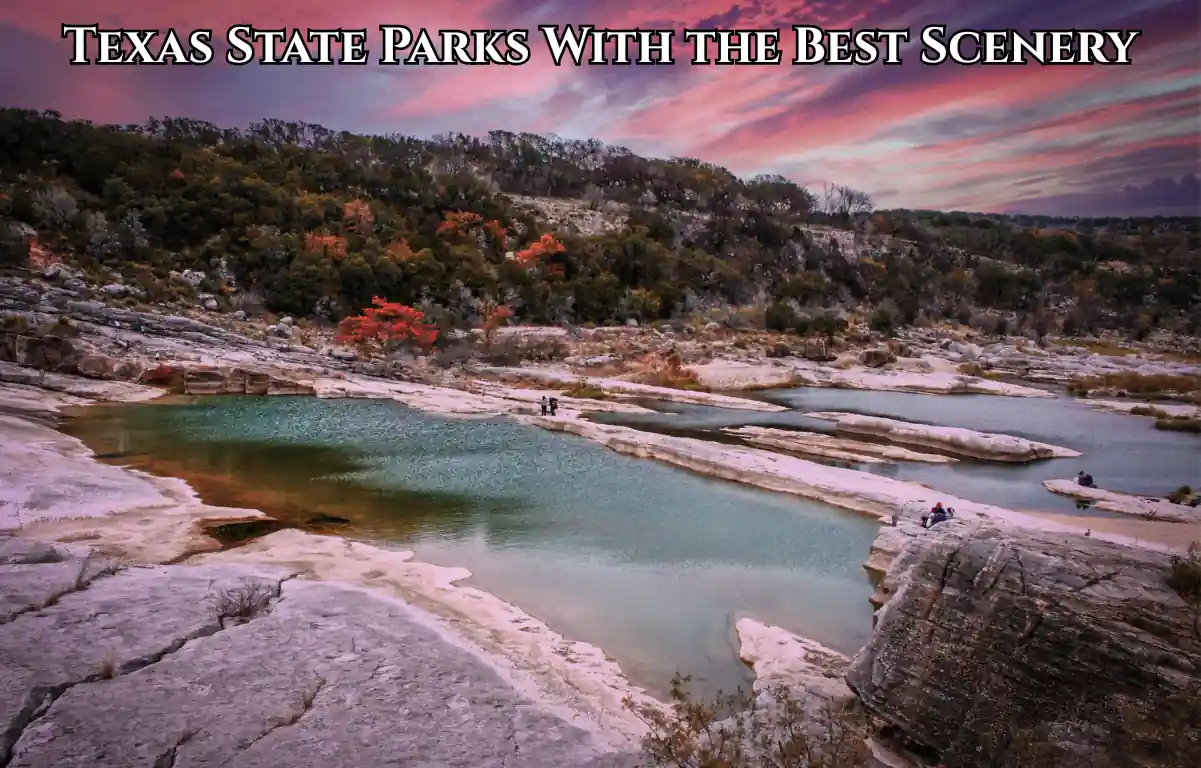
Texas state parks play a major role in defining the most beautiful regions of the state. They protect landscapes that might otherwise be overlooked.
Lost Maples State Park shines in fall, when maple trees turn bright against rugged hills. Caprock Canyon State Park offers red rock views and open plains where bison roam freely. Brazos Bend State Park mixes wetlands, lakes, and wildlife just outside a major city.
These parks highlight Texas variety. From forested trails to desert canyons, they show how much natural beauty fits inside state borders alone.
Best Parts of Texas by Season
Texas beauty changes throughout the year, and timing plays a big role in deciding which part of Texas is the most beautiful for your trip.
Spring belongs to the Texas Hill Country. Wildflowers, especially bluebonnets, cover fields and roadsides. Temperatures stay mild, and rivers run clear. Scenic drives feel at their best during this season.
Summer shifts attention to water. Gulf Coast beaches, Central Texas rivers, and the Coastal Bend become more appealing. Swimming, boating, and long daylight hours highlight these regions, while hotter desert areas fade into the background.
Fall favors East Texas and the mountains. Piney Woods forests take on color, and places like McKittrick Canyon in the Guadalupe Mountains show rare fall foliage. Cooler air adds comfort to outdoor exploration.
Winter brings West Texas into focus. Big Bend, the Davis Mountains, and desert regions feel open and dramatic without extreme heat. Clear skies and quiet trails define the season.
So, Which Part of Texas Is the Most Beautiful?
There is no single answer to which part of Texas is the most beautiful. The state offers many kinds of scenery, and each one speaks to a different type of traveler.
For rolling hills, rivers, and seasonal color, the Texas Hill Country stands out. For dramatic views and silence, Big Bend and West Texas deliver unmatched scale. For water and calm coastal scenes, the Gulf Coast and Coastal Bend shine. For forested landscapes and quiet lakes, East Texas offers a softer, slower beauty.
The most beautiful part of Texas depends on what you value most. Wide open space or shaded trails. Water or desert. Solitude or small-town charm. Texas offers all of it, spread across regions that feel entirely different from one another.
Quick Comparison: Texas Regions at a Glance
- Texas Hill Country: rolling hills, rivers, spring wildflowers
- Big Bend and West Texas: desert, canyons, dark skies
- Palo Duro Canyon: red rock cliffs, canyon views
- Gulf Coast: beaches, coastal towns, open horizons
- East Texas Piney Woods: forests, lakes, fall color
- Guadalupe Mountains: peaks, rugged trails, elevation
- Davis Mountains: volcanic terrain, scenic drives
Final Thoughts
Texas does not have one most beautiful place. It has many, spread across regions shaped by land, water, and time. The beauty lies in its contrast. You can stand in a canyon one day, float down a river the next, and watch the sun set over sand dunes after that.
The best way to experience Texas beauty is to match the region to your travel style and season. Once you do, the answer to which part of Texas is the most beautiful becomes clear for you.
Frequently Asked Questions
1. Which part of Texas is considered the most beautiful overall?
Many people consider the Texas Hill Country the most beautiful overall because of its rolling hills, rivers, wildflowers, and scenic drives.
2. Is the Texas Hill Country the prettiest region in Texas?
Yes, the Texas Hill Country is often seen as the prettiest region due to its balanced mix of hills, water, small towns, and seasonal color.
3. What is the most scenic area in Texas for nature lovers?
Big Bend and West Texas stand out for nature lovers who enjoy dramatic desert landscapes, canyons, and wide open skies.
4. Which region of Texas has the best landscapes?
The best landscapes depend on preference, with Hill Country offering greenery and rivers, while West Texas provides rugged desert and mountain scenery.
5. Is West Texas more beautiful than East Texas?
West Texas feels more dramatic with deserts and mountains, while East Texas offers lush forests and lakes, making beauty subjective.
6. What part of Texas has the most natural beauty?
Texas Hill Country and Big Bend are often highlighted for their strong mix of natural features and visual variety.
7. Are Texas beaches considered beautiful compared to other states?
Texas beaches are calmer and less crowded, offering wide shorelines and coastal wildlife rather than dramatic cliffs or turquoise water.
8. What is the most picturesque place in Texas to visit?
Palo Duro Canyon is one of the most picturesque places, known for its colorful canyon walls and scenic overlooks.
9. Which part of Texas is best for outdoor scenery and hiking?
Big Bend, Guadalupe Mountains, and Palo Duro Canyon offer the best outdoor scenery and hiking experiences in Texas.
10. What region of Texas is best for photography?
West Texas is ideal for photography thanks to dramatic light, open landscapes, and striking sunset and night sky scenes.
11. Does Texas have mountains and scenic views?
Yes, the Guadalupe Mountains and Davis Mountains provide high-elevation views and rugged scenery in West Texas.
12. What is the best time to visit the most beautiful parts of Texas?
Spring and fall are best for most regions, while winter works well for West Texas and summer suits rivers and coastal areas.

Recent Posts
 Texas Hill Country Wildflowers: Where & When to See Blooms (2026 Updated)
- 10 Hotels to Avoid in Las Vegas in 2026 (And Why Guests Keep Complaining)
- 25 Most Beautiful Places in Texas to Take Pictures
- The Ultimate Texas in Summer Travel Guide: Best Places to Visit in 2026
- Things to Do in Fredericksburg Texas (2026): Hidden Gems + Local Favorites