10 Best Wildlife Encounters In Central America
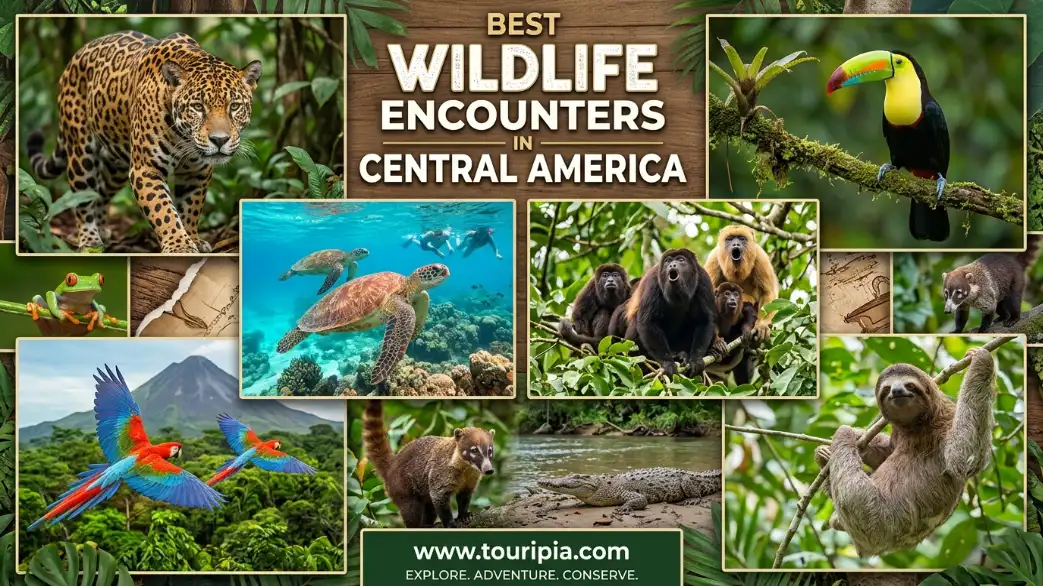
Are you the kind of traveler who loves seeing animals in the wild rather than in a zoo? Well, Central America should be high on your travel bucket list. This region is famous for its incredible biodiversity, and because of its mix of rainforests, cloud forests, beaches, and coral reefs, it’s one of the best places on Earth for unforgettable wildlife encounters.
Here, you can spot sloths hanging lazily from trees in Costa Rica and hear howler monkeys roaring through the jungle in Belize. And what’s crazy is that you can watch sea turtles crawl onto quiet beaches in Nicaragua to lay their eggs.
Central America offers the kind of real, close-up wildlife experiences that many travelers search for when planning a nature adventure. So whether you love rainforests, national parks, or marine life, this guide will show you 10 of the best wildlife encounters in Central America that you definitely shouldn’t miss.
Best Wildlife Encounters in Central America
Stick around to know the best wildlife encounter in Central America that can make you wonder about the creation.
1. Spot Sloths of the Costa Rica Rainforest
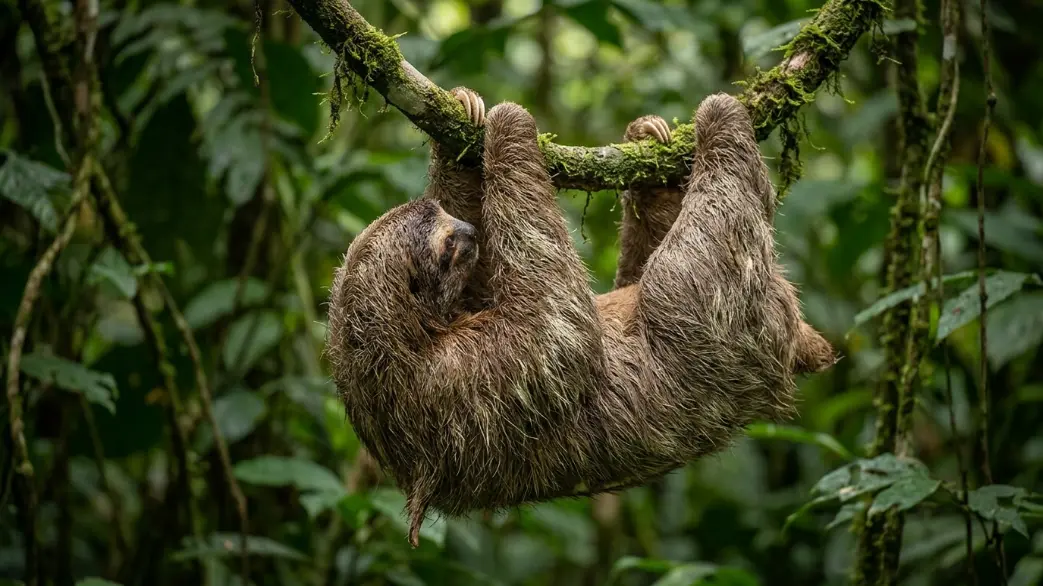
A hanging sloth in the Costa Rican forest is one of the most fascinating and thrilling sights a visitor can observe there. These animals are notorious for their slow movement and peaceful nature. It makes them perfect for people interested in wildlife watching in Central America.
The most favorable places in which these sloths can be met are:
- Tortuguero National Park
- Monteverde Cloud Forest Reserve
- Manuel Antonio National Park
Mostly, these sloths are resting under the trees in these locations. Two species of sloths are normally found in this place:
- The two-toed sloth – active during the dark hours
- The three-toed sloth – active during day time
The wood paths are level, and the game is seen very distinctly, during this time. These animals are best seen in the early morning.
2. Watch Sea Turtle Nesting in Tortuguero National Park
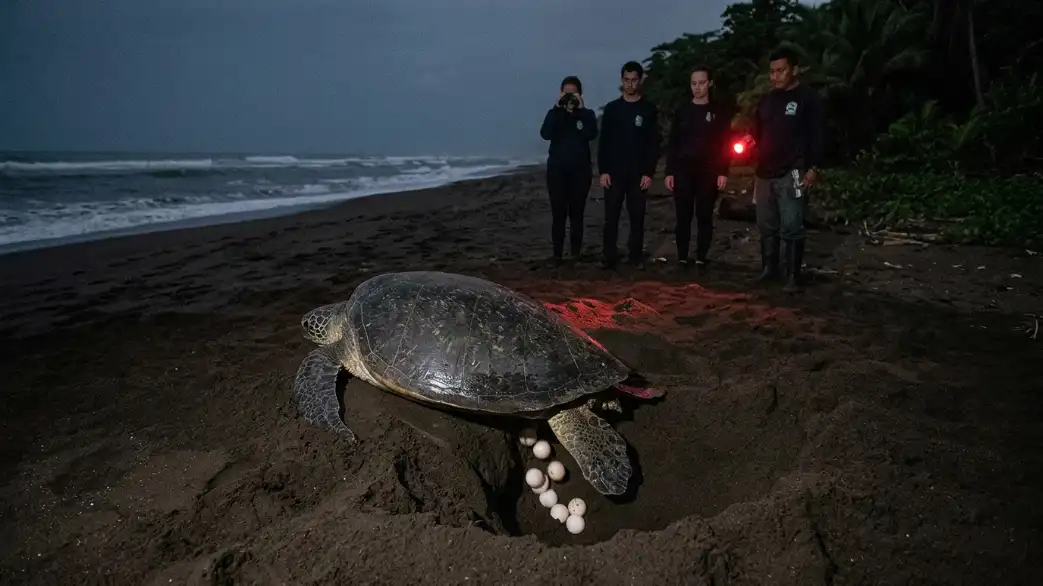
The other most favorable attribute of this place is that it is easy to view sea turtles, which visit the beaches at night to lay their eggs. These turtles come on the beach along Nicaragua’s Pacific coast every year, creating the best event everyone loves to see.
There are a few places where you can watch these turtles clearly, such as:
- La Flor Wildlife Refuge
- Juan Venado Island Nature Reserve
In the course of the travel, several species of turtles can be observed, including:
- Hawksbill sea turtle
- Green sea turtle
- Leatherback sea turtle
Another interesting thing about this location is the number of sea turtles being laid on the shore. These wonderful animals can travel thousands of miles over the ocean and then they can back to the beginning point.
Turtles are more likely to be seen at night, when they are occupied with nest-building and egg-laying.
3. Tour the Jaguars in Corcovado National Park
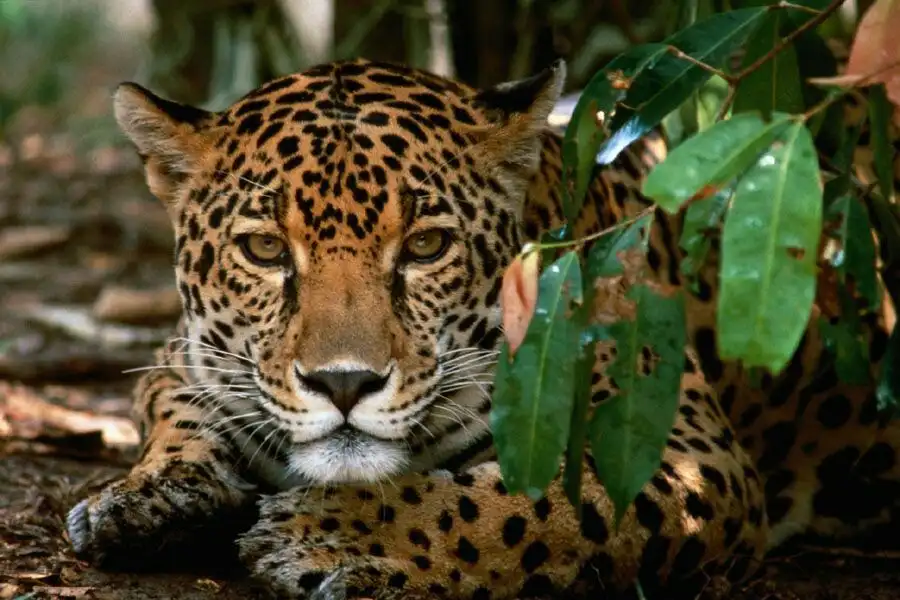
Viewing jaguars is a great way to observe wildlife in Central America. The jaguar is the largest wild cat in the American continent. It is known for its strength. It’s very hard to spot them.
You may see them in the Cockscomb Basin Wildlife Sanctuary. It can also be referred to as the first jaguar sanctuary in the world. While you are visiting the forest, you also see:
- Baird’s tapir
- Howler monkeys
- Bright scarlet macaw flying above trees
You must travel with tours to enjoy the full views. Travel guides help make the trip smooth and locate jaguars.
4. Birdwatching for the Resplendent Quetzal in Cloud Forests
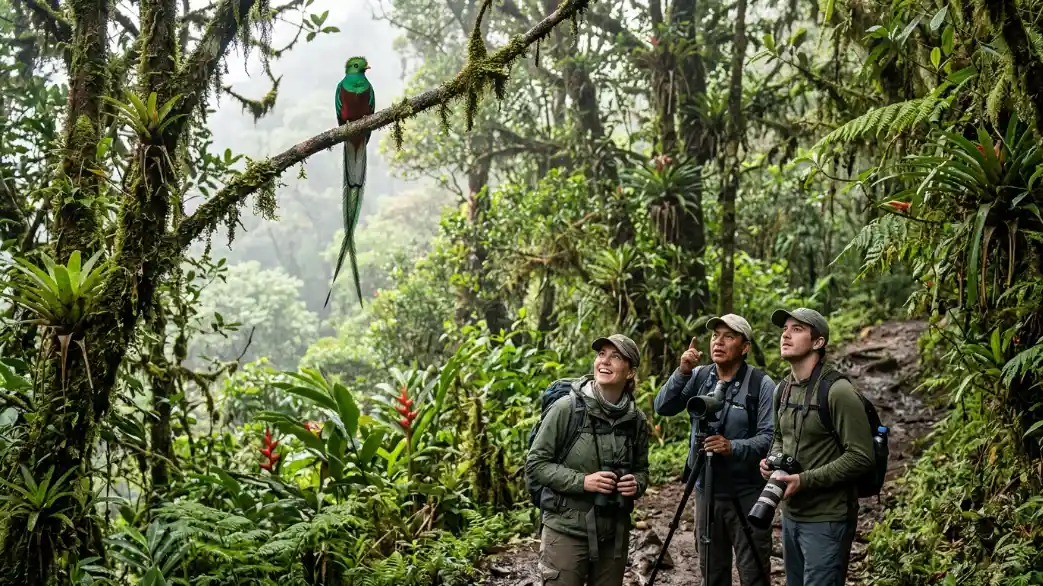
It is well known that Central American wildlife tourism features the beautiful quetzal in the foggy cloud forests of Guatemala. It is more attractive because of the long tail and the beautiful green plume of the bird.
These quetzals are visible at:
- Monteverde Cloud Forest Reserve
- Biotopo Mario Dary Rivera
- Sierra de las Minas Biosphere Reserve
The quetzals were very popular among the ancient Maya. Therefore, people from all over the world come to see these quetzals. The best experience of seeing wild animals is seeing them fly over the trees.
5. Snorkel With Sharks and Rays in Hol Chan Marine Reserve
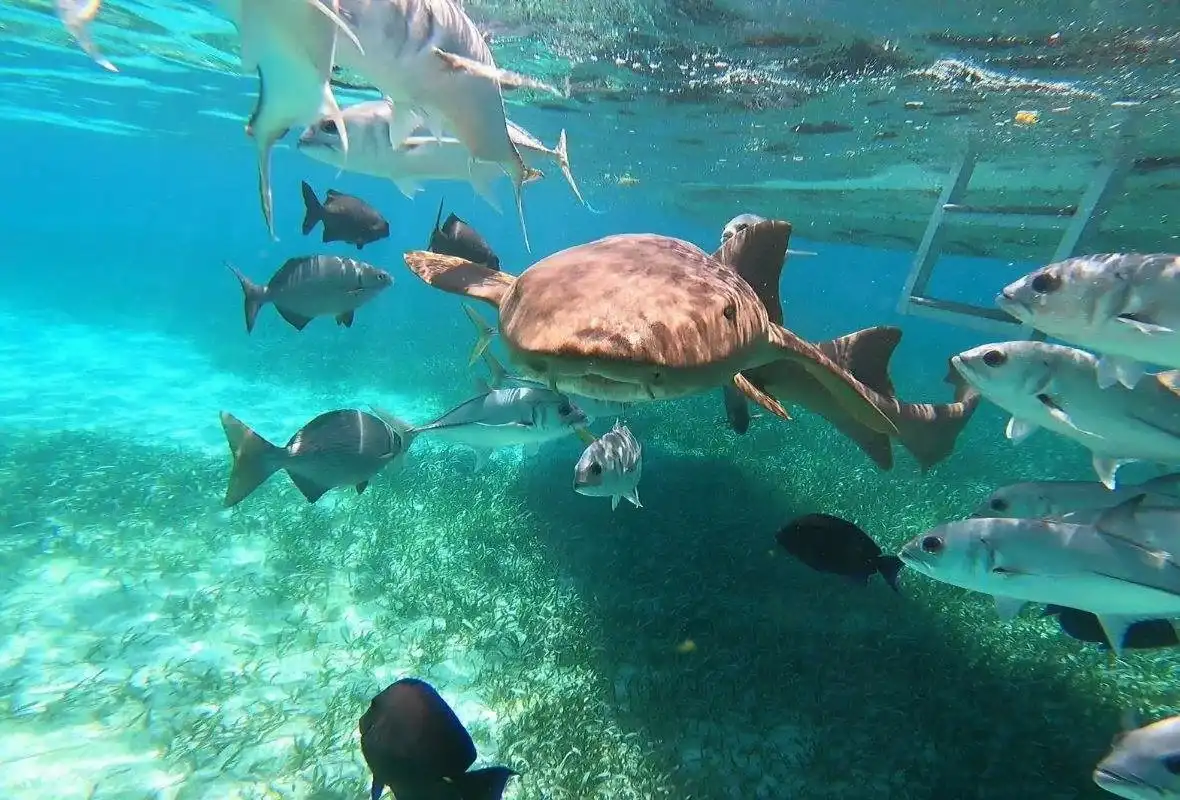
If you are on the hunt for the best traveling experience in Central America, then you should visit the Hol Chan Marine Reserve. This reserve is part of the renowned Mesoamerican Barrier Reef System, the second-largest coral reef system in the world.
One of the well-known snorkeling spots is Shark Ray Alley. At this place, you can safely swim with nurse sharks. The reef also has:
- Sea turtles
- Tropical fish
- Colorful corals
- Other sea creatures.
There are many protection programs for these, so the reef always remains full of marine animals.
6. Experience Howler Monkeys in the Jungles of Belize
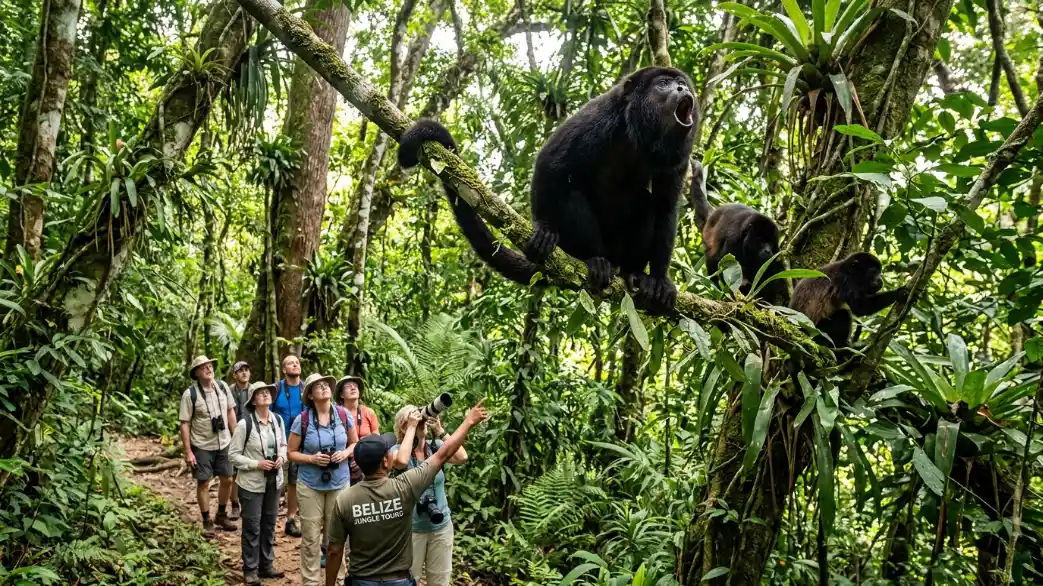
When traversing through the rainforests of Belize, you will hear an extremely loud sound on the trees. The howler monkey causes this noise and it happens to be one of the most audible noises in a jungle.
You can see these monkeys at:
- Cockscomb Basin Wildlife
- Community Baboon
Sanctuary actually provides protection to these animals. They use strong calls to talk with their group animals. These calls are heard at miles in the jungle. The best time to hear the sound of these monkeys is early morning.
7. See Colorful Poison Dart Frogs in Costa Rica’s Rainforests
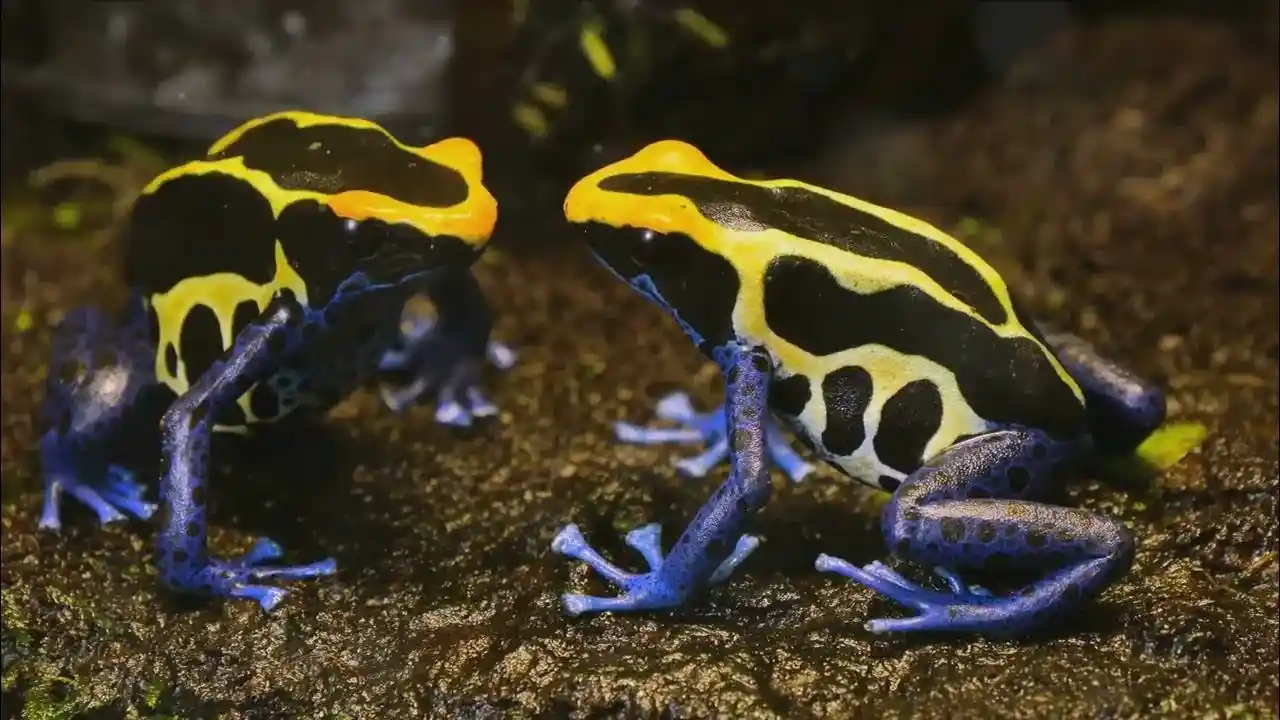
Costa Rica’s jungles have small and attractive poison dart frogs. The small animals have bright colors such as blue, yellow, and red. The locations where they are likely to be found are:
- Monteverde Cloud Forest Reserve
- Corcovado National Park
The forests offer some of the best rainforest wildlife found in Central America.
The animals’ bright colors indicate they are poisonous. Though these are small but important in the ecosystem because they help control insect populations. They keep the forest healthy.
8. Experience a Turtle Arribada in Nicaragua
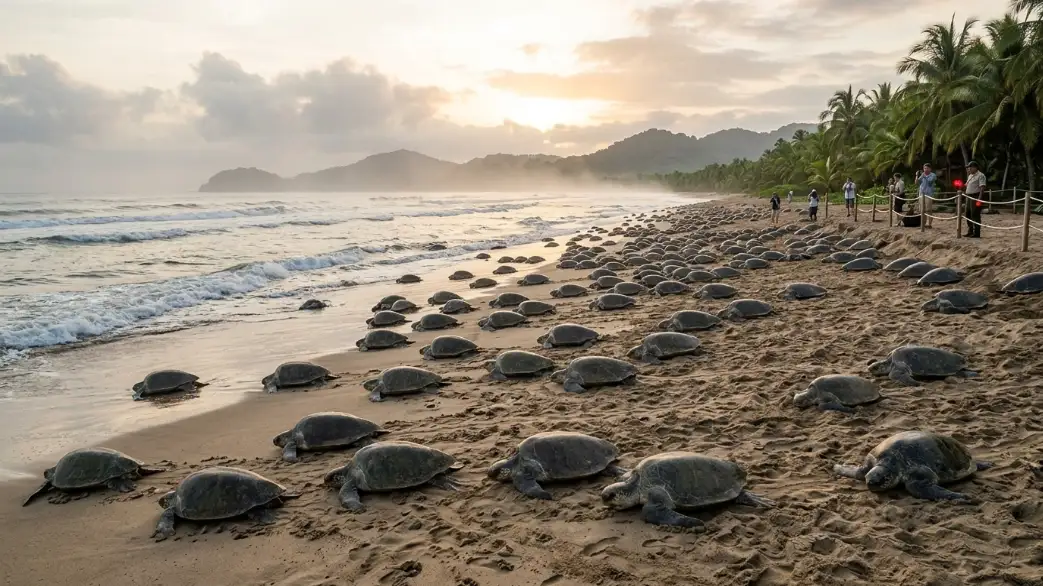
Turtle arribada is among the most interesting sectors of the Central American wildlife tourism. There are occasions when hundreds of sea turtles show up on a beach and lay their eggs. The beaches have many turtles everywhere.
The process is successful and is a great sight for many tourists. The olive ridley marine turtle makes an appearance at the event.
At La Flor Wildlife Refuge, one can spot these turtles. The refuge has programs that conserve these animals. The time one can visit these animals is between July and January.
One can witness the following events during this time: one can witness many turtles laying their eggs at night. The moonlight helps you to observe these events. The event is one of the best in Central America.
9. Spot Manatees and Dolphins in Coastal Wetlands
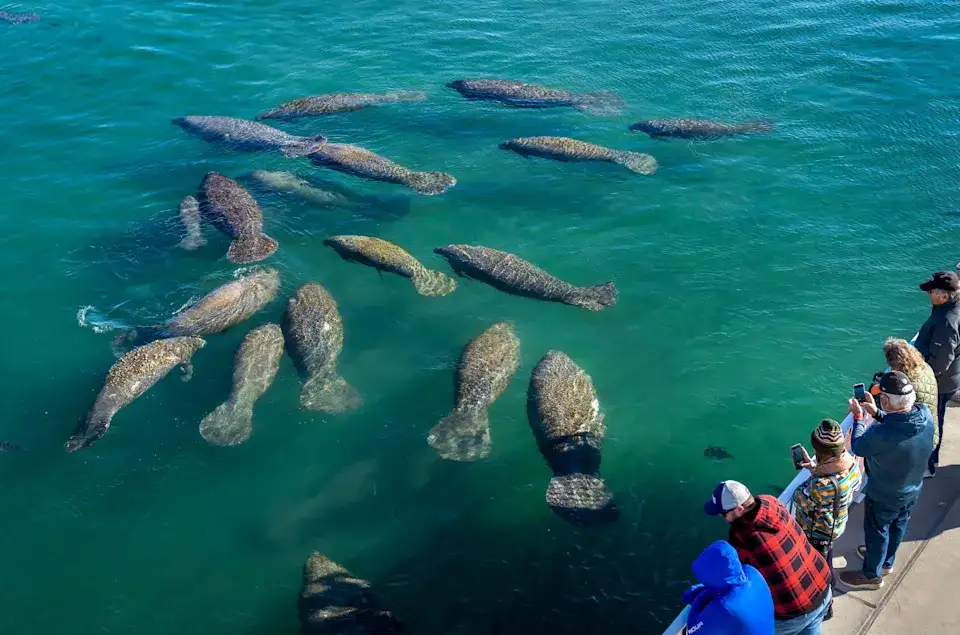
The lagoons and mangroves in Belize have many animals in Central America. These waters are good for locating:
- West Indian manatee
- Playful bottlenose dolphin
The lagoons and mangroves are very important in many ways. The lagoons and mangroves have many feeding and breeding areas for many species. One can tour the lagoons and mangroves during Central America wildlife watching. The tour can be a boat tour.
The tour can help one spot many animals in Central America wildlife watching trips. Guides help you locate manatees slowly swimming through the water while dolphins jump nearby.
Discover Rare Big Cats in the Selva Maya
Selva Maya is one of the biggest rainforests in America. It expands along:
- Belize
- Guatemala
- Southern Mexico
Many rare wild cats live here. There you can also see:
- Jaguar
- Ocelot
- Margay
These cats and wild animals are protected in several national parks.
At night, you can locate these animals easily. You can also see them while hiking. Though the animals are rare, watching them at night makes it one of the most powerful ways of Central America’s wildlife.
Best Time of Year for Wildlife Encounters
Now that you know about the best wildlife encounters in Central America, let’s find out the best time of the year to visit the place.
| Season | Months | Wildlife Highlights | Best For |
| Dry Season | December – April | Easier wildlife spotting, animals gather near water sources, clearer hiking trails | Jungle trekking, national park visits, spotting monkeys, sloths, and birds |
| Early Rainy Season | May – July | Lush rainforests, active amphibians and reptiles, fewer tourists | Frog sightings, rainforest photography, birdwatching |
| Peak Turtle Season | July – November | Mass turtle nesting events (arribadas) along Pacific beaches | Sea turtle nesting experiences and coastal wildlife tours |
| Migration & Bird Season | October – March | Migratory birds arrive, better chances to see rare species like quetzals | Birdwatching and cloud forest wildlife tours |
Conclusion
That’s all about the best wildlife encounters in Central America to experience wildlife like nowhere else. You can walk through lush rainforests spotting sloths and colorful frogs, listen to monkeys echoing through the jungle canopy, or snorkel above vibrant coral reefs filled with marine life.
If wildlife adventures are on your travel bucket list, Central America is a destination you simply shouldn’t miss.
Frequently Asked Questions
1. What kind of wildlife can you see in Central America?
Central America is home to an incredible variety of wildlife. You can spot sloths, toucans, jaguars, howler monkeys, quetzals, sea turtles, dolphins, poison dart frogs, tapirs, and scarlet macaws.
2. What are the most popular wildlife spots in Central America?
Top wildlife spots include:
Corcovado National Park (Costa Rica)
Monteverde Cloud Forest (Costa Rica)
Cockscomb Basin Wildlife Sanctuary (Belize)
La Flor Wildlife Refuge (Nicaragua)
Hol Chan Marine Reserve (Belize)
Biotopo del Quetzal (Guatemala)
3. When is the best time to watch wild animals in Central America?
The dry season (December to April) is ideal for wildlife watching. This is when trails are accessible, animals are more visible, and sea turtles nest along Pacific beaches. For birdwatching, migration periods and breeding seasons.
4. Which country has the most wildlife in Central America?
Costa Rica leads in wildlife diversity, with hundreds of species of mammals, birds, reptiles, and amphibians. Its protected areas, national parks, and marine reserves make it the ultimate wildlife-watching destination in Central America.
5. Where can you see sloths in Central America?
Sloths are most commonly seen in Costa Rica’s Manuel Antonio National Park, Tortuguero National Park, and Monteverde Cloud Forest Reserve. You can see them moving and blending into trees if you look high in the rainforest canopy.
6. Can you see jaguars in Central America?
Yes, you can spot jaguars at Belize’s Cockscomb Basin Wildlife Sanctuary, Costa Rica’s Corcovado National Park, and Guatemala’s Selva Maya.
7. Is Central America good for wildlife watching?
Central America is one of the world’s top wildlife-watching regions. Here, you can encounter:
Tropical mammals
Exotic birds
Sea turtles
Dolphins and rare reptiles
Its protected rainforests, cloud forests, wetlands, and coral reefs provide unforgettable experiences for nature lovers and eco-tourists.

Recent Posts
 Guided River Tours and Fishing Charters: From Fish to Rapids
- Texas Hill Country Wildflowers: Where & When to See Blooms (2026 Updated)
- 10 Hotels to Avoid in Las Vegas in 2026 (And Why Guests Keep Complaining)
- 25 Most Beautiful Places in Texas to Take Pictures
- The Ultimate Texas in Summer Travel Guide: Best Places to Visit in 2026